
Norway’s wild coastal beauty is defined by its deep, glacier-carved fjords, the Arctic archipelago of the Lofoten Islands, and a rugged coastline protected by the ‘Allemannsretten’ law. This unique geography provides a world-class destination for hiking, whale watching, and witnessing the Northern Lights or the Midnight Sun throughout the year.
The Geological Wonders of the Fjords
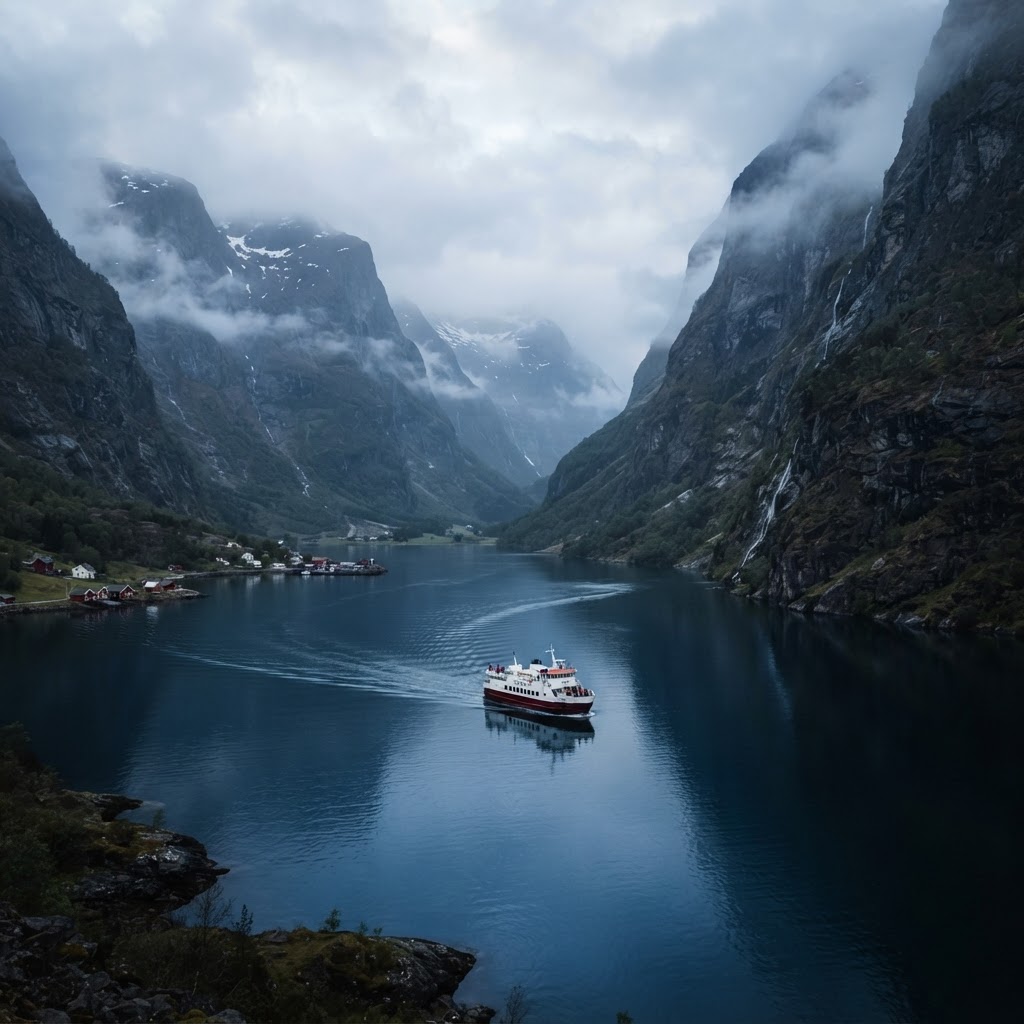
Fjords serve as the crown jewel of Norway’s coastline, representing dramatic geological formations created by glacial erosion over millions of years. Geirangerfjord and Nærøyfjord, designated as UNESCO World Heritage sites, exhibit vertical granite cliffs that rise up to 1,500 meters above sea level. Unlike standard bays, these fjords are exceptionally deep, often reaching depths of over 600 meters, which keeps the waters unusually calm and reflective.
Why Fjords Are Unique
These deep-water inlets create a specialized micro-climate where waterfalls originate from hanging valleys, often plummeting hundreds of meters into the sea. During spring snowmelt, these cascades intensify, creating mist-filled valleys. Exploring these structures is best achieved via transport; electric ferries provide an eco-friendly way to navigate the fjords while maintaining silence to preserve the natural atmosphere, whereas high-speed RIB boat tours offer rapid access to remote branches of the fjord system.
| Feature | Geirangerfjord | Nærøyfjord |
|---|---|---|
| Recognition | UNESCO Listed | UNESCO Listed |
| Character | Wide, massive waterfalls | Extremely narrow, intimate |
| Best For | Panoramic photography | Dramatic mountain views |
The Enchanting Lofoten Archipelago
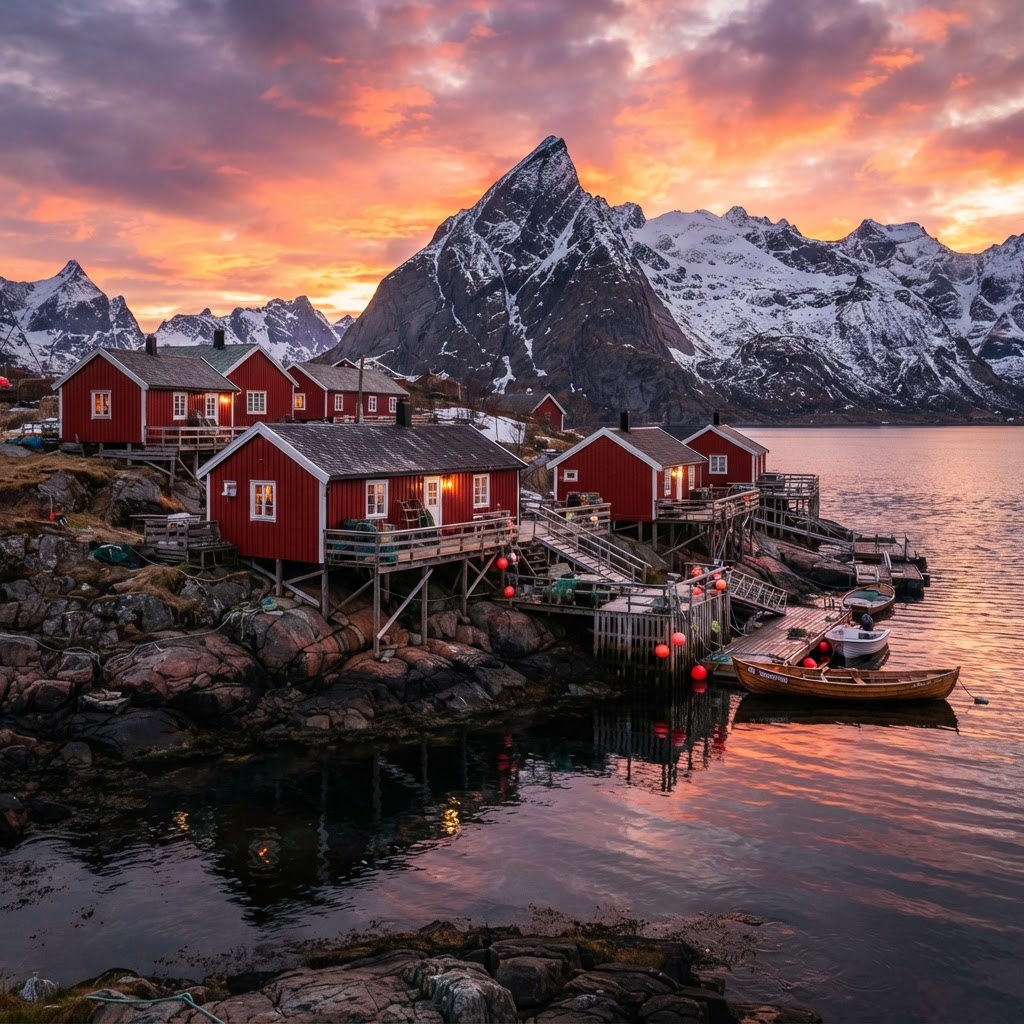
Located well above the Arctic Circle at 68° North, the Lofoten Islands represent the pinnacle of Norway’s wild coastal beauty through their distinctive mix of jagged, snow-dusted mountains and iconic red-painted fishing cabins known as ‘rorbuer.’ Despite this high northern latitude, the islands maintain a temperate climate due to the Gulf Stream, which prevents the sea from freezing even in the depths of winter.
This region is world-renowned for the Midnight Sun, occurring from late May to mid-July, providing 24 hours of daylight for outdoor activities like kayaking and hiking. Conversely, the winter season brings the Aurora Borealis, which is frequently visible from the islands’ beaches. Photographers prioritize these islands for the dramatic light, which shifts rapidly during the “Golden Hour” across the surrounding Vestfjorden sea. Visitors should note that while tourism has grown, the archipelago retains a fragile ecosystem that requires strict adherence to local environmental regulations.
Coastal Wildlife and Marine Life
Norway’s coastal waters support a diverse marine ecosystem essential to the nation’s cultural and economic heritage, ranging from large mammals to rare bird species. The island of Runde is a premier destination for birdwatchers, housing a colony of over 500,000 birds during the breeding season, including Atlantic puffins, northern gannets, and white-tailed eagles. Coastal waters serve as critical habitats for marine mammals, with humpback and orca whales frequently entering northern fjords during winter months to feed on herring stocks.
Wildlife viewing in Norway is strictly regulated by ethical guidelines intended to minimize human impact on sensitive species. Tour operators must maintain a distance of at least 50 meters from whales and adhere to designated buffer zones near bird nesting cliffs. Observing these animals requires patience; the best opportunities for spotting sea eagles occur early in the morning when thermal currents are strongest, while seal sightings are most frequent on the rocky outer skerries near the coastline.
Hiking the Rugged Coastline
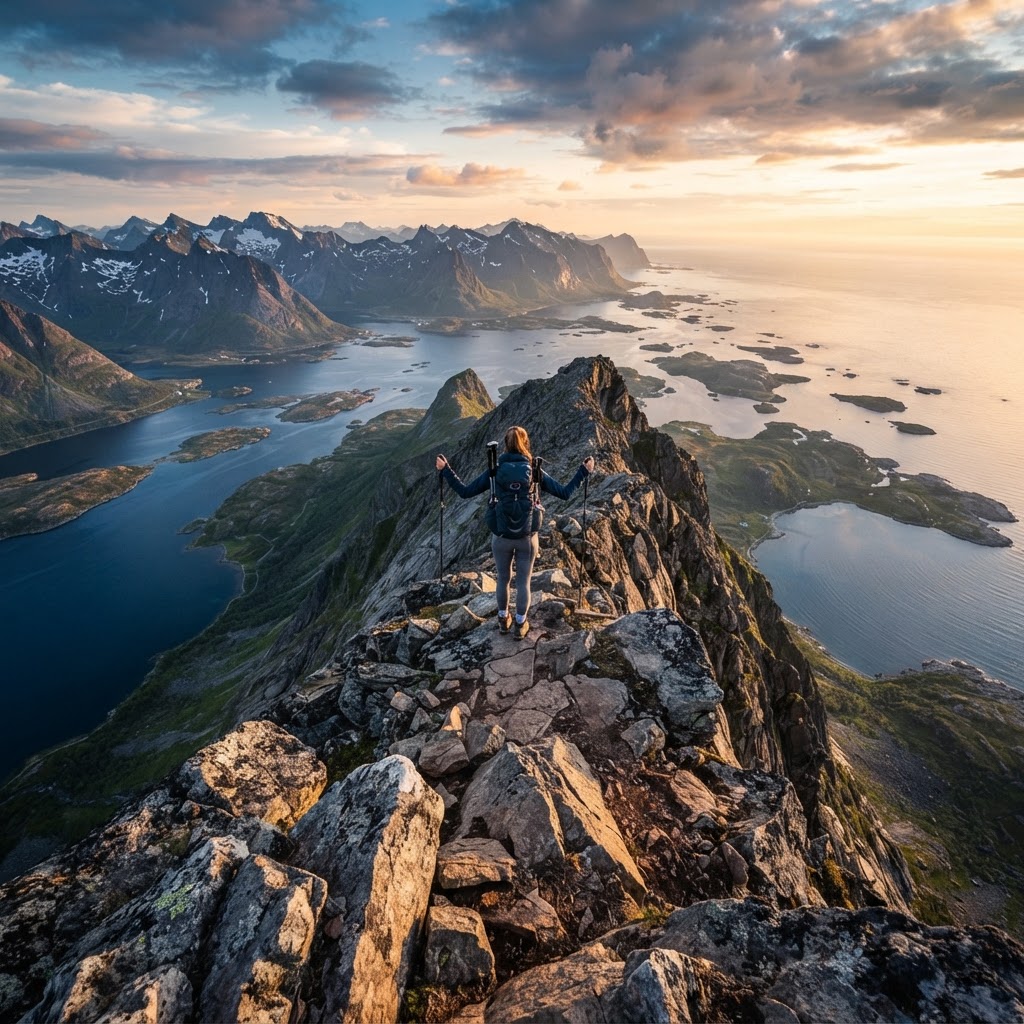
For the active traveler, hiking is the most immersive way to experience Norway’s landscape, supported by the ‘Allemannsretten’ law that grants public right of access to uncultivated land. Iconic summits like Preikestolen (Pulpit Rock) offer a vertical drop of 604 meters over the Lysefjord, while the more challenging Kjeragbolten hike features a boulder wedged between two rock faces. These trails are physically demanding and require proper preparation due to the rapid onset of coastal storms.
Essential Hiking Safety Tips
- Check the Yr.no weather forecast multiple times daily, as conditions can change in minutes.
- Always pack three layers: a moisture-wicking base, an insulating mid-layer, and a waterproof shell.
- Inform your hotel or a local contact of your specific GPS route and expected return time.
- Wear high-quality hiking boots with rigid ankle support to navigate wet, granite terrain.
- Carry a physical map and compass, as mobile reception is unreliable in deep, remote mountain valleys.
The Culture of the Fishing Villages
Life along the coast is inextricably linked to the sea, best observed in the traditional fishing villages of Reine, Henningsvær, and Å. These villages have maintained historical structures from the 19th century, reflecting the industry of ‘skrei’ (migratory cod) fishing. Visitors can experience the local heritage by staying in restored ‘rorbuer’—cabins originally built for seasonal fishermen—which now serve as unique lodging options.
Engaging with local culture involves more than sightseeing; it includes sampling authentic stockfish—cod that has been air-dried on wooden racks without salt. Many villages now feature maritime museums that explain the dangerous history of the Lofoten fisheries. By visiting these hubs, travelers support the maintenance of these heritage sites, which are increasingly threatened by global market changes and the need for modern infrastructure.
Seasonal Shifts and the Northern Lights
| Season | Key Activity | Weather Condition |
|---|---|---|
| Winter (Oct-Mar) | Aurora Borealis | Cold, dark, snow-covered |
| Summer (Jun-Aug) | Midnight Sun | Mild, long daylight hours |
Visiting Norway requires timing your trip to match your primary objective, as the coastal environment changes significantly between the dark winter and the vibrant summer months. The Aurora Borealis is best viewed in the far north between October and March, provided the sky is clear and solar activity is high. Conversely, the summer months from June to August are optimal for those prioritizing hiking, kayaking, and ferry tours through the fjords. During these months, the temperatures typically range between 12°C and 18°C, providing ideal conditions for exploring mountain trails.
Preserving the Pristine Coastline
Sustainability is at the core of Norwegian tourism, with the government aiming for zero-emission tourism in World Heritage fjords by 2026. Visitors play a crucial role by following ‘Leave No Trace’ principles, which mandate packing out all trash and staying on marked trails to prevent erosion of delicate alpine flora. Choosing eco-certified tour operators who use electric vessels ensures your travel budget directly supports the transition away from fossil fuels in sensitive marine areas.
Sustainable travel involves making intentional choices: prioritize staying in family-owned guesthouses, purchasing locally sourced seafood to reduce transport emissions, and respecting the wildlife buffers designated by local environmental authorities. By acting as a responsible guest, you help ensure that the rugged, wild character of the Norwegian coast remains preserved for future generations.
FAQ
Q: What is the best time of year to visit Norway for the Northern Lights?
For the best chance to see the Northern Lights, visit between October and March when the nights are at their darkest. During these months, the northern regions, particularly Tromsø and the Lofoten Islands, provide the clearest skies and most frequent auroral displays.
Q: Do I need a permit to hike in Norway?
No, you do not need a permit to hike in Norway due to ‘Allemannsretten,’ or the Right to Roam. This law allows anyone to hike, camp, and forage in open, uncultivated countryside, provided you respect private property boundaries and keep the environment clean.
Q: Are the Norwegian fjords safe for beginner travelers?
Yes, the Norwegian fjords are very safe and accessible for beginners through organized electric ferry tours and well-marked tourist paths. While the terrain is rugged, most major fjord destinations offer clearly defined viewing platforms and guided transport that require no technical skill to enjoy.
Q: What should I pack for a summer trip to the Norwegian coast?
Pack waterproof layers, a windbreaker, and sturdy, broken-in hiking boots, even for summer visits. The coastal weather is unpredictable, and temperatures can drop rapidly near glaciers or at higher elevations, making a layered approach to clothing essential for your comfort.
Q: How expensive is travel in Norway?
Norway is considered a high-cost destination, with daily budget estimates often exceeding $150-$200 USD per person. You can manage costs by utilizing public transportation, grocery shopping at local markets for picnic lunches, and opting for hostels or camping instead of traditional hotels.
Leave a Reply