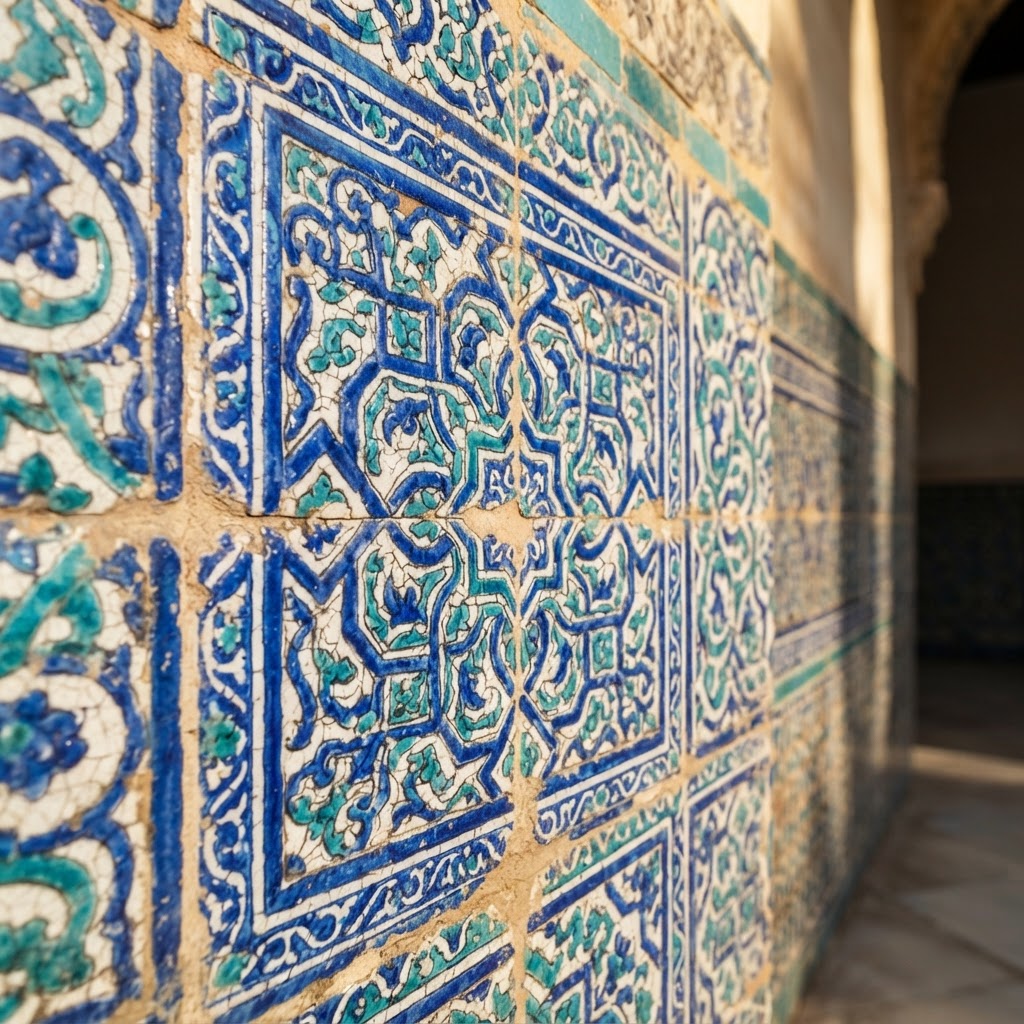
Spain is a land where every corner tells a story through color, texture, and history. Walking through the narrow, winding streets of its ancient cities, you are constantly met with a visual feast. The combination of intricate tile work and majestic entryways provides a unique glimpse into the artistic heritage of the Iberian Peninsula. For those who appreciate design, these elements are not just functional parts of a building; they are masterpieces of local craftsmanship.
The Magic of Spanish Ceramics
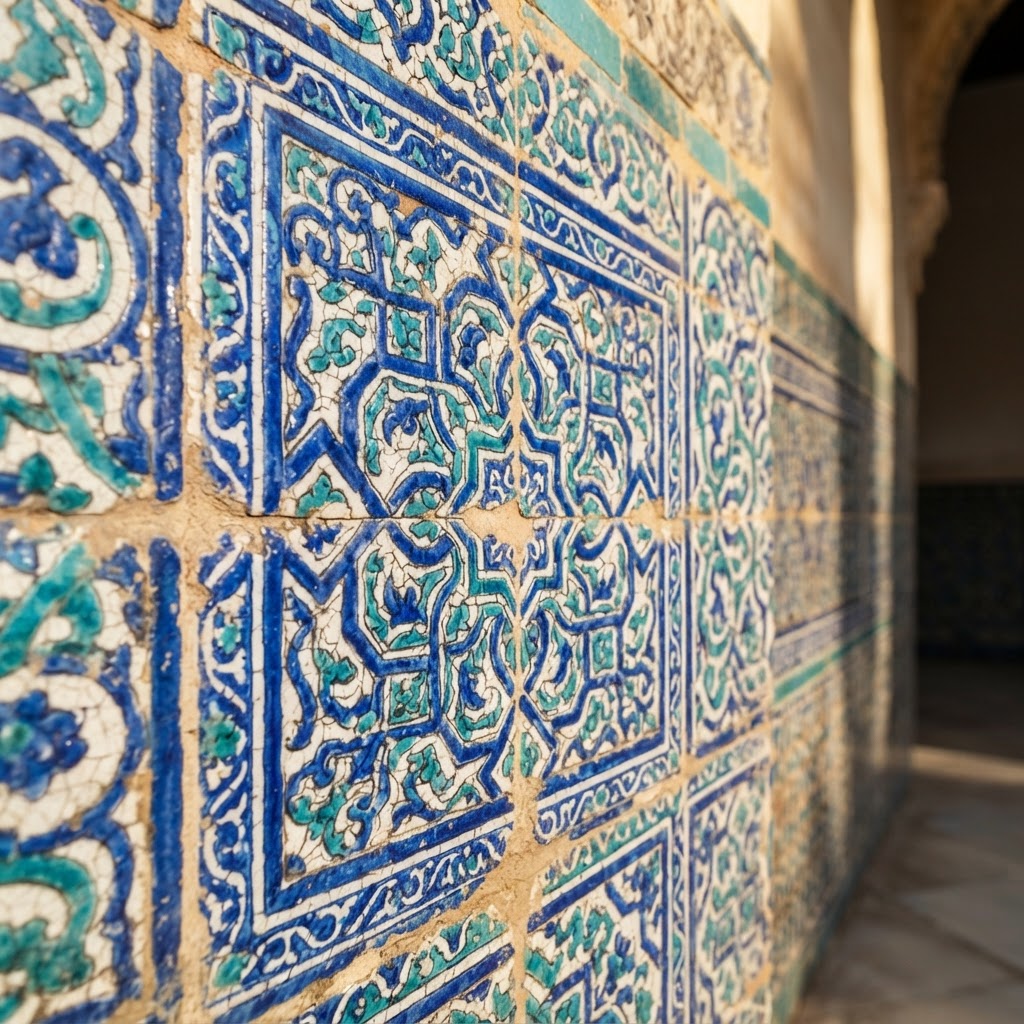
Is Spain known for their tiles? The answer is a resounding yes. From the vibrant azulejos that line the walls of palaces to the delicate decorative patterns found in private courtyards, ceramic art is woven into the very fabric of Spanish culture. These tiles, often featuring geometric shapes or lush floral motifs, serve as more than just decoration; they regulate temperature and provide a cooling effect during the hot summer months.
Many travelers wonder what is the tiled city in Spain. While many regions boast incredible ceramic work, Seville is widely regarded as the ultimate destination for tile enthusiasts. The Plaza de España is perhaps the most famous example, where benches decorated with hand-painted ceramic tiles represent every province of the country. These displays attract photographers from across the globe looking for the perfect shot for their Instagram feed.
Unveiling the Most Photogenic Doors
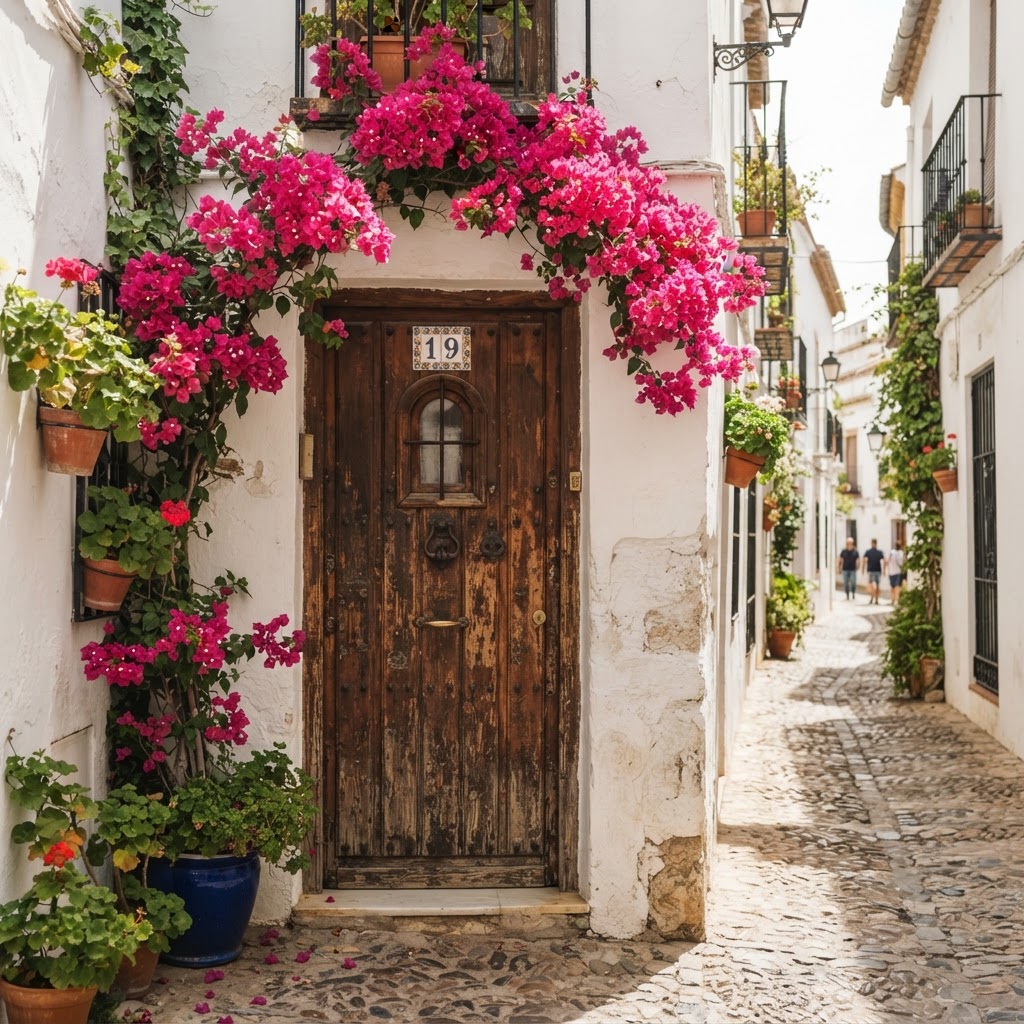
There is something inherently inviting about a beautiful door. In Spain, these architectural portals range from massive, heavy oak doors studded with iron to delicate, pastel-painted entrances draped in bougainvillea. Each door reflects the personality of the home behind it and the era in which it was constructed.
In cities like Cordoba, the tradition of the ‘patios’ allows locals to showcase their stunning doorways. During the annual Patios Festival, these private, flowery courtyards are opened to the public, offering a rare look at the intimate beauty of Spanish homes. It is a photographer’s paradise, where the contrast between the rough stone walls and the vibrant floral displays creates a timeless scene.
Exploring Architectural Wonders
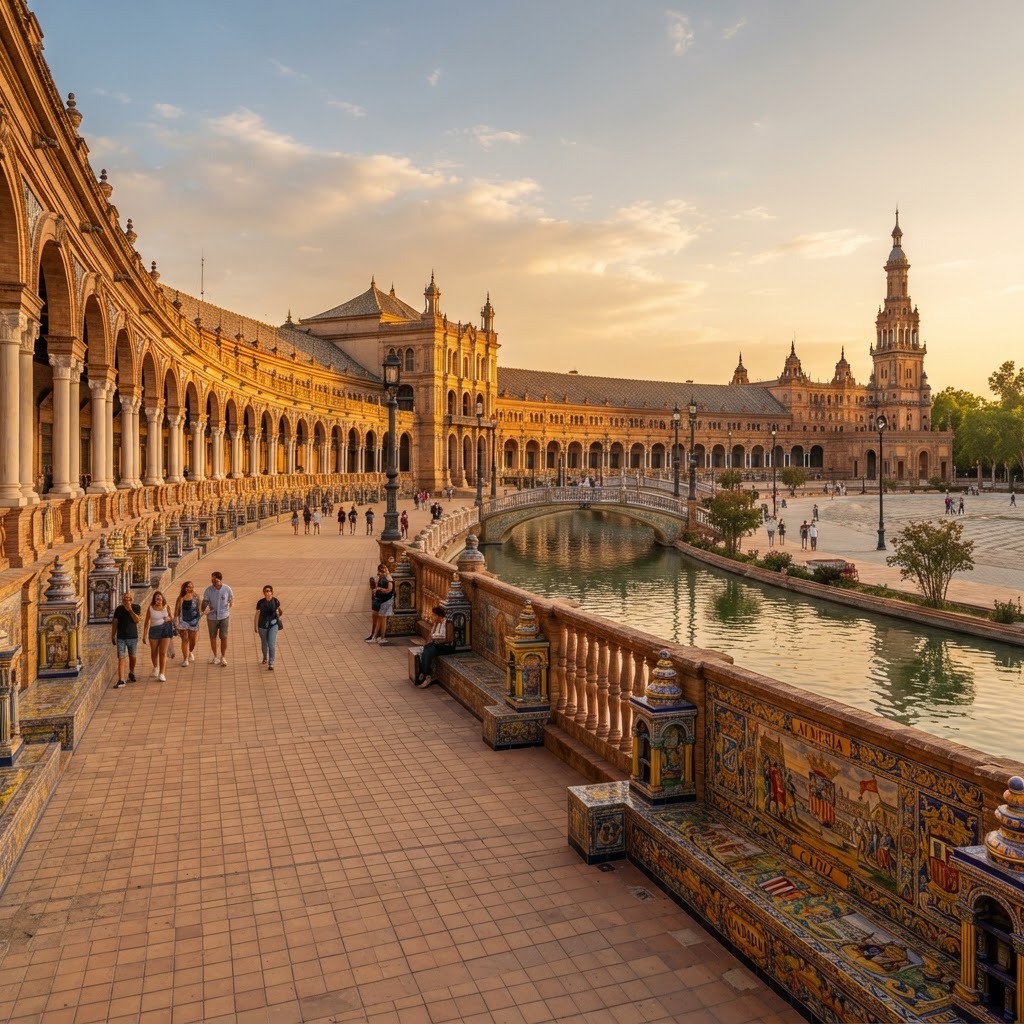
Which city in Spain has the best architecture? It is a difficult choice, as the country is defined by diverse styles ranging from Gothic and Renaissance to the whimsical Modernism of Antoni Gaudí. Barcelona remains a top contender, with its iconic structures redefining the limits of creativity. However, the blend of Roman, Moorish, and Christian influences in the southern regions creates a unique architectural narrative that is hard to find anywhere else.
When we discuss the most famous Moorish palace in Spain, the Alhambra in Granada immediately comes to mind. This sprawling complex is the pinnacle of Islamic architecture in the West. Every archway, ceiling, and tiled wall inside the Alhambra is a testament to the sophistication of the Nasrid dynasty. The intricate stucco work and the complex geometric tile patterns create an atmosphere that feels like stepping back into a different century.
Capturing the Details for Instagram
If you are planning a trip to document the beauty of the region, focusing on the details is essential. While wide-angle shots of grand cathedrals are impressive, the most engaging content often comes from the smaller, curated details. A close-up shot of a sun-bleached door handle or the weathered texture of a century-old tile reveals more about the history of the location than a sweeping landscape ever could.
To ensure your photos stand out on Instagram, try to visit these locations during the ‘golden hour’. The soft, warm light of the early morning or late afternoon enhances the colors of the tiles and adds a romantic glow to the doorways. Avoid the midday harsh sun, which can create distracting shadows that obscure the fine detail of the artwork.
The Cultural Significance of Design
Beyond their visual appeal, these architectural features represent the history of trade, religion, and innovation. The influence of North African culture on Spanish design is most visible in the frequent use of complex geometric patterns and the focus on internal courtyards. These elements reflect a history of prioritizing privacy and inner tranquility, a legacy that continues to influence modern Spanish residential design today.
Maintaining these historical treasures is a significant effort. Restoration projects often rely on traditional techniques passed down through generations of artisans. When you photograph a restored tile facade, you are not just capturing a pattern; you are documenting the survival of an ancient craft that defines the character of the nation.
Regional Variations in Style
It is fascinating to observe how style changes as you move across the country. In the northern regions, you might find more stone-heavy, robust entrances that reflect the cooler climate. In contrast, the southern regions lean toward lighter materials, pastel hues, and elaborate tile work that celebrates the abundant sunlight. Each region offers a different aesthetic, making a road trip across the country a diverse experience for any design lover.
Whether you are wandering the streets of a sleepy Andalusian village or exploring the bustling center of Madrid, the diversity of design is striking. It is this variety that makes the country so addictive for travelers who are constantly seeking out new, beautiful sights. Taking the time to look closely at these features allows you to form a deeper connection with the places you visit.
Conclusion
Exploring the most beautiful doors and tiles in Spain is more than just a sightseeing activity; it is a journey into the heart of Spanish artistry. By paying attention to these small, elegant details, you gain a new appreciation for the architecture and history that make this country so special. We hope this guide inspires you to grab your camera and explore the hidden gems waiting behind every corner in Spain. What is the next destination on your travel list? Share your favorite architectural spots with us in the comments below!
Leave a Reply