
Spending 3 days in Ireland is enough time to experience a perfect blend of Dublin’s vibrant urban culture and the country’s iconic natural landscapes. By basing yourself in Dublin and utilizing organized day tours, you can efficiently visit major sites like the Cliffs of Moher and Glendalough without the stress of constant travel logistics.
Designing Your Perfect 3 Days in Ireland
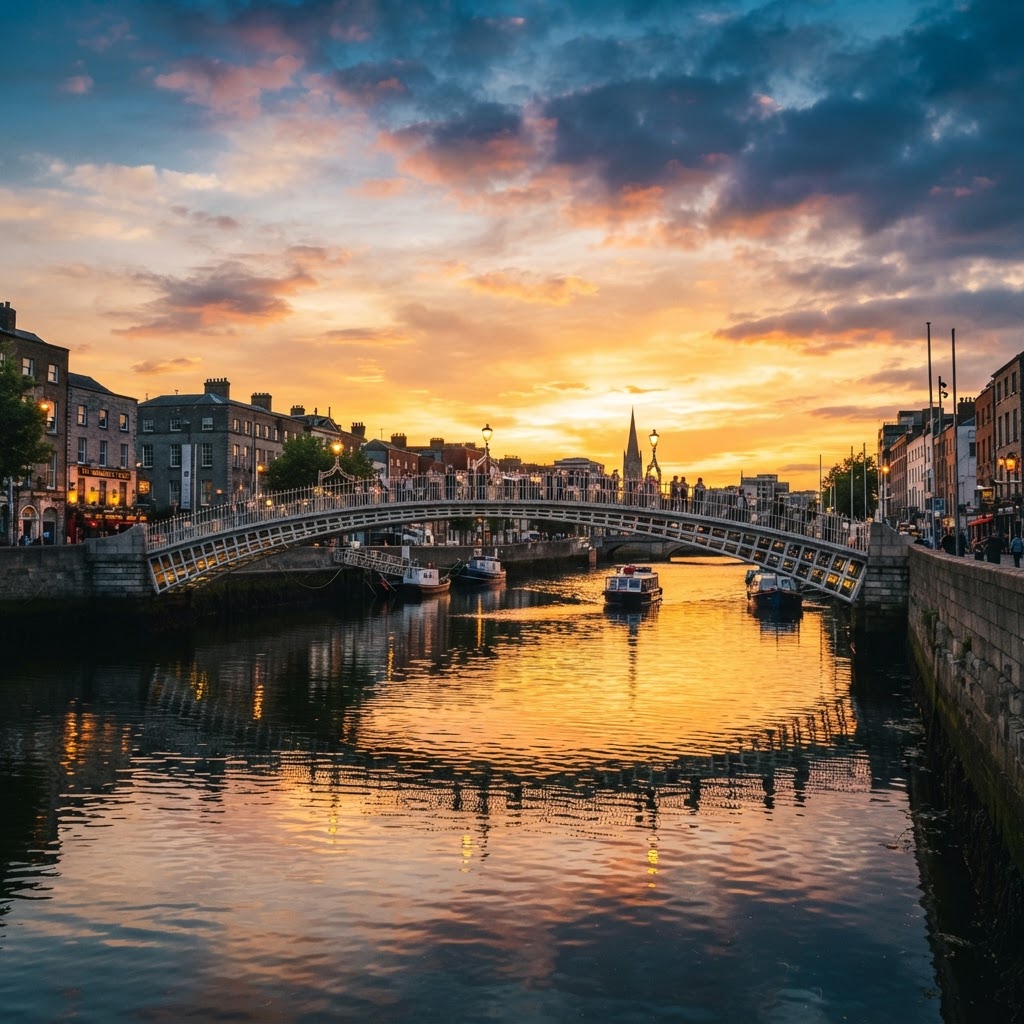
Planning a successful short-term trip to Ireland requires a strategic balance between urban exploration and immersive natural experiences. Because time is limited, the most efficient approach is to base yourself in Dublin to avoid the hassle of packing and unpacking, utilizing the city as a gateway to the rest of the country. A well-structured plan ensures you capture the quintessential Irish atmosphere—from cozy pubs to sweeping landscapes—within a strict seventy-two-hour window. If you find yourself with a bit more time to explore, check out this 5-day Ireland itinerary for more inspiration on how to see the best castles, cliffs, and scenic drives. By dedicating day one to the capital and leveraging group transit for your subsequent two days, you maximize your itinerary utility, spending less time navigating road signs and more time photographing the Emerald Isle’s famous vistas.
The Importance of Logistics
When you only have three days in Ireland, travel efficiency is the difference between a relaxing vacation and a frantic race. Public transportation in Ireland is reliable, but for day trips to more remote locations, booking pre-arranged group tours or renting a car can save you precious hours. Aim to hit the major tourist hotspots like the Guinness Storehouse or Trinity College during off-peak hours—typically before 10:00 AM or after 4:00 PM—to avoid the largest crowds. If opting for guided tours, prioritize companies that offer small-group experiences, as these often bypass standard tourist traps. Booking your tickets online at least two weeks in advance, especially for the Book of Kells, is essential to guarantee entry and skip the queue. Remember that regional travel in Ireland often takes longer than the distance suggests due to narrow, winding roads; therefore, allow a 20% buffer time on any transit estimate.
Day 1: Immersing Yourself in Dublin
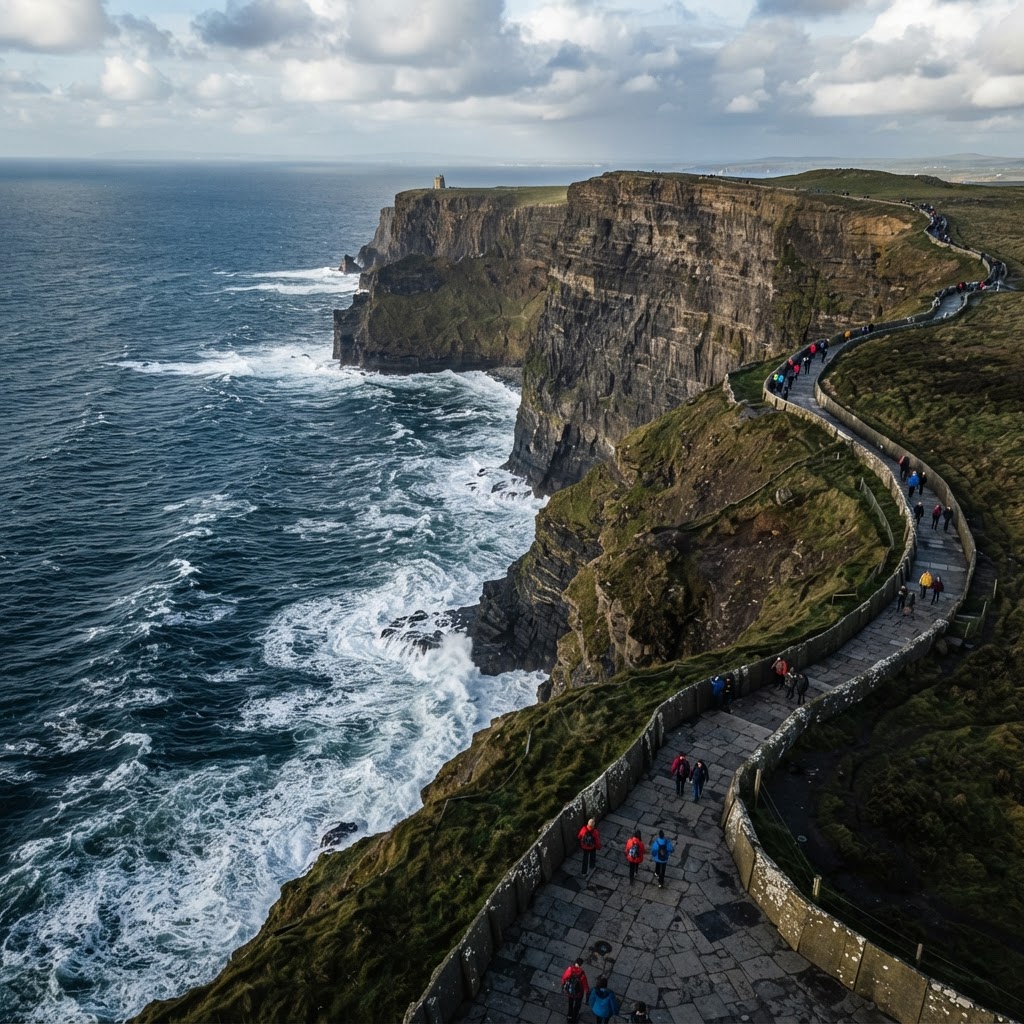
Day one is best spent soaking in the rich history and literary heritage of Dublin, a city that seamlessly blends medieval charm with modern energy. Start your morning at Trinity College to view the Book of Kells, then wander over to Grafton Street for a taste of local shopping and busking culture. Spending your first day here allows you to acclimate to the rhythm of Irish life before venturing further afield. The city center is highly walkable, with most major sites situated within a 15-minute radius of the Liffey. Take advantage of the “Dublin Pass” if you plan on visiting more than three paid attractions, as it can save travelers roughly 15-20% on combined entry fees. Ensure you spend time walking through St. Stephen’s Green, a 22-acre park that offers a quiet contrast to the bustling city streets, providing a perfect spot for a midday rest while planning your evening excursion.
Iconic City Landmarks
After visiting Trinity, head toward St. Stephen’s Green for a peaceful stroll, then continue to the Little Museum of Dublin for a fast, engaging look at the city’s 20th-century history. Don’t miss the Guinness Storehouse in the afternoon; it is not just a brewery but a masterclass in marketing and panoramic views. Conclude your day in the Temple Bar area, where you can find live traditional music and a warm pint of stout. While Temple Bar is often criticized as being overpriced, it remains a bucket-list experience for the authentic atmosphere of street-side fiddle music. If you prefer a more local vibe, wander just across the river to the “Northside” districts like Smithfield, where local pubs offer the same pints for 20-30% less than the tourist-heavy districts. Always keep an eye out for “Blue Plaque” historical markers on building facades, which highlight where famous literary figures like James Joyce or Oscar Wilde once lived or worked.
Day 2: Exploring the Wild Atlantic Way
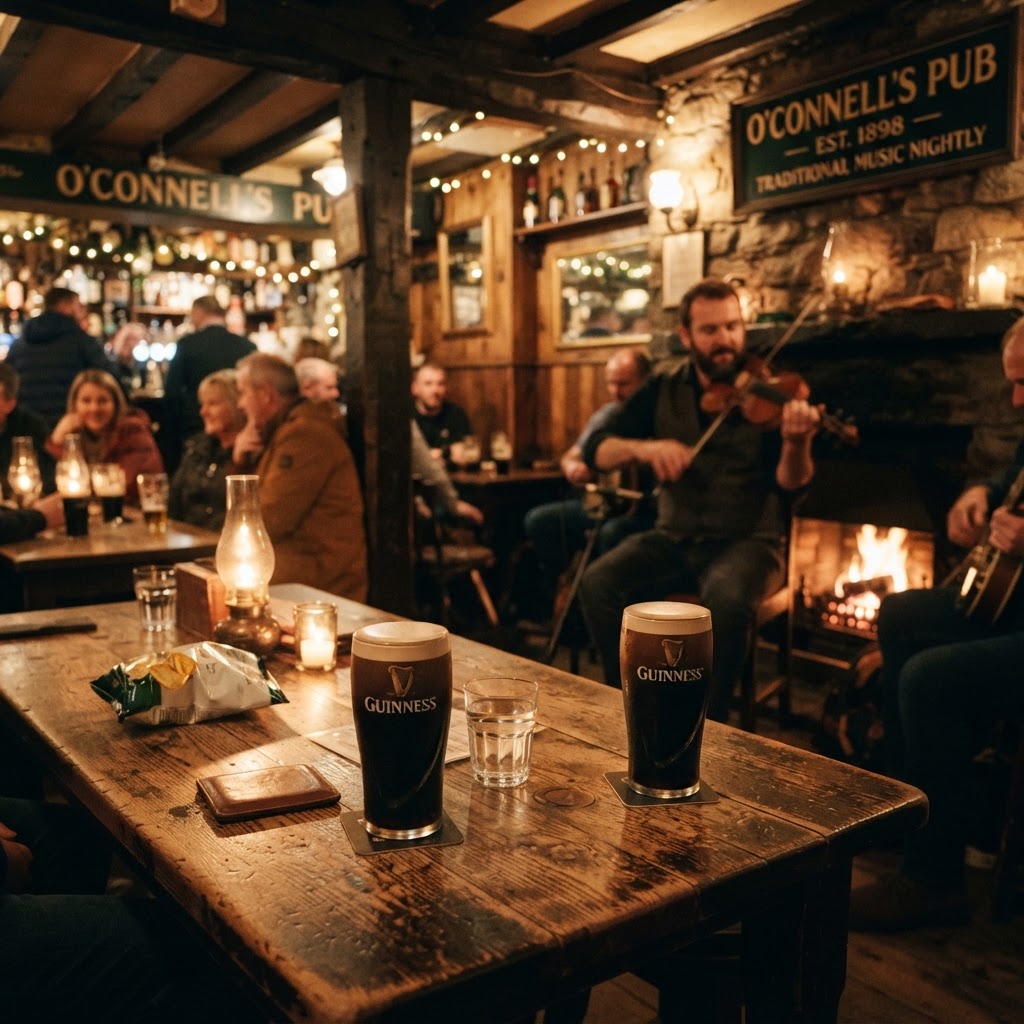
Your second day should be dedicated to the iconic landscapes that define the Irish west coast, specifically the world-renowned Cliffs of Moher. Traveling from Dublin to the west takes about three hours, so consider joining a guided tour that includes a stop in the colorful, musical town of Galway. Seeing the raw power of the Atlantic Ocean crashing against these limestone cliffs is a bucket-list experience for any visitor. The Cliffs rise to 214 meters (702 feet) at their highest point, providing one of the most stunning photographic opportunities in Europe. When booking a tour, look for packages that include the visitor center entry, as individual tickets cost approximately €12-€15. Dress in layers regardless of the forecast; the coastal wind can drop the “feels-like” temperature by 5-10 degrees Celsius in an instant. This day trip requires an early start, usually leaving Dublin between 6:30 AM and 7:00 AM, to ensure you return by the late evening.
Day 3: Ancient History and Wicklow Beauty
On your final day, head south into the Wicklow Mountains to witness the mystical beauty of Glendalough, an ancient monastic site nestled between two glacial lakes. This area offers a refreshing contrast to the urban intensity of Dublin and provides some of the best hiking trails in the country. It is the perfect way to “breathe in” Ireland one last time before you head to the airport for your departure. The monastic city, founded in the 6th century by St. Kevin, features a famous 30-meter high round tower that remains remarkably intact. Hiking the “Spinc” trail takes roughly 3 hours and offers a bird’s-eye view of the entire valley, which is widely regarded as the most scenic route in the Wicklow Mountains National Park. Because this region is only about 50 kilometers from Dublin, it serves as the ultimate “day-trip” finale, allowing you to return to the city by late afternoon to catch a train or taxi to Dublin Airport for your evening flight.
Getting the Most Out of Wicklow
Try to arrive at the Glendalough visitor center early to catch the morning mist over the Upper Lake, which makes for spectacular photography. If you have time, visit the nearby Powerscourt Estate and its famous waterfall to see the sheer scale of the Irish landscape. This region captures the spirit of the “Emerald Isle” better than almost any other location within a short drive of the capital. If traveling by car, ensure you have a physical map or an offline GPS enabled on your phone, as cellular signals can drop significantly once you enter the deep valleys of the Wicklow Mountains. Pack a picnic lunch if visiting on weekends, as local cafes at the trailhead can become quite crowded with hikers and tour groups. Don’t forget that weather in the mountains changes rapidly, so even if it is sunny in Dublin, you should expect potential rain or high winds near the lakes. This final day balances the high-intensity history of the capital with the serene, ancient natural beauty that defines the Irish soul.
Practical Ireland Travel Tips
Successful travel to Ireland depends on preparation, especially regarding the notoriously fickle weather and local etiquette. Pack layers, as you might experience four seasons in a single afternoon, and always carry a sturdy rain jacket. Additionally, familiarizing yourself with basic local customs—like how to order a drink or interact with locals in rural areas—will significantly enhance your social interactions. Always tip 10-15% for table service in restaurants, but note that tipping is not expected at pub counters when ordering a pint. When navigating, keep in mind that road signs are often written in both English and Irish, which can be confusing for first-time visitors driving on the left side of the road. If you find yourself needing assistance, Irish locals are famously friendly and usually happy to provide directions or recommendations if asked politely.
What to Pack for 3 Days
Lightweight, waterproof gear is your best friend when navigating Irish tourism. Comfortable walking shoes are non-negotiable, particularly if you plan on trekking around the cliffs or the rocky terrain of monastic ruins. Keep your electronics charged and carry an international power adapter, as Ireland uses the Type G plug found in the UK. A portable battery bank is highly recommended, as constant use of mapping apps can drain your phone battery quickly. Because of the damp climate, choose moisture-wicking fabrics rather than heavy cotton; wool base layers are an excellent choice for any time of year. Lastly, carry a small coin purse, as you will find that coins are frequently used for public bus fares and small purchases in traditional shops or village markets.
FAQ
Is 3 days enough time to see Ireland?
Yes, three days is sufficient to see the major highlights of Dublin and one or two significant regional attractions. Focus your itinerary on the east coast and one specific day-trip destination to avoid spending your entire weekend traveling rather than exploring.
Do I need a car for a 3-day trip?
No, you do not need a car if you stay in Dublin and book guided day tours for your excursions to the countryside. Guided tours are often more efficient and allow you to see the Cliffs of Moher or Glendalough without navigating difficult roads.
What is the best time of year to visit Ireland?
May, June, and September are the best months to visit because they offer a balance of mild weather and fewer crowds. These months also provide longer daylight hours, which is vital for maximizing your limited time in the country.
What should I eat in Ireland?
Try traditional dishes like Irish stew, soda bread, and fresh seafood, particularly if you are visiting coastal areas. Modern “gastropubs” now offer high-quality, locally sourced ingredients that have significantly upgraded the traditional Irish culinary reputation.
How should I prepare for Irish weather?
Always dress in layers and carry a high-quality waterproof jacket at all times, regardless of the forecast. It is common to experience sun, rain, and wind within the same hour, so being prepared for variable conditions is the key to a comfortable trip.
Leave a Reply