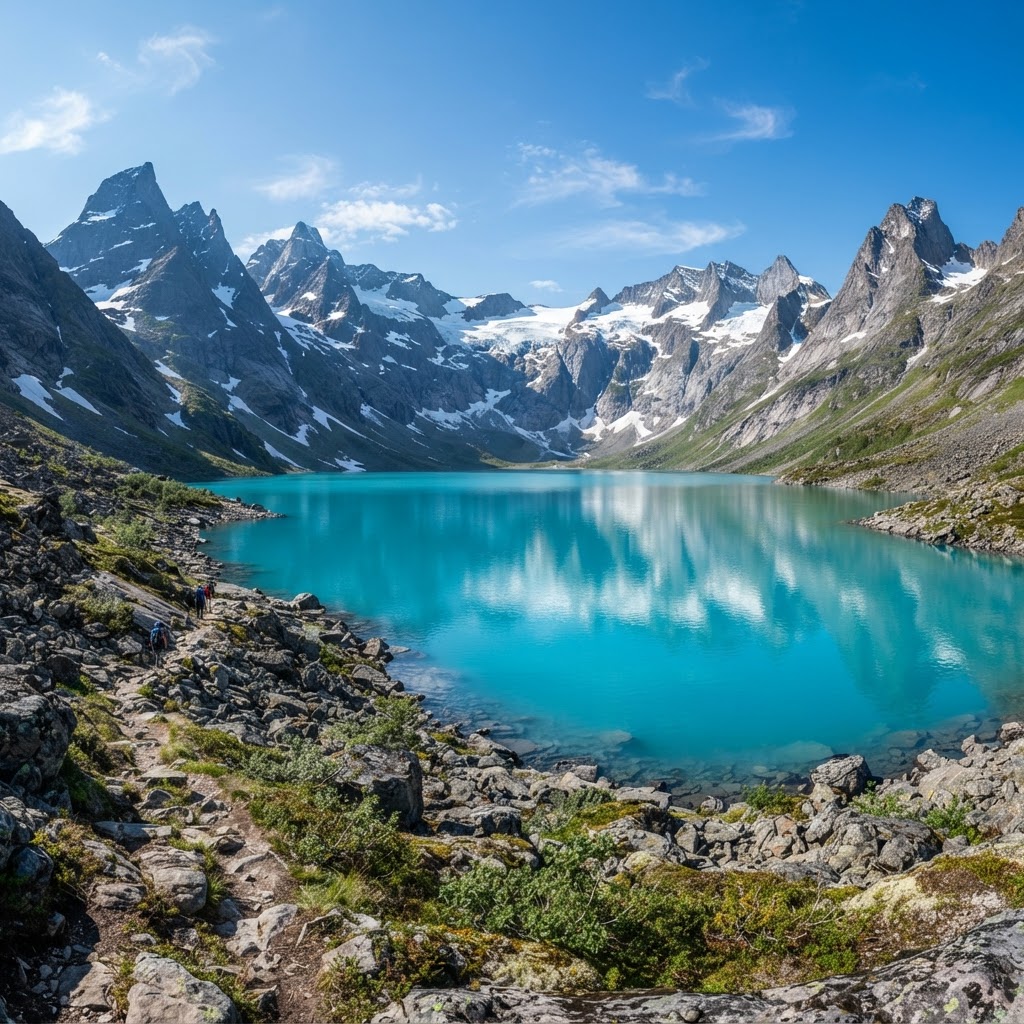
Nestled deep within the rugged peaks of the Lyngen Alps in Northern Norway lies a geological masterpiece often referred to as the ‘Blue Lake.’ Blåvatnet, which literally translates to ‘The Blue Lake’ in Norwegian, is a place where nature has painted with colors that defy explanation. With its striking, opaque turquoise waters contrasting against the sharp, jagged rocks and lingering snow patches, it is a destination that captures the imagination of travelers and photographers alike.
The Geological Wonders of Blåvatnet
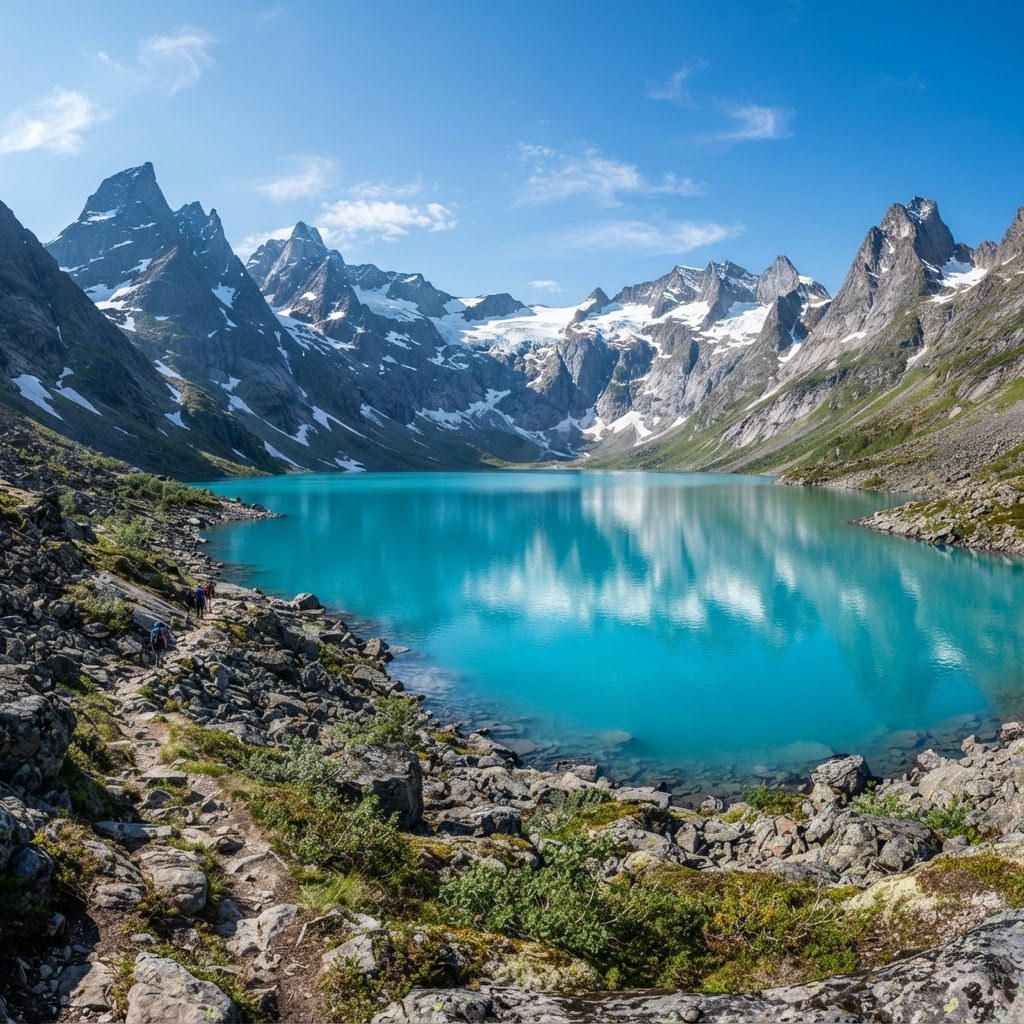
What makes Blåvatnet so uniquely blue? The answer lies in the glacial process. As glaciers grind down the mountains, they produce a fine sediment known as glacial flour. This silt is carried by meltwater into the lake, where the suspended particles scatter incoming sunlight. This process favors the blue end of the visible light spectrum, resulting in the brilliant, neon-like turquoise color that makes the lake famous.
Understanding the fragility of this ecosystem is the first step in planning your journey. The lake is fed by meltwater, meaning its color intensity can shift depending on the temperature and time of year. Mid-summer, when the glacier is at its most active, often yields the most vibrant hues of azure, reflecting the surrounding mountain peaks with mirror-like clarity.
Why the Lyngen Alps are Unique
Located near Tromsø, the Lyngen Alps are a playground for mountaineers. Unlike the softer, rolling landscapes found elsewhere in Norway, this region is defined by steep, vertical cliffs and deep, narrow fjords. Blåvatnet sits as the crown jewel in this harsh yet beautiful landscape, offering a rare opportunity to witness arctic wilderness in its most raw form.
Planning Your Hike to the Blue Lake
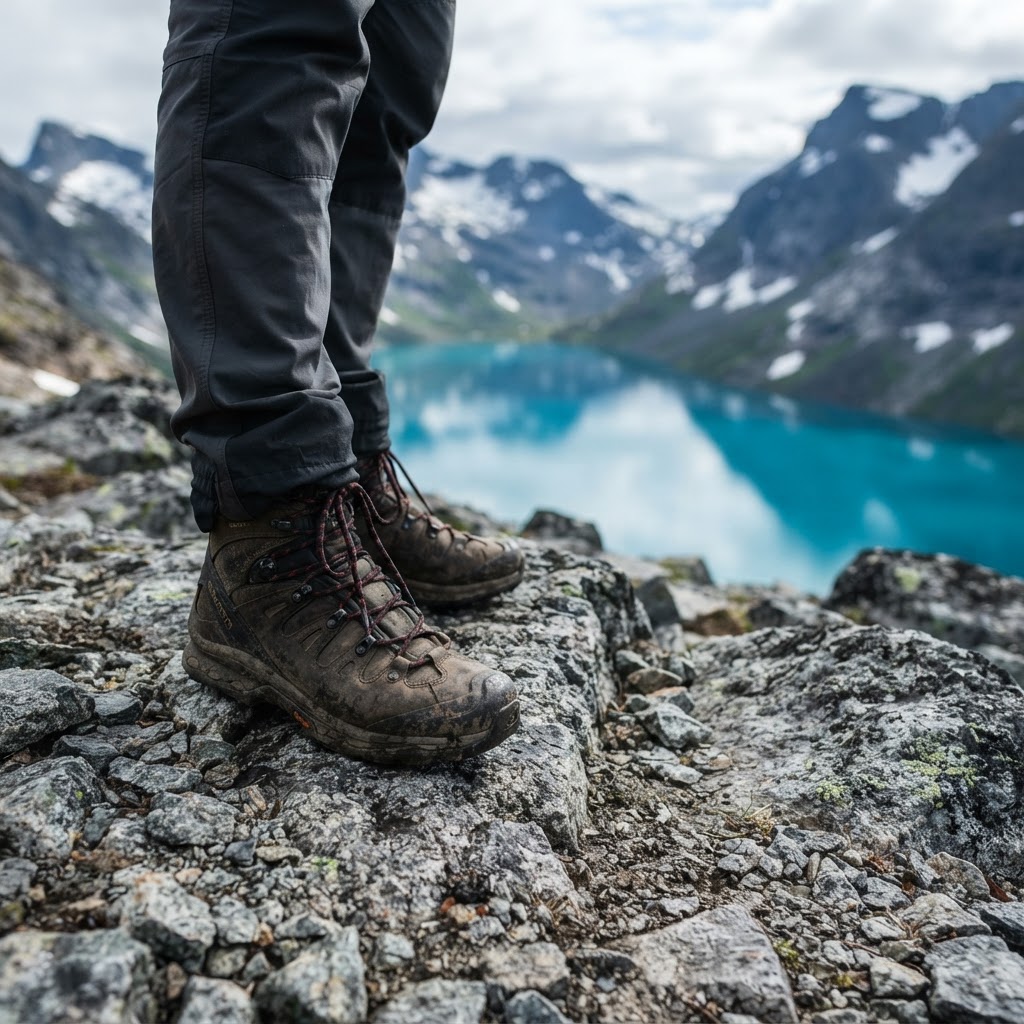
Reaching Blåvatnet is a manageable adventure for those with moderate fitness, but it should not be underestimated. The hike is roughly 4 to 5 kilometers one way from the trailhead near Sør-Lenangsbotn. While the elevation gain is relatively gentle compared to other nearby peaks, the terrain is dominated by large, loose boulders.
| Difficulty | Distance | Estimated Time | Terrain Type |
| :— | :— | :— | :— |
| Moderate | 8-10 km (round trip) | 4-6 hours | Rocky/Boulders |
The trail begins with a stroll through birch forests before transitioning into a lunar-like landscape of rocks and scree. Because the path is largely marked by stone cairns, hikers must stay alert. It is essential to wear sturdy, ankle-supporting hiking boots to navigate the uneven terrain comfortably.
Essential Gear for Arctic Conditions
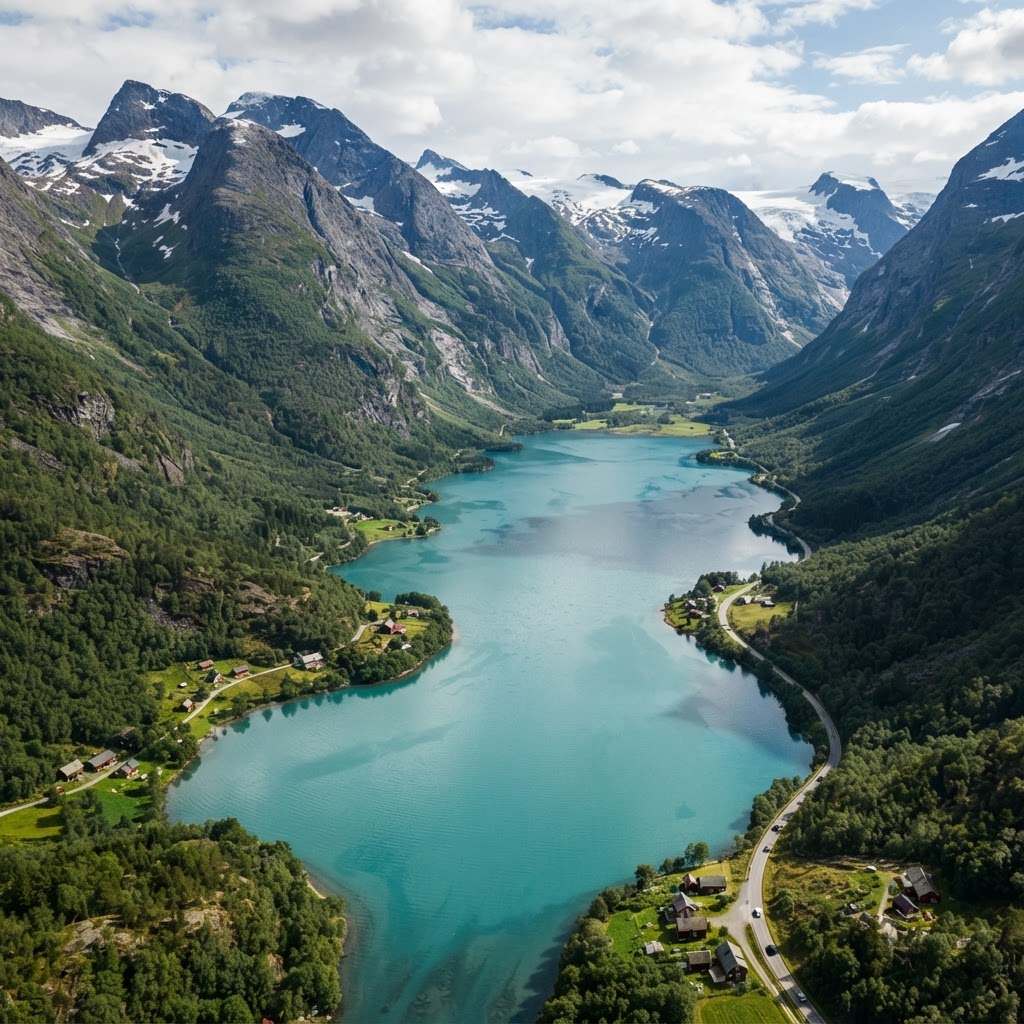
Even in the height of summer, the weather in the Lyngen Alps can change in a matter of minutes. Preparation is the difference between a memorable day and an uncomfortable ordeal. The principle of layering is crucial here, as your body temperature will fluctuate based on exertion levels and sudden gusts of wind.
The Layering System
- Base Layer: Merino wool or synthetic moisture-wicking material.
- Mid Layer: A fleece or down jacket for warmth during breaks.
- Outer Shell: A high-quality, windproof, and waterproof jacket.
Don’t forget to pack a pair of polarized sunglasses. The glare from the bright blue water and the surrounding snow can be intense, and polarized lenses will help you see beneath the surface of the water, revealing the true depth and texture of the lake bed. A small daypack with snacks, water, and a first-aid kit is mandatory for any serious trekker.
When is the Best Time to Visit?
Timing your visit to Blåvatnet is essential to experience it at its peak. The ideal window spans from late June through late August. During this period, the snow on the trail is mostly melted, and the glacier meltwater is actively feeding the lake with that iconic turquoise silt.
Midnight Sun vs. Autumn Colors
If you visit in June or July, you will be treated to the Midnight Sun, allowing for a hike late in the evening without the need for a headlamp. However, if you prefer the dramatic colors of the Arctic tundra, visit in late August. You might even catch a glimpse of the early Northern Lights if you decide to camp nearby, though nights will be significantly colder.
Important Safety and Environmental Guidelines
The Arctic environment is incredibly sensitive. The mosses and alpine vegetation grow slowly and can be easily damaged by trampling. Always stay on the marked path and avoid walking on unstable snow patches that may hide deep cavities.
Tread Lightly
- Pack out everything you pack in; do not leave trash behind.
- Do not disturb local wildlife, including grazing reindeer.
- Be mindful of the weather reports from Tromsø; if a storm is predicted, skip the hike.
Water safety is another concern. The water in Blåvatnet is glacial melt and is extremely cold. Swimming is generally discouraged due to the risk of cold-water shock. If you do intend to take a dip, be brief and ensure you have dry clothes ready immediately after you exit.
Beyond Blåvatnet: Exploring the Lyngen Region
Since you are already in the Lyngen Alps, why not extend your stay? The region offers endless possibilities, from kayaking through the surrounding fjords to exploring the historic coastal villages. Tromsø, the ‘Gateway to the Arctic,’ is only a short drive and ferry ride away, offering excellent restaurants and cultural sites to cap off your trip.
If you have time, consider guided glacier trekking nearby. Seeing the source of Blåvatnet’s blue water up close adds a layer of depth to your understanding of the landscape. Engaging with a local guide is the best way to learn about the history, geology, and folklore of the region.
Conclusion
Blåvatnet is more than just a beautiful sight; it is a testament to the power of nature and the beauty of Northern Norway. By planning ahead, respecting the environment, and arriving with the right gear, you can experience one of the most stunning glacial lakes on the planet. Whether you are an avid hiker or a photographer looking for the perfect shot, this hidden blue lake will leave a lasting impression.
Are you ready to plan your trip to Norway? Start by researching local mountain guides in the Lyngen area to ensure your adventure is both safe and unforgettable. Pack your bags, lace up your boots, and prepare to be mesmerized by the blue heart of the Lyngen Alps.
Leave a Reply