
Stepping into the historic district of Bryggen in Bergen, Norway, feels like being transported back several centuries into a vibrant maritime past. The iconic colorful houses of Bryggen, with their distinct gabled facades painted in ochre, rustic red, and white, stand as a testament to the city’s enduring legacy as a major hub of trade and culture. This UNESCO World Heritage site is more than just a picturesque backdrop; it is a living history book that whispers stories of the Hanseatic League and the brave merchants who braved the North Sea to define the identity of Western Norway. Whether you are a photography enthusiast, a history buff, or a casual traveler exploring the fjord regions, the wooden structures of this wharf are an essential stop on your Norwegian itinerary.
The Rich History of the Hanseatic Wharf
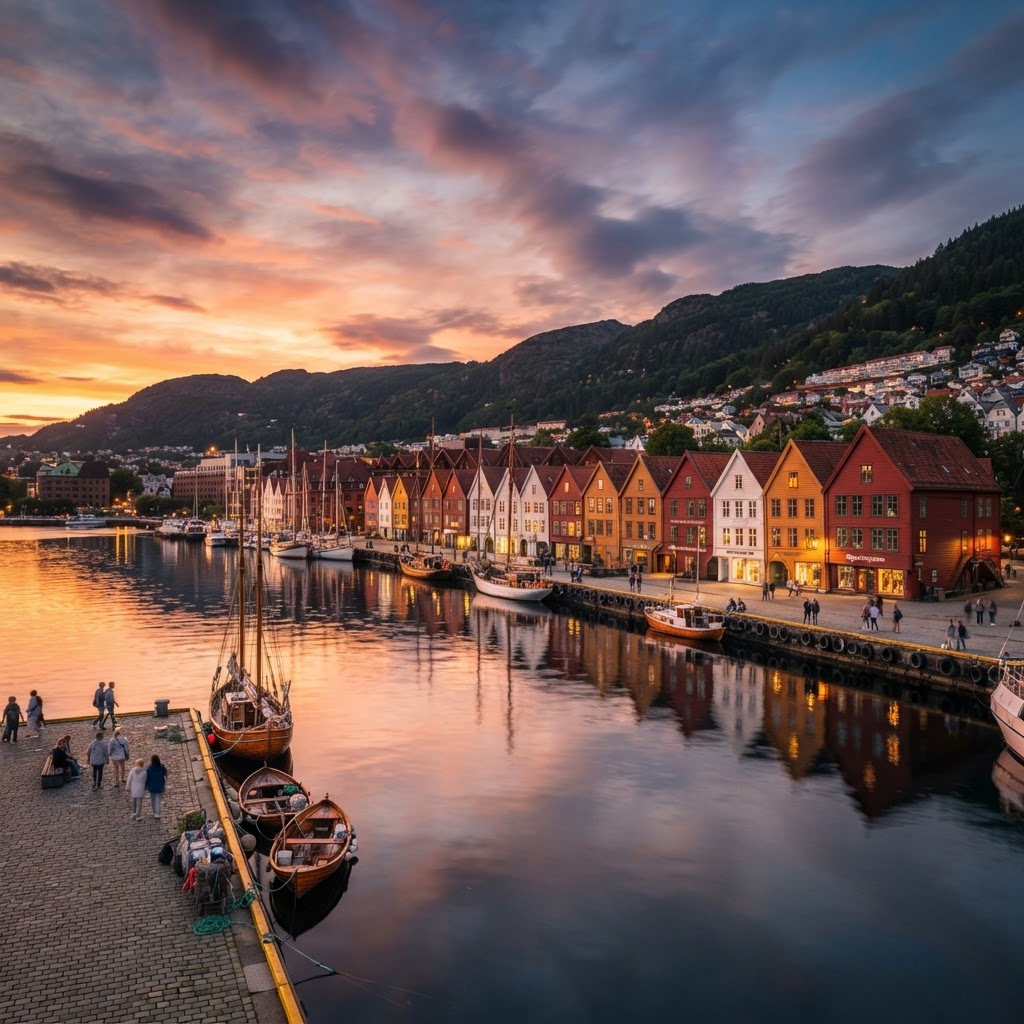
To truly appreciate the architecture of the colorful houses of Bryggen, one must understand their origin. The district was established as a merchant center in the 12th century, serving as a critical point for the stockfish trade that connected Northern Norway to the rest of Europe. By the 14th century, the German Hanseatic League had established a permanent office here, dominating the economy and leaving an indelible cultural mark on the region.
[![[4K] Bergen Travel Guide: A Tour of Bryggen, Bergenhus …](https://img.youtube.com/vi/JeABEqC5pnM/hqdefault.jpg)](https://www.youtube.com/watch?v=JeABEqC5pnM)
Life in Bryggen was grueling and dangerous, defined by cramped living quarters and wooden buildings that were highly susceptible to the frequent fires that plagued Bergen’s history. Despite being burned down and rebuilt numerous times—most notably after the Great Fire of 1702—the houses were always reconstructed using traditional techniques and materials. This persistence has allowed the essence of the Middle Ages to survive into the modern era, creating a unique urban landscape that bridges the gap between ancient maritime life and contemporary Norwegian society.
Understanding the Iconic Architecture
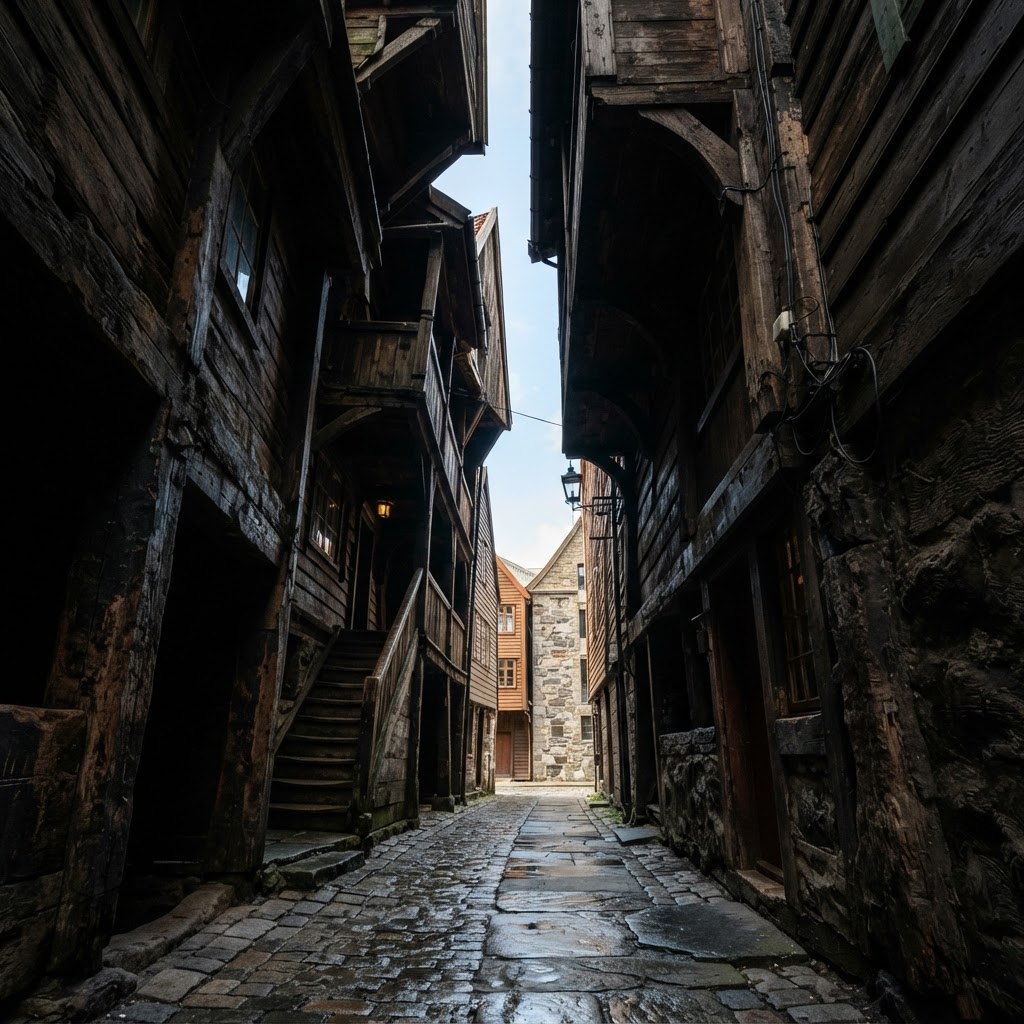
The architecture found within the wharf is remarkably distinct from other medieval European structures. Each building is characterized by a narrow, steep-gabled facade facing the water, leading into long, dark, and narrow alleyways that stretch deep into the harbor side. This design was intentional, maximizing the utility of the limited waterfront space for storage and trade logistics.
Construction Materials and Techniques
The construction relies almost exclusively on timber. You will notice that the foundations are built on solid ground, while the upper structures rely on interlocking wood joints that demonstrate the master craftsmanship of early shipbuilders. The use of natural materials also dictates the color palette; historically, the pigments were derived from natural minerals found in the region, including earth reds, yellow ochres, and coal blacks, which protected the wood against the harsh salt air of the North Sea.
Preservation Efforts
Preserving these structures is a monumental task that requires constant vigilance. The wood must be treated against rot and pests, and the structural integrity is monitored by experts who ensure that these wooden buildings survive for future generations. The preservation is so rigorous that modern visitors can safely walk through the creaking, uneven floorboards of the original merchant stalls, feeling the vibrations of a site that has stood firm for over 900 years.
Exploring the Narrow Passageways
While the colorful facade facing the harbor is what attracts the cameras, the true magic of the colorful houses of Bryggen lies within the hidden network of narrow passageways. Stepping away from the main thoroughfare, visitors are pulled into a labyrinth of corridors that reveal the hidden side of the district. Here, the air feels cooler, and the atmosphere shifts into something more mysterious and intimate.
As you walk deeper into these dark, wooden passages, you will find small, independent workshops, artisan galleries, and cozy nooks. Local artists often occupy these spaces, selling handmade woolen sweaters, intricate jewelry, and traditional crafts that embody Norwegian heritage. Taking the time to explore these side alleys is the most effective way to escape the crowds and find a deeper connection to the location’s storied past.
Must-Visit Attractions Within the District
Beyond just admiring the aesthetic beauty, there are several specific places within the wharf area that you should prioritize during your visit. These sites provide context to the visual display and help frame your understanding of the area.
The Hanseatic Museum
Located just a short walk from the main row of houses, the Hanseatic Museum is a necessity for anyone wanting to understand the merchant lifestyle. The museum is housed in one of the original buildings and maintains an authentic 18th-century interior. You can see the sleeping bunks of the young apprentices and the merchant desks where trade deals were signed, providing a raw look at the living conditions of the time.
The Bryggens Museum
If you want to view the archaeological findings from the area, the Bryggens Museum is the place to be. It houses a vast collection of artifacts, including runes, ceramics, and medieval tools excavated from the site itself. The museum was built over the actual remains of the oldest medieval settlements discovered in the area, allowing you to walk on top of the original earth and ruins.
Photography Tips for Capturing the Beauty
Capturing the perfect shot of the colorful houses of Bryggen requires more than just a wide-angle lens. The lighting in Bergen is notoriously unpredictable, shifting from dramatic shadows to soft, diffuse light within a matter of minutes. To get the best results, aim to photograph the wharf during the ‘golden hour’—the period shortly after sunrise or just before sunset—when the sunlight hits the wood from a side angle, accentuating the unique texture of the historic logs.
| Time of Day | Lighting Effect | Best Setting |
| :— | :— | :— |
| Early Morning | Soft, Blue Hour | Tripod required |
| Golden Hour | Warm, Side-light | Aperture f/8 |
| Mid-Day | Harsh, High contrast | Use a polarizer |
| Rainy Day | Moody, Saturated | High ISO, fast shutter |
Don’t be discouraged by the rain, which is a frequent visitor in Bergen. In fact, wet pavement creates stunning reflections of the colorful walls, adding a level of depth and artistic contrast that you simply cannot get on a sunny day. Embrace the ‘Bergen weather’ to capture the true, authentic mood of this coastal city.
Sustainable Tourism and Responsible Visiting
As a UNESCO World Heritage site, the district is extremely sensitive to human impact. Millions of visitors flock to the colorful houses of Bryggen every year, placing significant pressure on the aging structures. To ensure these buildings remain for another millennium, it is important to be a respectful traveler.
Stick to the marked pathways and respect signs that designate private areas. When buying souvenirs, look for authentic, locally-produced items rather than cheap, mass-produced imports. By supporting local artisans who maintain studios within the wharf, you are directly contributing to the preservation of the traditional crafts that kept this community alive for centuries.
Conclusion
Visiting the colorful houses of Bryggen is an unparalleled experience that blends architectural marvel with deep historical resonance. From the salt-weathered logs to the narrow, echoing alleyways, the district serves as a profound reminder of Bergen’s identity as a gate to the fjords and a historic capital of trade. Whether you spend your time wandering the labyrinthine passages or admiring the view from the harbor, you will undoubtedly leave with a renewed appreciation for the endurance of human history.
Are you ready to walk through history? Start planning your trip to Bergen today and make sure that a stroll through these historic wooden buildings is at the top of your travel bucket list. Discover the magic of Norway’s coastal culture for yourself and leave a comment below about your favorite memory of this iconic landmark!
Leave a Reply