
Iconic London Landmarks Ranked: A Traveler’s Guide
The most iconic London landmarks that define the capital include the Tower of London, Tower Bridge, Westminster Abbey, Big Ben, the British Museum, St. Paul’s Cathedral, and the London Eye. These historic and architectural sites represent the pinnacle of London’s royal heritage, engineering prowess, and cultural evolution over the last millennium.
1. Tower Bridge: The Engineering Marvel
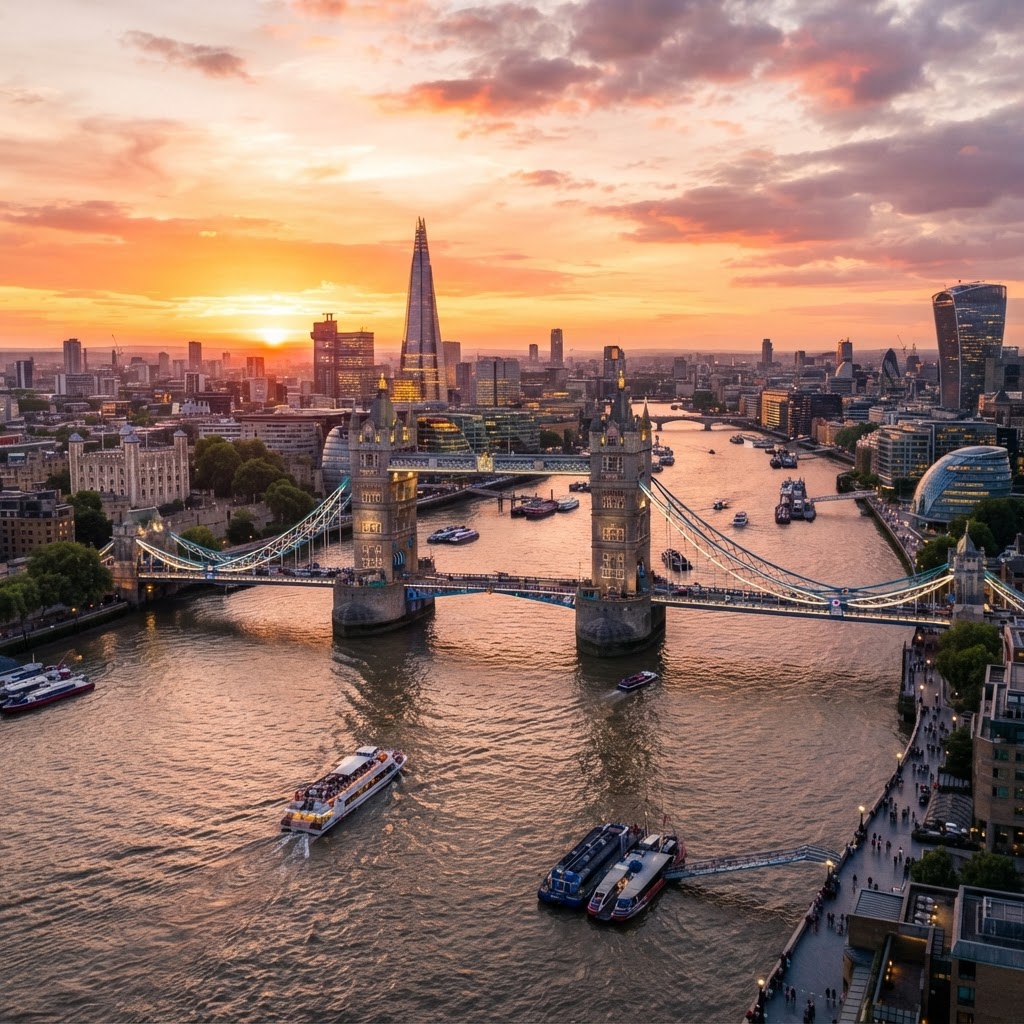
Tower Bridge stands as the undisputed champion among iconic London landmarks due to its unique Victorian Gothic style and innovative bascule lifting mechanism. Completed in 1894, this suspension and bascule bridge is frequently mistaken for London Bridge, yet it remains superior in aesthetic impact and historical utility. Visitors today can traverse the high-level glass walkways, suspended 42 meters above the River Thames, which offer a thrilling and unobstructed perspective of the waterway below. Unlike static structures, the bridge remains a working piece of machinery, having lifted its massive bascules over 800 times annually to accommodate tall river traffic. Beyond its exterior charm, the engine rooms house the original hydraulic pumping machinery, providing a tangible connection to 19th-century industrial ingenuity. It is widely considered the most recognizable image associated with the city, making it a non-negotiable stop for any serious London sightseeing itinerary. For the best experience, visit during the bridge lift times, which are posted daily on the official City Bridge Foundation website to ensure you witness the structure in action. The combination of historical engineering and modern viewing platforms cements its top-tier status for travelers seeking the quintessential London experience.
Why Tower Bridge Ranks First
Beyond its visual charm, the history embedded within its stone towers is captivating. The engine rooms, which once powered the lifting mechanism, are now part of an engaging exhibition. It is arguably the most recognizable image associated with the city, making it a non-negotiable stop for any London sightseeing guide.
2. The Tower of London
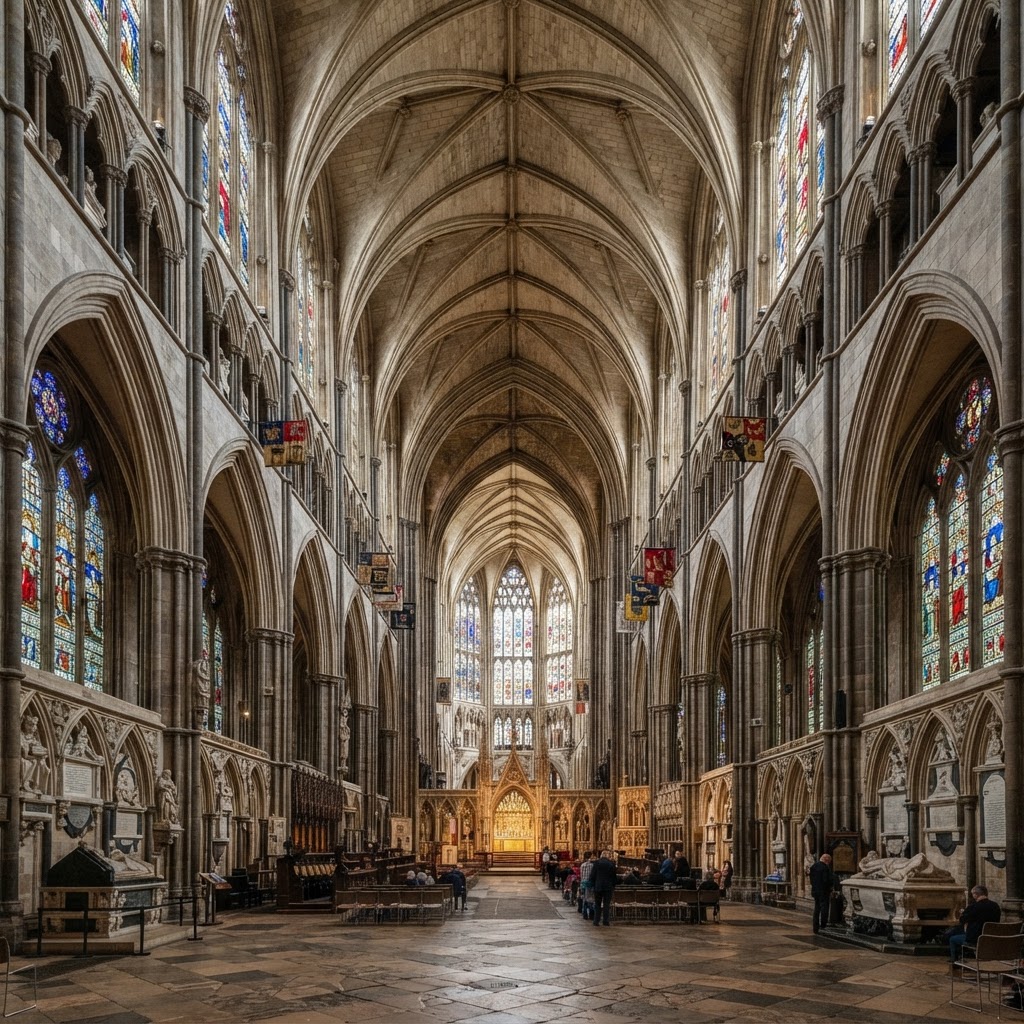
The Tower of London serves as the most important historical fortress in England, having functioned as a royal palace, high-security prison, and royal armory for nearly 1,000 years. Founded by William the Conqueror in 1066, this UNESCO World Heritage site houses the priceless Crown Jewels, an extensive collection of 23,578 gemstones that remain in active use for royal ceremonies today. Visitors can take guided tours led by the Yeoman Warders—the famous Beefeaters—who provide authentic storytelling regarding the site’s dark history of royal executions and political intrigue. Walking through the White Tower, which dates back to 1078, allows travelers to touch the very Norman stone walls that once held notorious figures like Anne Boleyn and Guy Fawkes captive. The site is not merely a museum but a testament to British state power, featuring the Line of Kings exhibition in the Royal Armouries. Because of its popularity, visitors are advised to allocate at least 3-4 hours to explore the complex, including the Chapel Royal of St. Peter ad Vincula and the legendary ravens of the Tower. Tickets start at approximately £33.60 for adults, and advance online booking is strictly recommended to bypass massive daily queues at the entrance gate.
3. Westminster Abbey and Big Ben
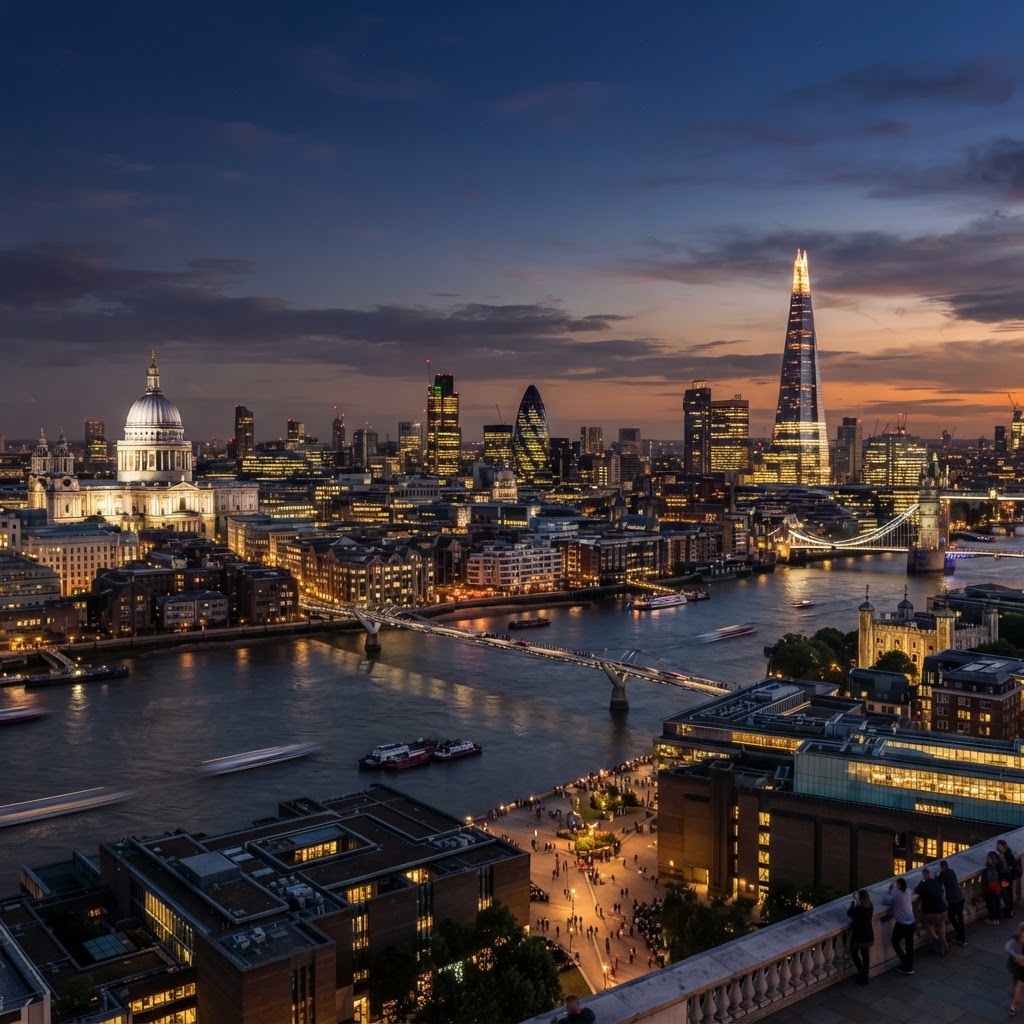
Westminster Abbey and the nearby Elizabeth Tower, commonly known as Big Ben, constitute the political and spiritual heart of London. Westminster Abbey is a masterpiece of Gothic architecture that has served as the setting for every royal coronation since 1066 and is the final resting place of 17 monarchs and various national icons like Isaac Newton. Just steps away, the Elizabeth Tower rises 96 meters into the sky, housing the Great Bell, which weighs over 13 tons and marks the passage of time with the world’s most famous chime. The intricate carvings of the Palace of Westminster, which houses the UK Parliament, are best viewed from the opposite bank of the river, specifically the Queen’s Walk, where the stone glows gold during sunset.
To make the most of your visit, consider these essential London travel tips for the Westminster area:
- Arrive early in the morning to avoid the largest crowds at the Abbey.
- Book your tickets online at least two weeks in advance.
- Wear comfortable walking shoes, as the area is best explored on foot.
- Check the parliamentary schedule if you wish to tour the inside of the Houses of Parliament.
4. The British Museum
As one of the world’s most extensive collections of human history and culture, the British Museum houses over 8 million works, making it a critical stop for global history enthusiasts. The museum’s collection tracks the story of human achievement from two million years ago to the present, featuring world-famous artifacts such as the Rosetta Stone, the Elgin Marbles, and the colossal bust of Ramesses II. Because the collection is so vast and spread across 90 galleries, we recommend focusing on three key areas—the Ancient Egypt wing, the Enlightenment Gallery, and the Parthenon Sculptures—to prevent “museum fatigue.” Entry to the permanent collection is free, though visitors must book a timed entry slot online to guarantee admission. For a deeper experience, consider downloading the museum’s free audio guide app, which provides expert commentary on the most significant artifacts. The Great Court, with its massive glass and steel roof, serves as the perfect meeting point and starting location for your tour. The museum’s reach is truly global, illustrating the complex history of the British Empire’s expansion and its subsequent acquisition of cultural treasures from every continent on Earth.
5. St. Paul’s Cathedral
St. Paul’s Cathedral dominates the London skyline with its massive dome, a testament to the resilience and vision of architect Sir Christopher Wren. Following the devastating Great Fire of 1666, which destroyed the previous medieval structure, the current cathedral was completed in 1710 and has since survived the aerial bombardment of the Blitz, standing as a focal point for national celebrations and funerals. The interior features the Whispering Gallery, where an acoustic phenomenon allows a whisper to be heard clearly on the opposite side of the dome, nearly 30 meters away. Climbing the 528 steps to the Golden Gallery at the very top of the dome provides one of the best 360-degree panoramic views of the city, rewarding those willing to make the ascent with a perspective that bridges the gap between the historic City of London and the modern glass skyscrapers of the financial district. St. Paul’s remains a working church, so tourists are encouraged to be respectful of ongoing services. The crypt, where national heroes like Lord Nelson and the Duke of Wellington are buried, provides a somber and profound end to your visit, reminding guests of the cathedral’s deep importance to British national identity.
6. The London Eye
The London Eye has transformed from a temporary millennium project into a permanent, essential fixture of the London skyline, offering the most accessible aerial vantage point for visitors. Standing 135 meters tall, this cantilevered observation wheel completes a single rotation in approximately 30 minutes, allowing passengers to identify iconic landmarks like Buckingham Palace, St. Paul’s Cathedral, and the Houses of Parliament from a unique bird’s-eye view. On a clear day, visibility extends up to 25 miles, occasionally reaching as far as Windsor Castle. This experience is particularly popular with families and couples, especially during the twilight hours when the city begins to illuminate. While some might argue it is a modern addition, the sheer utility of the vantage point makes it an efficient way to orient yourself within the massive city layout. Visitors should note that tickets fluctuate based on demand and whether you choose the “Fast Track” option, which is highly recommended during peak holiday seasons. The structure remains a triumph of modern engineering, utilizing 32 glass capsules that represent the 32 boroughs of London, each providing a smooth, rotating experience that serves as a perfect capstone for a busy day of sightseeing.
FAQ
Q: What is the best way to travel between these landmarks?
The best way to travel between these landmarks is by using the London Underground (the “Tube”) or the iconic red double-decker buses. Most of these sites are clustered in Central London, making them easily accessible via a short walk or a single-stop journey on the District or Circle lines.
Q: Do I need to book tickets for London landmarks in advance?
Yes, you should book tickets for all major London landmarks at least two to four weeks in advance to secure your preferred time slots. Popular sites like the Tower of London and Westminster Abbey frequently sell out, especially during weekend periods and the summer tourist season.
Q: Is there a cost-effective way to see these sites?
The most cost-effective way to visit is by using the London Pass or the Go City Explorer Pass, which bundles admission fees for major attractions. Additionally, many of London’s top institutions, including the British Museum, remain completely free to enter, though temporary exhibitions may require a paid ticket.
Q: Which landmarks are best for photography?
Tower Bridge and the South Bank provide the best photography opportunities, particularly during “golden hour” just before sunset. The view of the Palace of Westminster from the opposite side of the Thames is widely considered the most iconic photo spot in the entire city.
Leave a Reply