
Italian lake villages offer a serene escape from modern tourism, characterized by glacial landscapes, historic lakeside architecture, and authentic culinary traditions. These destinations, primarily in the northern regions of Lombardy and Veneto, provide a slower pace of life where travel revolves around scenic hiking, local artisan culture, and quiet alpine vistas.
The Allure of the Alpine Lakes
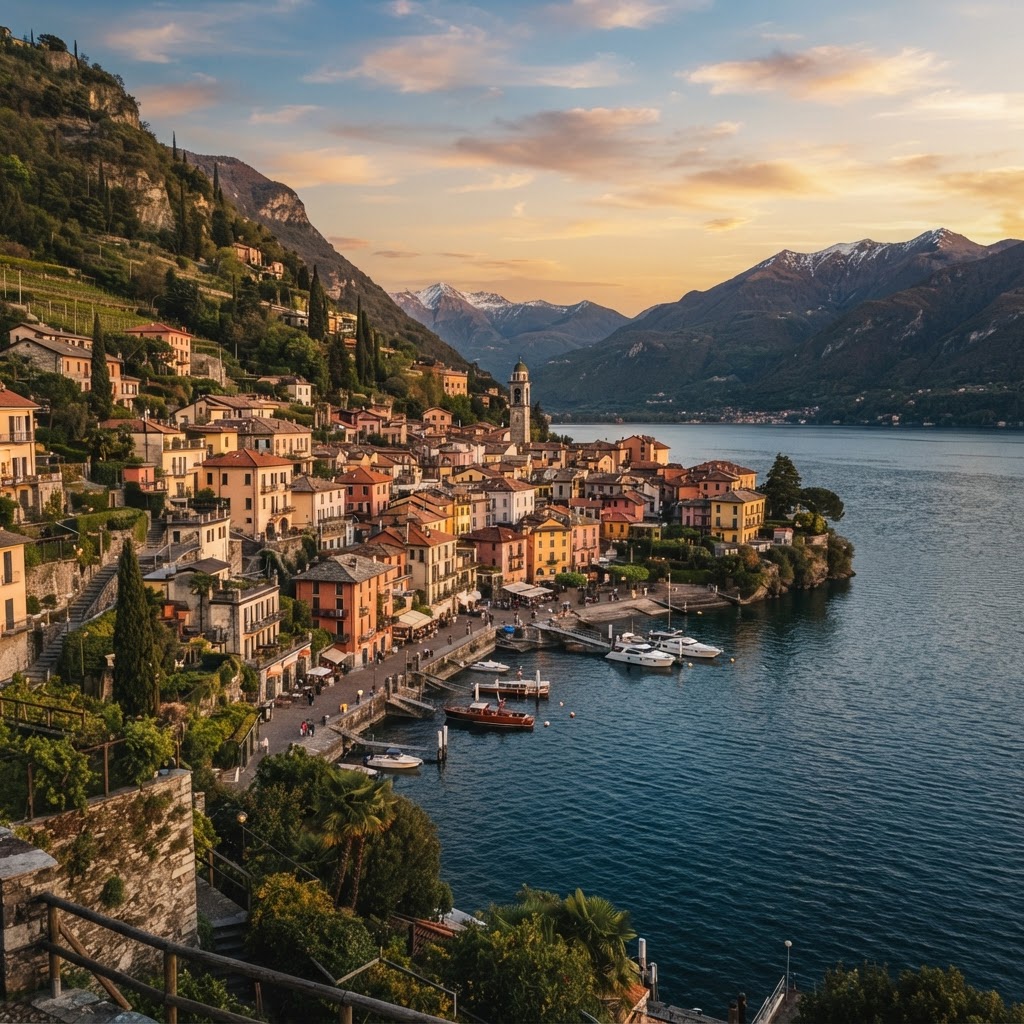
Italy’s northern lake region is defined by its geological grandeur, where glacial activity carved deep valleys that filled with water over millennia to create a unique microclimate. This temperate environment supports Mediterranean flora like lemon trees, oleanders, and cypresses, despite the proximity to snowy Alpine summits. The juxtaposition of jagged peaks and lush vegetation is a key draw for travelers seeking a natural sanctuary. These villages are not merely scenic; they represent a distinct bio-region where the humidity of the lakes offsets the harshness of the mountain air, creating a year-round haven. The geological formation has protected these pockets from mass development, ensuring the quiet charm of Italian lake villages remains preserved for those willing to venture beyond major cities like Milan or Venice. Visitors can expect daily temperatures in the shoulder months of May and September to hover between 18°C and 24°C, providing the perfect climate for outdoor exploration without the intensity of peak summer heat.
The Historical Significance of Lakeside Living
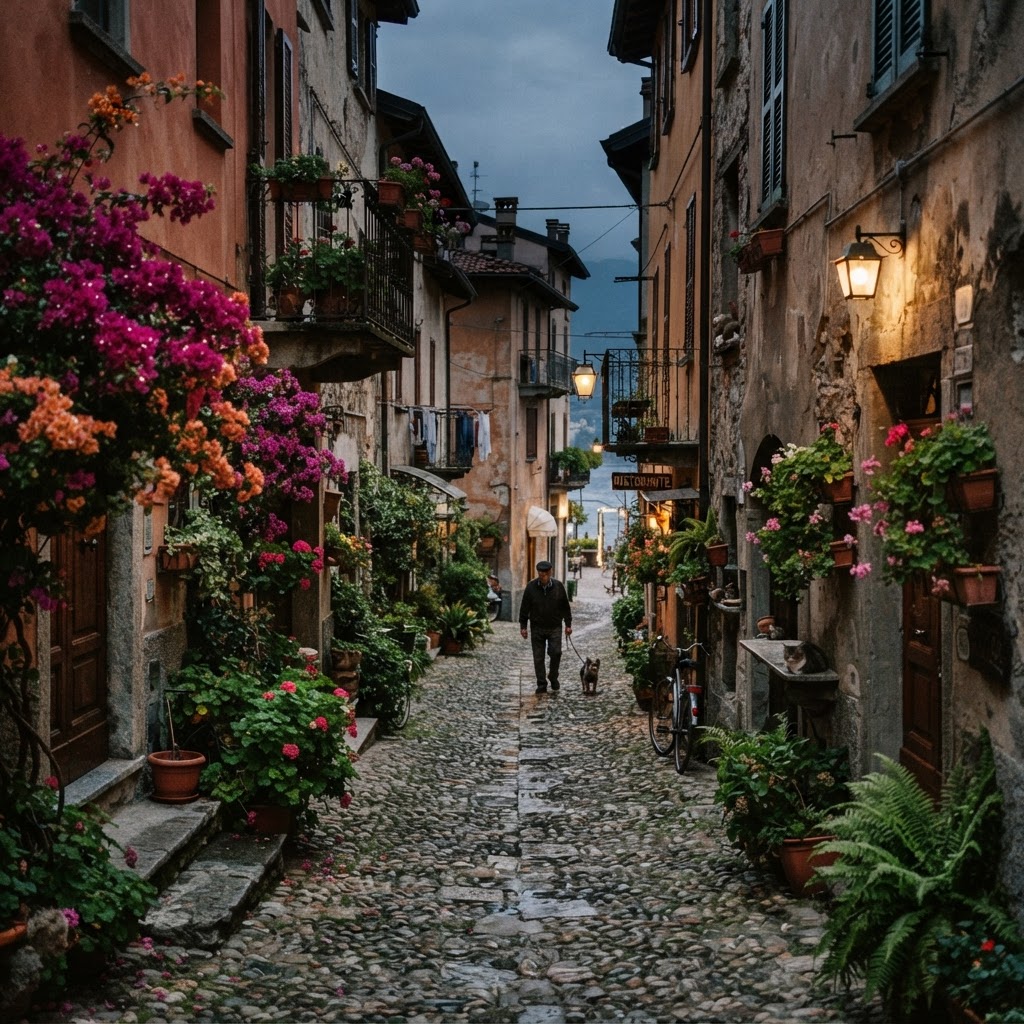
For centuries, these villages served as vital trade routes and exclusive retreats for the Italian aristocracy, leaving behind a rich architectural legacy. Grand 18th-century villas with neoclassical facades sit alongside humble stone cottages, documenting a clear social hierarchy of the past. Travelers today are navigating layers of cultural evolution that span from Roman leisure resorts to Renaissance summer estates. Many of these historic structures are now preserved under strict Italian heritage laws, ensuring that the visual character of the villages remains consistent with their 19th-century aesthetic. For instance, the transition from simple fishing villages to aristocratic playgrounds began in earnest around 1850, when the completion of the railway connected the lakes to the industrial wealth of Northern Italy. This history is still visible in the intricate ‘ballatoio’ balconies and the stone-paved ‘calli’ that define the village layouts.
Lake Como: Beyond the Famous Villas
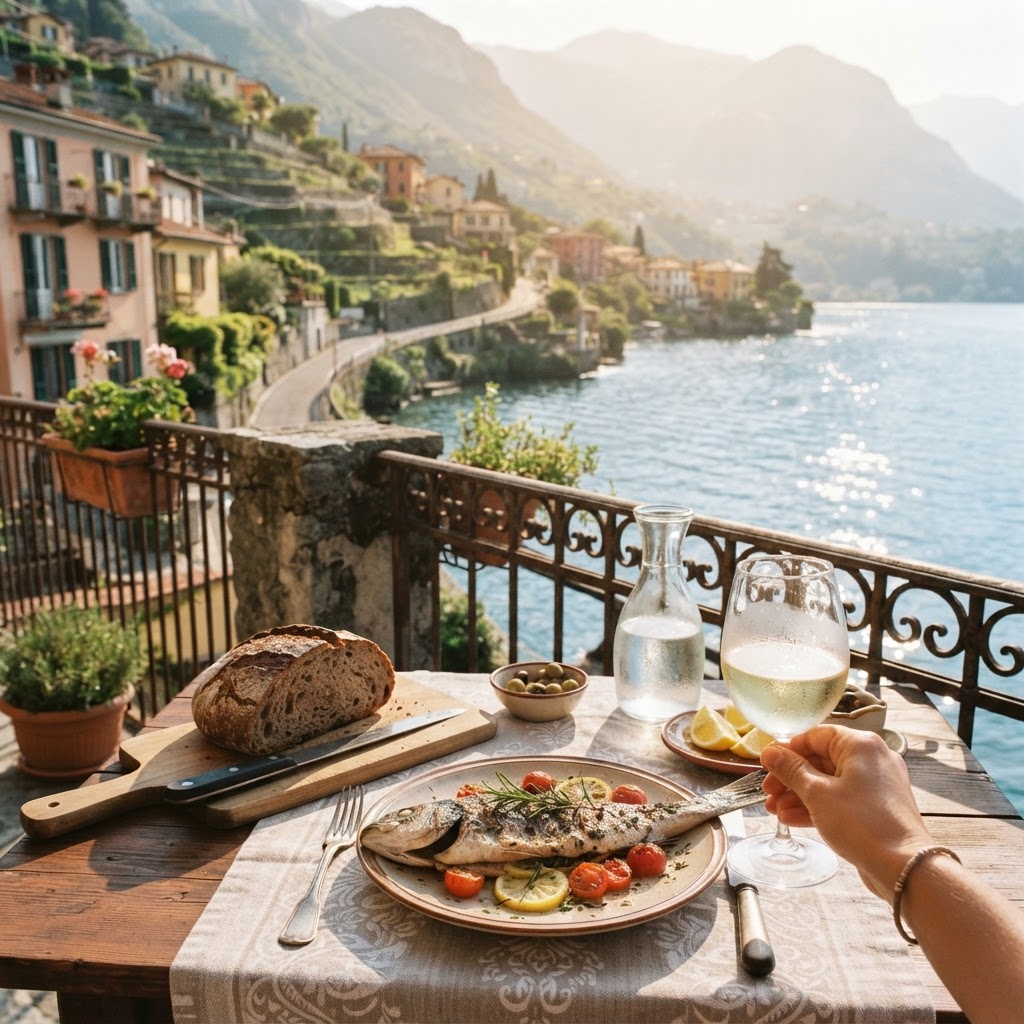
Lake Como is arguably the most famous of the group, yet its true essence is found away from the celebrity-favored hubs like Bellagio. Villages like Nesso, located roughly 15 kilometers from Como city, feature a dramatic gorge and the Orrido di Nesso waterfall, offering a glimpse into a quieter, more authentic way of life. Exploring these nooks allows visitors to understand why the quiet charm of Italian lake villages has inspired poets like Shelley and Byron. For a truly peaceful experience, travelers should focus on the western branch of the lake, known as the ‘Ramo di Lecco’, which sees significantly less tourist foot traffic than the central Tremezzina area. Boutique hotels in towns like Varenna or Lezzeno serve as ideal base camps. Hiking trails such as the ‘Sentiero del Viandante’ offer panoramic vistas, with segments accessible to casual walkers, allowing you to bypass the crowded ferries and experience the lake at eye level. By avoiding the 10:00 AM to 4:00 PM peak ferry times, visitors can navigate the lake with local commuters and seasonal residents, providing a much more genuine sense of local rhythm.
Where to Stay in Quiet Corners
For the discerning traveler, choosing the right base is essential to maintaining a peaceful experience. Look for family-run ‘alberghi’ in villages like Varenna or those tucked into the slopes of Lezzeno, which offer proximity to hiking trails without the heavy commercialization found in larger transit hubs. These locations act as perfect jumping-off points for high-altitude viewpoints that remain largely untouched. Prices for high-quality boutique accommodations in these quieter corners typically range from €150 to €300 per night, whereas celebrity-focused properties often exceed €800. Staying in these smaller towns also allows for easier access to local ferry terminals, which are less congested than the central hubs. By choosing a smaller base, you not only enjoy lower noise levels but also contribute directly to the local village economy, helping maintain the historic infrastructure that makes these areas so uniquely appealing.
The Hidden Gems of Lake Garda
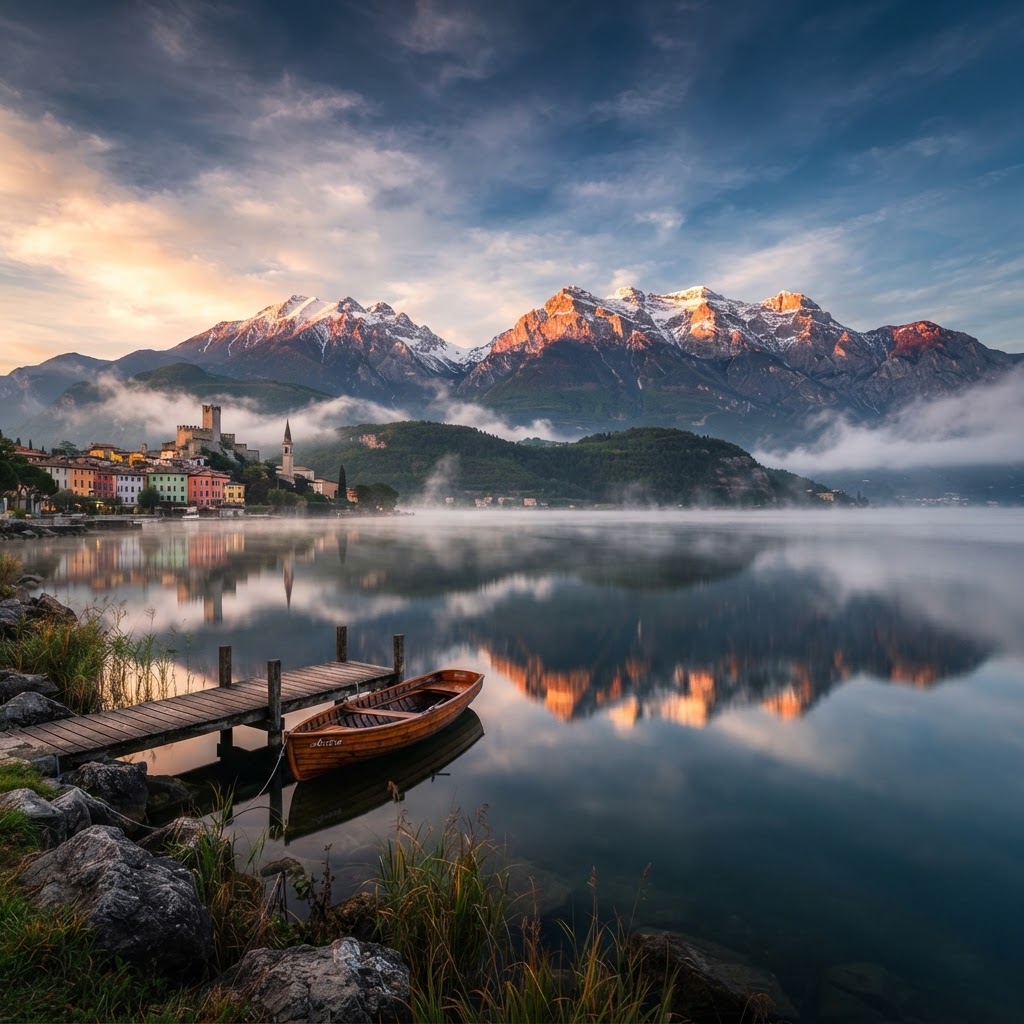
Lake Garda, Italy’s largest lake, presents a different personality compared to its more refined neighbor, Como, with a mix of vibrant ruggedness and Mediterranean calm. The southern end features flat, fertile landscapes covered in vineyards and olive groves, while the north is defined by steep, limestone cliffs that rise over 1,500 meters, making it a hotspot for rock climbing and windsurfing. This diversity means that travelers can experience two distinct climates within a single day. While Sirmione attracts large crowds, the northern villages like Limone sul Garda and the plateau town of Tremosine remain more focused on traditional lifestyle. Tremosine, in particular, is elevated on a cliffside, offering views of the lake that are widely considered the most spectacular in the region. Visitors should allocate at least three days to fully appreciate the shift from the southern vineyards to the dramatic mountain terrain of the north, as the road networks along the western shore offer some of the most scenic driving in Northern Italy.
Towns That Time Forgot
If you journey away from the major hubs like Sirmione, you will find villages that retain an authentic, sleepy atmosphere. Limone sul Garda, despite its growing popularity, still maintains a stunning hillside presence with its iconic terraced lemon houses, or ‘limonaie’, which date back to the 17th century. These structures were once the economic backbone of the region and are now being restored to showcase the traditional methods of cold-climate citrus cultivation. Further inland, the villages of Tremosine offer terrifyingly beautiful views from a plateau suspended high above the lake, providing a serene escape from the water-level hustle. These areas are ideal for those who prefer slow travel, as they require navigating winding, historic roads that limit the influx of large tour buses. Engaging with locals in these upland villages often reveals centuries-old traditions, such as the production of unique Garda DOP olive oil, which is significantly lighter and more delicate than southern Italian varieties.
Culinary Traditions of the Lakeside
Food in the lake district is a unique departure from the heavy pasta-based dishes of southern Italy, focusing instead on a bridge between mountain agriculture and freshwater fishing. Freshwater fish, such as perch (persico), trout (trota), and pike (luccio), are the staples of local menus, usually sourced directly from the lake each morning. These are often served with polenta, a reflection of the northern Italian heritage that values comfort and warmth. A hallmark of this cuisine is the ‘Risotto col Pesce di Lago’, a delicate dish that highlights the freshness of the catch, often finished with a touch of locally pressed olive oil. Pair this with a crisp, sparkling white wine from the nearby Franciacorta region to cut through the richness. Many family-run osterias have menus that have remained virtually unchanged for fifty years, proving that the local palate remains deeply committed to these seasonal, terroir-driven ingredients rather than modern food fads.
Authentic Local Specialties
When visiting, don’t miss the chance to experience the specific delicacies of each lake area. In the Garda region, the ‘Carne Salada’, a thinly sliced, cured beef, is a must-try appetizer. In the Como region, look for ‘Missultin’, which are sun-dried, salted agoni fish—a tradition practiced by local fishermen for generations. These specialties are rarely found outside the immediate lake vicinity, making them a true marker of an authentic trip. When dining at family-run establishments, expect to pay between €35 and €50 for a full traditional meal including wine. These osterias are the heart of the village social scene, and visiting them supports the survival of recipes that have been passed down for centuries. It is recommended to make reservations a day in advance, as these popular local spots often have limited seating and prioritize serving fresh, daily-caught ingredients over mass-volume service.
Best Practices for Sustainable Exploration
Because these villages are often small and geographically constrained, they are particularly sensitive to over-tourism. To preserve the quiet charm of Italian lake villages, visitors should strive to be conscious travelers, particularly by avoiding the peak months of July and August. The shoulder months of May, June, September, and October provide optimal weather and fewer crowds. By visiting during these windows, you help distribute tourism revenue more evenly throughout the year, which is crucial for the survival of local businesses that struggle during the winter off-season. Additionally, using the public Navigazione Laghi ferry system instead of private boat rentals reduces water traffic congestion and lowers carbon emissions per person. Walking or cycling between neighboring villages is another sustainable practice; many lakeside paths are well-marked and provide a more intimate connection to the landscape than motorized transport ever could.
Supporting Local Artisans
Prioritize staying in locally-owned guesthouses and purchasing souvenirs from local craftspeople rather than mass-market vendors. By keeping your tourism revenue within the village economy, you help ensure that these towns can afford to maintain their historic buildings and traditional lifestyle. Look for artisan workshops that specialize in silk weaving near Lake Como or olive oil production near Lake Garda. Buying directly from these makers ensures that 100% of your spend stays local. Furthermore, try to support shops that display the ‘Artigianato Locale’ certification, which guarantees the goods are made within the region. Small, intentional spending decisions have a cumulative impact; when thousands of travelers choose local artisans over mass-produced imports, it preserves the cultural identity that makes these villages worth visiting in the first place.
Activities for the Slow Traveler
Slow travel is the only way to truly appreciate this region, focusing on immersive experiences rather than ticking off tourist sights. Spend a morning observing the daily routine of the locals at the central piazza, or take a slow walk through the olive groves that blanket the slopes above the water. These activities allow you to notice the subtle transitions in the landscape, such as the changing light on the mountainside or the unique acoustic environment of a lakeside canyon. Engaging in ‘slow’ activities—like reading in a public park, sketching the architecture, or learning to navigate the local ferry routes—shifts your perspective from a consumer of sights to a temporary participant in the village life. This approach not only provides a more relaxing holiday but also fosters a respectful relationship with the residents, as you demonstrate an interest in their lifestyle rather than just their scenery.
Checklist for Your Lake Escape
- Pack comfortable walking shoes: The cobbled streets are unforgiving for heels.
- Bring a light jacket: Even in summer, evenings by the water can be cool.
- Carry a physical map: Mobile signal can be inconsistent in deep mountain valleys.
- Learn basic Italian phrases: Locals appreciate the effort and it opens doors to better service.
- Rent a bicycle: Many lakeside paths are perfectly flat and scenic.
Why These Villages Matter More Than Ever
In a world of constant connectivity, the quiet charm of Italian lake villages serves as a necessary antidote. They are places where the horizon is defined by mountains, not glass skyscrapers, and where the only ‘notification’ you receive is the sound of a distant church bell. These villages remind us that humanity finds its best expression in small, sustainable communities connected to nature. As we look toward the future of travel, returning to these serene spaces is not just a vacation; it is a way to recalibrate our own sense of time and peace. Whether you are wandering the narrow, stone-paved alleys of a hidden lakeside hamlet or enjoying a glass of local wine overlooking the crystalline depths, the Italian lakes offer a transformative experience that prioritizes quality of life over speed.
FAQ
Q: What is the best month to visit the Italian lake district?
May, June, and September are the best months to visit. These shoulder months offer pleasant temperatures between 18°C and 24°C, avoid the peak tourist density of July and August, and ensure that local shops and restaurants remain fully operational for a authentic experience.
Q: Which lake is quieter: Lake Como or Lake Garda?
Both lakes have quiet corners, but Lake Garda generally offers more expansive, rugged areas that feel less congested than the central hubs of Lake Como. Exploring the northern plateau of Tremosine on Garda provides a much more isolated, serene experience than the frequently visited western shore of Como.
Q: Do I need a car to visit the Italian lake villages?
While a car offers more flexibility for reaching mountain villages like Tremosine, it is not strictly necessary. The public ferry network (Navigazione Laghi) is an efficient, scenic way to move between towns, and many areas are perfectly accessible via a combination of trains and local buses.
Q: What are the must-try local dishes in the lake region?
Local cuisine focuses on freshwater fish like perch, trout, and pike, often served with polenta. Must-try specialties include ‘Risotto col Pesce di Lago’ on Lake Como and ‘Carne Salada’ on Lake Garda, typically paired with local white wines like those from the Franciacorta region.
Q: How can I travel sustainably in these villages?
Travel sustainably by choosing locally-owned guesthouses, using the public ferry system, and buying souvenirs directly from village artisans. Visiting during the off-peak season is the single most effective way to reduce your environmental impact and support the year-round economic stability of these small communities.
Leave a Reply