
Posh London: Where Locals Actually Go for Luxury
To experience Posh London like a local, seek out the private garden squares of Belgravia, exclusive Mayfair members’ clubs, and discreet bespoke ateliers in St. James’s. These hidden enclaves define the city’s luxury, favoring heritage craftsmanship, invitation-only access, and quiet, understated refinement over the commercial tourist hotspots found in Piccadilly or the West End.
The Architecture of Opulence in Belgravia
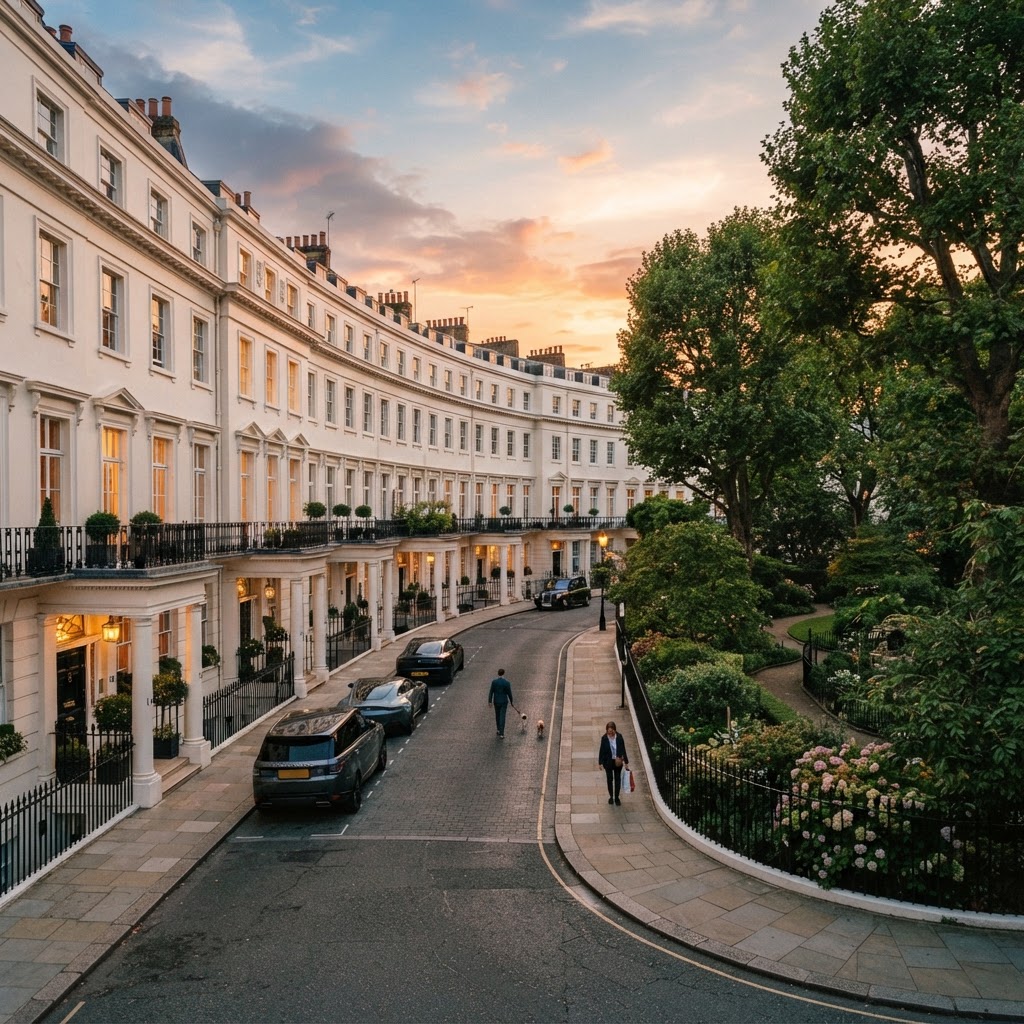
Belgravia serves as the epicenter of Posh London, defined by the white stucco-fronted mansions originally commissioned by Thomas Cubitt in the 1820s. Unlike the frenetic energy of SoHo, this district offers a masterclass in architectural grandeur that has housed the British aristocracy and global elite for two centuries. The neighborhood’s layout is specifically designed for privacy, with enclosed garden squares like Eaton Square and Chester Square acting as private sanctuaries for residents. These areas remain preserved with strict heritage guidelines, ensuring that the 19th-century aesthetic remains perfectly intact. To fully appreciate the architectural nuances, visitors often engage in private guided tours that explain the Victorian urban planning, which prioritized sightlines and structural symmetry to evoke a sense of immense wealth. The luxury here is not just in the price per square foot—which frequently exceeds £3,000 per square foot—but in the absolute stillness and residential exclusion that distinguishes it from the rest of the capital. Residents value the area for its “silence as a luxury” status, a rarity in a major metropolitan center. Whether you are walking past the embassies lining Belgrave Square or admiring the impeccable facade maintenance, the neighborhood operates on a level of refined maintenance that few other areas in London can replicate.
The Art of the Private Members’ Club
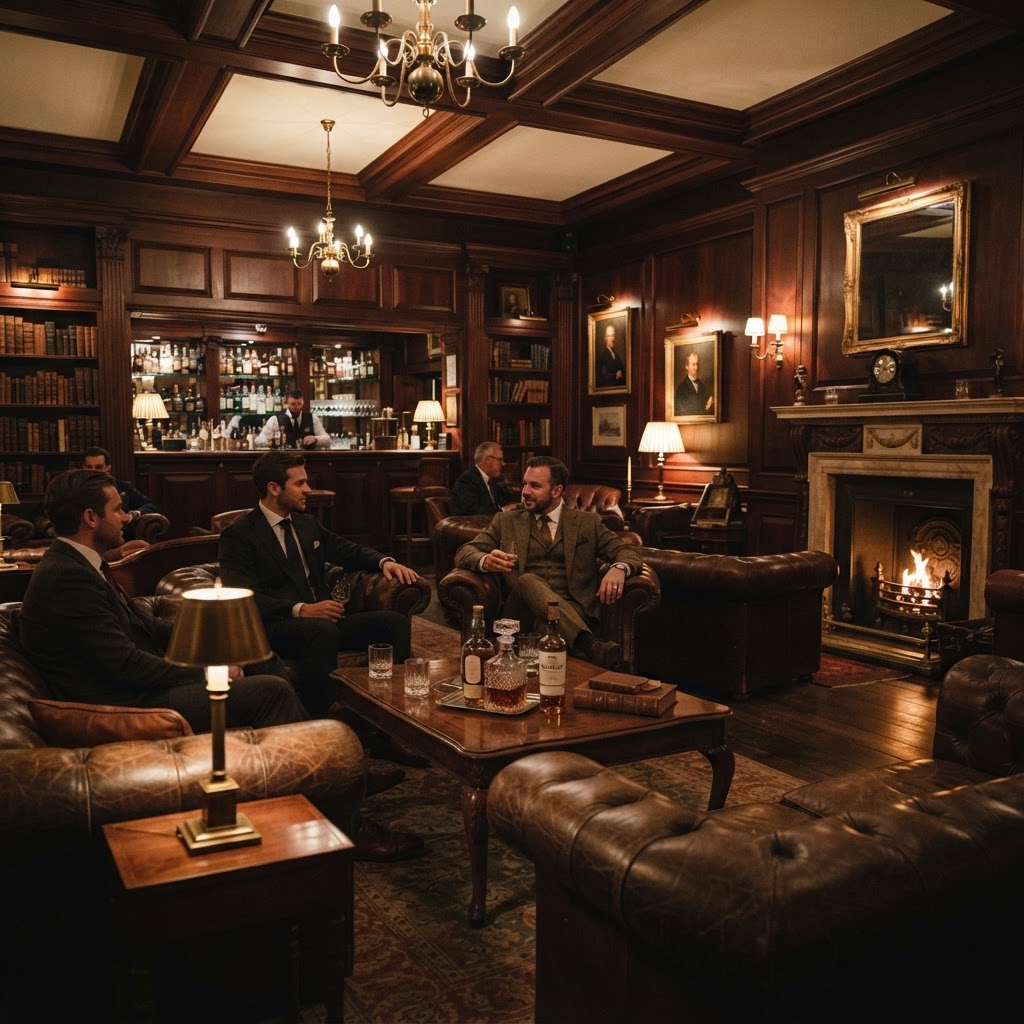
In London, the most prestigious addresses are often those that remain hidden from public view, requiring a personal referral or rigorous vetting process for entry. Private social clubs like Annabel’s in Mayfair or The Arts Club function as the city’s “third spaces,” providing a sanctuary where business deals are sealed and social hierarchies are solidified away from the prying eyes of the public. These institutions operate on centuries-old traditions of exclusivity, often requiring a proposer and seconder from the existing membership base to even be considered for an application. While membership fees can range from £2,000 to over £5,000 annually, the true cost is the social currency and reputation required to gain entry. For those without a membership, select high-end hotels such as The Connaught or The Dorchester offer “club-like” lounges that mirror this level of service, providing a glimpse into the lifestyle. The defining characteristic of these clubs is the “unspoken rule” of discretion; members are rarely photographed, and mobile phone usage is strictly prohibited in private rooms to ensure the sanctity of the conversations occurring within.
Exclusive Dining Trends in Mayfair
Mayfair elite dining is constantly evolving, shifting from large, flashy dining halls to intimate, chef-driven “tasting rooms” that prioritize the provenance of ingredients. Modern wealthy locals favor spaces that offer a highly personalized gastronomic experience, often featuring less than 30 covers per service. The current trend focuses on farm-to-table traceability and the use of rare, small-batch vintages sourced from private cellar auctions. By focusing on seasonal simplicity, these establishments provide a sensory experience that feels deeply curated, effectively filtering out the transient crowds in favor of a loyal, returning clientele.
High-End Shopping Beyond the High Street
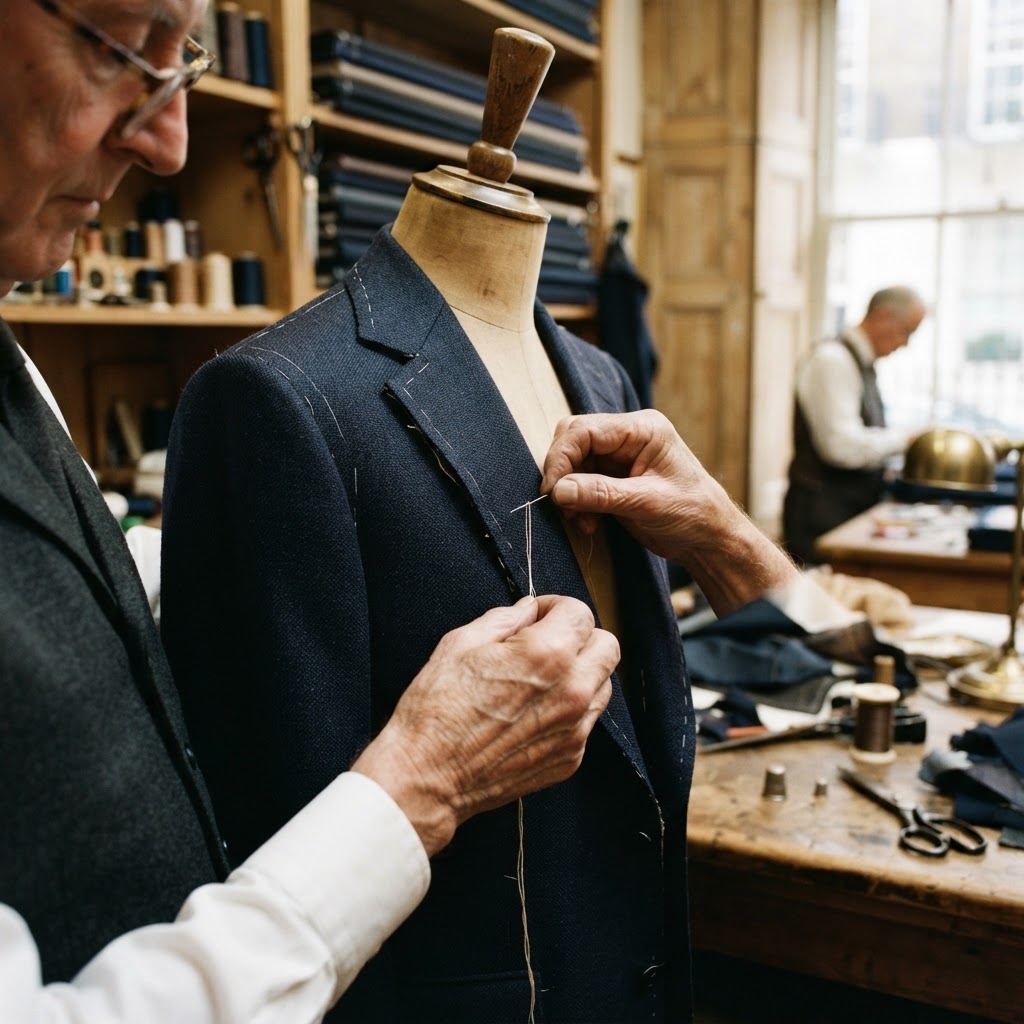
True luxury shopping in London occurs within the discreet ateliers of St. James’s and the hidden mews streets, where heritage and relationships take precedence over mass-market branding. In neighborhoods like Savile Row or hidden corners of Mount Street, bespoke tailors and high-jewelry houses operate primarily by appointment, ensuring that every client receives individualized attention. Buying an item in these locations is an investment in longevity, with custom suits often requiring three or more fittings over several months, resulting in garments meant to last for decades. This “slow-fashion” approach contrasts sharply with the high street, emphasizing the artisan’s skill and the quality of the raw materials—such as rare wools or conflict-free gemstones—rather than the logo on the packaging. It is about the relationship you build with the creator; many families have patronized the same tailors or perfumers for generations, creating a sense of continuity that defines the Posh London experience.
Curated Leisure and Cultural Escapes
Wealthy Londoners prioritize curated, low-volume cultural experiences that are entirely removed from mass-market tourism brochures. This lifestyle includes private viewings at boutique art galleries, such as those found in the backstreets of Mayfair, or attending invitation-only garden parties and private previews of exhibitions. The primary appeal lies in the rarity of the access; for instance, accessing a private view at a gallery allows for a direct dialogue with curators without the noise of public crowds. To live like a local of means, you must prioritize quality over quantity: spend your afternoon in an independent bookstore that specializes in rare, out-of-print first editions, or arrange a private cruise on the Thames specifically for sunset, avoiding the commercial river traffic of Westminster. These slower, intentional activities define the “resident” experience. Whether it is a private guided tour of an artist’s studio or an early-morning walk through a royal park before it opens to the general public, the focus remains on personal enrichment over the checklist-style travel common among tourists.
Navigating London with Concierge Precision
To effectively manage a lifestyle defined by such extreme exclusivity, many of London’s elite rely on professional concierge services that act as the city’s gatekeepers. These professionals hold the necessary connections to secure last-minute tables at Michelin-starred restaurants that are typically booked out months in advance or to arrange “after-hours” access to historical sites. They function as a bridge, ensuring that a visitor’s itinerary is seamless, logistical, and aligned with the high-society expectations of the city’s private clubs. A top-tier concierge service can facilitate complex tasks, such as arranging a helicopter transfer for a weekend in the Cotswolds or securing entry to a sold-out private gala. In this circle, access is considered the ultimate currency, and outsourcing the logistics to a professional ensures that the time spent in London is maximized for networking, cultural engagement, and relaxation without the friction of everyday administration.
Essential Habits of the London Elite
To blend in and appreciate the refined nature of this city, consider adopting a few local habits:
- Prioritize quality footwear: London is a walking city, and the elite opt for bespoke cobblers or high-end heritage brands that prioritize foot health and durability over trends.
- Master the art of silence: In exclusive London circles, excessive noise is viewed as a breach of etiquette; comfort in silence is a sign of confidence.
- Build long-term local loyalty: The elite value consistency; visit the same local coffee house or florist consistently to foster a genuine, long-standing relationship with the staff.
- Invest in heritage: Prioritize brands with 50+ years of history over “fast fashion” to show respect for craftsmanship and environmental sustainability.
FAQ
How can I access private members’ clubs in London without an invitation?
Most private clubs are strictly invitation-only, but you can experience a similar atmosphere by staying at high-end hotels like The Connaught or The Arts Club Hotel, which often mirror the privacy and service levels of exclusive clubs. Alternatively, check if a club offers temporary reciprocal access for international members.
Which neighborhood is best for experiencing high-end London living?
Belgravia is widely considered the best neighborhood for experiencing authentic high-end London living due to its residential privacy, historic Victorian architecture, and concentration of wealthy residents. It offers a quieter, more exclusive environment compared to the commercial buzz of Knightsbridge or the public nature of Westminster.
Do I need a concierge to enjoy luxury in London?
While not strictly necessary, a high-end concierge service significantly enhances the experience by providing access to “invite-only” events, fully-booked restaurants, and private galleries that are otherwise inaccessible. They are essential if your goal is to navigate the city’s most exclusive social and cultural circles seamlessly.
What is the best way to shop like a local elite in London?
To shop like a local elite, avoid the major high streets and head to independent ateliers and bespoke tailors in St. James’s or Mayfair. Focus on booking personal appointments with artisans who offer custom, long-lasting products, which reflects the local preference for heritage craftsmanship over mass-produced luxury brands.
Is Posh London accessible for a short-term visitor?
Yes, Posh London is accessible for short-term visitors provided you prioritize quality over quantity and utilize professional concierge services to facilitate entry. By booking private tours and focusing on curated, smaller venues, you can experience the refined, private side of the capital even on a short visit.
Mastering the Invisible Etiquette of Mayfair
Entering the world of elite London requires more than a high credit limit. You must understand the unspoken dress codes and behavioral expectations that define these spaces. In Mayfair, avoid flashy logos or overt displays of wealth. True luxury here is understated, favoring tailored cuts and high-quality fabrics over seasonal trends.
When visiting the city’s most exclusive lounges, leave your camera in your pocket. These environments prioritize discretion above all else. Engaging in business or loud phone calls in public areas of private clubs or high-end hotel bars is a significant social faux pas. Maintain a low profile and focus on the company you are with to blend in seamlessly.
A Curated Itinerary for the Discerning Traveler
Do not attempt to see these neighborhoods in a single frantic afternoon. The essence of Posh London is best experienced through a slow, deliberate pace. Dedicate at least two days to fully appreciate the shift from the structured grid of Belgravia to the winding, boutique-lined streets of St. James’s.
The Belgravia Morning
Begin your day with a walk through Elizabeth Street before the shops open at 10:00 AM. Grab a pastry from a local bakery and observe the neighborhood as residents head to the nearby garden squares for their morning routine. The light hitting the white stucco facades is best captured between 8:30 AM and 9:30 AM.
The St. James’s Afternoon
Shift your focus to St. James’s, where the tradition of the bespoke tailor remains king. Visit the historic shirt-makers and shoe-smiths on Jermyn Street. These artisans do not sell off the rack; they offer a masterclass in personalized service that has remained unchanged for decades. Allocate two hours here to engage with the shop owners, who are often the third or fourth generation to run these institutions.
Common Pitfalls and How to Avoid Them
- Mistaking Popularity for Prestige: Do not rely on social media trends to find the best bars. Often, the venues with the longest lines are the least authentic. Look for venues with no signage or heavy wooden doors instead.
- Ignoring Booking Windows: Reservations at the best venues in Mayfair are often released thirty days in advance. If you decide to go on a whim, you will likely be disappointed. Plan your dining and social calendar at least a month ahead.
- Over-Scheduling: Leave room for the unexpected. The joy of these neighborhoods lies in wandering down an alleyway and finding a hidden courtyard or an independent gallery you did not know existed.
Posh London FAQ
Do I really need a referral for the best clubs?
Yes, for the truly exclusive members’ clubs, a personal introduction remains the only way to gain entry. However, many clubs now offer reciprocal arrangements with international institutions. Check if your home club in your home country has an agreement with a London counterpart before you travel.
Is there a best time of year to visit these areas?
Visit in late May or September for the most pleasant weather and the peak of the social season. Avoid August, as many of the city’s elite leave for their country estates, leaving the residential streets feeling somewhat dormant. December is also a spectacular time if you enjoy the private, festive lighting displays that adorn the doorways of these historic properties.
How much should I budget for a luxury experience?
Luxury in London is expensive, but it is also highly variable. Budget at least £400 per person per day to experience a curated version of this lifestyle. This covers a premium afternoon tea, a refined dinner, private transport between districts, and incidental expenses at exclusive boutiques.
Leave a Reply