
Stepping into the Eternal City often feels like walking onto a meticulously crafted film set, where every corner turned reveals Rome streets that feel like a movie. From the golden light hitting the weathered stucco of Trastevere to the grand, sweeping vistas of the historic center, Rome has served as the ultimate muse for directors like Fellini, Wyler, and Sorrentino. Whether you are a fan of classic cinema or simply looking for the most photogenic paths in the city, knowing where to walk can transform a standard vacation into a cinematic odyssey.
The Magic of Trastevere’s Winding Alleys
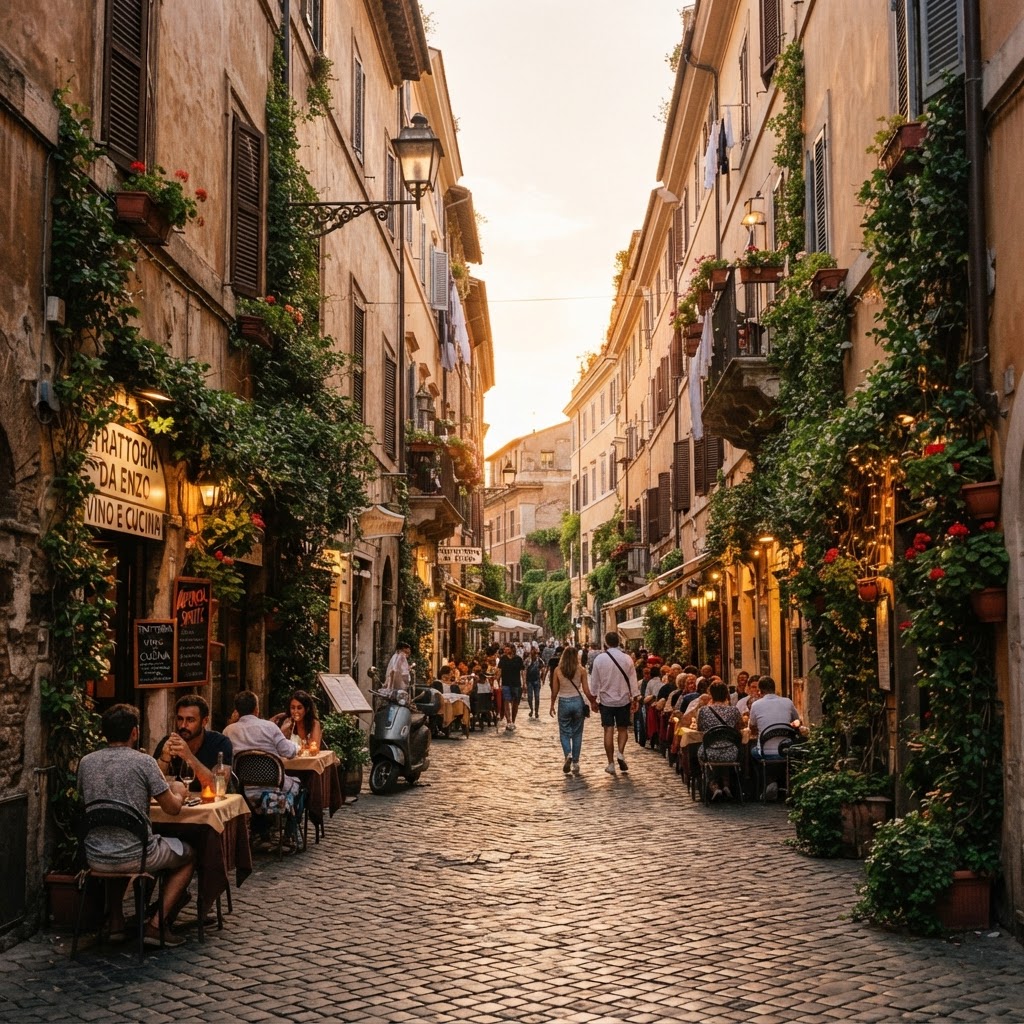
Trastevere is arguably the most atmospheric neighborhood in Rome. It is a labyrinthine collection of narrow, ivy-draped streets that capture the quintessential Italian spirit. When you wander through the Via della Scala, you are not just walking on pavement; you are tracing the footsteps of history.
Why Trastevere Feels Cinematic
The neighborhood’s distinct charm comes from its preservation. The streets remain narrow, the cobblestones are ancient, and the warm-toned buildings seem to glow during the ‘golden hour.’ This area frequently appears in films because it requires almost no set decoration; the lived-in, authentic atmosphere is already baked into the architecture.
Best Spots for Photography
If you want to capture the essence of this district, head toward the Piazza di Santa Maria. The surrounding alleys offer perfect lighting and framing. During the early morning hours, before the cafes open and the crowds arrive, the silence creates a dramatic stillness that is perfect for artistic photography.
Via Margutta: The Artist’s Sanctuary
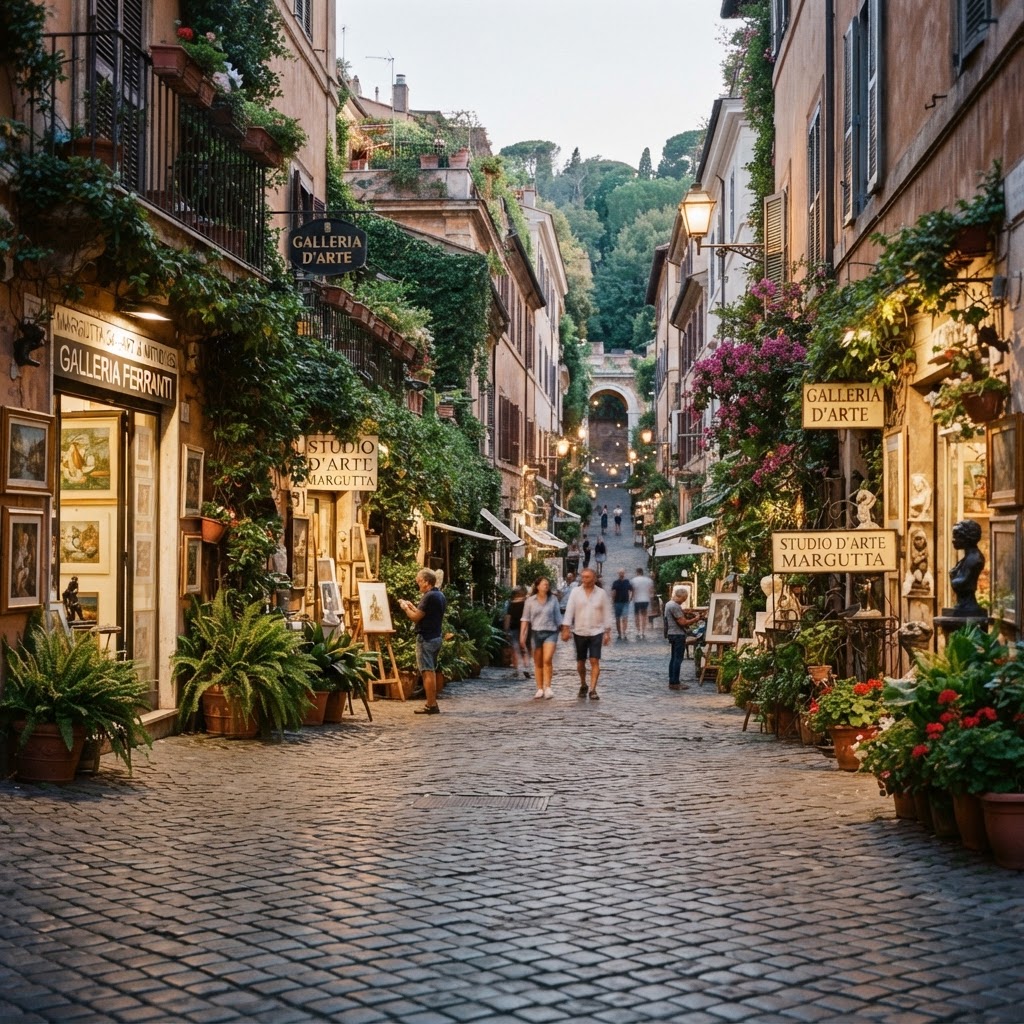
Often called the most beautiful street in the city, Via Margutta is an oasis of calm hidden just a block away from the bustling Via del Babuino. Famous for being the residence of legendary figures like Federico Fellini, this street is lined with ivy-covered facades and art galleries.
Walking down Via Margutta, you immediately understand why it served as the backdrop for ‘Roman Holiday.’ The street possesses an intellectual, bohemian vibe that feels detached from the chaos of modern urban life. It is perhaps the premier example of Rome streets that feel like a movie, specifically one focused on romance and high art.
Via dei Coronari and Its Renaissance Grace
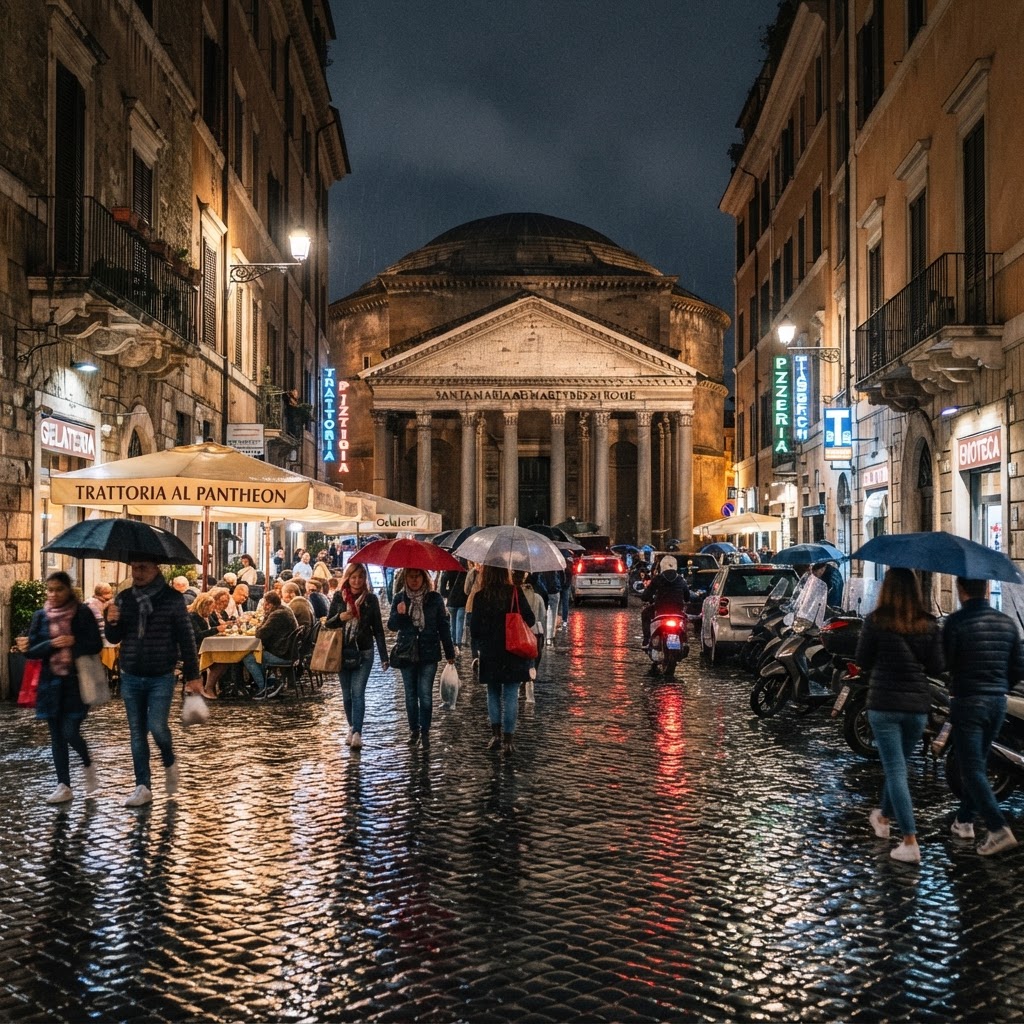
Located near Piazza Navona, Via dei Coronari is a stunning example of Renaissance urban planning. Known for its antique shops and elegant architecture, this street has a refined, stately quality that stands in stark contrast to the rustic charm of Trastevere.
Historically, this was the street pilgrims took on their way to St. Peter’s Basilica. Today, it remains a favorite for filmmakers who need a setting that exudes prestige and history. The tall, narrow buildings frame the sky in a way that makes every frame look perfectly composed, making it a dream location for cinematographers.
The Grandeur of Via Appia Antica
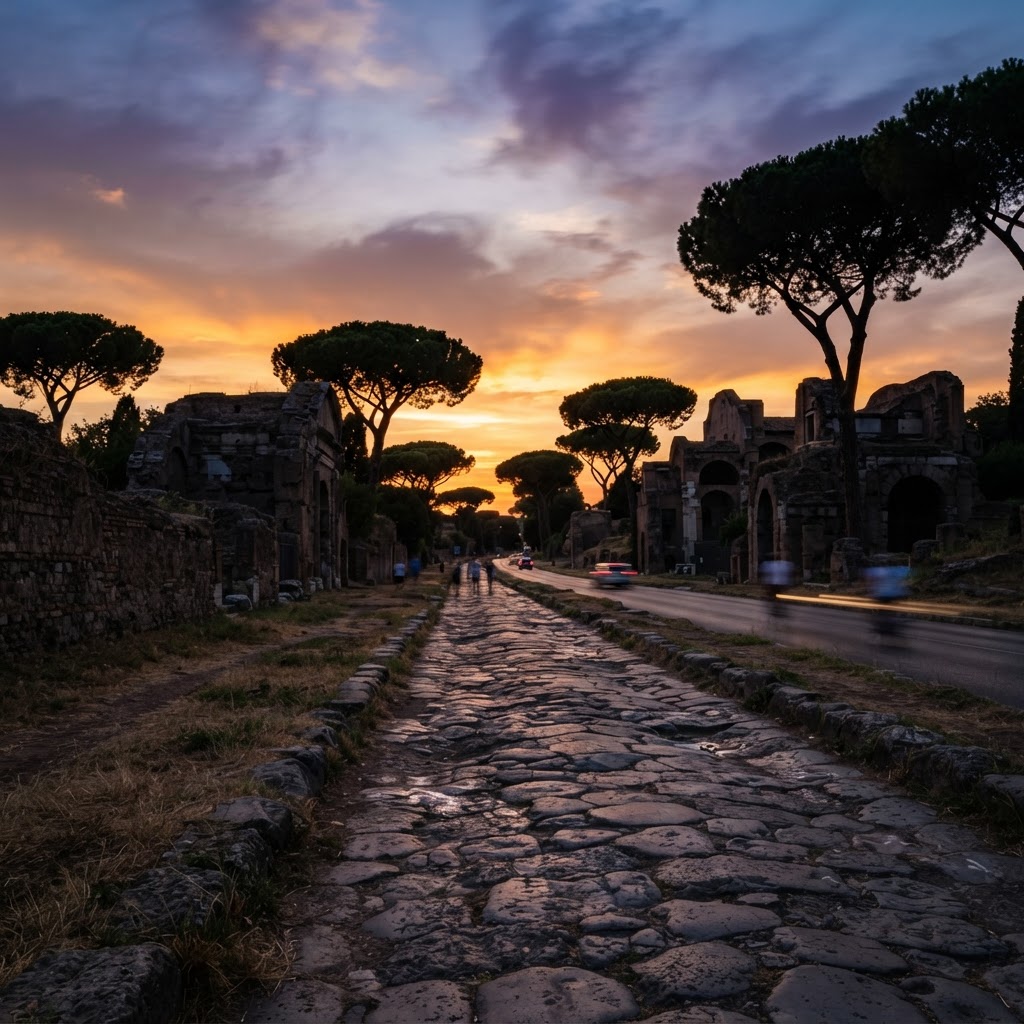
If you want to see a side of Rome that feels like an epic historical drama, the Appian Way is non-negotiable. As one of the earliest and most strategically important Roman roads, it is flanked by ancient ruins, crumbling tombs, and towering umbrella pines.
Why It Is a Cinematic Staple
Directors choose this location for its raw, unfiltered connection to antiquity. The lack of modern street lights and the presence of ancient basalt stones create a texture that is impossible to replicate in a studio. Walking here at sunset is a spiritual experience that transports you back two millennia, making it one of the few Rome streets that feel like a movie set for an ancient tragedy.
Cinematic Dining and Social Streets
Rome’s street culture is inseparable from its film culture. Many of the city’s most famous scenes involve characters sharing a meal or a conversation under the stars. The Via di San Teodoro, situated near the Roman Forum, offers a view that few other cities can match.
Iconic Scenes to Recreate
- The romantic stroll: Walking hand-in-hand down the quiet stretches of the Jewish Ghetto.
- The contemplative coffee: Sitting at an outdoor cafe on a side street off the Pantheon.
- The night capture: Exploring the deserted streets near the Colosseum under the glow of street lamps.
The Influence of Neorealism on Urban Design
The movement of Italian Neorealism, which focused on the lives of ordinary people in real settings, heavily influenced how we view Rome streets that feel like a movie. By using actual streets as their stages, directors like Vittorio De Sica and Roberto Rossellini taught the world to appreciate the grit, beauty, and texture of real Roman neighborhoods.
When you visit locations like the Testaccio district, you are seeing the ‘real’ Rome. These areas feel like a movie because they were the actual protagonists of the films that defined 20th-century Italian cinema. Understanding this history adds a layer of depth to your walk that a standard tourist brochure simply cannot provide.
Practical Tips for Your Cinematic Walk
To make the most of your cinematic exploration, follow these strategies:
- Wake up at dawn: The city is yours before the tourists emerge.
- Bring a wide-angle lens: The narrow streets require it for full capture.
- Wear comfortable shoes: The cobblestones are treacherous but essential to the vibe.
- Use light to your advantage: The ‘Magic Hour’ is real in Rome; plan your walk during sunset.
Conclusion
Exploring Rome is not just about visiting monuments; it is about immersing yourself in the living, breathing film set that is the city itself. From the bohemian charm of Via Margutta to the epic vistas of the Appian Way, each street offers a unique narrative and a distinct visual language. By visiting these Rome streets that feel like a movie, you are connecting with a legacy of art, passion, and storytelling that spans generations. Start your journey today, bring your camera, and experience the Eternal City as the leading character of your own adventure. Why wait to see the world? Book your trip to Rome and walk the streets that inspired the greats.
Leave a Reply