
The soft colors of Burano island are world-renowned, drawing photographers and travelers alike to the quiet corners of the Venetian lagoon. As the sunlight dances off the vibrant facades of the Italian colorful houses, visitors find themselves in an open-air museum where every alleyway feels like a painted canvas. Exploring this tiny fishing village requires patience and an appreciation for the subtle shifts in light that make the soft colors of Burano island truly stand out from the rest of Italy’s famous destinations. Whether you are seeking the perfect landscape shot or simply a quiet stroll away from the bustle of Venice, Burano offers an enchanting escape.
The History Behind the Palette
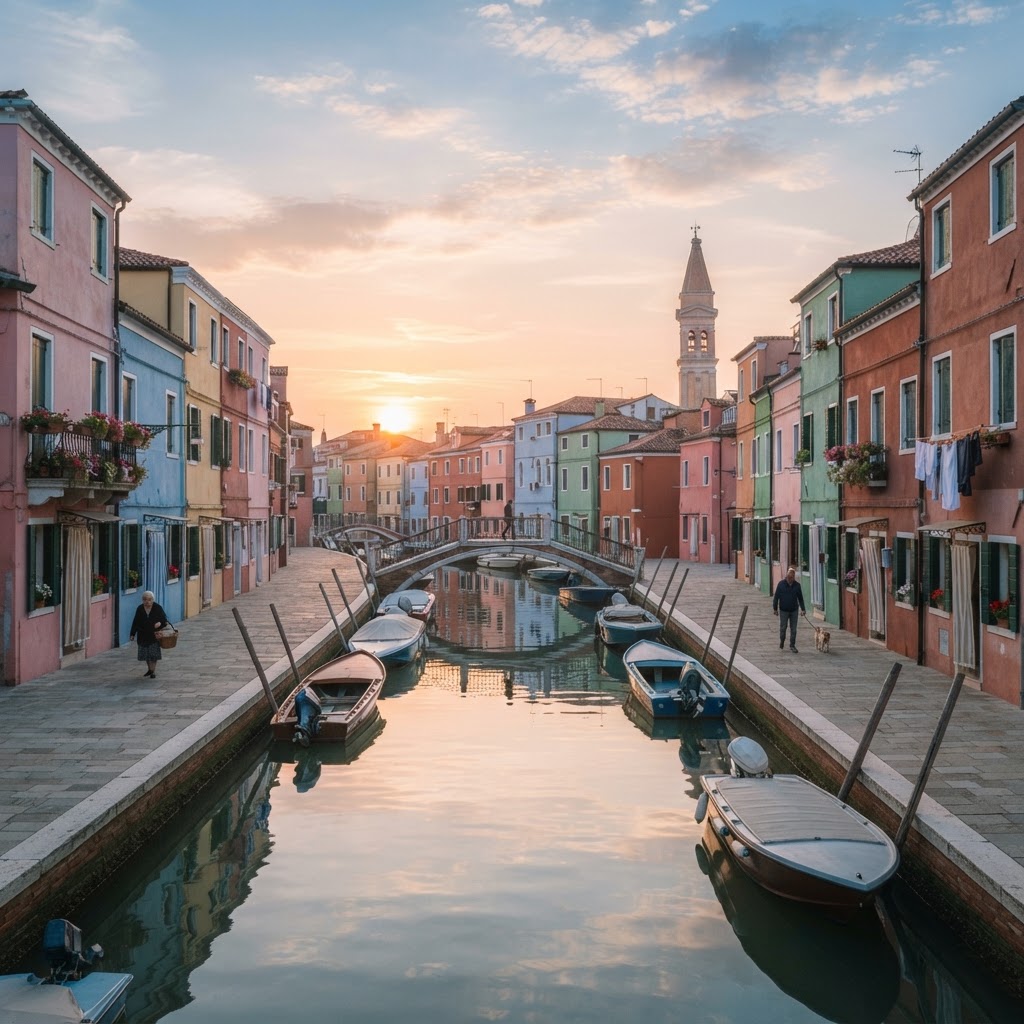
The tradition of painting houses in such distinct shades dates back centuries. Legend suggests that local fishermen painted their homes in bright colors so they could identify their residences through the thick fog common in the Venetian lagoon. Today, the local government manages the specific color palettes allowed, ensuring that the soft colors of Burano island maintain their historical integrity. Each homeowner must seek permission before repainting, preserving the aesthetic harmony that makes the island a UNESCO-worthy experience.
Planning Your Venice Day Trip
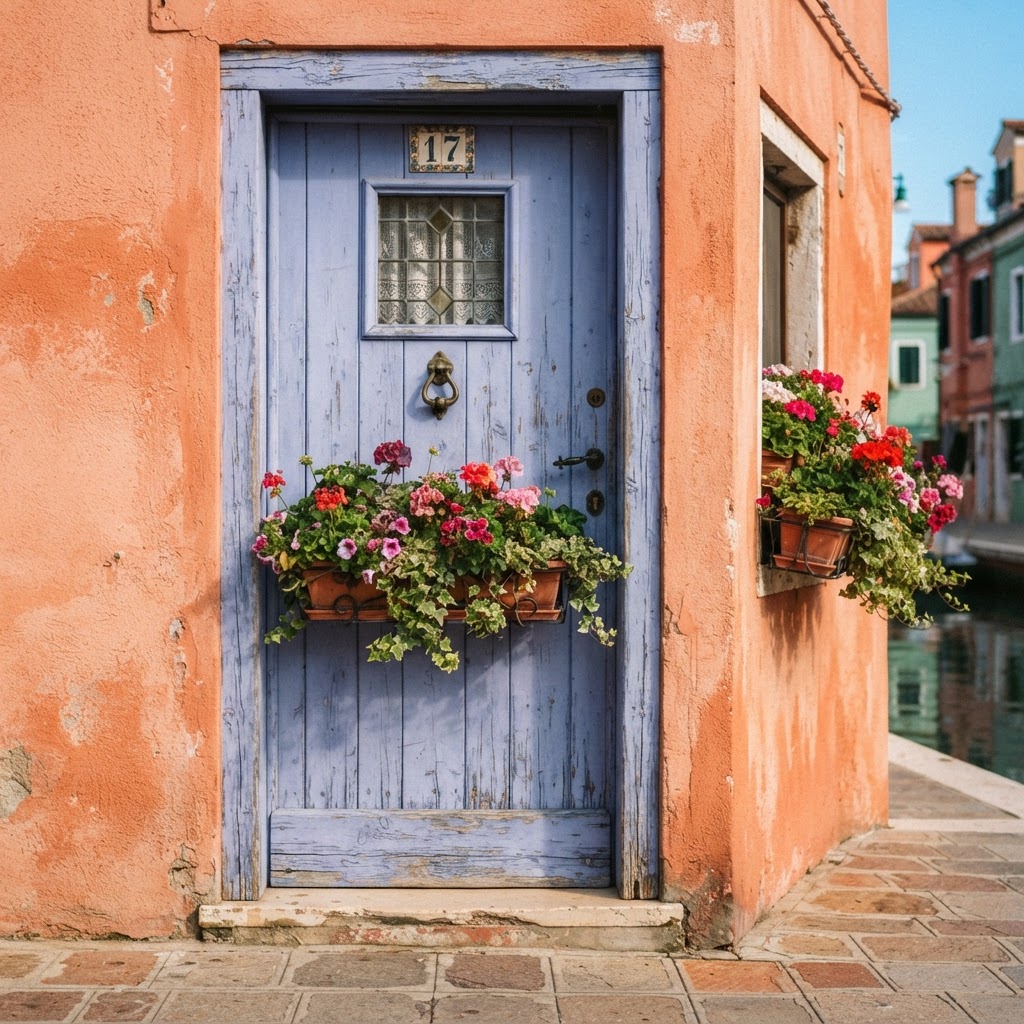
To maximize your experience, you should treat your Venice day trip to Burano as an early morning adventure. The vaporetto ride from Fondamente Nove takes about 45 minutes, offering stunning views of the islands.
- Take the ACTV line 12 from Venice.
- Arrive before 9:00 AM to beat the mid-day cruise crowds.
- Wear comfortable walking shoes for the uneven cobblestone streets.
- Bring an extra memory card for your camera.
- Plan for at least four to five hours on the island.
By arriving early, you ensure the soft colors of Burano island are captured in the gentle morning light, which is significantly more flattering for photography than the harsh midday sun.
Essential Burano Photography Tips
Lighting and Composition
When photographing the soft colors of Burano island, lighting is your greatest ally. During the golden hour, the pastels glow, creating depth that is lost during high noon.
Using a polarizing filter can help manage reflections from the canals, allowing the colors of the houses to reflect perfectly in the water. Focus on framing shots that include both the architecture and the reflection in the canal. Keep your composition clean by removing clutter, such as modern signage or docked boats, to maintain that timeless, old-world feel.
Local Culinary Delights
No trip is complete without tasting the local cuisine. After spending hours walking the colorful streets, find a local trattoria to try the ‘risotto di gò,’ a classic Venetian dish made with goby fish from the lagoon. The island is also famous for its ‘bussolà’ cookies, which were traditionally baked by the wives of fishermen for their husbands to take on long voyages. These butter cookies provide the perfect energy boost while you continue your exploration of the island’s many hidden architectural wonders.
Beyond the Houses: Lace and Culture
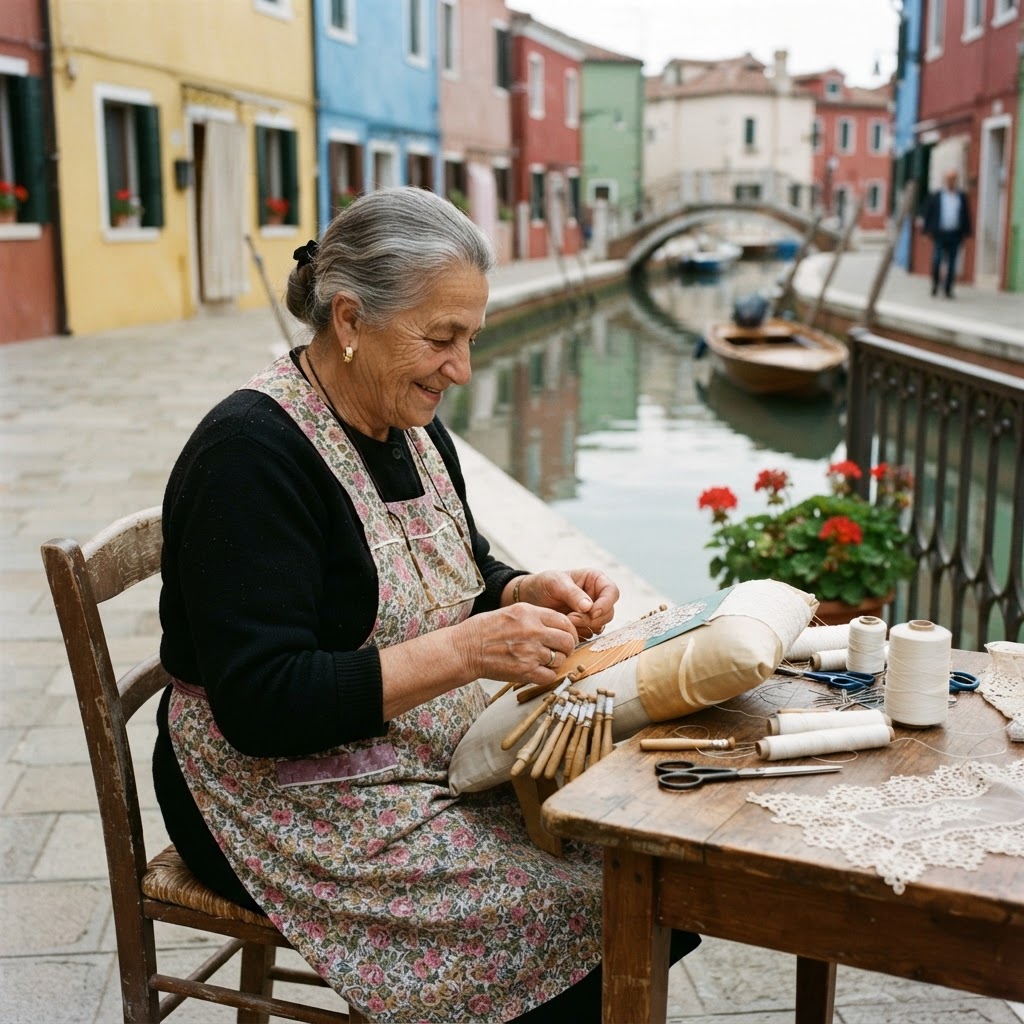
While the architecture is the main draw, the island has a deep history of lace-making that dates back to the 16th century. Visit the Museo del Merletto to understand the intricate needlework that once put Burano on the map. Seeing the women working on lace in the local shops connects you to the generations of artisans who have lived here. This cultural depth adds another layer to your visit, proving there is much more to the island than just its vibrant exterior.
Conclusion
Visiting this island is a lesson in color theory and tranquility. By focusing on the details, respecting the local lifestyle, and choosing the right time to visit, you can capture the essence of the Venetian lagoon. Whether you are an amateur photographer or a casual traveler, the memory of these pastel streets will stay with you long after you return to the mainland. Make sure your next Italy itinerary includes a stop to witness the beauty of these unique island homes for yourself.
Leave a Reply