
The Timeless Beauty of Venice Canals: A Complete Guide
Venice is a historic masterpiece built on 118 small islands connected by over 400 bridges and separated by 150 winding canals. Renowned for its unique Venetian Gothic architecture and romantic waterways, the city represents a triumph of engineering, having been constructed on millions of wooden piles driven into the lagoon mud over 1,500 years ago.
The Architectural Marvel of the Grand Canal
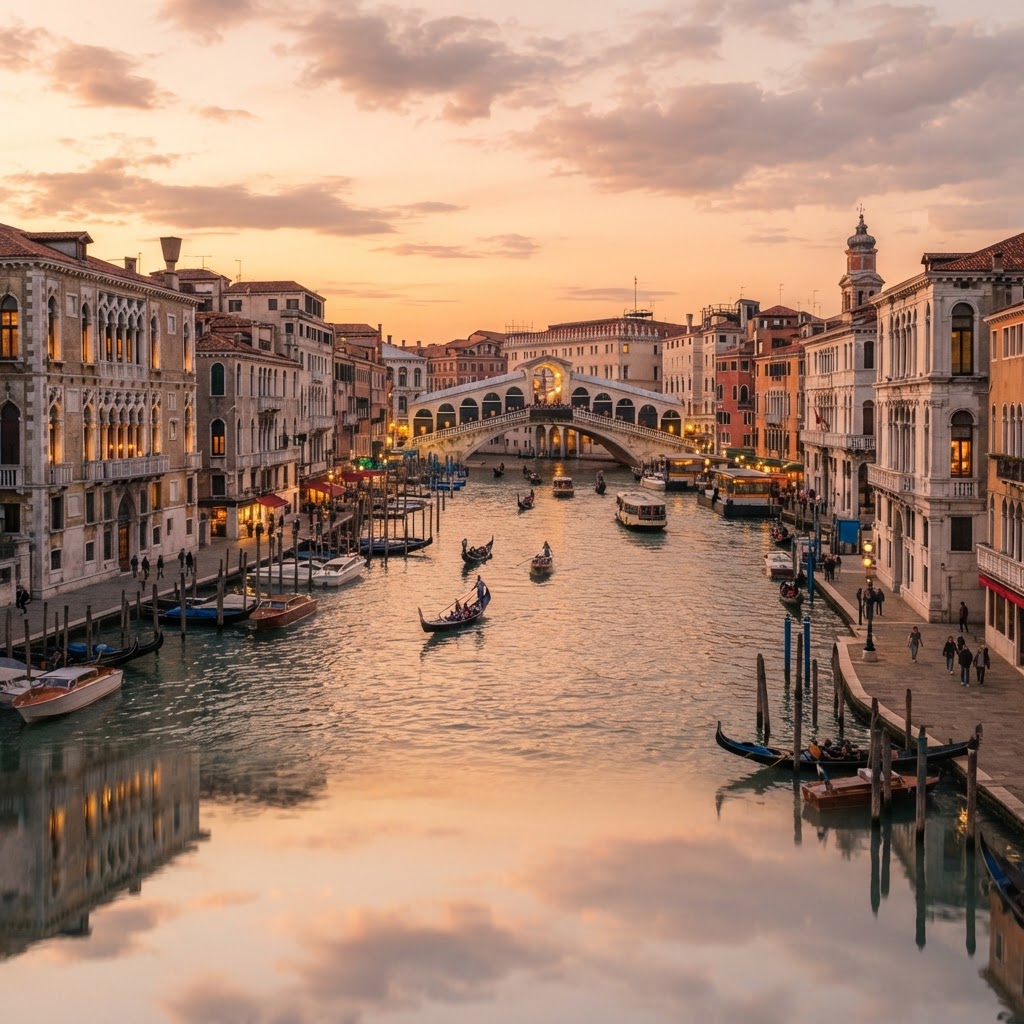
The Grand Canal functions as the vital S-shaped artery of Venice, stretching nearly four kilometers and lined with over 170 buildings that chronicle the city’s architectural evolution. These structures reflect the immense wealth of the Venetian Republic, primarily showcasing a fusion of Byzantine, Venetian Gothic, Renaissance, and Baroque styles. Wealthy merchant families commissioned these palazzi to demonstrate their global influence, utilizing rare marbles and imported stones that remain preserved today. The canal is approximately five meters deep, allowing for the passage of heavy waterborne commerce that powered the Republic for centuries. Visitors viewing these facades can identify the transition from the pointed arches of the Gothic period to the symmetrical proportions of the Renaissance. Notable landmarks include the Palazzo Dario and the Peggy Guggenheim Collection, which bridge the gap between ancient history and modern art. The canal acts as an open-air museum where the infrastructure itself provides a direct connection to the city’s prosperous maritime history.
Architectural Styles Along the Water
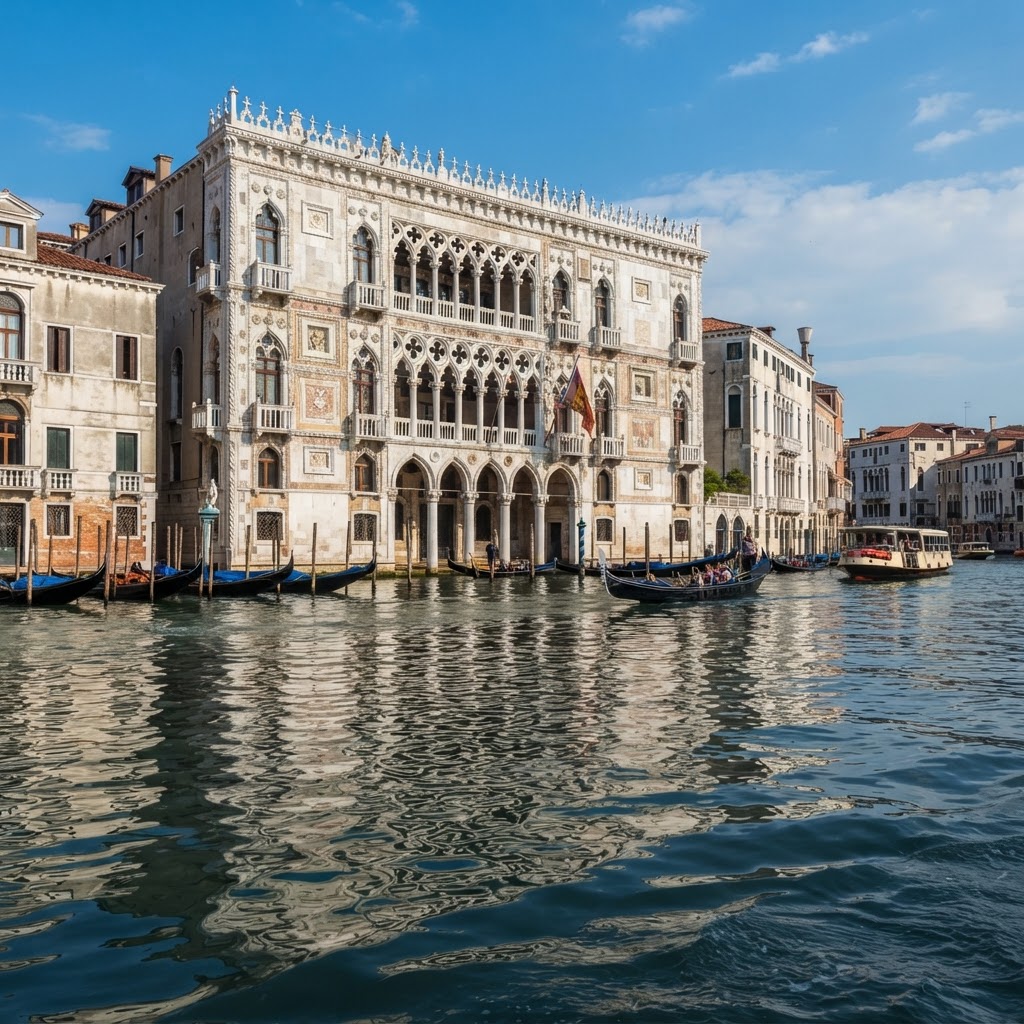
When exploring the canals, pay close attention to the facades. You will notice the intricate stone carvings and the distinct ‘tracery’ windows that define the Venetian Gothic style. The Ca’ d’Oro, or House of Gold, is perhaps the most famous example of this delicate craftsmanship. It remains a testament to the aesthetic values that define the city.
Unveiling Deep Venetian History
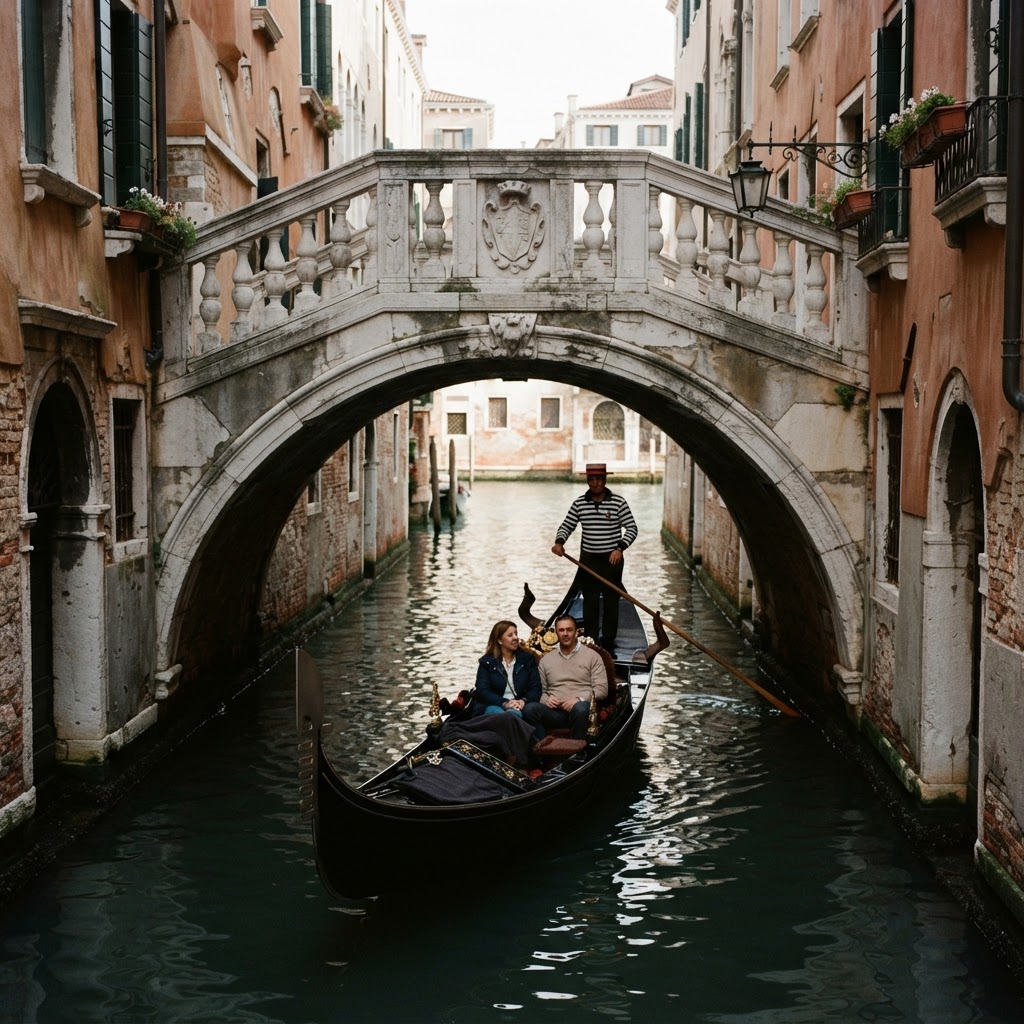
The historical foundation of Venice is an engineering marvel characterized by its resilience against the unstable environment of the Venetian Lagoon. Founded in the 5th century by refugees fleeing barbarian invasions, the city required a radical solution to build on soft, waterlogged soil. Builders drove millions of petrified alder and larch piles into the dense clay; submerged in oxygen-poor mud, these piles petrified rather than rotting, creating a foundation that has supported the city’s stone weight for over 1,000 years. Throughout the Middle Ages, Venice rose to power by controlling trade routes between Europe and the East, amassing enough wealth to construct an urban network that defied the sea. This history is not just in books; it is evident in the water marks on building foundations and the complex system of sluice gates, like the modern MOSE barrier, designed to manage “acque alte” (high water events). Understanding this narrative is essential for any visitor, as every brick in Venice is a testament to the city’s struggle to carve civilization out of a salt marsh. The constant tension between land and water defines the Venetian spirit, reflecting a centuries-old commitment to preserving human ingenuity against nature.
Navigating the Labyrinth of Smaller Waterways
Exploring the quieter side channels of the city’s six sestieri is the only way to experience authentic Venetian life away from the heavy tourist foot traffic. While the Grand Canal serves as the main transit route, the smaller canals offer a glimpse into the daily habits of residents, local shops, and neighborhood markets. Walking through these districts allows for a slower pace of travel that highlights the unique layout of the island neighborhoods.
- Cannaregio: Home to the historic Jewish Ghetto and quiet local bars.
- Dorsoduro: Known for its art museums and student atmosphere.
- Castello: A vast, residential area that feels worlds away from St. Mark’s Square.
- San Polo: The oldest part of the city, perfect for market lovers.
Choosing the right district often depends on the traveler’s preference for art, history, or seclusion. Castello, the largest district, represents the most “authentic” experience, while Dorsoduro is ideal for those seeking the Peggy Guggenheim Collection and local university-run trattorias. These districts are interconnected by over 400 bridges, most of which are pedestrian-only, ensuring that walking remains the primary mode of navigation throughout the historical center. Engaging with these quieter zones not only provides better photography opportunities but also distributes tourism income more equitably across the city’s neighborhoods, rather than concentrating it solely in the San Marco area.
Romantic Gondola Rides and Tradition
No trip to Italy is complete without mentioning the iconic gondola. Once the primary mode of transport for noblemen, these sleek vessels are now the ultimate symbol of romance. A gondola ride provides a unique perspective on the city’s architecture, allowing you to drift under low-slung bridges and through narrow passages where boats simply cannot reach.
Insider Tips for the Modern Traveler
To ensure your visit remains magical rather than stressful, consider these essential travel tips for the floating city. Firstly, arrive early in the morning or stay late into the night to avoid the peak cruise ship crowds. Always purchase a multi-day vaporetto pass to save money on water bus travel, and never be afraid to get lost in the alleyways of Castello or Dorsoduro. Engaging with local artisans, such as mask makers or glass blowers, adds a layer of depth that most tourists miss.
The Future of Venice and Sustainability
Preservation is the greatest challenge facing the city today. With the threat of climate change and “acque alte” (high water events), the MOSE project and various conservation efforts work tirelessly to protect the historic urban core. Visitors play a role in this preservation by respecting local customs, avoiding overcrowded tourist traps, and supporting businesses that prioritize environmental responsibility over mass-market convenience. By traveling mindfully, you help ensure that the city survives for future generations to enjoy.
FAQ
Q: What is the best time of year to visit Venice?
The best time to visit is during the shoulder seasons, specifically April through May or September through October. During these months, the weather is mild, and the city is less crowded than during the peak summer tourist season.
Q: How many days do you need in Venice?
Three days is the ideal amount of time to see the main sights and explore the quieter outer districts. This allows for a relaxed pace to experience both the famous landmarks and the local culture.
Q: Is Venice sinking?
Yes, Venice is both sinking due to geological subsidence and facing rising sea levels from climate change. The MOSE flood barrier system has been implemented to protect the city from high-tide flooding events.
Q: What is the most efficient way to travel in Venice?
The most efficient way to travel is by walking, as most sights are within a 20-minute radius. For longer distances, the Vaporetto (water bus) is the primary and most cost-effective public transport option.
Q: Can you swim in the Venice canals?
No, swimming in the Venice canals is strictly prohibited by city law and poses significant health risks. Visitors should use public pools or visit the beaches at the Lido if they wish to swim.
Practical Tips for Navigating the Waterways
Stepping onto a vaporetto for the first time can feel chaotic. Buy your tickets at the automated machines before boarding, or use the official AVM Venezia app to avoid long lines at busy piers like San Marco or Ferrovia. Always validate your ticket by tapping the card on the white reader at the dock before you step onto the boat. Failing to do this often results in heavy fines from inspectors who check tickets frequently during peak hours.
If you prefer a more private experience, consider the traghetto over the gondola for a budget-friendly thrill. These are large gondolas operated by two rowers that shuttle people across the Grand Canal at specific points where bridges are absent. A single crossing costs two euros per person, making it the most efficient way to cross the water without walking blocks to the nearest bridge. It is a local secret that saves both time and money.
When to Visit Venice
Avoid the crushing crowds of July and August if you value your sanity. The humidity in the lagoon during these months is intense, and the smell of the canals can become noticeable in the stagnant heat. Aim for late October or early November. The weather is crisp, the light is perfect for photography, and the city feels more like a living neighborhood than a theme park.
Keep in mind the phenomenon of acqua alta, or high water, which typically occurs from November through March. While the city uses an extensive flood barrier system called MOSE to mitigate major surges, minor flooding in low-lying areas like Piazza San Marco remains possible. Pack a pair of high-quality, slip-resistant waterproof boots if you visit during the winter months.
Common Mistakes to Avoid
- Paying for an overpriced ‘tourist menu’ at restaurants facing the Grand Canal. Walk three streets away to find better food at half the price.
- Attempting to drag a heavy rolling suitcase over the thousands of stone steps and bridges in the city. Pack light with a backpack and you will thank yourself later.
- Boarding a vaporetto without a valid pass or ticket during the late evening. Inspectors often wait at the arrival piers to catch unsuspecting travelers.
- Buying souvenirs near the Rialto Bridge that are mass-produced in factories. Look for artisan workshops in the Dorsoduro district instead.
Planning Your Itinerary
You need at least three full days to truly appreciate the Venetian water network. Dedicate your first day to the Grand Canal highlights using a 24-hour vaporetto pass. Use your second day to wander the quieter canals of Cannaregio, where the pace of life slows significantly. Spend your third day visiting the outer islands like Burano, famous for its brightly colored houses and intricate lace traditions.
Skip the crowded tourist boats to Murano if you are not interested in buying glass. The demonstrations are often scripted and can feel like high-pressure sales pitches. Instead, take a local boat to Torcello, an ancient island that is mostly quiet, green, and home to an incredible 7th-century cathedral.
Frequently Asked Questions
Is it really worth the cost to hire a gondola?
Yes, but treat it as a splurge rather than a primary mode of transport. Negotiate the price before you step inside, as rates are set by the city and should be transparent. Aim for a sunset ride through the quieter back canals away from the Grand Canal to escape the congestion.
How do I get around if I cannot walk long distances?
Venice is challenging for those with mobility issues due to the hundreds of bridges with steep stairs. Utilize the vaporetto system, which is fully accessible at many main stops. Stick to the areas near the Grand Canal where large ramps are more common, and avoid the labyrinthine alleys of the northern districts.
Leave a Reply