
Capturing moody Ireland painting ideas requires a focus on shifting light, dramatic weather, and the rugged textures of the Atlantic coast. Artists can achieve this by utilizing a muted color palette of grays, deep greens, and stormy blues, combined with soft-focus brushwork to replicate the omnipresent Irish mist and the ethereal atmosphere that defines the wild Irish countryside.
The Essence of Atmospheric Irish Landscapes
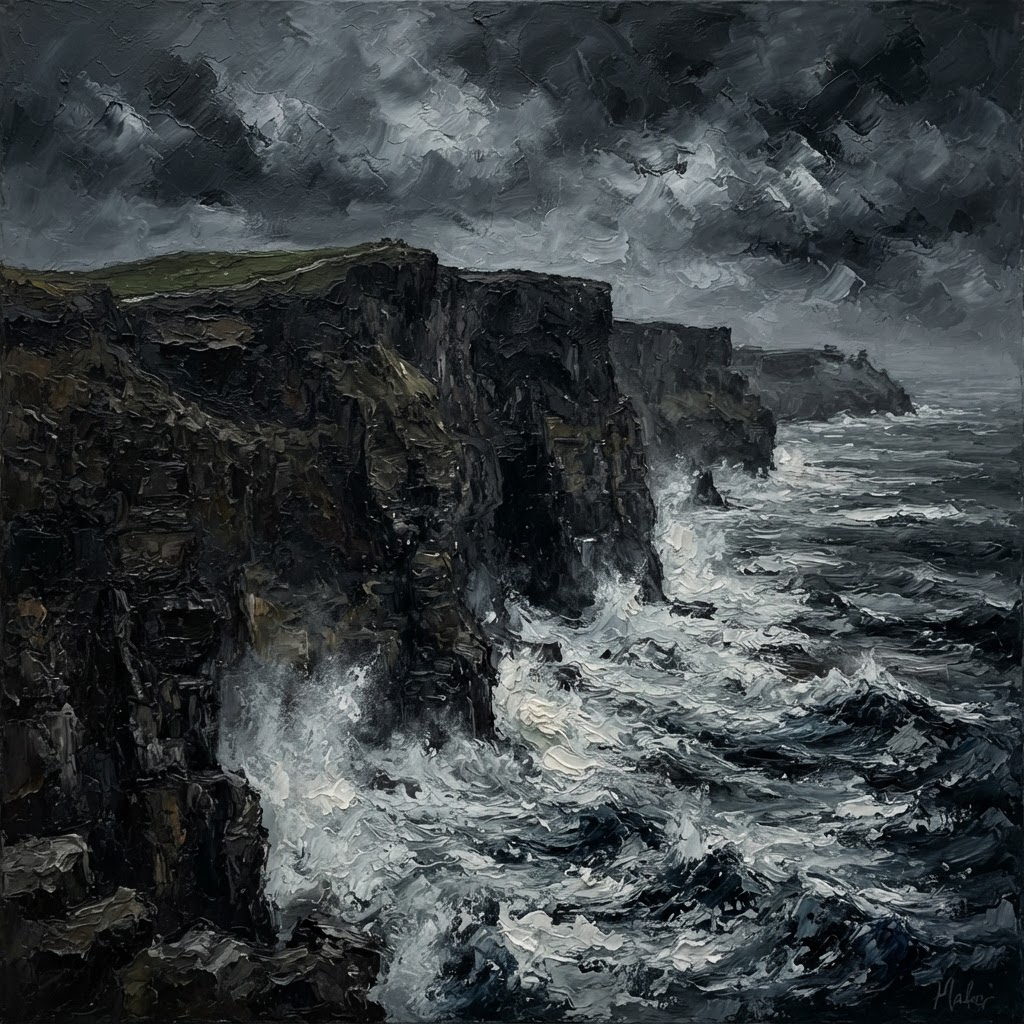
To effectively interpret moody Ireland painting ideas, one must first understand that the beauty of the Irish landscape lies in its constant, fleeting transitions. The interplay between heavy cloud cover and piercing sunbeams creates a dramatic tension that is perfect for oil or acrylic landscapes. Focus on the saturation of greens, specifically using ochres and raw umbers to ground the vibrant, wet foliage found throughout rural Ireland.
When planning your composition, think about the “drama of the periphery.” Rather than centering the subject, allow the weather to occupy the majority of the frame. This approach mimics the feeling of being stood on a cliffside, feeling the scale of the landscape wash over you. Utilize glazing techniques to build up layers of transparent color, which helps in creating the depth necessary for a realistic, atmospheric finish.
Essential Tools for Moody Textures
Achieving that signature “moody” look often comes down to the tools you select. Use hog-hair brushes for thick, impasto applications of dark foreground rocks, and switch to soft, synthetic mop brushes for blending the sky and distant hills. This contrast in texture creates a visual hierarchy that guides the viewer’s eye through the painting.
12 Inspired Concepts for Your Canvas
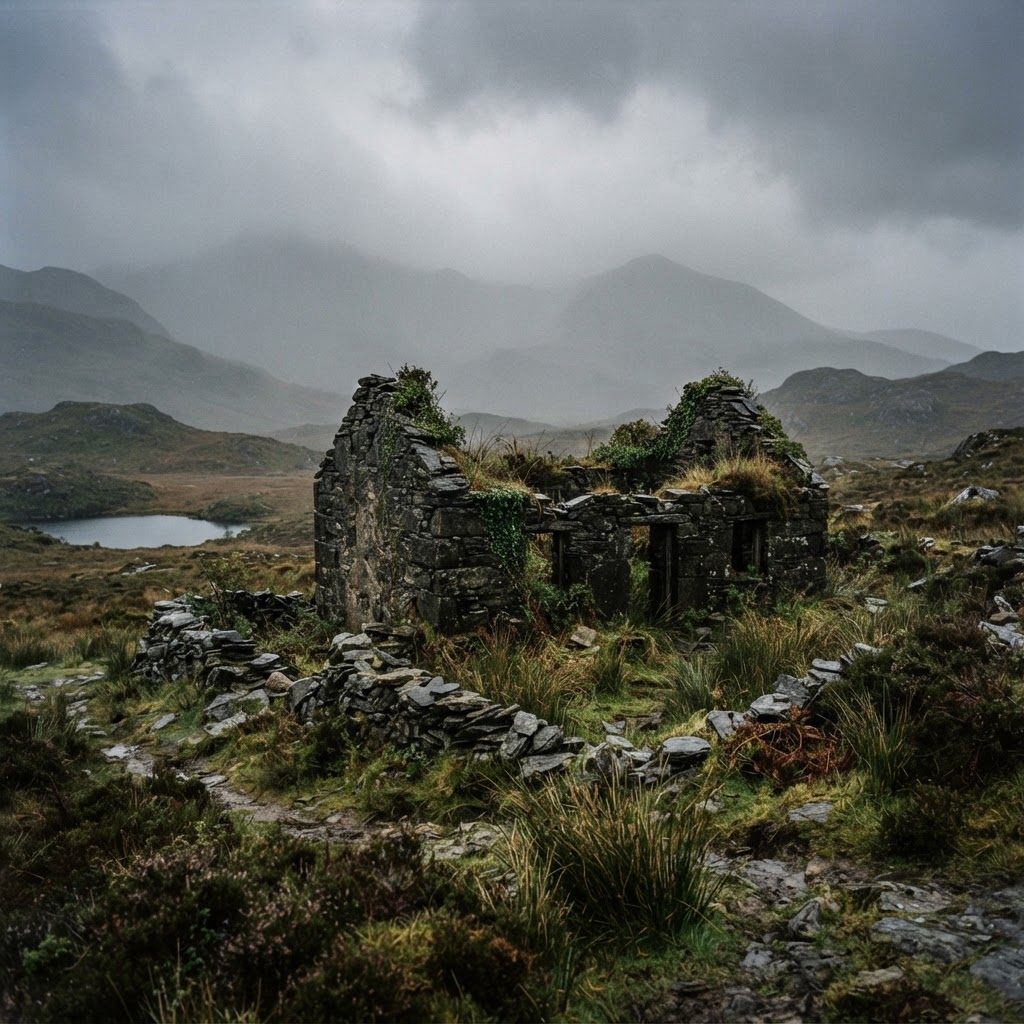
Finding specific subjects is the next step in manifesting your artistic vision for a moody Irish series. Here are twelve distinct ideas inspired by the rugged terrain of the island:
- The Cliffs of Moher in a storm, focusing on the dark vertical shadows.
- A derelict stone cottage in Connemara, framed by encroaching dark clouds.
- The jagged Skellig Islands emerging from a heavy sea mist.
- A rain-slicked country road reflecting the gray sky of County Kerry.
- Deep purple heather on the Wicklow mountains under an overcast sunset.
- The crashing surf of the Wild Atlantic Way during a high tide.
- An ancient, moss-covered ring fort hidden within a dense, gloomy forest.
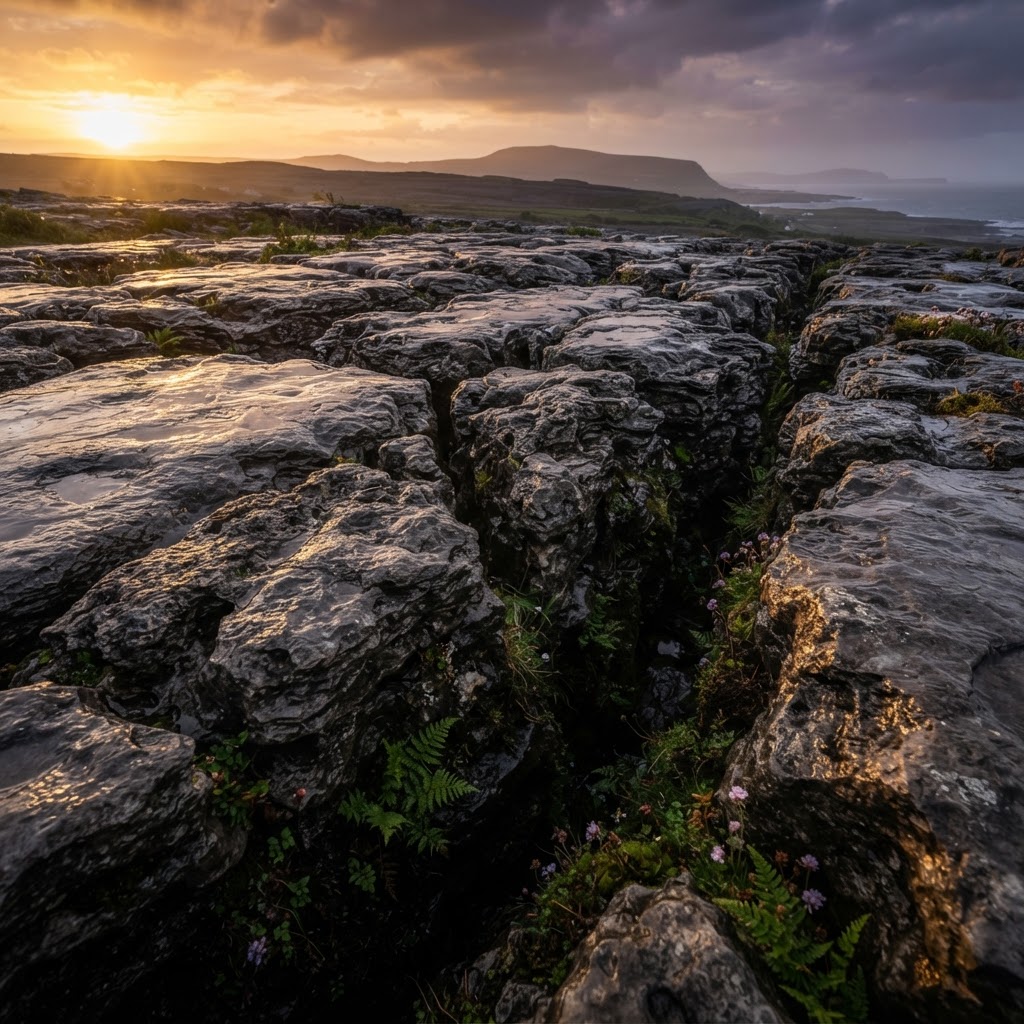
- Low-hanging fog rolling over the Burren limestone pavement.
- A lone boat pulled up on a damp, shingle beach at dusk.
- The silhouette of a round tower against a charcoal-colored horizon.
- Winter fields in Mayo, saturated with deep, cool emerald tones.
- The aftermath of a rain shower over a Donegal peat bog.
Comparing Atmospheric Techniques
Choosing the right medium to capture these moods can significantly influence the final outcome of your work. Use this table to decide which technique best fits your aesthetic preferences when developing your moody Ireland painting ideas.
Incorporating Dramatic Lighting
Lighting is the most powerful element in landscape painting, especially when you are trying to evoke a sense of melancholy or mystery. To capture the light of Ireland, avoid using pure white or pure black; instead, mix your darks using complementary colors like burnt umber and ultramarine blue to achieve a “chromatic black.” This adds a richness and complexity that pure black lacks.
Look for “god rays” or crepuscular rays that break through dense clouds. These rays provide a perfect focal point for a landscape. By placing a small, illuminated patch of light on a dark landscape, you create an immediate emotional connection and a sense of hope amidst the moodiness, which is a hallmark of the Irish spirit.
Painting the Wild Atlantic Way
The coastal regions offer the most intense material for artists looking for dramatic, moody scenery. The coastline is defined by its volatile weather, where the tide and wind are constantly reshaping the shore. Focus on capturing the spray and the salt-air haze that softens the horizon line, making the distant landmasses feel like ghosts in the distance.
The Importance of Foreground Interest
When painting the Atlantic coast, do not forget to include foreground elements such as jagged rocks, wet seaweed, or pools of water. These details provide scale and realism, preventing the expansive ocean views from appearing flat or uninteresting. Keeping your foreground dark and your background light is a classic trick to push the horizon back and add depth to your composition.
Developing Your Personal Style
Artists often find that their best work emerges when they stop copying reality and start interpreting the feeling of the environment. Don’t be afraid to exaggerate the colors of the bog or the darkness of the stormy sky. Using a limited palette—perhaps just four or five colors—can actually lead to more cohesive and moody results, as it forces you to focus on values rather than just colorful hues.
Experiment with different canvas textures as well. A rough, heavy-grain canvas works beautifully with thick, moody landscapes, as it catches the paint and creates natural shadows that enhance the sense of wildness. Trust your instincts; if the painting feels “too bright,” add a thin wash of gray or blue to unify the scene.
FAQ
What are the best colors to use for a moody Irish landscape?
The best colors for a moody Irish landscape include deep Payne’s gray, burnt umber, sap green, ultramarine blue, and touches of ochre or burnt sienna. These earth tones help to create a grounded, atmospheric look that perfectly captures the misty and often overcast Irish climate.
How do I paint convincing Irish rain and mist?
You can create the appearance of rain and mist by using a dry brush technique or soft, wide-bristled brushes to blur your mid-ground and background layers. Applying a very thin, translucent glaze of white or pale blue over a darker scene can also simulate the veil of falling rain.
Why is the Irish landscape considered so moody?
The Irish landscape is considered moody due to its rapidly shifting weather patterns and the high humidity, which creates a constant, natural haze. This combination of Atlantic storms and broken light provides a dramatic, ever-changing backdrop that is inherently atmospheric and emotionally resonant.
Can I paint Irish landscapes without visiting Ireland?
Yes, you can paint evocative Irish landscapes by studying high-quality photographs, watching nature documentaries, and focusing on the essential elements of texture and light. Many artists successfully capture the “essence” of a place by focusing on the feeling of the light and the quality of the earth rather than precise geographical detail.
Conclusion
Creating moody Ireland painting ideas is an exercise in observing the dramatic interplay between light, weather, and the rugged, ancient earth. By focusing on tonal values, layering your colors, and embracing the imperfect beauty of a storm-tossed landscape, you can bring the spirit of the Wild Atlantic Way into your own studio. Start your series today by picking one of the twelve themes above and letting the Irish weather guide your brushstrokes. We would love to see your finished work—share your progress with us on social media and join our community of landscape painters!
Leave a Reply