
Cozy Winter Nights in Norway: The Ultimate Guide to Koselig
Experiencing cozy winter nights in Norway centers on the cultural philosophy of koselig, a state of intentional intimacy, warmth, and shared happiness designed to embrace the arctic darkness. By prioritizing soft lighting, natural textures, and hearty comfort foods, travelers can transform the long polar nights into a profound, restorative sanctuary.
Understanding the Spirit of Koselig
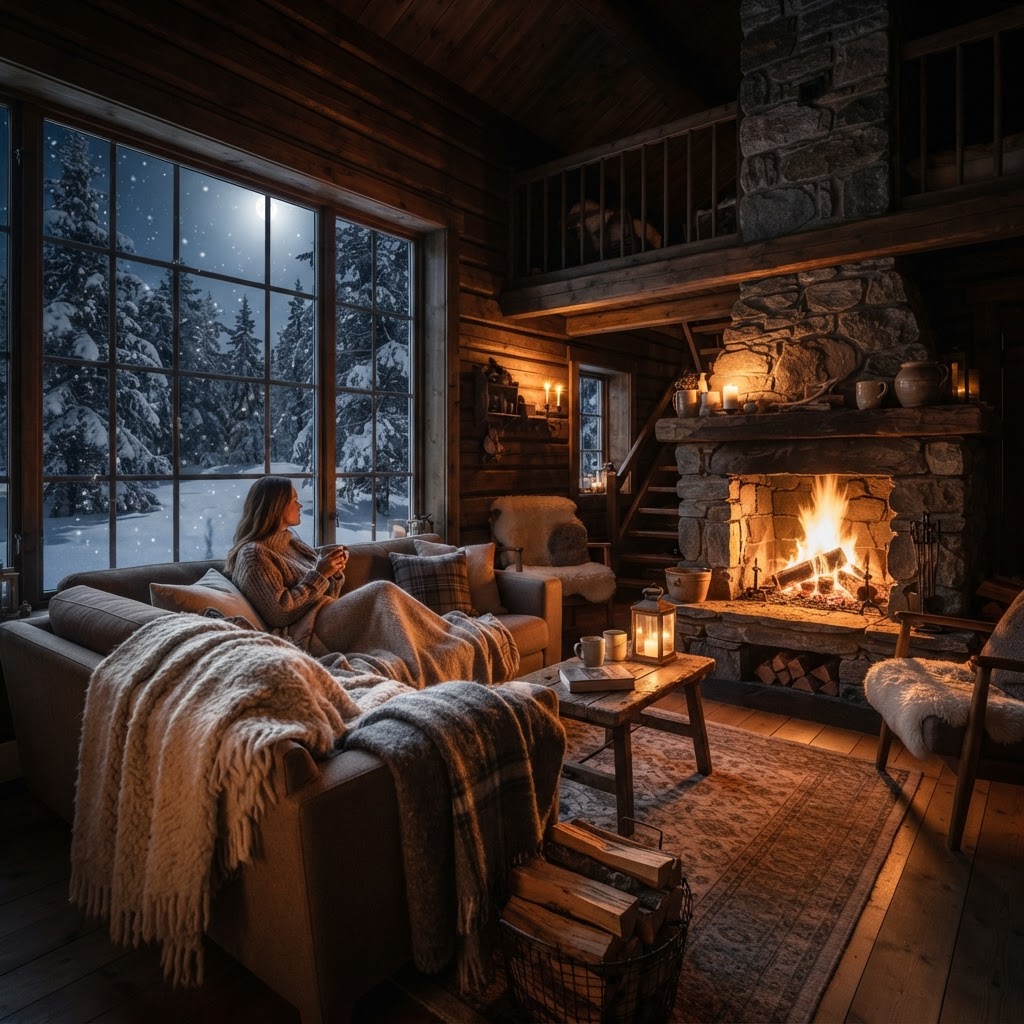
To truly grasp what makes winter in Norway so special, one must first understand the concept of koselig, which translates roughly to coziness but carries a deeper weight of belonging and emotional warmth. It is an intentional cultural practice used to combat the psychological effects of the polar night, which lasts from late November to mid-January in regions above the Arctic Circle. Creating a koselig environment requires a specific design aesthetic focused on soft, warm lighting (typically 2700K or lower) and natural textures like wool, sheepskin, and untreated wood.
Research suggests that the Norwegian focus on creating indoor micro-climates of comfort is a primary factor in the country’s high life-satisfaction rankings during winter months. Instead of resisting the cold, the environment encourages a retreat into the home as a fortress of tranquility. This involves the “hygge-adjacent” ritual of lighting beeswax candles, which contain negative ions that may improve air quality, and utilizing thick, high-quality wool textiles to create physical barriers against the chill. By curating a sensory experience—sound (crackling fire), sight (dim, ambient light), and touch (layered wool)—you engage in the authentic spirit of the Norwegian winter.
Creating a Koselig Environment
Creating this environment is an intentional act. It involves soft lighting, natural textures like wool and wood, and the presence of loved ones or a good book. During the long winter months, Norwegians turn their homes into fortresses of comfort, utilizing everything from thick knit sweaters to the communal warmth of a fireplace.
Finding Your Perfect Winter Retreat
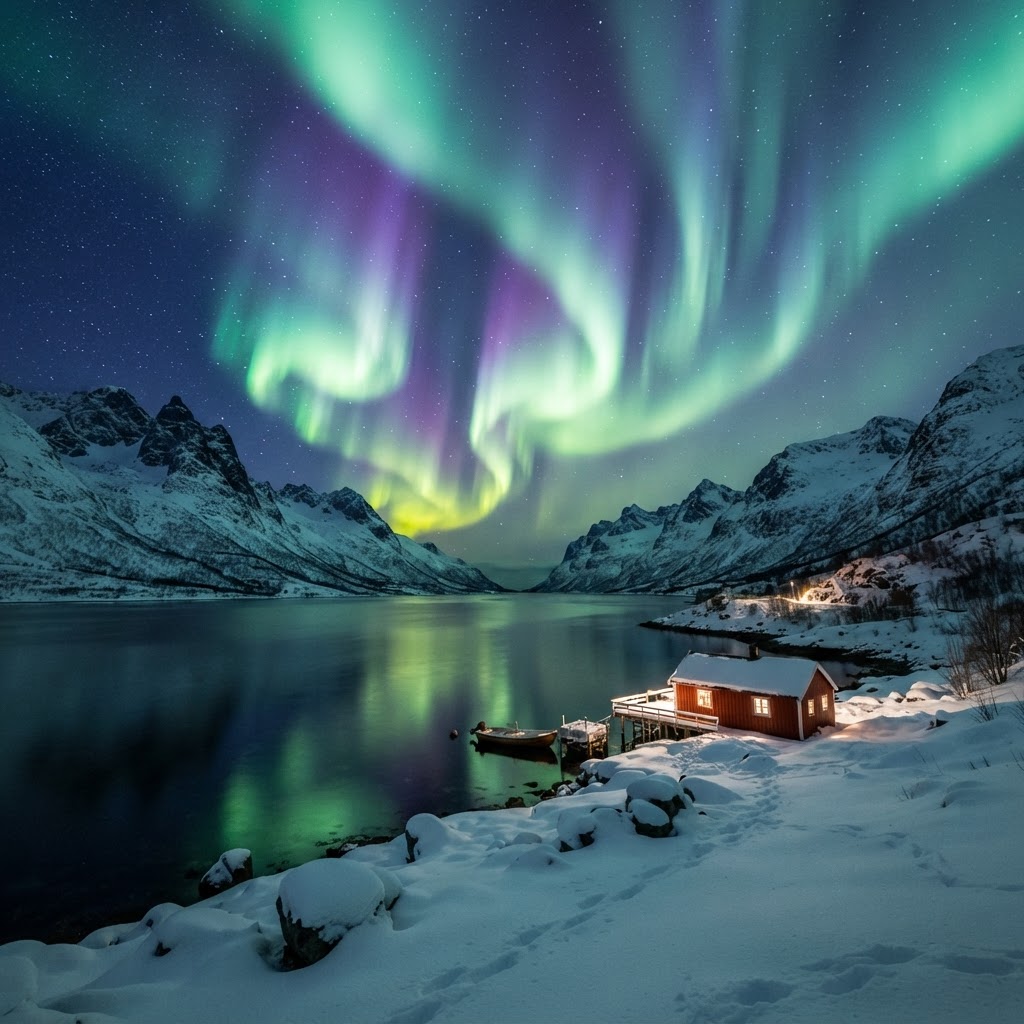
Norway offers a variety of accommodations that prioritize the feeling of home during the winter months, with the traditional ‘hytte’ (mountain cabin) standing as the gold standard for immersion. Staying in a hytte typically costs between 1,500 NOK to 5,000 NOK ($140–$470 USD) per night depending on the level of luxury, such as modern glass-fronted designs versus off-grid rustic structures.
| Cabin Type | Best For | Typical Features |
|---|---|---|
| Rustic Hytte | Budget Travelers | Wood stove, outhouse, no running water |
| Modern Villa | Luxury Seekers | Floor-to-ceiling glass, sauna, WiFi |
| Fjord Lodge | Nature Lovers | Direct water access, terrace, fireplace |
Selecting your retreat depends on your threshold for solitude versus convenience. Many remote cabins in Telemark or Jotunheimen require a short trek via snowshoes to reach, providing the silence necessary for true reflection. Conversely, cabins near resorts like Geilo or Hemsedal offer proximity to ski lifts while maintaining the architectural charm of traditional Norwegian design. Choosing the right cabin can turn a standard vacation into a transformative retreat by aligning your physical environment with the slow pace of the Arctic season.
Types of Norwegian Cabins
If you are planning your trip, consider the different styles of cabins available. Some are rustic, requiring you to chop your own firewood and fetch water, while others offer luxury amenities like saunas and floor-to-ceiling glass windows perfect for stargazing. Choosing the right cabin can turn a standard vacation into a transformative retreat.
Chasing the Northern Lights
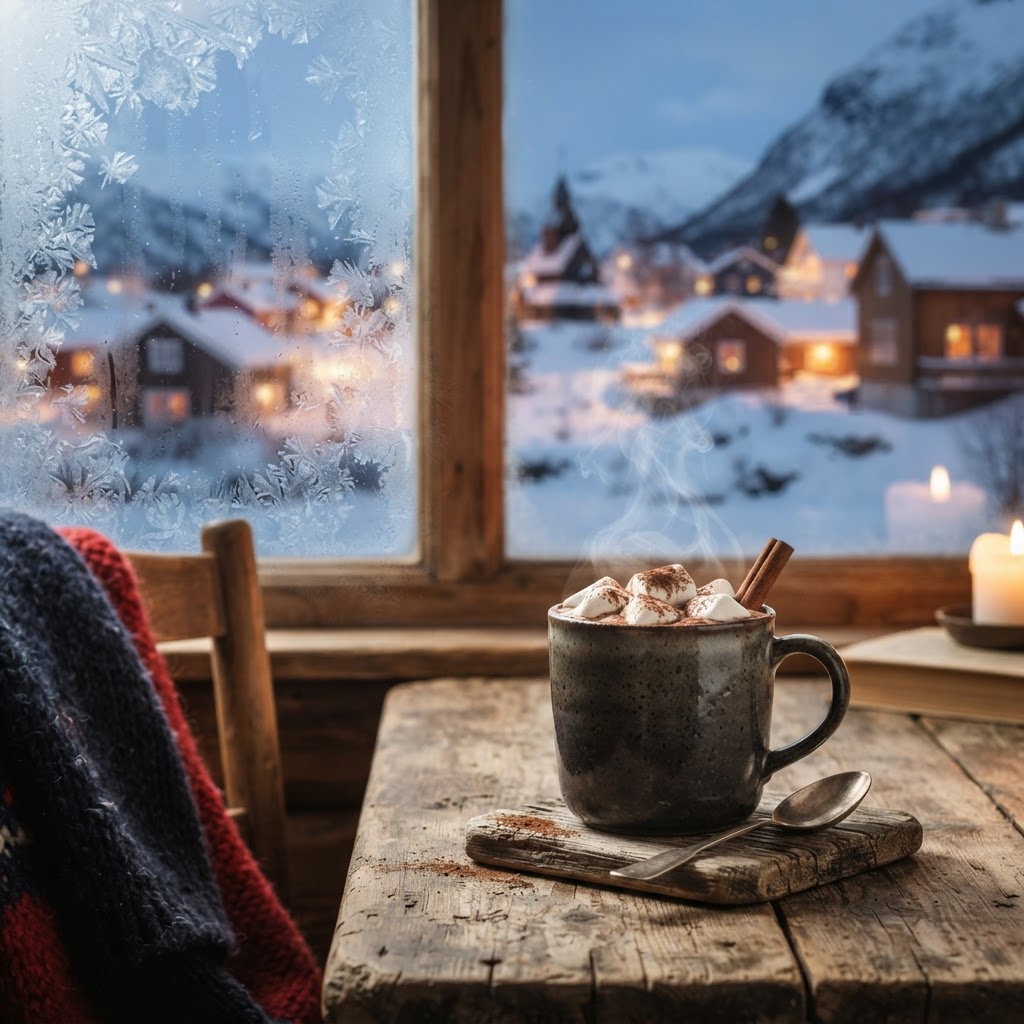
No winter trip to Norway is complete without a journey to see the Aurora Borealis, which is most visible when the Kp-index is above 3.0 during clear, moonless nights between September and March. Waiting for the lights is a meditative process that rewards patience; it requires finding a location away from the light pollution of city centers, often involving a drive of 30 to 60 minutes into the deep wilderness.
| Location | Viewing Probability | Unique Appeal |
|---|---|---|
| Tromsø | High | Accessible urban base, abundant tours |
| Lofoten | Moderate | Coastal reflections, sharp peaks |
| Alta | Very High | “City of Northern Lights,” stable climate |
While the spectacle itself is awe-inspiring, the act of waiting is essential to the experience. Experienced guides suggest dressing in three layers—a merino wool base, an insulating mid-layer, and a windproof outer shell—to ensure you can remain stationary in temperatures that often drop below -15°C (5°F) for extended periods. The meditative nature of the hunt perfectly matches the quiet, reflective spirit of the Norwegian winter.
Best Spots for Viewing
- Tromsø: Known as the gateway to the Arctic, offering easy access to tours and amenities.
- Lofoten Islands: Offers dramatic mountain backdrops against the dancing lights.
- Alta: Famous for its stable weather patterns and historic importance in aurora research.
Traditional Norwegian Winter Cuisine
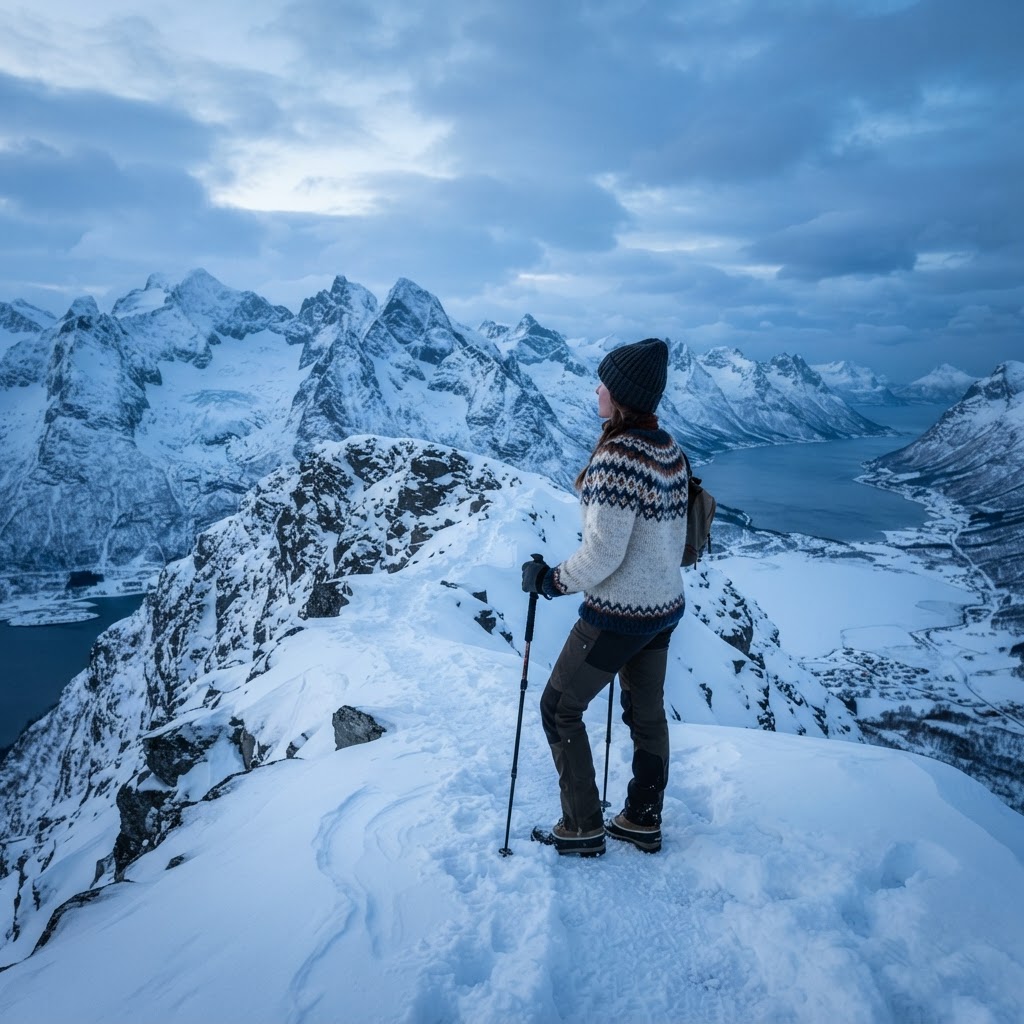
Food serves as the cornerstone of the Norwegian winter, providing essential caloric density to maintain body heat while fostering social connection. Traditional winter dishes are rooted in historical preservation methods like salting, drying, and slow-cooking, which allow for nutrient-dense meals that satisfy the cravings brought on by cold exposure.
Lapskaus is a quintessential stew utilizing root vegetables and high-quality beef or lamb, typically costing 200–300 NOK ($18–$28 USD) in a standard restaurant. Lefse, a soft flatbread made from potatoes, butter, and cinnamon-sugar, acts as the primary comfort dessert, often paired with dark-roast coffee. The emphasis is on slow-eating—a concept known as ‘langmiddag’ or long-dinner—where a meal can easily span three or four hours. This intentional pacing is a fundamental aspect of koselig, turning caloric intake into an experience of communal bonding. When visiting, prioritize local markets for ingredients like ‘brunost’ (brown cheese) and cloudberry jam to replicate these traditional flavors in your own cabin kitchen.
Essential Winter Comfort Foods
Norwegian winter cuisine is designed to fuel the body against the cold. You should look for ‘lapskaus,’ a traditional meat and vegetable stew, or freshly baked ‘lefse,’ a soft flatbread that pairs perfectly with warm coffee. These meals are rarely rushed; they are meant to be enjoyed over long conversations, adding another layer to the concept of koselig.
Outdoor Activities for Winter Days
While the concept of cozy winter nights in Norway emphasizes indoor comfort, the daytime hours are for embracing the crisp arctic air. Norwegians follow the philosophy ‘Det finnes ikke dårlig vær, bare dårlige klær’ (There is no bad weather, only bad clothing), which encourages daily activity despite temperatures that often hover between -5°C and -20°C.
Popular activities include cross-country skiing, which is ingrained in the national identity, with over 40,000 km of prepared trails nationwide. For those seeking intensity, dog sledding offers an immersive way to cover 20–40 km of frozen plateau in a single morning. If you prefer a slower pace, snowshoeing is highly recommended for reaching vantage points like the peaks of the Lyngen Alps, where the lack of infrastructure preserves the silence. By engaging in 2-3 hours of outdoor activity, you release endorphins that act as a natural defense against the seasonal depression often associated with the dark season, making your evening by the fire feel significantly more earned and restorative.
Winter Sports and Exploration
From dog sledding across vast, frozen plateaus to cross-country skiing through pine forests, the Norwegian landscape becomes a playground in the winter. If you prefer a slower pace, snowshoeing offers a way to reach vantage points that are inaccessible by vehicle. The contrast between a day spent trekking in the snow and an evening curled up by the fire is what makes the experience so rewarding.
Preparing for Your Trip to Norway
Planning a trip to the high north requires rigorous preparation, especially regarding the ‘polar night’ period where the sun may not rise above the horizon for weeks. The primary challenge is thermal regulation; since humidity in Norway can be high, choosing the correct fabric is non-negotiable for safety.
Stick exclusively to Merino wool for your base layers. Unlike cotton, which loses all insulating properties when damp, merino wool maintains warmth even when saturated with sweat or snow. You should anticipate needing a 200–250g/m² weight base layer for sub-zero temperatures. For footwear, look for boots with a Vibram sole or similar high-traction rubber compound to navigate icy streets, which are often not cleared of all snow. A headlamp with a minimum of 300 lumens is a mandatory safety item for any excursion, as the limited daylight means travel often occurs in total darkness. By respecting the climate through proper gear, you remove the physical stress of the cold, allowing your mind to focus entirely on the restorative benefits of the Arctic environment.
What to Pack for Maximum Coziness
- Merino wool base layers (top and bottom).
- A thick, high-quality wool sweater.
- Waterproof, insulated outer layers.
- Sturdy, grip-soled boots for icy streets.
- A headlamp for navigating during the polar night.
The Psychology of the Dark Season
Many travelers are intimidated by the lack of sunlight, but for those who know how to manage it, the dark season is incredibly restorative. The shift in light forces a change in rhythm. The body naturally wants to rest more, and the culture of Norway supports this shift. Instead of fighting the darkness, you learn to lean into the silence and the peace it brings.
Benefits of the Arctic Lifestyle
This lifestyle shift can have profound effects on your well-being. By stepping away from the constant noise of modern life and engaging with the slow, intentional pace of a Norwegian winter, you return home with a renewed sense of clarity. The focus on human connection and physical comfort provides a necessary reset for the nervous system.
FAQ
Q: What is the best month to visit Norway for a cozy winter experience?
February is the ideal time to visit because the days are lengthening, providing enough light for outdoor activities, yet the snow remains deep and the nights are still dark enough for viewing the Northern Lights.
Q: Is it safe to travel in Norway during the dark season?
Yes, Norway is exceptionally safe for travel during winter, provided you have proper winter tires for driving and high-quality, weather-appropriate clothing for navigating the outdoors.
Q: Do I need special equipment to experience the Northern Lights?
No special gear is required, but a tripod for your camera and a warm headlamp are highly recommended for capturing photos and navigating safely in pitch-black conditions away from city lights.
Q: How much should I budget for a weekly winter trip to Norway?
Budgeting between $1,500 and $2,500 USD per person for one week is realistic; this covers mid-range accommodation, basic dining, and a few guided excursions like husky sledding or aurora tours.
Q: What is the most important item to pack for a Norwegian winter?
A high-quality, heavy-gauge Merino wool sweater is the most important item; it provides superior insulation, manages moisture effectively, and is a staple of Norwegian fashion that will keep you warm in almost any Arctic condition.
Leave a Reply