
The best places to see the northern lights are Tromso (Norway), Abisko (Sweden), Reykjavik (Iceland), Fairbanks (Alaska), and Lapland (Finland). These locations offer the highest probability of sightings between September and April due to their strategic positioning beneath the ‘aurora oval,’ where geomagnetic activity is most concentrated and skies remain frequently clear.
Tromso, Norway: The Arctic Capital
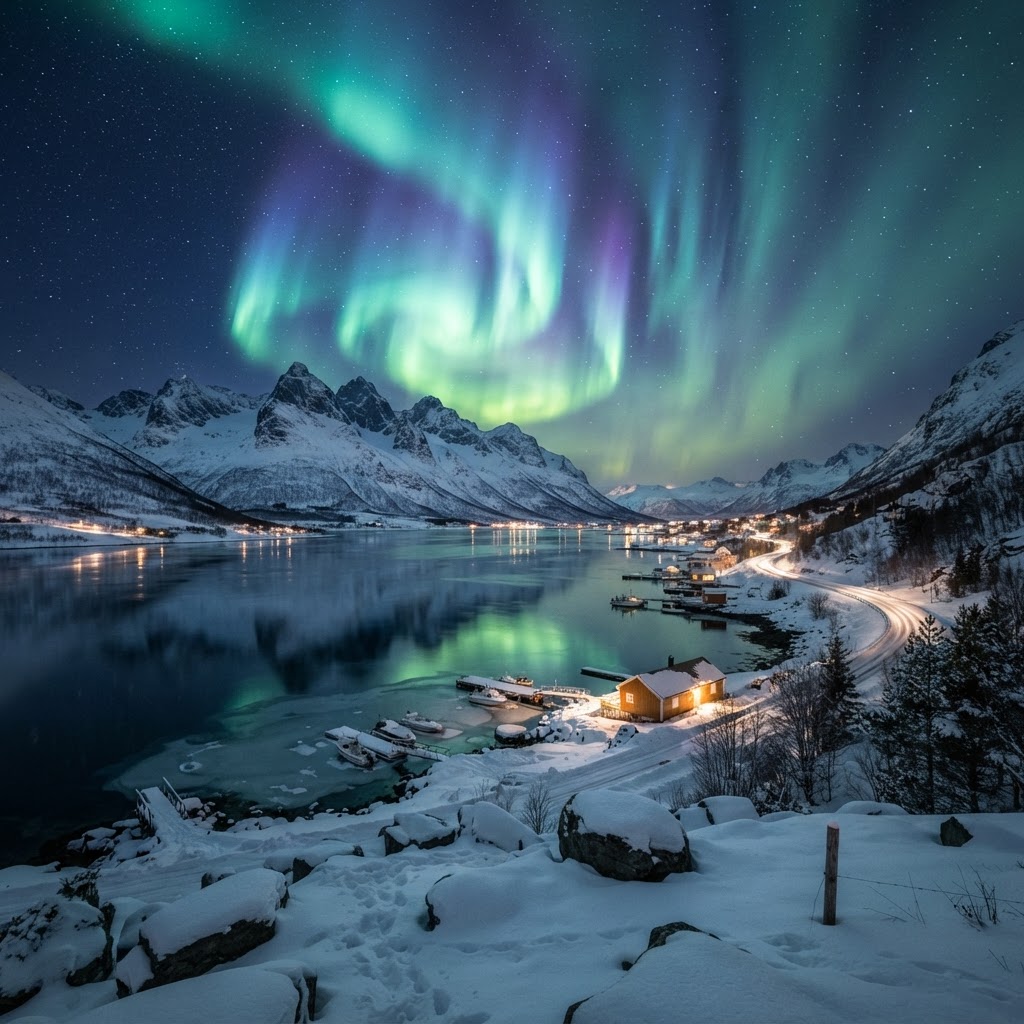
Tromso is widely considered one of the best places to see the northern lights due to its location right in the center of the aurora oval. Situated 217 miles north of the Arctic Circle, it offers a high probability of sightings between September and April. The city itself is vibrant, offering whale watching, dog sledding, and reindeer encounters during the day. Access is convenient via a 1.5-hour flight from Oslo, and local tour operators boast a 90% success rate in finding clear skies by driving into the interior.
The Best Viewing Spots Near Tromso
While you can often see the lights from the city center, for the most spectacular displays, venture out to the islands of Kvaloya or Sommaroy. Professional guides often travel inland toward the Finnish border if the coastal skies are cloudy, ensuring you find clear gaps in the weather. For the best photography, aim for the coastal fjords between 10 PM and 2 AM when geomagnetic activity typically peaks.
Abisko, Sweden: The Blue Hole
Abisko is famous for its unique microclimate known as the ‘Blue Hole,’ a patch of sky that remains clear due to surrounding mountains, even when the rest of Scandinavia is overcast. This geographical anomaly creates a 70% success rate for clear night skies, making it a premier destination for those serious about aurora borealis travel. Visitors often base themselves near the STF Abisko Turiststation, which provides direct access to the Aurora Sky Station via a chairlift, elevating you 900 meters above sea level for an unobstructed 360-degree view.
| Location | Best Months | Peak Viewing Time | Typical Cost (USD/day) |
|---|---|---|---|
| Tromso | Sept – April | 9 PM – 2 AM | $200 – $400 |
| Abisko | Oct – March | 10 PM – 1 AM | $150 – $350 |
| Fairbanks | Sept – March | 11 PM – 3 AM | $250 – $500 |
Reykjavik and Rural Iceland
Iceland is perhaps the most accessible arctic adventure destination for international travelers, offering a blend of volcanic landscapes and auroral displays. While Reykjavik is a great base, the true magic happens when you escape the light pollution. Driving the Golden Circle or heading toward the Snaefellsnes Peninsula provides darker skies and dramatic volcanic backdrops, which are essential for northern lights photography. Average winter temperatures hover around 0°C (32°F), making it the most temperate destination for aurora hunting. Visitors should monitor the Vedur.is cloud cover forecast to identify ‘green zones’ where clear skies align with high Kp-index readings.
Fairbanks, Alaska: The US Hotspot
For travelers within North America, Fairbanks is arguably the best place to see the northern lights due to its specific location under the ‘aurora belt.’ It experiences frequent geomagnetic activity, often seeing the lights on 200+ nights per year. Visitors can combine their viewing with a trip to Chena Hot Springs, located 60 miles from downtown, where you can soak in 106°F thermal water while the sky dances above you. The peak aurora season here runs from late August through April. For the best experience, rent a vehicle to reach the Ester Dome for a panoramic view away from city lights.
Lapland, Finland: Luxury Under the Stars
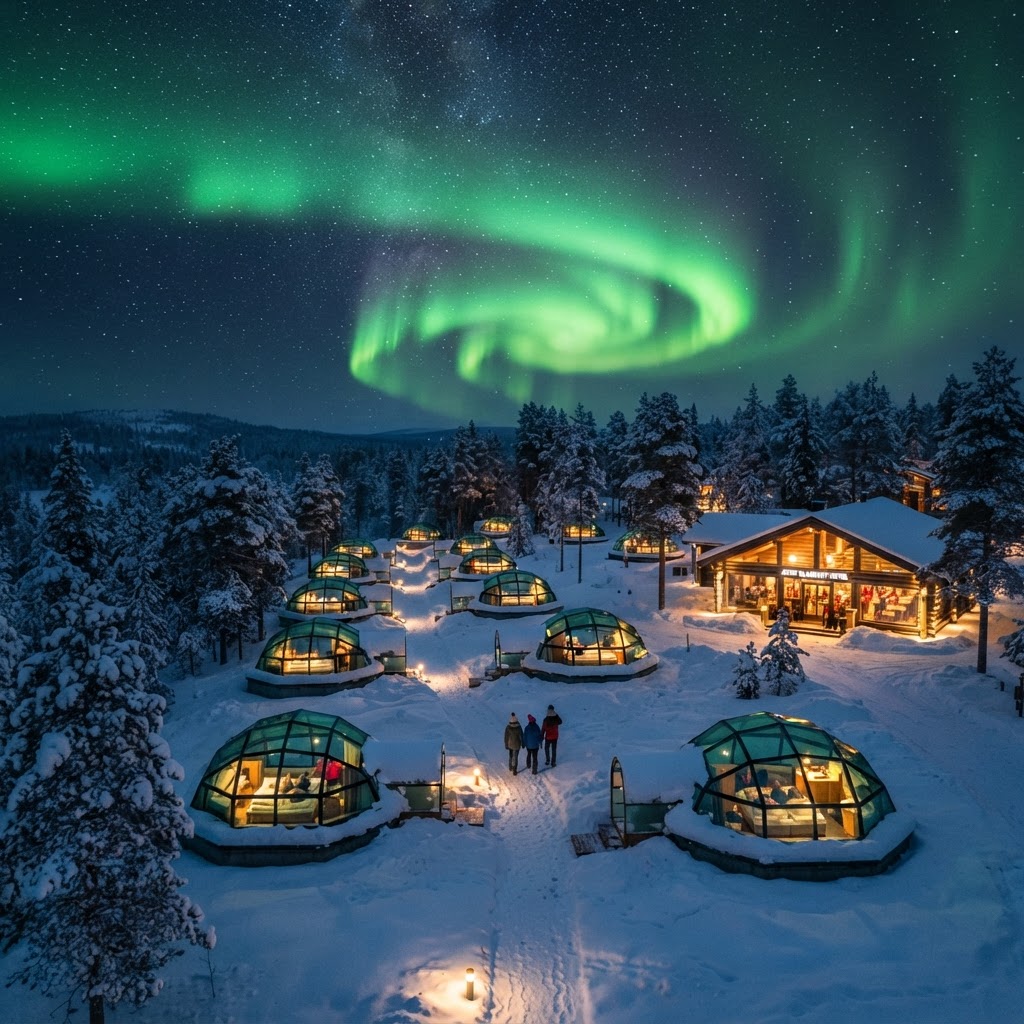
Finland has revolutionized the aurora experience with its iconic glass igloos, allowing you to watch the lights from the comfort of a heated bed. Located in regions like Saariselka and Rovaniemi, these accommodations are built with thermal glass to prevent frosting during extreme sub-zero temperatures. This is the perfect option for those who want to minimize the physical toll of traditional aurora hunting. Travelers should budget for these premium stays, which often range from $500 to $900 per night during peak season (December to February). Beyond the lights, the region offers husky sledding and visits to Santa Claus Village for a well-rounded winter holiday.
Essential Tips for Success
To maximize your chances, keep these expert tips in mind:
- Check the aurora forecast daily using reputable apps like My Aurora Forecast.
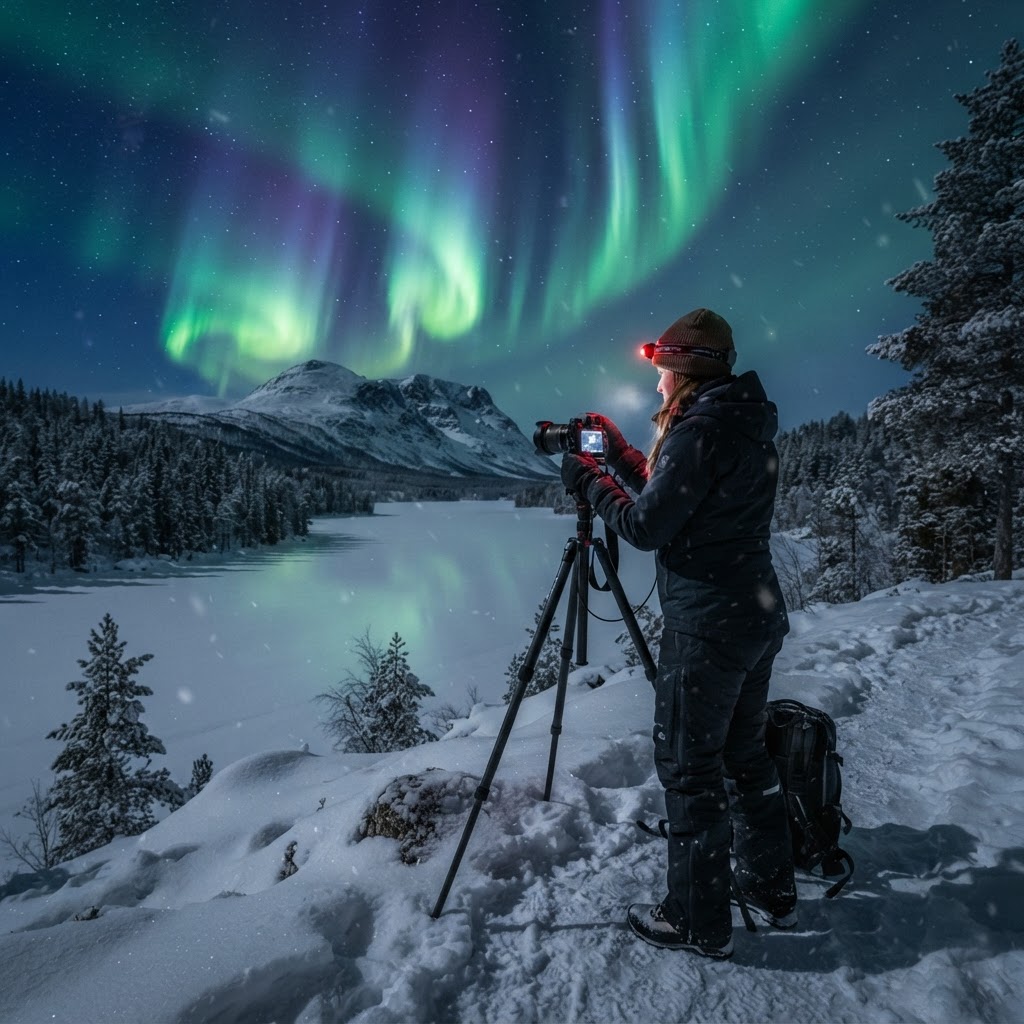
- Invest in a tripod; you cannot capture the lights handheld. Exposure times often need to be between 5-15 seconds.
- Dress in layers, specifically focusing on merino wool base layers to wick moisture away while waiting in temperatures as low as -30°C.
- Be patient; the lights can appear suddenly and vanish in minutes, so keep your camera gear ready at all times.
FAQ
Q: What is the best month to see the northern lights?
The best months to see the northern lights are typically from late September to March. During this period, the nights are longest and darkest in the Arctic, providing the maximum opportunity to view the aurora borealis against a clear, pitch-black sky.
Q: Do I need a professional camera to see the northern lights?
No, you can see the northern lights with the naked eye, though a camera captures them better. The aurora often looks like a faint grey mist to the human eye, but long-exposure photography on a smartphone or DSLR reveals the vivid greens and purples.
Q: Is there a specific time of night when the lights appear?
The northern lights are most active between 10 PM and 2 AM. While they can appear at any time after sunset, the magnetic activity within the aurora oval typically hits its daily peak during these late-night hours.
Q: What is the Kp-index in aurora forecasting?
The Kp-index is a scale from 0 to 9 that measures geomagnetic activity. A higher Kp-index indicates more intense solar activity, which generally results in a brighter, more widespread, and more active display of the northern lights across the sky.
Q: Can you guarantee a sighting of the northern lights?
No destination can guarantee a sighting because the northern lights are a natural phenomenon dependent on solar activity and clear weather. However, staying in regions like Abisko or Tromso for at least four nights significantly increases your statistical probability of success to over 80%.
Leave a Reply