
Charming Spanish Villages Perfect for Autumn Travel
The most charming Spanish villages to visit in autumn include Albarracín, Candelario, Ainsa, La Alberca, Rupit i Pruit, and Grazalema. These destinations offer mild temperatures, stunning fall foliage, and authentic harvest festivals, providing a perfect alternative to the crowded summer tourist season in Spain.
The Magic of the Spanish Harvest Season
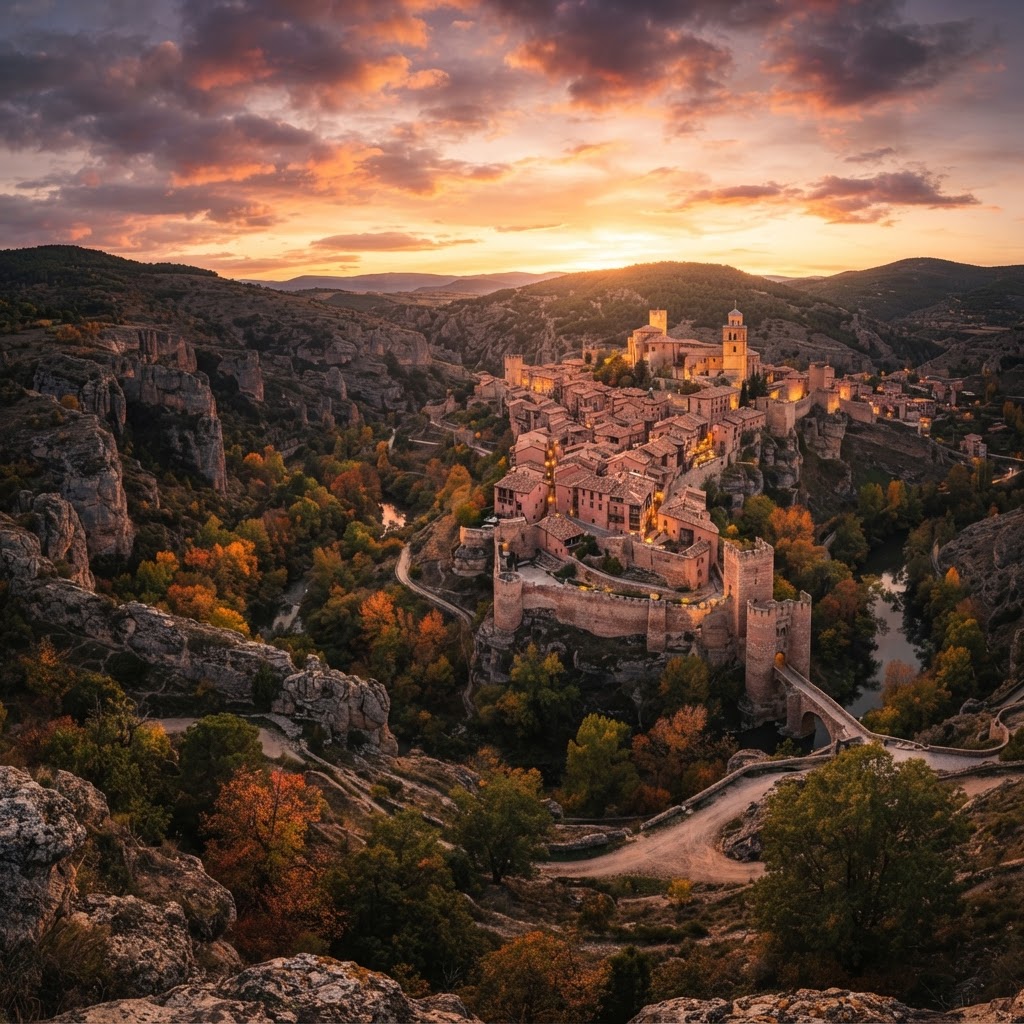
Autumn in Spain, known locally as ‘la vendimia’ or the grape harvest season, transforms rural landscapes into a tapestry of gold, amber, and crimson. From September through November, vineyards shift from vibrant green to burnt orange, marking a period of intense cultural activity and celebration across the countryside. Visiting during these months allows travelers to witness centuries-old traditions that remain largely untouched by mass tourism. The harvest season is not just about viticulture; it is a time when rural communities celebrate the year’s agricultural bounty with local fairs and gastronomic events. For travelers, this provides a unique opportunity to engage with authentic Spanish culture while enjoying the tranquility of the countryside. Beyond the visual beauty, the weather plays a crucial role in the travel experience. The relentless heat of summer dissipates, leaving behind mild, sunny days perfect for outdoor activities and crisp evenings ideal for enjoying local wine by a fireplace. This period is the optimal window for slow travel, where the emphasis shifts from rushing between monuments to soaking in the local atmosphere.
Comparison of Spanish Autumn Destinations
| Village | Best Known For | Prime Fall Feature | Activity Level |
|---|---|---|---|
| Albarracín | Medieval Architecture | Fall Foliage | Moderate |
| Candelario | Traditional Curing | Mountain Trails | High |
| Ainsa | Gateway to Pyrenees | Red Beech Forests | High |
| Grazalema | Lush Landscapes | Greenery/Hiking | High |
Why Fall Is the Best Time for Exploration
Beyond the festivals, the weather plays a crucial role. Gone are the days of relentless sunshine that make afternoon sightseeing a chore. Instead, you get mild days perfect for hiking and cool nights that call for a warm glass of local red wine by a crackling fireplace. This is the ideal window for those who appreciate slow travel and authentic cultural immersion. Prices for rural accommodations, or ‘casas rurales,’ often drop by 15-20% compared to peak summer months, and availability is significantly better for last-minute bookings. The autumn months also coincide with the mushroom foraging season, a major culinary highlight in the northern and central regions of Spain.
Albarracín: A Medieval Time Capsule
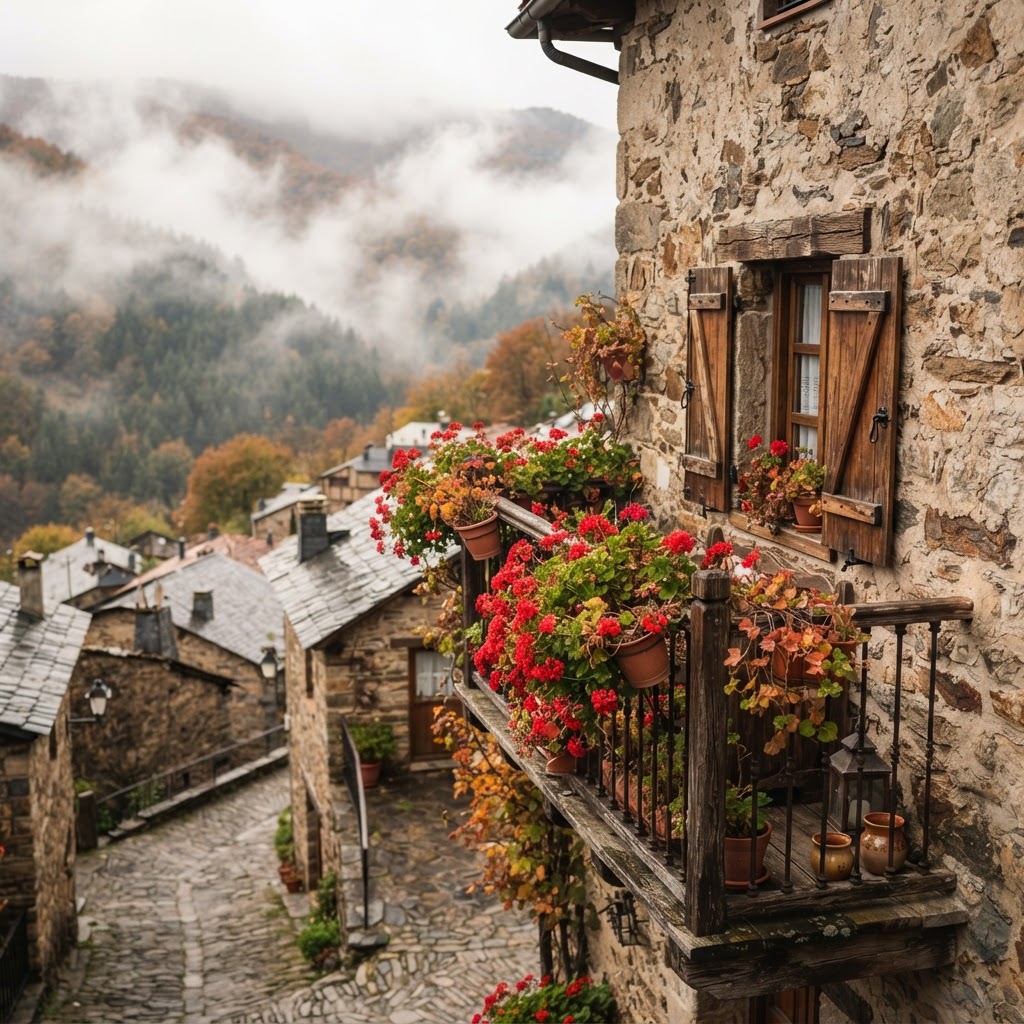
Often voted the most beautiful village in Spain, Albarracín sits perched on a rocky hill in the province of Teruel, offering a step back into the Middle Ages. Its narrow, winding streets and iconic pink-hued stone houses feel frozen in time, creating a cinematic atmosphere that peaks in autumn. The surrounding landscape of the Sierra de Albarracín turns into a stunning canvas of fall colors that contrast sharply against the ancient fortification walls that define the village skyline. Visitors should aim to visit between late October and early November for the most vibrant foliage. Walking the perimeter walls at sunset provides an unparalleled view of the village nestled in the deep river canyon. You can also explore the historic cathedral, which dates back to the 16th century, or simply enjoy the silence that descends on the town once the day-trippers head back to the city. The crisp mountain air here is particularly refreshing during late October and early November, making it a perfect base for photographers and hikers looking to capture the contrast between the historic masonry and the golden season. Accommodation options, such as restored medieval manors, offer high-end comfort at roughly €90-€130 per night, providing a luxury experience in a historic setting.
Things to Do in Albarracín
Walking the perimeter walls at sunset provides an unparalleled view of the village nestled in the deep river canyon. You can also explore the historic cathedral or simply enjoy the silence that descends on the town once the day-trippers head back to the city. The crisp mountain air here is particularly refreshing during late October and early November.
Candelario: A Mountain Retreat in Salamanca
Nestled in the Sierra de Béjar, Candelario is a high-altitude mountain retreat famous for its unique architecture designed to handle heavy annual snowfall. Its white-washed houses, adorned with dark wooden balconies and signature ‘batipuertas’ (split doors), look stunning against the backdrop of changing mountain forests that turn deep shades of gold and burnt orange during October. This village is arguably one of the most charming Spanish villages perfect for autumn, especially for photography enthusiasts who wish to capture the interplay of light on stone and wood. The village is situated at approximately 1,136 meters above sea level, ensuring that the autumn chill arrives early and stays late. Visitors can spend days exploring the nearby chestnut and oak forests, which are particularly accessible during this time of year as the summer undergrowth clears out. For those interested in local flavor, the town’s history of meat curing is legendary. You must sample the local ’embutidos,’ such as chorizo and jamón de bellota, in one of the rustic local taverns. The cooling temperatures of the season are specifically conducive to the curing process, making the local produce particularly high quality during an autumn visit. A full, authentic lunch featuring these cured meats typically costs around €25 per person, representing excellent value for the quality of the ingredients.
The Flavor of the Mountains
Do not leave without sampling the local ’embutidos.’ The town’s history of meat curing is legendary, and the cooler autumn temperatures are perfect for enjoying these rich, savory delicacies in local taverns. The mountain trails nearby offer endless opportunities to hike through forests of chestnut and oak trees that look magnificent during the fall season.
Ainsa: The Gateway to the Pyrenees
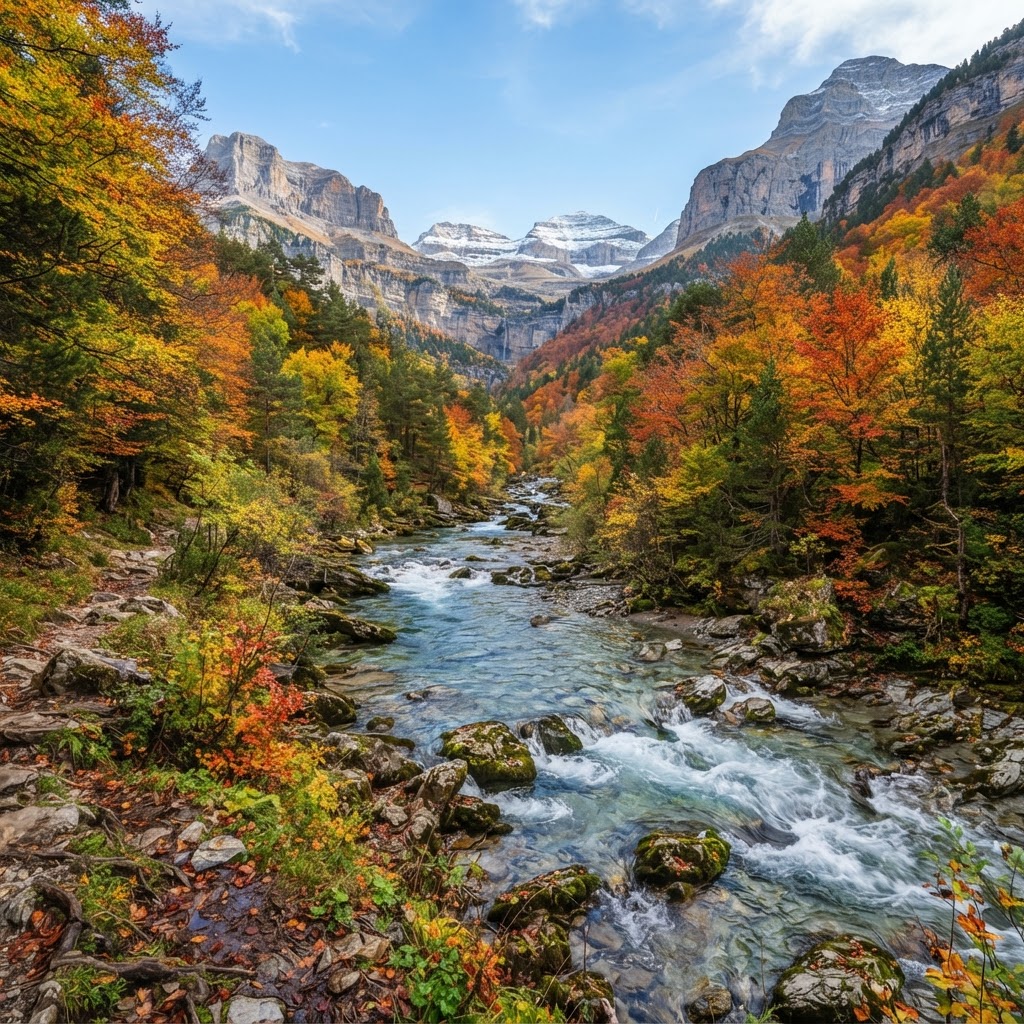
Located in the province of Huesca, Ainsa is a medieval gem that serves as the premier base for exploring the Ordesa y Monte Perdido National Park. While many flock to the Pyrenees in winter for skiing, autumn is arguably superior for those who prefer hiking and scenic photography, as the park’s forests, specifically the ancient beech trees, turn a brilliant, fiery red during the month of October. The village itself features a massive, sprawling Plaza Mayor that dates back to the 12th century, offering a dramatic backdrop for the changing seasons. The combination of crisp air and the scent of woodsmoke in the village creates an atmosphere of pure tranquility that is absent during the frantic summer months. Ainsa is the perfect place to disconnect from the digital world and reconnect with nature. Hikers will find the trails around the Monte Perdido massif to be at their most accessible before the first heavy snows arrive in November. Temperatures range from 8°C to 18°C, which is ideal for high-exertion trekking. Visitors can also explore the castle which dates back to the 11th century, providing panoramic views of the Cinca and Ara rivers. Whether you are looking for challenging mountain climbs or leisurely walks through the forest canopy, Ainsa offers the best access to the high Pyrenees.
Hiking Through Autumn Colors
The town itself features a massive Plaza Mayor and a castle that offers commanding views of the surrounding mountains. In the autumn, the combination of crisp air and the scent of woodsmoke in the village creates an atmosphere of pure tranquility. It is the perfect place to disconnect from the digital world and reconnect with nature.
La Alberca: Traditions and Folklore
Located in the Sierra de Francia, La Alberca is a village that feels like a fairy tale, recognized as the first village in Spain to be declared a National Historic-Artistic Monument. Its timber-framed houses, adorned with hanging flowers even in the cooler months, showcase a unique blend of Christian, Jewish, and Muslim architectural influences that have survived for over 500 years. The village is deeply steeped in folklore and ancient customs, and walking its narrow, stone-paved streets feels like wandering through a living history book. Autumn is a particularly important season here, as it marks the period for ‘La Matanza’ (traditional pig slaughter and curing) and local fairs that showcase traditional handicrafts. Because the region is heavily forested with ancient chestnut trees, you will find an abundance of wild mushrooms and roasted chestnuts on local menus throughout October and November. This is an authentic experience that few foreign tourists encounter, making it one of the most rewarding stops on your journey. The village is known for its strict architectural preservation laws, meaning the atmosphere is devoid of modern visual clutter. A guided walking tour of the historical center typically lasts two hours and is highly recommended to understand the deeper folklore regarding the local religious iconography and architecture.
Cultural Highlights
Autumn is the season for ‘La Matanza’ preparations and local fairs that showcase traditional crafts. Because the region is heavily forested, you will find an abundance of mushrooms and chestnuts on local menus. It is an authentic experience that few foreign tourists get to see, making it one of the most rewarding stops on your journey.
Rupit i Pruit: A Catalan Wonder
For those visiting the Catalonia region, the village of Rupit is a non-negotiable stop, built atop dramatic volcanic basalt cliffs. This village features cobblestone streets and a famous wooden suspension bridge that adds a touch of adventure to your exploration of the Collsacabra region. Surrounded by thick, ancient forests, the town is a spectacle of color throughout the autumn months as the deciduous trees turn shades of russet and gold. The geography of the area is unique, having been formed by volcanic activity, which creates high, craggy vistas that are perfect for hiking. Visitors can explore the ruins of the castle overlooking the town or take a moderate 90-minute hike to the spectacular Salt de Sallent waterfall, which is most impressive after the first autumn rains. The village is also known for its traditional Catalan gastronomy; look for establishments serving ‘escudella’ (a traditional meat and vegetable stew) which is a staple of the cooling autumn months. The town center is entirely pedestrianized, preserving its medieval charm and providing a quiet escape from the bustle of nearby Barcelona. If you are planning a visit, try to arrive on a weekday to avoid the local weekend crowds that occasionally visit from the city.
Nature and Architecture
Exploring the Surroundings
- Hike to the Salt de Sallent waterfall.
- Explore the ruins of the castle overlooking the town.
- Enjoy a traditional Catalan meal in a centuries-old stone building.
- Photograph the misty mornings typical of the area.
Grazalema: The Andalusian Exception
While most people associate Andalusia with dry, scorching heat, the village of Grazalema is a unique geographical exception. Located in the heart of the Sierra de Grazalema Natural Park, it is one of the wettest spots in Spain, which keeps the mountain landscape lush, green, and vibrant even as the rest of the south dries out in autumn. It is one of the most charming Spanish villages perfect for autumn because it breaks the stereotype of the sun-drenched, arid southern plains. The village is a key stop on the famous route of the ‘Pueblos Blancos’ (white-washed towns), characterized by its striking white buildings against the backdrop of craggy limestone cliffs. In autumn, you can enjoy the serene beauty of the mountain environment without the intense heat or the massive crowds of the summer high season. The local ‘pinsapo’ (Spanish fir) forests are a unique sight, as these trees are remnants from the last glacial period and are found almost exclusively in this range. Lower temperatures in October and November make trekking through the nearby canyons a joyful experience rather than a physical endurance test. The village is also famous for its traditional wool blankets, which are perfect for purchase as an authentic autumn souvenir.
The ‘Pueblos Blancos’ Experience
The village is part of the famous route of the white-washed towns. In autumn, you can enjoy the serenity of the limestone cliffs without the crowds of summer. The local ‘pinsapo’ (Spanish fir) forests are a unique sight, and the lower temperatures make trekking through the nearby canyons a joy rather than a test of endurance.
Planning Your Autumn Spanish Getaway
When planning your trip, consider renting a car. The most charming villages are often tucked away in remote mountain ranges where public transportation is limited. Pack layers, as the transition from a sunny afternoon to a chilly evening is dramatic in elevated regions, often shifting by 10-15 degrees Celsius. Aim for a mid-October departure to balance pleasant hiking weather with the peak of the harvest activity.
Pro-Tips for Your Journey
- Check the local harvest festival calendars in advance.
- Book your rural stays (casas rurales) at least two months ahead.
- Research local seasonal produce like mushrooms, chestnuts, and game meats.
- Don’t be afraid to veer off the main road; the most beautiful views are often found on secondary routes.
FAQ
Q: What is the best month to visit Spanish villages for autumn foliage?
The best time to see peak autumn foliage in Spain is typically between mid-October and early November. During this window, the forests in the Pyrenees and the central highlands transition to vibrant reds and golds, and the temperatures are ideal for outdoor exploration.
Q: Are Spanish villages crowded during autumn?
No, Spanish villages are significantly less crowded in autumn compared to the peak summer season. This off-peak period offers a more authentic experience with shorter lines at attractions, lower accommodation prices, and a more relaxed atmosphere for interacting with local residents.
Q: Do I need a car to visit these villages?
Yes, renting a car is highly recommended for visiting the most charming Spanish villages. Because many of these hidden gems are located in remote mountain regions, public transportation is often infrequent or non-existent, making a private vehicle essential for flexibility.
Q: What should I pack for an autumn trip to Spain?
You should pack layers for an autumn trip to Spain, as mountain temperatures fluctuate significantly between day and night. Essential items include a light waterproof jacket, sturdy hiking boots, comfortable walking clothes, and a warmer sweater or fleece for the chilly evenings.
Q: What are the local culinary specialties in autumn?
Autumn in Spanish villages is defined by seasonal delicacies including roasted chestnuts, wild forest mushrooms, game meats, and hearty stews like ‘escudella.’ Many regions also celebrate the grape harvest (‘la vendimia’) with local wine tastings and traditional food festivals.
Leave a Reply