
The dramatic cliffs of the Norwegian fjords are towering, vertical rock formations carved by glacial erosion that rise hundreds of meters above deep sea inlets. Iconic sites like Preikestolen and Trolltunga serve as premier global hiking destinations, offering breathtaking vertical drops and panoramic views of Norway’s rugged, untamed coastal landscape.
The Geological Origins of Norwegian Fjords
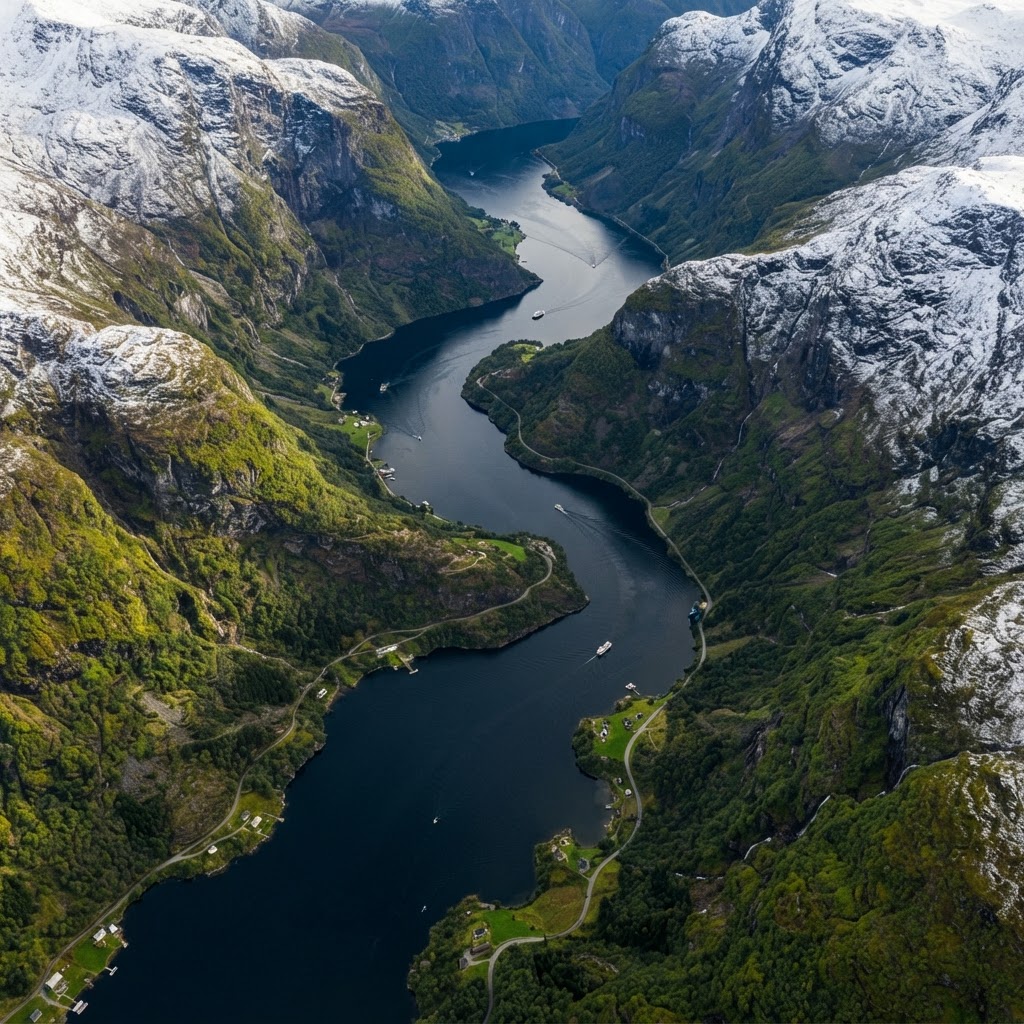
The geological formation of Norwegian fjords is the result of massive glacial activity during the last Ice Age, which occurred approximately 10,000 to 12,000 years ago. As colossal glaciers moved through existing river valleys, they acted as powerful chisels, scouring the landscape and carving out deep, U-shaped troughs that reached depths of over 1,000 meters in some areas. When the climate warmed and these glaciers receded, the rising Atlantic Ocean flooded the valleys, creating the narrow, fjord-lined inlets that characterize the Norwegian coastline today.
The Force of Glacial Erosion
Glaciers acted as nature’s chisels, scraping away weaker rock and leaving behind the hard, ancient granite and gneiss that form today’s cliffs. The sheer verticality of these walls is a direct result of the pressure exerted by ice over millennia. This geological history provides the foundation for the stable, albeit formidable, terrain that hikers navigate today. The pressure of ice columns reaching up to 3,000 meters thick ensured that only the most resilient bedrock remained, resulting in the dramatic, steep-walled canyons we see in iconic regions like Geirangerfjord and Nærøyfjord.
Iconic Cliffs Worth Exploring
Norway offers a variety of world-famous cliff formations, each providing unique geographical perspectives and varying levels of physical challenge for intrepid hikers. Choosing the right destination depends on your fitness level, time availability, and tolerance for steep, high-altitude trekking environments. Below is a comparison of the two most famous cliff hikes in the region.
| Feature | Preikestolen (Pulpit Rock) | Trolltunga (Troll’s Tongue) |
|---|---|---|
| Height | 604 meters | 700 meters |
| Hiking Time | 4-5 hours round trip | 10-12 hours round trip |
| Difficulty | Moderate | Very Strenuous |
| Best Season | May to October | July to September |
Preikestolen (The Pulpit Rock)
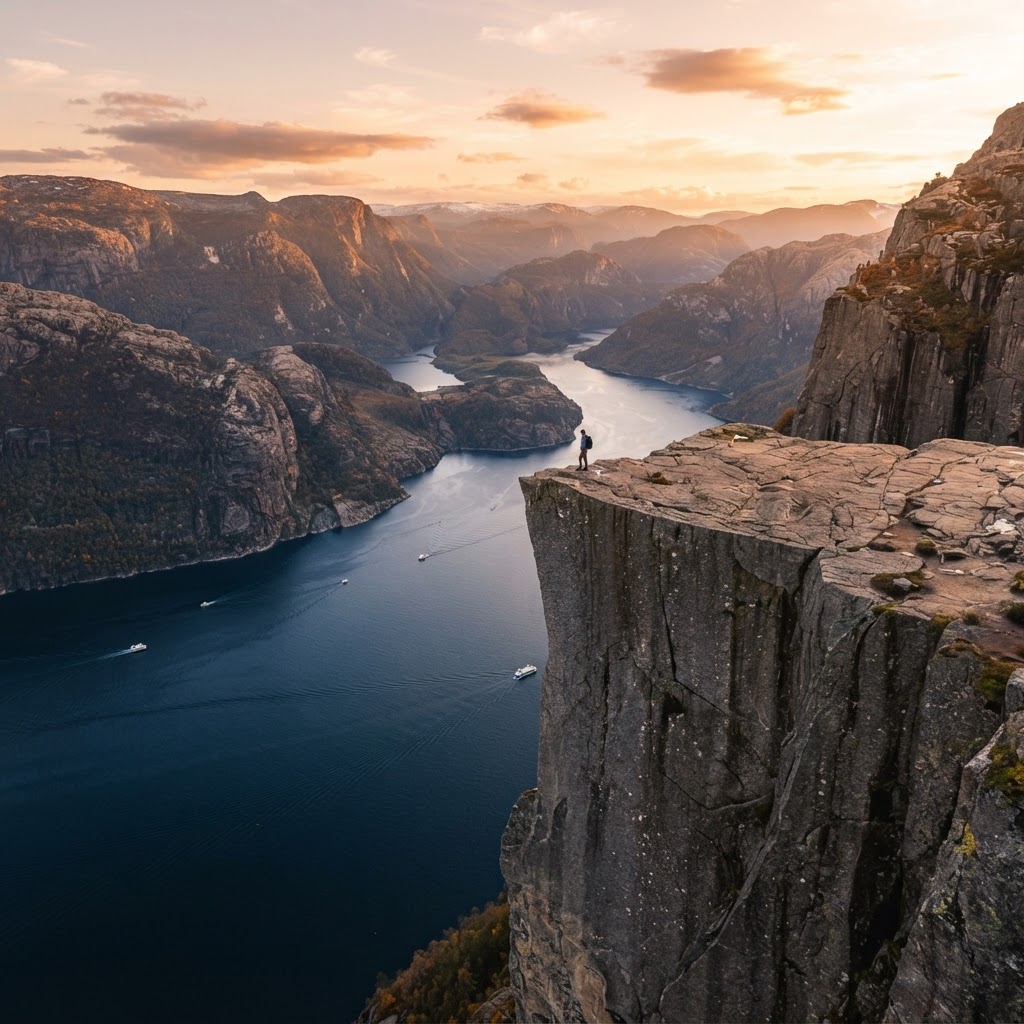
Perhaps the most famous of all, Preikestolen hangs roughly 600 meters above the Lysefjord. The plateau is almost perfectly flat, providing a natural stage for those brave enough to walk to the edge. It is arguably the most recognizable image associated with the dramatic cliffs of the Norwegian fjords, attracting hikers who seek a moderate climb with an incomparable reward. The hike covers approximately 8 kilometers round trip with an elevation gain of 350 meters, making it accessible for families and moderately fit individuals.
Trolltunga (The Troll’s Tongue)
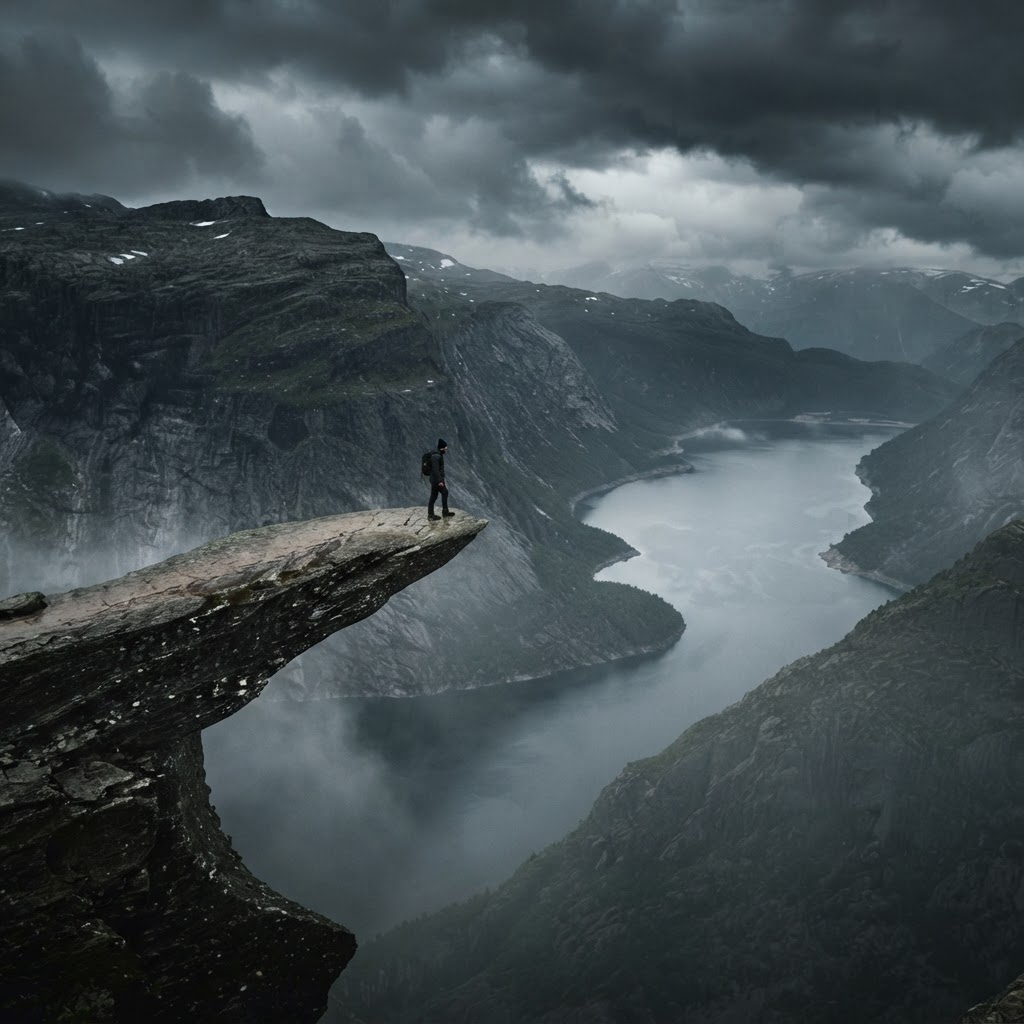
For those who prefer a more extreme challenge, Trolltunga offers a legendary experience. This thin sliver of rock juts horizontally out of the mountainside, suspended 700 meters above Lake Ringedalsvatnet. Reaching it requires a strenuous full-day hike of nearly 28 kilometers, but the panoramic views from the tip are considered some of the best in Scandinavia. Hikers must start early, often by 6:00 AM, to ensure they can complete the descent before nightfall, especially during the shoulder seasons.
Safety and Preparation for Your Hike
Venturing into the terrain surrounding the dramatic cliffs of the Norwegian fjords requires meticulous planning because weather conditions in Norway can shift from sun to dangerous fog or sleet within minutes. You should prioritize safety by checking the official ‘Yr.no’ weather service, which provides the most accurate localized forecasts for the high mountain regions of Norway.
Essential Safety Gear
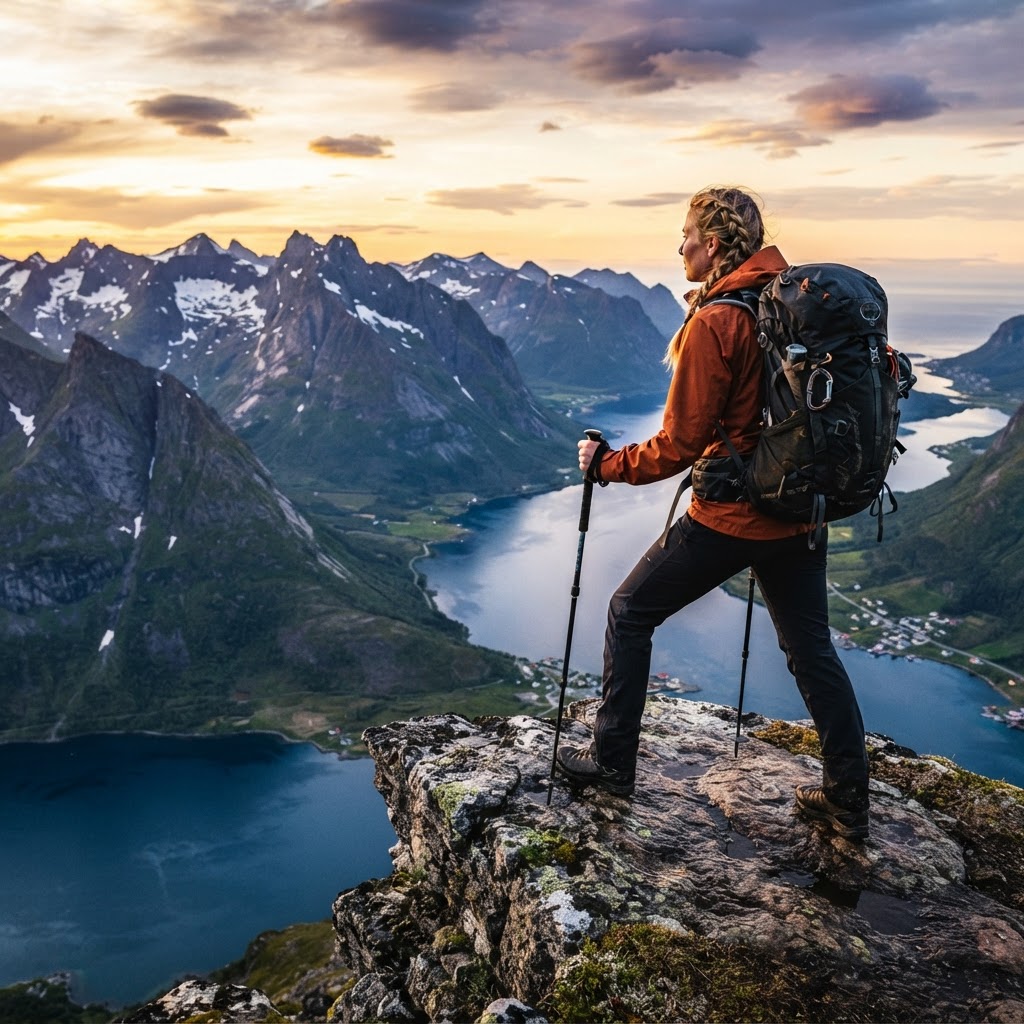
To ensure your hike remains a positive memory, you should always carry the right equipment. Even in summer, temperatures at high elevations can drop significantly, especially when winds roll in off the North Sea. Essential gear includes:
- Sturdy, waterproof hiking boots with high ankle support to prevent injury on uneven, rocky trails.
- Layered synthetic or wool clothing; avoid cotton as it retains moisture and leads to rapid hypothermia.
- A windproof and waterproof outer shell rated for at least 10,000mm water column pressure.
- A physical map and compass, as GPS signals can be unreliable in deep, narrow fjords.
- High-energy rations (approx. 2,500+ calories per day) and at least 2 liters of water.
- A lightweight first-aid kit containing blister treatment and bandages.
Best Times of Year to Visit
The climate significantly dictates the accessibility of the most famous cliff trails, with the high-altitude routes often remaining snow-covered until early June. Travelers should plan their trips based on daylight availability and trail accessibility to ensure safety and enjoyment of the natural scenery.
| Season | Typical Weather | Ideal Activity |
|---|---|---|
| Spring (May-June) | Melting snow, cool | Sightseeing/Low altitude hiking |
| Summer (July-Aug) | Mild, long daylight | High-altitude treks (Trolltunga) |
| Autumn (Sept-Oct) | Crisp, colorful, rainy | Photography/Fjord cruises |
Spring and Summer Adventures
During the summer months, the “Midnight Sun” provides nearly 20 hours of daylight in the southern regions, allowing hikers to set off on longer trails without worrying about losing their way in the dark. This is the peak season for tourism, so arriving at trailheads by 7:00 AM is essential to avoid crowds and ensure parking, which often fills up completely at spots like Preikestolen by 9:00 AM.
Autumn’s Golden Hue
If you prefer cooler temperatures and fewer tourists, early autumn can be a spectacular time to visit. The foliage turns shades of deep red and gold, contrasting beautifully with the gray cliffs and deep blue water. Just be mindful that early snowfalls can close high-elevation paths, so always check local weather reports and the DNT (Den Norske Turistforening) trail status updates before your departure.
Photography Tips for Fjord Landscapes
Capturing the immense scale of these cliffs is a common struggle for amateur photographers because the sheer size of the landscape often loses its impact when viewed through a standard camera lens. To overcome this, use a wide-angle lens (16mm to 35mm range) to capture the grandeur, but always include a reference point to ground the viewer.
Creating a Sense of Scale
Include a human figure in your frame to help the viewer comprehend the vast height of the cliffs. When framing your shot, try to include foreground elements—such as rocks, wildflowers, or hikers—to build a sense of depth that draws the eye toward the distant fjord waters. Using a fast shutter speed (at least 1/500s) is recommended to prevent blur when photographing from windy, elevated cliff positions.
Environmental Conservation and Tourism
As the popularity of the dramatic cliffs of the Norwegian fjords grows, so does the impact on the delicate Arctic-alpine ecosystems found there. Norway emphasizes the importance of ‘Allemannsretten,’ or the right to roam, which carries with it a strict responsibility to protect the land for future generations, including packing out all waste, including biodegradable items.
Sustainable Hiking Practices
Practicing ‘Leave No Trace’ principles is vital. Stick to marked trails to avoid soil erosion and never leave trash behind. By choosing to visit during off-peak times or hiring local guides, you contribute to the regional economy while minimizing the stress placed on high-traffic tourist sites. Avoid feeding wildlife, as it disrupts natural migratory patterns and can make animals overly aggressive toward hikers.
FAQ
Q: What is the most dangerous cliff in Norway to hike?
Preikestolen is often considered high-risk, but Trolltunga is technically more demanding due to its 12-hour duration and unpredictable weather. While many cliffs lack guardrails, fatalities are rare if hikers stay on marked trails and avoid the very edges during high winds.
Q: Do I need a guide to hike the Norwegian fjords?
Guided tours are not mandatory for popular trails like Preikestolen, but they are highly recommended for Trolltunga or during the shoulder seasons. Professional guides provide essential safety equipment, navigation expertise, and up-to-date information on avalanche or rockfall risks in the area.
Q: What is the best time of year to hike Trolltunga?
The peak hiking season for Trolltunga is from early July through mid-September. Before July, there is often significant snowpack on the trail, which requires snowshoes or specialized equipment, while after mid-September, daylight hours decrease rapidly and the risk of early winter storms increases.
Q: How much does it cost to hike these fjords?
Most hiking trails in Norway are free to access under the right to roam (Allemannsretten). However, you should budget for parking fees, which typically range from 200 to 500 NOK per day at popular trailheads, and optional shuttle bus services to reach the start of the main ascent.
Q: What should I do if I get lost on a fjord trail?
Stay where you are if visibility is low, as wandering off-trail in foggy mountain conditions is the primary cause of rescue incidents. Use your whistle to signal for help, keep your outer layer of clothing dry, and if you have a phone signal, call 112, the Norwegian emergency number, to provide your location.
Practical Tips for Your Fjord Adventure
Planning a trip to these vertical landscapes requires more than just a map. Weather shifts in minutes, turning a sunny morning into a rain-soaked slog. Always pack a waterproof shell, regardless of the forecast. Wool base layers are non-negotiable because they keep you warm even when damp.
Footwear dictates your success on these uneven, rocky trails. Wear sturdy, broken-in hiking boots with good ankle support. Sneakers lack the grip needed for wet granite slabs and loose scree. Bring trekking poles if you value your knees, especially on the steep, bone-jarring descents.
Avoiding Common Rookie Mistakes
- Starting too late: Both hikes demand an early start. Aim to be on the trail by 6:00 AM to beat the massive cruise ship crowds.
- Ignoring local signage: If the local mountain rescue group advises against a trail due to fog or wind, listen to them. These cliffs are lethal when visibility drops to zero.
- Packing light but wrong: You need more than a water bottle. Carry a headlamp, a basic first-aid kit, and an extra layer of food. Hikes here often take longer than the guidebook suggests.
Planning Your Itinerary: A Step-by-Step Guide
Base yourself in Stavanger for Preikestolen. You can reach the trailhead via a short bus ride or a rental car. The logistics are straightforward and well-marked.
Trolltunga requires a base in Odda or Tyssedal. You must book your parking spot months in advance to secure a place near the higher trailheads. Skipping this step means a much longer walk just to reach the official start.
When to Go and What to Spend
July and August offer the most stable weather. However, you will fight for space on the narrowest parts of the trail. September is my favorite time to visit. The crowds thin out, the air is crisp, and the autumn colors provide a stunning contrast against the dark grey rock.
Budgeting is crucial in Norway. A modest meal at a cafe costs significantly more than you might expect. Buy your snacks at local supermarkets in Stavanger or Odda before heading to the mountains. This simple habit saves you enough to afford a nice dinner in the city later.
Essential Fjord Trekking Checklist
- Waterproof jacket and trousers: No exceptions.
- At least two liters of water: Refill from clear streams if necessary.
- Extra wool socks: Blisters ruin the experience quickly.
- Physical map and compass: Phone batteries drain fast in cold, high-altitude air.
- Headlamp: You never plan to hike in the dark, but it happens.
Frequently Asked Questions
Do I need a professional guide for these hikes?
No, you do not need a guide for Preikestolen or Trolltunga if you are fit and prepared. Both trails are clearly marked with red ‘T’ signs. Hire a guide only if you lack mountain navigation skills or want to hike during the shoulder season when snow persists on the trails.
Is it safe to stand on the edge of the cliffs?
Use extreme caution near the edges. There are no guardrails at most of these sites. The rock can be slippery, and high winds are common at the summit. If you choose to take a photo on the edge, move slowly and stay low to the ground until you feel steady.
Leave a Reply