The Warm Colors of Southern Spain: A Visual Guide
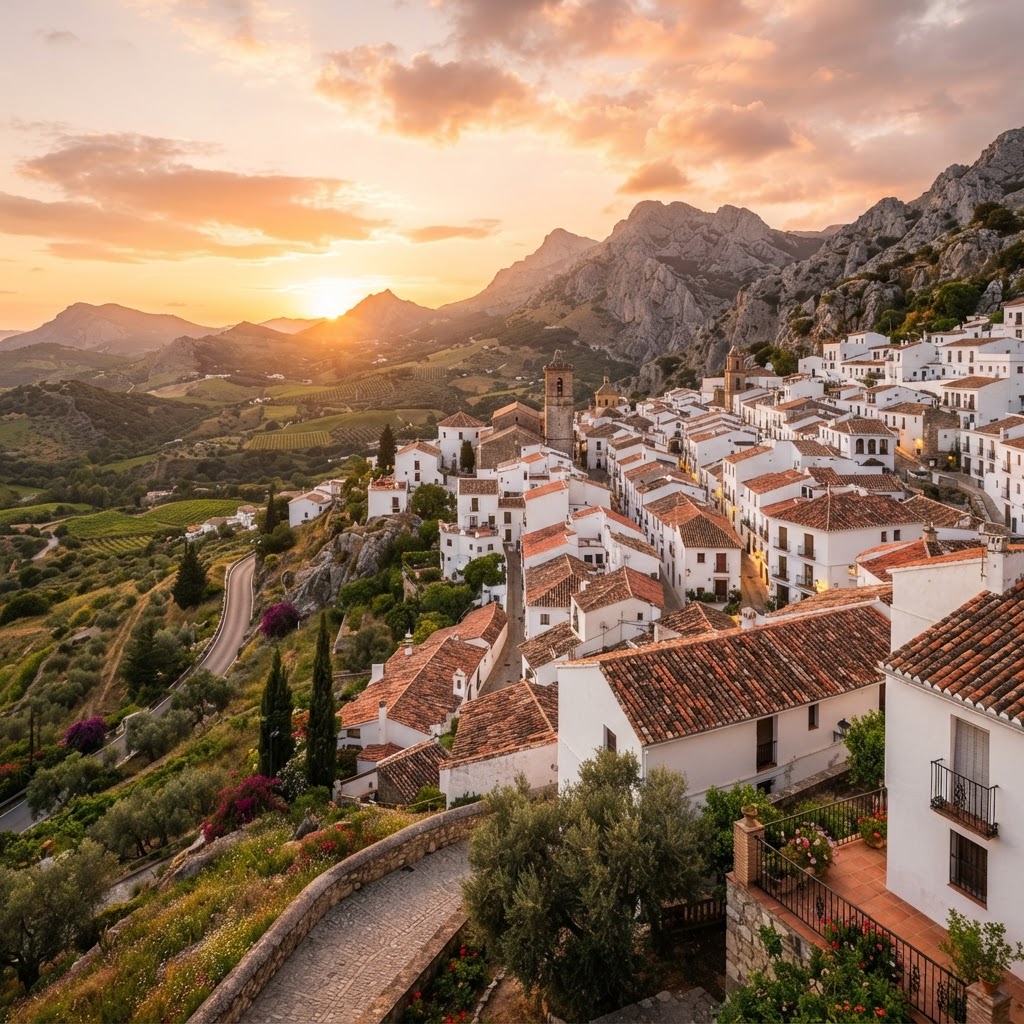
The signature warm color palette of Southern Spain is defined by vibrant ochre, burnt sienna, deep terracotta, and soft dusty pinks, which are amplified by the region’s intense Mediterranean sunlight. This aesthetic creates the iconic look of Andalusian architecture, where earth-toned landscapes contrast sharply against brilliant whitewashed villages and Moorish geometric design elements.
The Golden Hour: Understanding Mediterranean Light
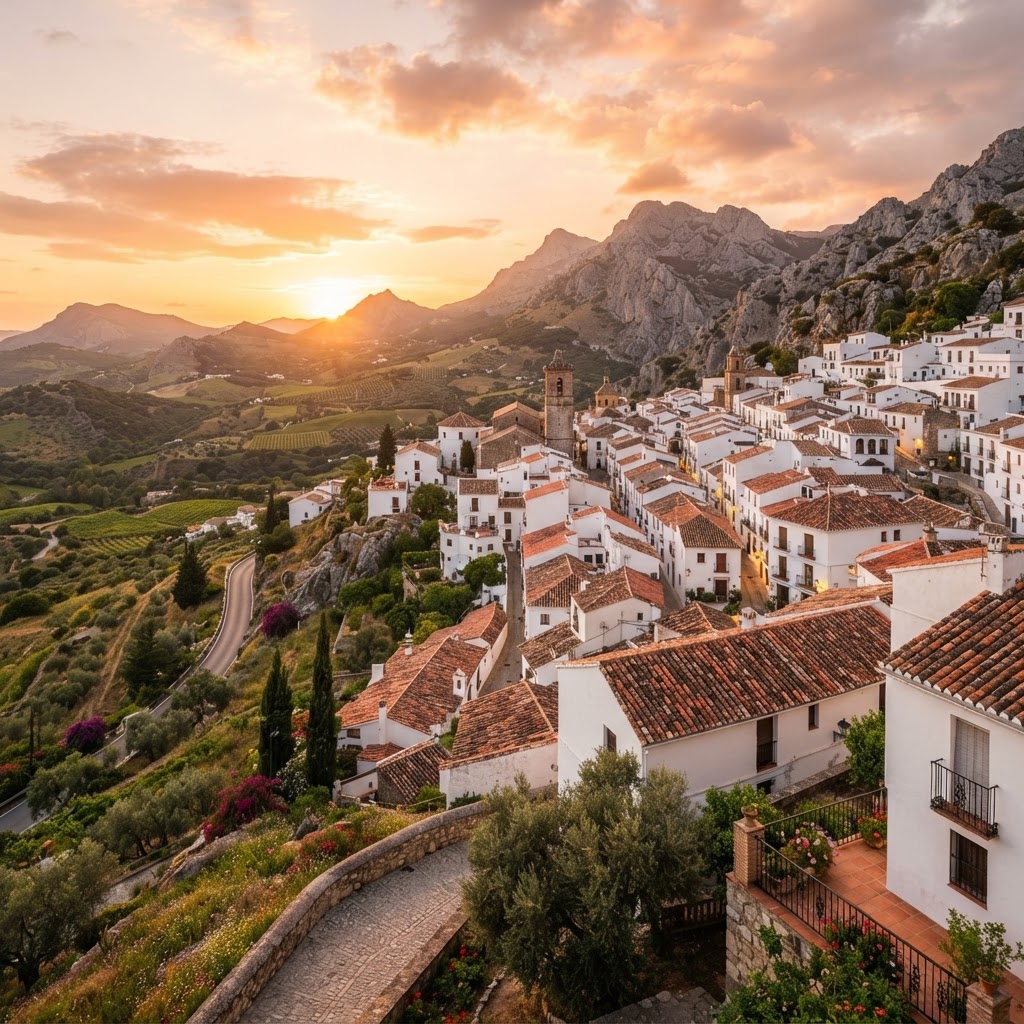
The unique quality of light in Andalusia is the foundation of its aesthetic charm, often categorized by photographers as possessing a high-Kelvin “golden glow” during the hour before sunset. As the sun moves across the sky, it bathes whitewashed villages and historical monuments in a golden radiance that intensifies warm hues. This Mediterranean light is not just a physical phenomenon; it is a sensory experience that defines the region. Designers and photographers flock to the south between 6:00 PM and 8:30 PM in the summer to capture how this specific spectrum enhances the warm colors of Southern Spain, turning simple architecture into masterpieces of natural illumination. The interplay of harsh shadows and soft, honeyed light creates a contrast that brings out the vibrancy of the earth-toned landscape. By understanding the refraction of light off limestone surfaces, visitors can identify why the region feels perpetually aglow.
| Lighting Condition | Best Time for Photography | Effect on Architecture |
|---|---|---|
| Early Morning | 07:00 – 09:00 | Cool shadows, crisp textures |
| Golden Hour | 18:30 – 20:30 | Warm glow, high saturation |
| Midday Sun | 12:00 – 15:00 | High contrast, deep shadows |
The Essence of Terracotta and Earth Tones
Terracotta architecture serves as the structural backbone of the Andalusian visual experience, utilizing clay fired at temperatures between 900°C and 1,000°C to achieve its distinct durability. You will find these rich, rusted orange shades on roof tiles, floor pavers, and pottery that has been crafted using traditional artisanal methods for centuries. This earth-centric approach to building ensures that the structures feel like they are growing directly out of the sun-baked soil. The texture of terracotta against the clear blue sky provides a balance of warmth that acts as a visual anchor in the bustling cities like Seville and quiet countryside villages. Beyond structural uses, the warm colors of Southern Spain are frequently celebrated in local artisan crafts. The use of natural iron oxides in the clay mixture creates the signature sunset hue that does not fade under the intense UV exposure common in southern Spain. This reliance on locally sourced materials connects the architecture directly to the geology of the region, ensuring that each building feels like a natural extension of the Spanish landscape.
Moorish Design Influences and Color Theory
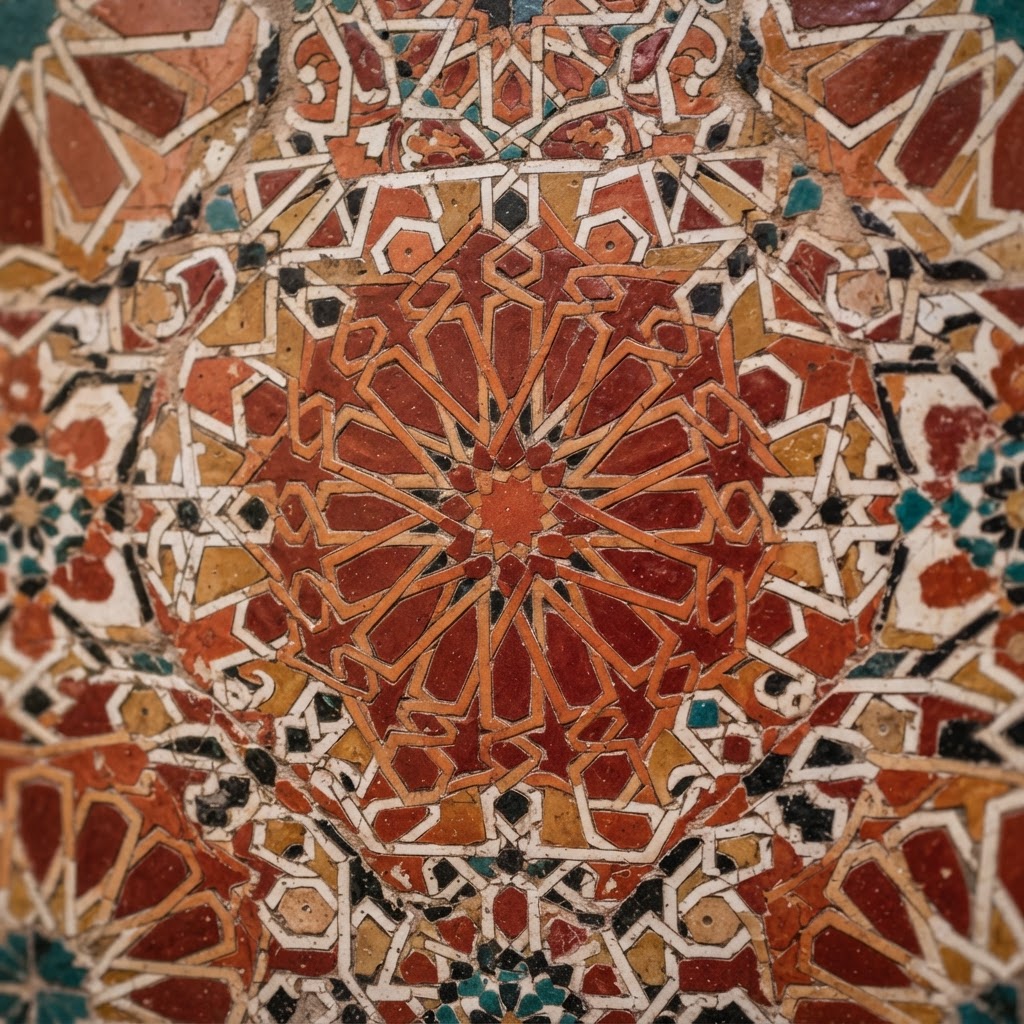
Deeply embedded in the aesthetic identity are the Moorish design influences, which prioritize geometric harmony through the deliberate use of deep red, burnt sienna, and golden yellow pigments. These design elements, prevalent in sites like the Alhambra, reflect a sophisticated understanding of color theory that emphasizes balance and mathematical precision. The patterns often follow the “Golden Ratio,” creating a visual rhythm that feels inherently comfortable to the human eye.
The Role of Pigment in Historic Restoration
Preserving these colors requires a rigorous understanding of traditional pigments derived from local minerals like hematite and ochre. Artisans tasked with the restoration of UNESCO World Heritage sites often spend weeks color-matching new plaster to the original 13th-century surfaces. This commitment to color fidelity ensures that the region retains its character despite the pressures of modern tourism. By using natural mineral dyes rather than synthetic paints, historical sites maintain a matte, light-absorbing finish that avoids the harsh glare often associated with modern restoration projects.
Whitewashed Walls and Contrasting Warmth
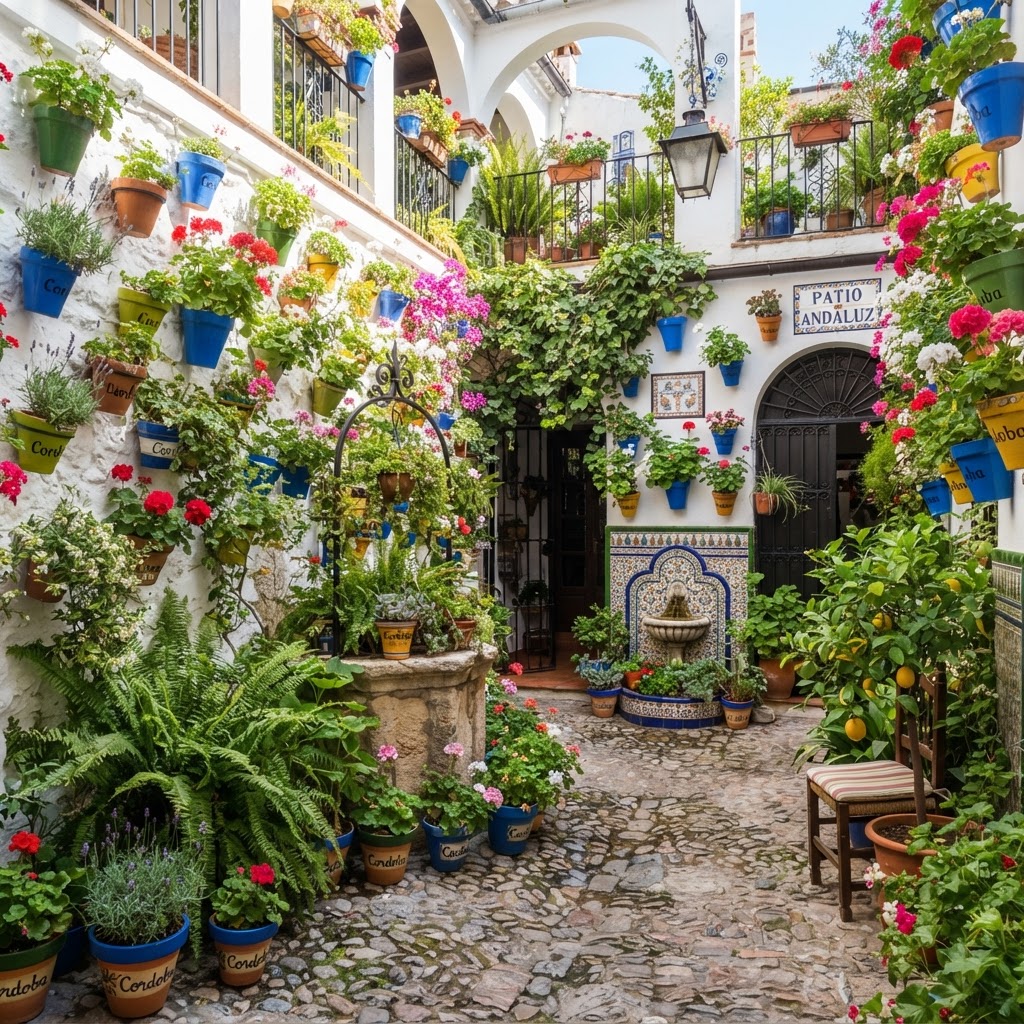
While the primary palette consists of warm tones, the iconic white villages (pueblos blancos) provide the necessary high-contrast foundation that allows warm colors to appear more saturated to the human eye. Against the stark, blinding white of the lime-based plaster, the warm colors of Southern Spain—such as flower pots overflowing with bright red geraniums, dark wooden shutters, and hanging brass lanterns—pop with renewed intensity. This contrast is a fundamental rule of Andalusian visual language, often utilized to reflect heat while simultaneously highlighting decorative accents. The white walls act as a massive reflector, casting ambient warmth into every alleyway and courtyard, effectively doubling the perceived light in small spaces. This technique of combining “Andalusian White” with terracotta accents creates a thermal and visual environment that feels expansive, cool, and welcoming even during the peak heat of summer.
The Palette of the Andalusian Sunset
If you want to experience the peak of this color explosion, you must witness an Andalusian sunset, which typically spans a color temperature range from 2,000K to 5,000K. The sky participates in a dramatic spectacle, shifting from soft peach to blazing amber, then finally to deep violet. This daily event reinforces why the warm colors of Southern Spain are so iconic. Many travelers note that the sky mirrors the landscape, creating a seamless transition from the earth to the heavens. Whether you are viewing the horizon from a cliffside in Ronda or from a terrace in Seville, the visual harmony is undeniable. Scientific atmospheric data suggests that the high dust content in the air during the summer months scatters shorter blue wavelengths more effectively, resulting in the deep, saturated oranges and reds that define the Andalusian dusk.
How to Bring the Spanish Aesthetic Home
If you are feeling inspired by your travels, you can incorporate this vibe into your own living space by focusing on natural textures and a specific warm-toned lighting strategy. Consider these design tips:
- Flooring: Use raw, natural materials like hand-fired terracotta tiles to create a solid, earthy base that retains temperature.
- Textiles: Incorporate heavy linens or wool rugs with geometric patterns inspired by 14th-century Moorish art.
- Wall Color: Use a “limewash” finish in off-white or cream tones to mimic the depth and texture of traditional Andalusian plaster.
- Planting: Introduce drought-resistant greenery in unglazed clay pots to connect your indoor space with the natural world.
- Lighting: Install warm-toned LED bulbs (2,700K) inside iron lanterns with colored glass to replicate the Mediterranean evening glow.
FAQ
Q: Why are houses in Southern Spain painted white?
Houses are painted white primarily to reflect the intense Mediterranean sun, keeping interiors significantly cooler during the summer months. This tradition, dating back centuries, also uses lime-based paint which has natural antibacterial properties that help keep walls clean and breathable.
Q: What is the best season to see the warm colors of Spain?
The best time to experience these colors is during late spring (May-June) or early autumn (September-October) when the sun is at an ideal angle for photography. During these months, the light is golden and soft, avoiding the harsh, high-noon glare that can wash out colors during July and August.
Q: What are the main materials used in Andalusian design?
Traditional Andalusian design relies heavily on terracotta (fired clay), wrought iron, natural limestone, and unglazed ceramic tiles. These materials are chosen for their heat-resistant properties and their ability to develop a natural patina over time that deepens the warm color profile of the home.
Q: How can I replicate the Andalusian aesthetic on a budget?
You can replicate the aesthetic by using textured, warm-white paint on your walls and focusing on high-quality accent pieces like terracotta planters and iron lanterns. Avoid bright, synthetic colors; instead, opt for “earthy” shades like burnt orange, sienna, and ochre to achieve that authentic Spanish feel.
Leave a Reply