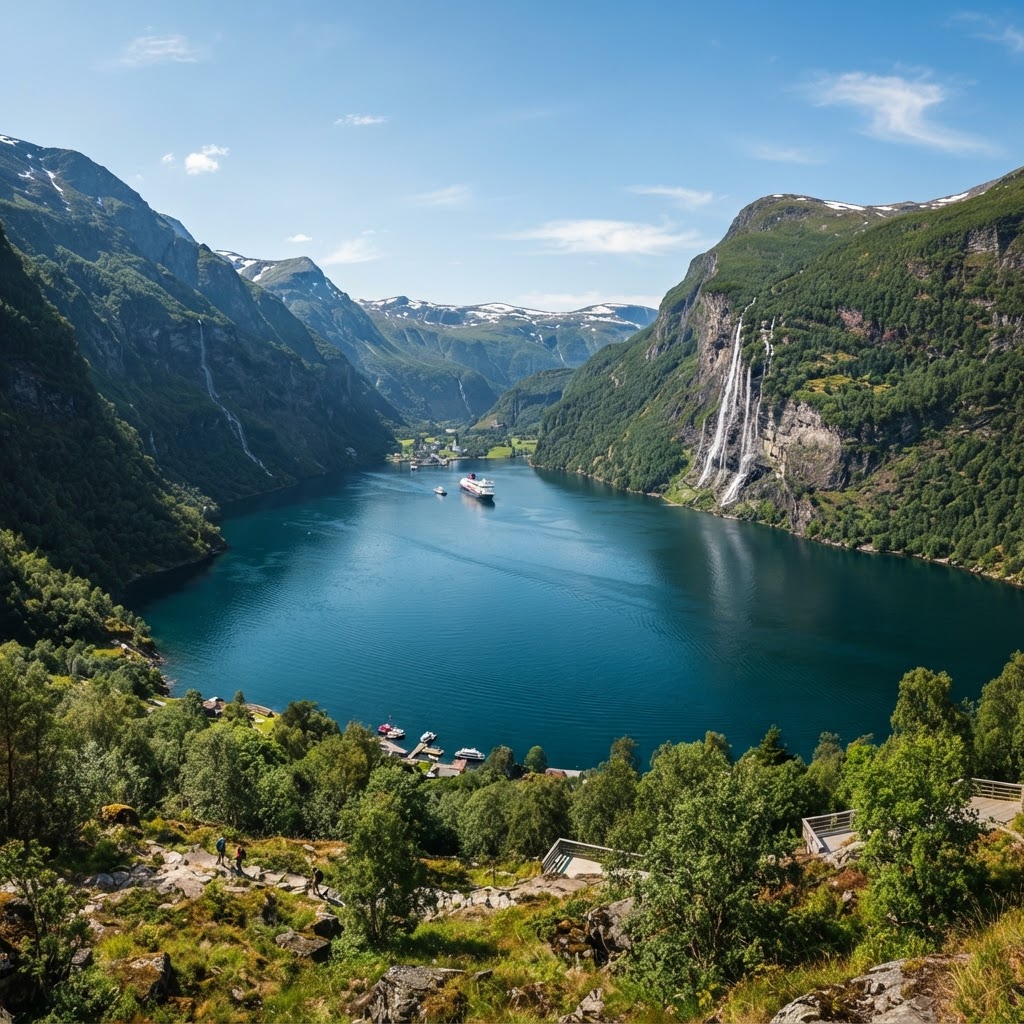
Your Next Norway Adventure Starts Here: The Ultimate Guide
Planning a successful Norway adventure requires balancing seasonal weather patterns with specific regional interests, such as chasing the Northern Lights from September to March or exploring fjords under the Midnight Sun between June and August. Prioritize travel during the shoulder seasons of May and September to experience lower costs and fewer crowds while still enjoying temperate weather for outdoor exploration.
The Best Time to Experience Norway
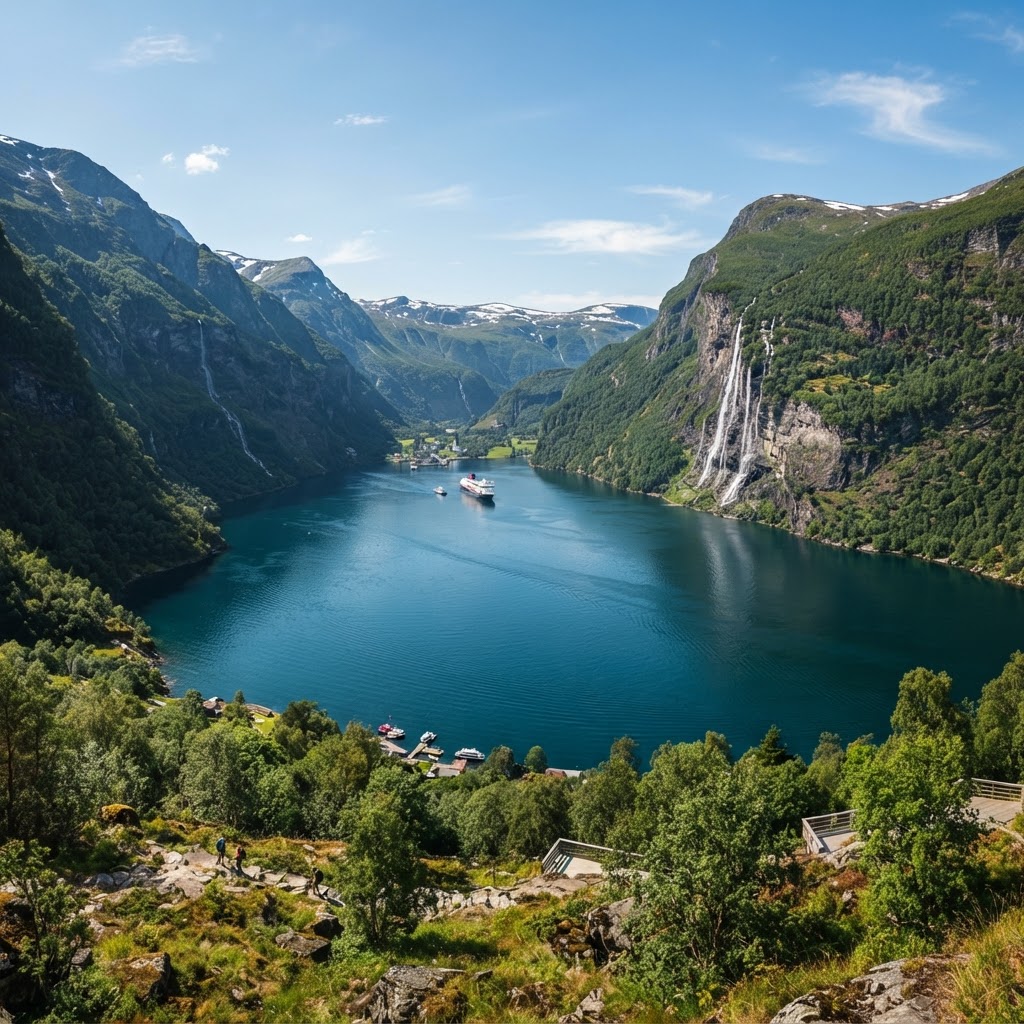
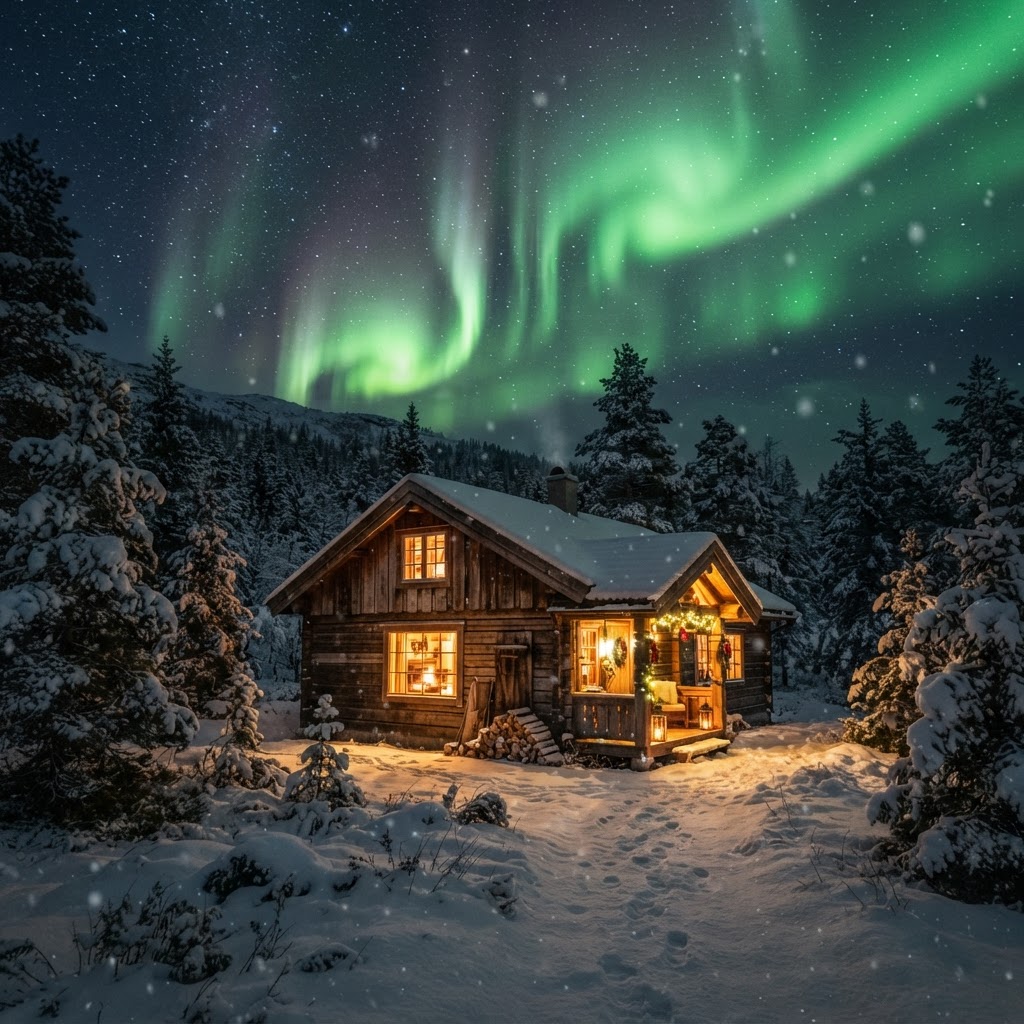
Choosing the optimal season is the most critical logistical decision, as Norway’s latitude causes extreme daylight fluctuations that dictate activity feasibility. The summer season, spanning June to August, is best for road trips and hiking, offering up to 20 hours of daylight in the south and 24 hours of Midnight Sun above the Arctic Circle. Conversely, the winter months, from late September to March, are the primary window for viewing the Aurora Borealis and engaging in world-class winter sports like skiing or dog sledding.
| Season | Best For | Daylight Hours | Key Activity |
|---|---|---|---|
| Summer (Jun-Aug) | Hiking, Fjord Cruises | 18–24 hours | Midnight Sun trekking |
| Shoulder (May/Sep) | Lower Costs, Nature | 14–16 hours | Scenic train rides |
| Winter (Oct-Mar) | Northern Lights, Skiing | 0–6 hours | Aurora Borealis tours |
For travelers seeking a balance between accessibility and lower expenses, the shoulder months of May and September are optimal. During these periods, you can often save 15–20% on accommodation prices while still accessing most National Tourist Routes before they close due to heavy winter snowfalls. Always check the Yr.no meteorological service, as local microclimates can lead to unexpected shifts in mountain conditions regardless of the season.
Seasonal Considerations for Travelers
If your primary goal is seeing the Aurora Borealis, you should plan your visit between late September and March. Winter in Norway is not just about the dark; it is a season of snow-covered landscapes, cozy evenings in mountain lodges, and incredible winter sports. For those wanting a mix of spring blooms and lower crowds, the shoulder months of May and September offer a perfect balance of mild weather and manageable tourism traffic.
Unveiling the Majesty of Norwegian Fjords
Norway’s fjords are ancient, glacier-carved valleys that represent the country’s most iconic geological features, drawing millions of visitors annually to sites like the UNESCO-listed Geirangerfjord and Nærøyfjord. These deep, narrow inlets are best experienced through a combination of water-based and rail-based transport to capture the sheer scale of the vertical cliffs, some rising over 1,000 meters above the waterline.
How to Explore the Fjords Efficiently
Travelers have several ways to experience these geological wonders, ranging from luxury cruise liners to independent local ferries. Taking a ferry through the narrow channels allows you to get closer to the vertical rock faces than any road could offer. If you prefer staying on solid ground, the Flam Railway offers one of the most scenic train journeys on the planet, climbing steep mountain paths that showcase the grandeur of the valleys below. For a more active itinerary, consider renting a kayak in Geirangerfjord; a half-day guided tour typically costs around 800-1,000 NOK and offers an intimate perspective on the famous Seven Sisters waterfall that cruise passengers cannot access.
Navigating Norway’s Urban Landscapes
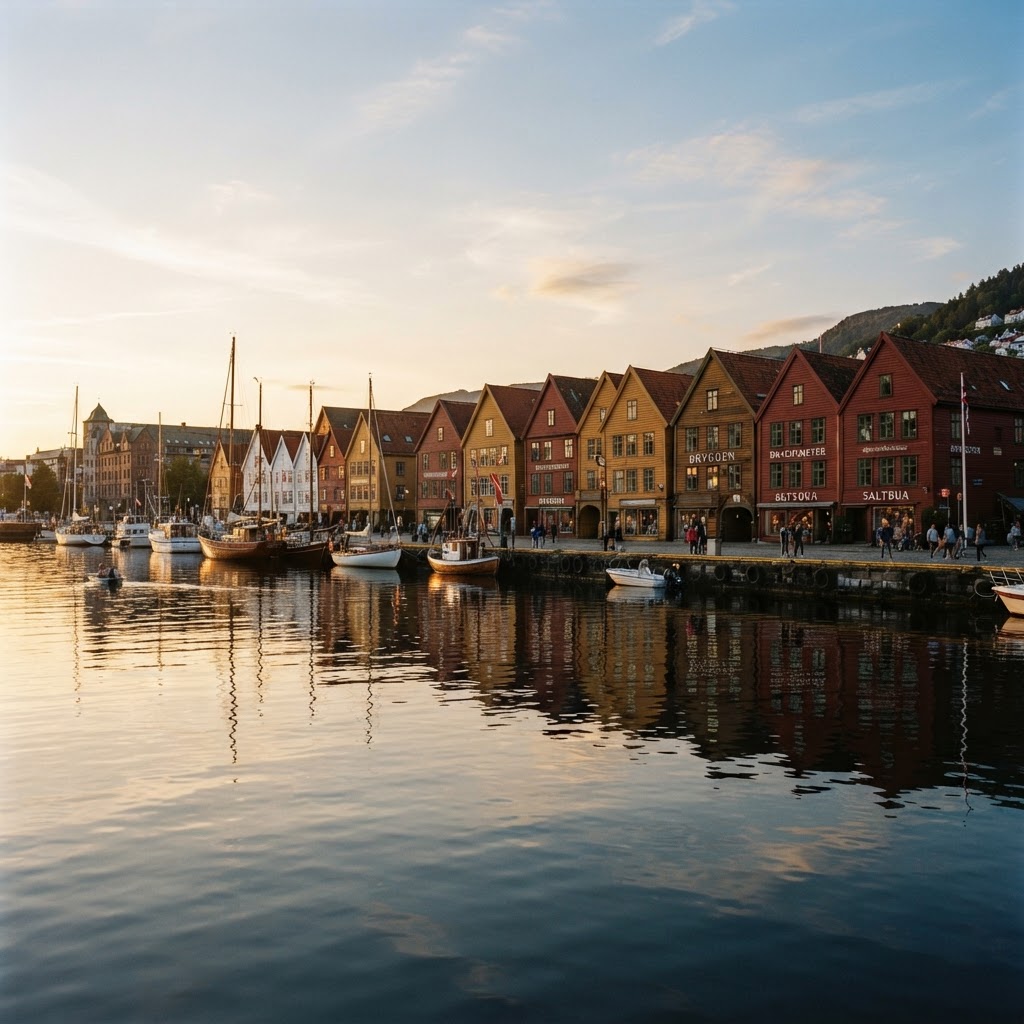
Norway’s cities serve as sophisticated cultural hubs that successfully integrate modern Scandinavian architectural design with preserved historic heritage. Oslo, the capital, acts as the primary gateway, housing major institutions like the Munch Museum, which currently holds the world’s largest collection of Edvard Munch’s works. Urban exploration in Norway is highly walkable, with major cities investing heavily in public transit and pedestrian-friendly zones like Oslo’s Aker Brygge.
Must-Visit Cultural Hotspots
- The Munch Museum in Oslo, dedicated to the life and works of Edvard Munch.
- Bryggen in Bergen, the colorful Hanseatic wharf that feels like stepping back into the middle ages.
- The Arctic Cathedral in Tromsø, a masterpiece of modern architecture.
- The Vigeland Sculpture Park, home to over 200 bronze and stone sculptures.
The Arctic North: Chasing the Northern Lights
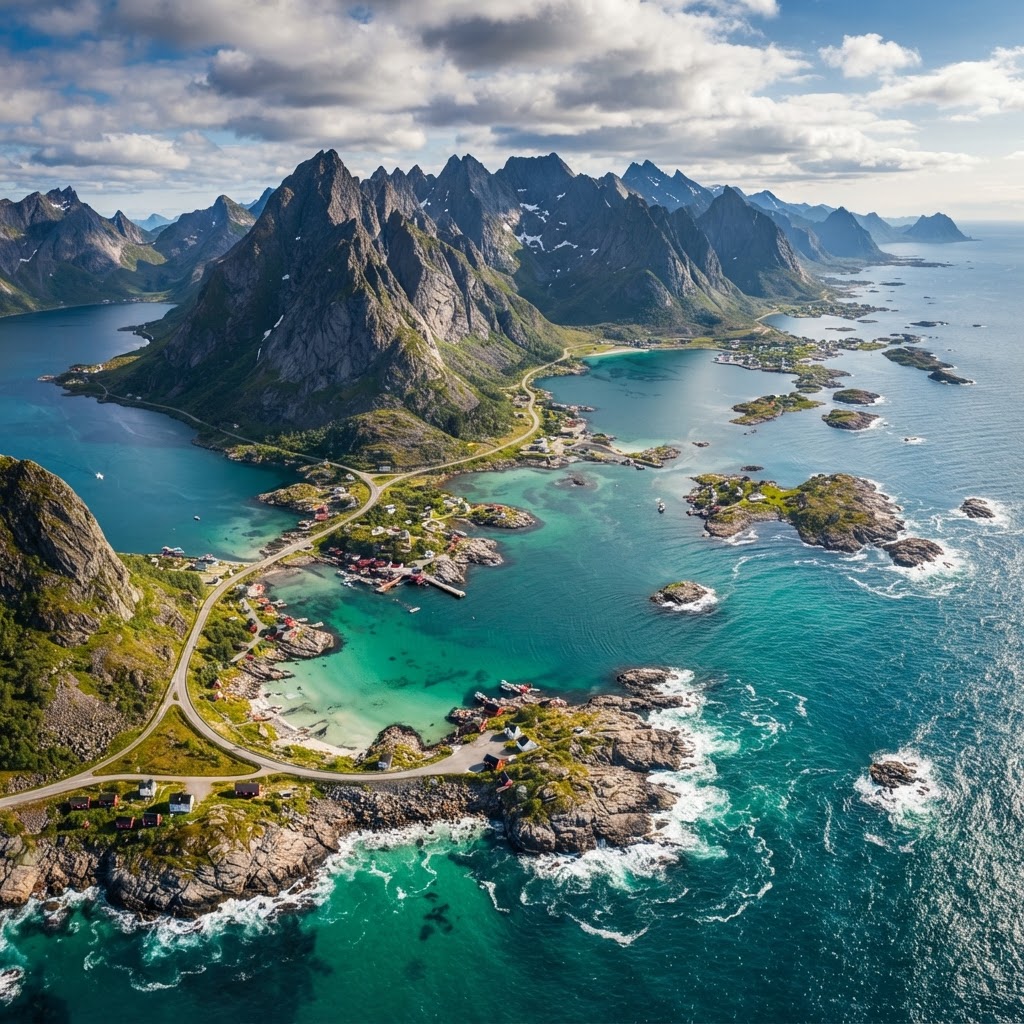
Venturing north of the Arctic Circle to locations like Tromsø and the Lofoten Islands is essential for travelers seeking consistent Aurora Borealis visibility during the winter months. Because the lights require dark, cloud-free skies, these remote northern regions provide the highest probability of success, especially when positioned away from the light pollution of municipal centers.
Tips for a Successful Northern Lights Hunt
- Check the Kp-index forecasts regularly for solar activity levels; a Kp-index of 3 or higher is often sufficient for strong displays in Northern Norway.
- Dress in multiple thermal layers (merino wool base layers are standard) to survive long, stationary hours in temperatures that can drop to -15°C.
- Consider hiring a local guide who uses real-time satellite data to locate clearings away from city lights; tours typically run between 1,500 and 2,500 NOK per person.
- Patience is key; the lights often appear after hours of waiting, so bring extra camera batteries as the cold drains charge significantly faster.
Mastering Norwegian Transportation
Norway’s geography demands a multi-modal transport strategy, utilizing a blend of high-speed trains, domestic flights, and the legendary Hurtigruten coastal ferry network. For those traversing the rugged western fjords, the ferry system is integrated into the road network, meaning car travelers must account for ferry ticket costs and wait times in their daily itinerary planning.
Road Tripping the Scenic Routes
If you prefer the freedom of the open road, Norway’s 18 National Tourist Routes are specifically designated roads with breathtaking stops, art installations, and viewpoints. Renting a car gives you the flexibility to stop at every hidden waterfall or mountain pass you encounter. Always remember that mountain driving in Norway can be challenging due to narrow roads and weather changes, so ensure you are comfortable driving in varied conditions. Rental car costs fluctuate, but expect to pay at least 700-1,200 NOK per day, plus tolls which are automatically billed via your license plate.
Culinary Traditions and Local Flavors
Modern Norwegian cuisine focuses on high-quality, locally sourced proteins, particularly Atlantic salmon, cod, and king crab, alongside traditional preservation staples. While fine dining in cities like Oslo or Bergen offers Michelin-starred innovation, the “brown cheese” (brunost) and fresh cloudberries remain the most distinct local flavors worth seeking out at local markets.
Budgeting for Food in Norway
Dining out in Norway is premium-priced, with a standard main course in a mid-range restaurant often exceeding 350-500 NOK. To manage costs effectively, savvy travelers utilize “Matpakke” (packed lunch) culture by purchasing supplies at grocery chains like REMA 1000 or COOP. This approach can reduce your daily food expenditure by over 60%, allowing you to allocate those funds toward unique experiences like fjord tours or museum entries.
Essential Travel Tips for Your Trip
Preparation ensures that you spend more time enjoying the view and less time solving problems. Norway is a cashless society; you can pay for almost everything, from a coffee to a boat ticket, using a credit card or mobile payment app. Carry a small amount of cash just in case, but rely primarily on digital payments to simplify your transactions.
Safety and Sustainability
Norway takes environmental preservation very seriously, and visitors are expected to follow the ‘Leave No Trace’ principles. When hiking, stick to marked trails to protect the fragile tundra ecosystem. Additionally, always check weather apps like Yr.no, which provide the most accurate meteorological data for specific regions in Norway, as weather can shift rapidly in the mountains.
FAQ
Q: Is Norway an expensive country to visit?
Norway is considered a premium, high-cost destination, with daily budgets for mid-range travelers typically ranging between 1,500 and 2,500 NOK. You can manage expenses by utilizing grocery stores for meals and booking train travel in advance.
Q: Do I need to carry cash in Norway?
No, Norway is nearly a completely cashless society where credit cards and mobile payments like Vipps or Apple Pay are accepted everywhere. You will rarely encounter a situation where physical currency is required.
Q: What is the best way to see the Northern Lights?
Head to Northern Norway, particularly Tromsø or the Lofoten Islands, between late September and March. Aim for remote locations away from city lights and monitor solar activity using the Kp-index.
Q: Can I drive in Norway during winter?
Yes, but you must be comfortable driving on snow-covered, narrow, and winding roads. Rental vehicles are strictly equipped with winter tires, and you should always check Statens vegvesen for mountain pass road closures before departing.
Q: What should I pack for a trip to Norway?
Pack high-quality thermal base layers, a waterproof shell jacket, and sturdy, broken-in hiking boots. Even in summer, temperatures can drop significantly, so dressing in layers is the most effective strategy for the fluctuating weather.
Leave a Reply