
Dreamy Greek Island Aesthetic: Instagram-Worthy Photos
The most Instagrammable Greek islands for an aesthetic feed are Santorini for its iconic blue-domed architecture, Milos for its otherworldly lunar landscapes, and Mykonos for its vibrant, color-saturated alleys. Capturing the perfect shot requires visiting during the golden hour to harness the Aegean’s unique, high-contrast natural light and minimize mid-day glare.
The Magic of the Greek Island Aesthetic
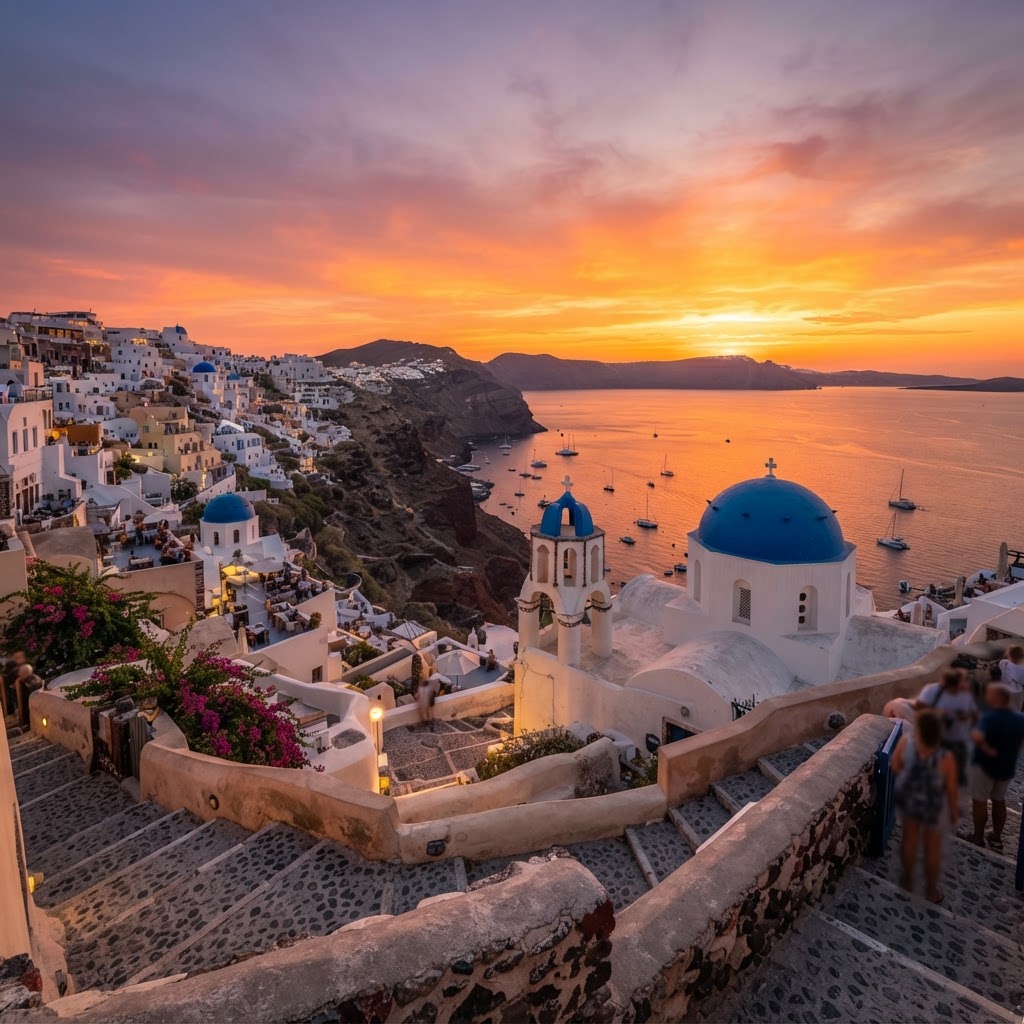
There is a specific, ethereal quality of light found in the Aegean Sea that makes every photograph glow with natural radiance. This aesthetic is defined by the stark contrast between the blindingly white-washed cycladic architecture and the deep, saturated azure tones of the Mediterranean water. Photographers often describe this light as “crisp” due to the lack of atmospheric haze, which allows for sharp details on ancient stone textures and vibrant bougainvillea flowers. The visual appeal of this region transcends simple scenery; it is an intersection of human history and natural wonder, where 3,000-year-old ruins exist alongside modern luxury villas. To effectively capture this, you must understand the interplay of shadows. During peak daylight, the high-altitude sun creates harsh, high-contrast shadows that can be used artistically to frame subjects against white walls. By the late afternoon, the light softens into a “honey-hued” glow, which provides the romantic, warm undertones that characterize the most popular travel feeds on Instagram.
Capturing the Ethereal Light
To achieve that dreamy look, timing is everything. Morning light (from 6:30 AM to 8:30 AM) offers a crisp, clean aesthetic with cool color temperatures, while the late afternoon sun (6:00 PM to 8:00 PM) provides that warm, honey-hued glow that makes white plaster look like polished pearl. Many travelers struggle to get the perfect shot because they visit in the high heat of midday, which washes out details and flattens the depth of the architecture. Stick to the edges of the day to ensure your photos pop with life and depth. Using a circular polarizer filter can further enhance the blue of the sea by reducing surface reflections on the water, making the colors appear more saturated without artificial editing.
Which Greek Island is the Most Instagrammable?
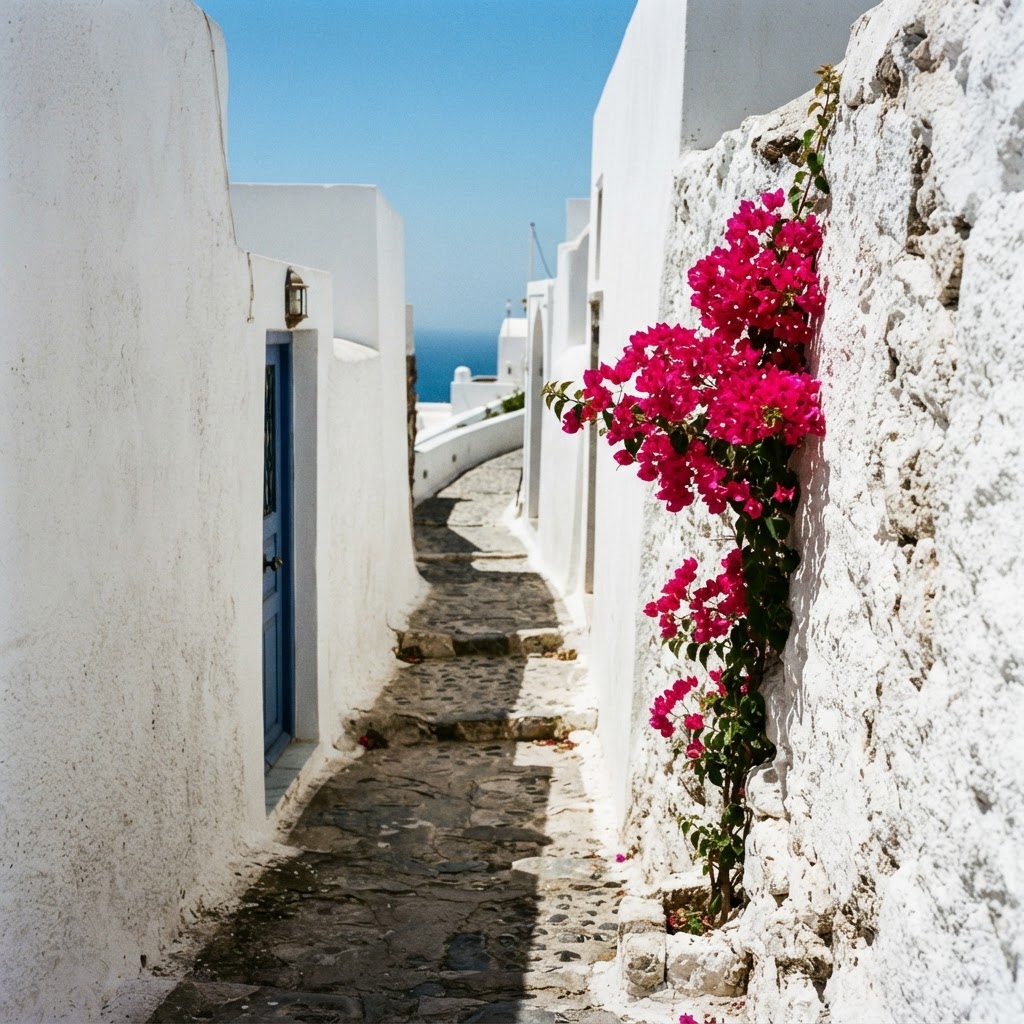
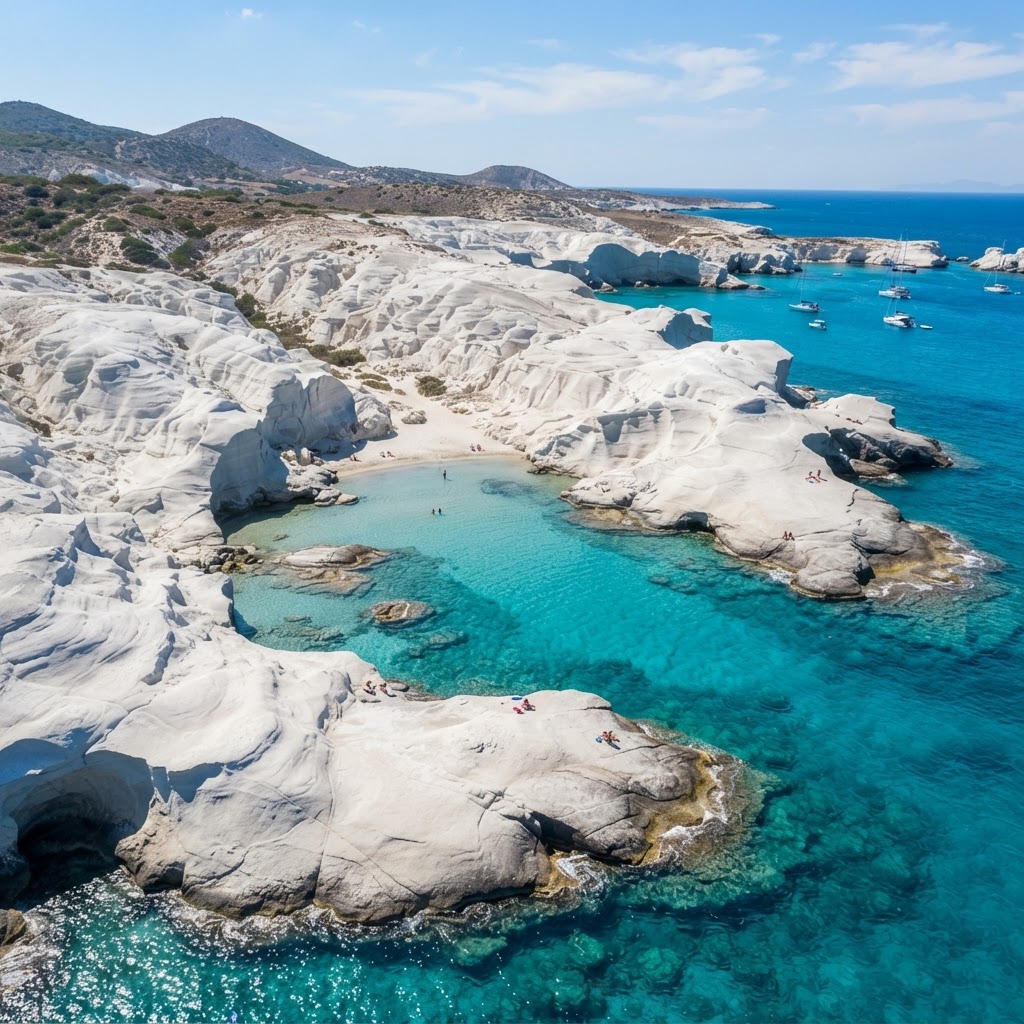
If you are searching for the most Instagrammable destination, Santorini remains the undisputed champion due to its dramatic caldera views and distinct architectural style. The island is world-renowned for the village of Oia, where blue domes and cascading white villas create a “manufactured-perfection” backdrop that is highly recognizable. However, the island of Milos and the colorful alleys of Mykonos offer stiff competition for those wanting a unique aesthetic beyond the usual tropes. Milos features the Sarakiniko beach, a moon-like volcanic landscape that offers a total departure from the standard white-wall aesthetic. Meanwhile, Mykonos town, or Chora, offers iconic narrow alleyways, red bougainvillea, and white-washed churches that appear in nearly every top-performing travel reel. While Santorini provides the most dramatic verticality, Mykonos and Milos allow for a more varied and personal photographic portfolio.
Why Santorini Remains Iconic
Santorini offers a dramatic verticality that few other places can match. The sheer scale of the caldera, formed by a volcanic eruption in the 16th century BC, provides a backdrop that feels almost like a film set. Whether you are capturing a quiet terrace or the bustling streets of Oia, the island delivers consistent quality for every aspiring photographer. The cliffside positioning ensures that you have a clear, unobstructed view of the horizon, which is ideal for sunset silhouettes.
What is Considered the Prettiest Greek Island?
Beauty is subjective, but Folegandros, Milos, and Kefalonia frequently top the lists of seasoned travelers looking for visual storytelling. While Santorini is the most famous, Folegandros offers a raw, authentic charm that feels far more intimate, with a cliffside “Chora” that is often considered more scenic and less commercial than Oia. If you want the prettiest landscapes, look toward the Cyclades, where the volcanic soil and sea foam blues create a palette that is impossible to replicate anywhere else on earth. Kefalonia, in the Ionian Sea, provides a different aesthetic entirely: lush green mountains meeting turquoise, almost neon-colored waters at beaches like Myrtos. This provides a refreshing, verdant contrast to the stark, dry beauty of the Cycladic islands. By visiting during the shoulder season—specifically May, June, or September—you can capture these locations without the massive crowds, allowing for “empty” shots of pristine architecture and secluded beaches that define the ultimate travel aesthetic.
Exploring Hidden Gems for Aesthetic Shoots
Sometimes the best photos are found away from the crowded hotspots. Wander the back alleys of Paros or the quiet villages of Sifnos to find bougainvillea-framed doorways and weathered wooden doors that tell a story of longevity and slow living. These quiet corners are where you truly find the soul of the island. Unlike the main tourist hubs, these villages remain largely untouched by commercial development, allowing for a more authentic, “local-living” aesthetic that is currently trending on platforms like Pinterest and Instagram.
Which is Prettier, Italy or Greece?
Choosing between Italy and Greece for photography depends entirely on the specific color palette and architectural style you want to achieve for your personal brand. Italy offers a dramatic, maximalist blend of Renaissance art, vibrant terraced houses (like those in Positano), and golden-hued historic coastal towns. Greece, conversely, offers a minimalist, starkly beautiful aesthetic defined by the monochromatic white-blue interplay of sea and sky. If you prefer color-rich, bustling, and historical cliff towns, Italy is the superior choice for your feed; if you prioritize pristine, whitewashed serenity and the world’s most vibrant natural blues, Greece is the better option.
The Best Landscapes and Beach Photography
Every single beach in the archipelago has its own personality, from the lunar landscapes of Sarakiniko on Milos to the lush, pine-fringed bays of Zakynthos. A stunning beach photo should always incorporate a sense of scale. Include a person or a small boat in the frame to show just how massive and imposing the limestone cliffs really are against the calm, turquoise water. When shooting landscapes, use a wide-angle lens (16mm to 35mm) to capture the expanse of the caldera or the vastness of the Aegean. If you are shooting at a beach, try to get low to the ground to capture the reflection of the sky in the wet sand, which creates a symmetrical “mirror” effect. Additionally, always keep an eye on the wind; the Aegean is known for the “Meltemi” winds in July and August, which can create dramatic white-capped waves, adding movement and texture to otherwise static landscape shots.
Composition Tips for Epic Shots
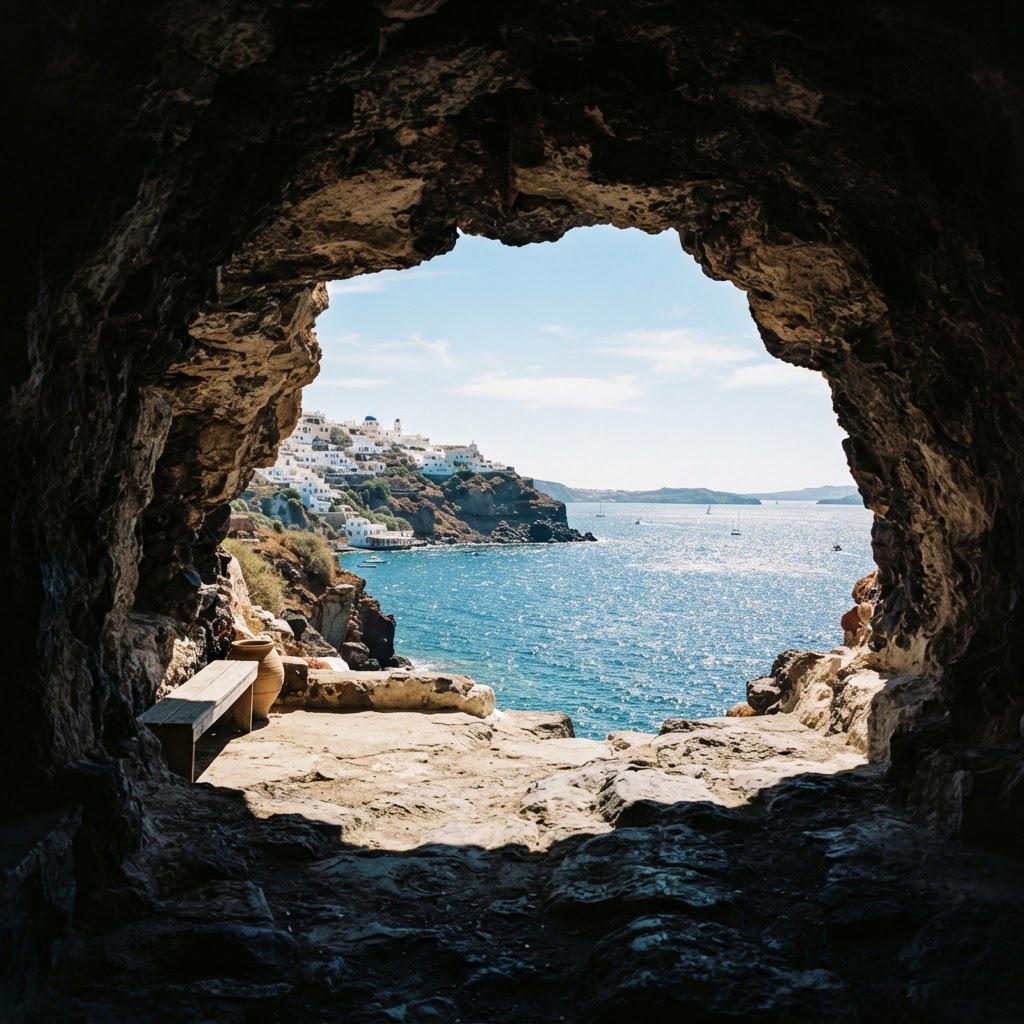
Use the natural framing provided by white archways or cave entrances to lead the viewer’s eye toward the sunset. The contrast between the dark interior of a stone room and the bright, shimmering view outside creates a high-contrast aesthetic that feels inherently dramatic and cinematic.
Which Greek Island is Best for Nudists?
While aesthetic and photography are often the focus, many visitors also seek privacy. Crete and Mykonos have long histories of designated nude beaches, such as Red Beach in Santorini or Super Paradise in Mykonos. These areas offer a liberating environment, but always remember to respect local customs and check the specific beach regulations before you arrive, as etiquette can vary significantly from one cove to the next. Generally, northern and western-facing beaches are more secluded, offering more privacy for those looking to enjoy the Aegean away from the crowds.
Mastering the Sunset View
There is nothing quite like a sunset view over the Aegean. The key to capturing this properly is to underexpose your images by -0.7 or -1.0 EV to preserve the rich, saturated colors of the sky. If you overexpose, you lose the subtle gradients of purple, gold, and orange that make these evenings feel so otherworldly. A tripod is highly recommended for low-light conditions, allowing you to shoot at a low ISO (100) for maximum clarity and minimal noise. When editing, focus on selectively brightening the shadows in the foreground without blowing out the highlights of the sunset itself to ensure the architecture remains visible.
The Final Polish: Editing Your Photos
Editing should be an extension of your artistic vision. Keep the blues of the sea vibrant but natural by pulling back the saturation of greens, which can sometimes appear artificial in digital sensors. Don’t over-process the whites; instead, add a slight “warm” tint to the highlights to maintain that Mediterranean glow. The goal is to make the viewer feel like they are standing right there on the terrace, breathing in the salt air. Stick to a consistent preset or “Look-Up Table” (LUT) if you want your feed to look cohesive and professional, focusing on a clean, bright, and airy aesthetic.
FAQ
What is the best month to photograph Greece for the best light?
September is the best month to photograph Greece because the light is softer, the intense heat has subsided, and the heavy summer crowds have thinned, allowing for easier access to popular photo spots.
Do I need a professional camera for aesthetic photos in Greece?
No, modern smartphones are sufficient for high-quality content if you shoot in RAW format and utilize manual exposure controls to manage the high-contrast light typical of the Mediterranean.
Are drones allowed to be used on the Greek islands?
Drone usage is strictly regulated in Greece; you must register your drone with the Hellenic Civil Aviation Authority and follow “no-fly zone” rules, especially near archaeological sites and airports, which are heavily restricted.
How can I avoid crowds in my Greek travel photos?
To avoid crowds, you must plan your photo sessions for sunrise (before 7:00 AM) or visit during the shoulder seasons of May or October, which provide the best balance of weather and privacy.
Is it expensive to island-hop for photography in Greece?
Island hopping costs vary, but budgeting approximately €80–€150 per day for ferries, local transport, and mid-range accommodation is a standard estimate for a solo traveler focused on photography.
Leave a Reply