
Stunning Whitewashed Villages in Andalusia: A Travel Guide
The Pueblos Blancos are a series of traditional, limestone-dusted hillside villages in southern Spain characterized by their brilliant white exteriors, narrow Moorish-influenced streets, and dramatic mountain locations. These iconic settlements, primarily found in the provinces of Cadiz and Malaga, offer travelers an authentic look into historic Andalusian culture and architecture.
What is a Whitewashed Village?
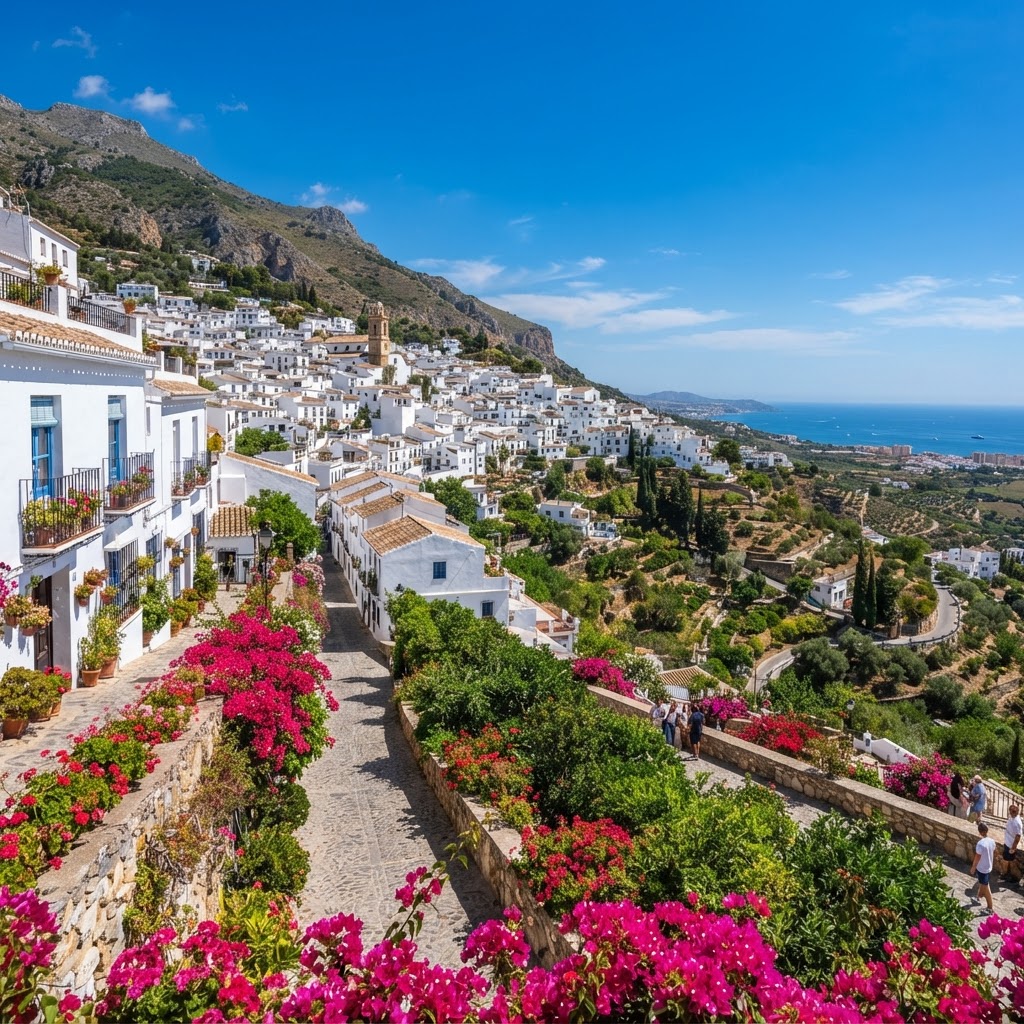
A whitewashed village is a traditional Mediterranean settlement where houses are coated in lime to combat intense solar radiation and provide natural sanitation. Historically, this architectural style provided a vital cooling mechanism, with white lime reflecting up to 90% of sunlight, keeping interior temperatures significantly lower than the outdoor heat. These villages were strategically built on steep, rugged inclines, acting as natural fortresses that protected inhabitants from invaders during the medieval period. The practice remains a point of intense regional pride, with residents often reapplying the lime coating annually to maintain the blindingly white finish that defines the landscape.
Why Are the White Villages White?
The tradition of using whitewash dates back centuries, rooted in both health and climate needs. Lime is a natural, caustic disinfectant, which helped combat disease in tightly packed communities while simultaneously providing protection against pests and fungi. Furthermore, the brilliant white exterior acts as a reflective shield against the scorching sun, ensuring that life within the walls remains bearable throughout the summer, where temperatures often exceed 40°C (104°F). This architectural legacy has turned these communities into world-renowned attractions, creating a unified visual identity across the Andalusian mountains.
Uncovering the History of the Pueblos Blancos
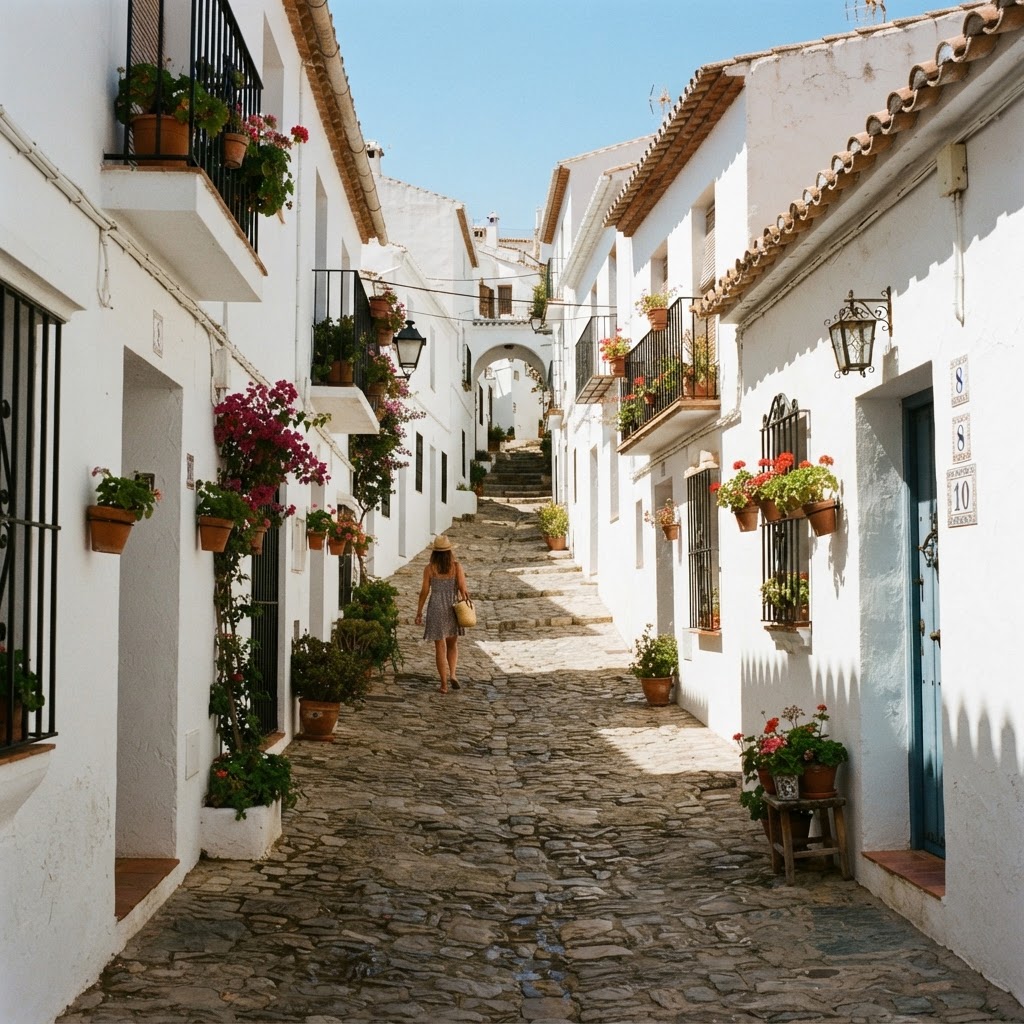
The historical landscape of the Pueblos Blancos is a complex fusion of Phoenician, Roman, and Moorish heritage that spans over 2,000 years of Iberian history. During the Moorish occupation from 711 to 1492, the region saw the development of sophisticated irrigation systems, narrow labyrinthine streets designed to maximize shade, and the integration of internal courtyards influenced by North African urban planning. After the Reconquista, Christian rulers preserved much of this layout to maintain the defensive, climate-appropriate architecture. Today, travelers can see this history through the remnants of castle walls in Arcos de la Frontera or the Moorish irrigation channels still visible in the Sierra de Grazalema.
The Best White Villages to Visit
Choosing where to start your journey is best navigated by focusing on accessibility and specific geographic highlights, as the “Ruta de los Pueblos Blancos” includes over 20 distinct towns. Travelers starting from Seville typically head south toward Arcos de la Frontera, while those based in Malaga often traverse the mountains toward Ronda. Each village offers a distinct experience, ranging from the dramatic cliffside engineering of the larger towns to the quiet, agricultural pace of smaller hamlets tucked into the valleys. For a balanced trip, allocate at least 3 to 4 days to cover the major highlights without feeling rushed by the winding mountain roads.
Ronda: The Dramatic Cliffside Jewel
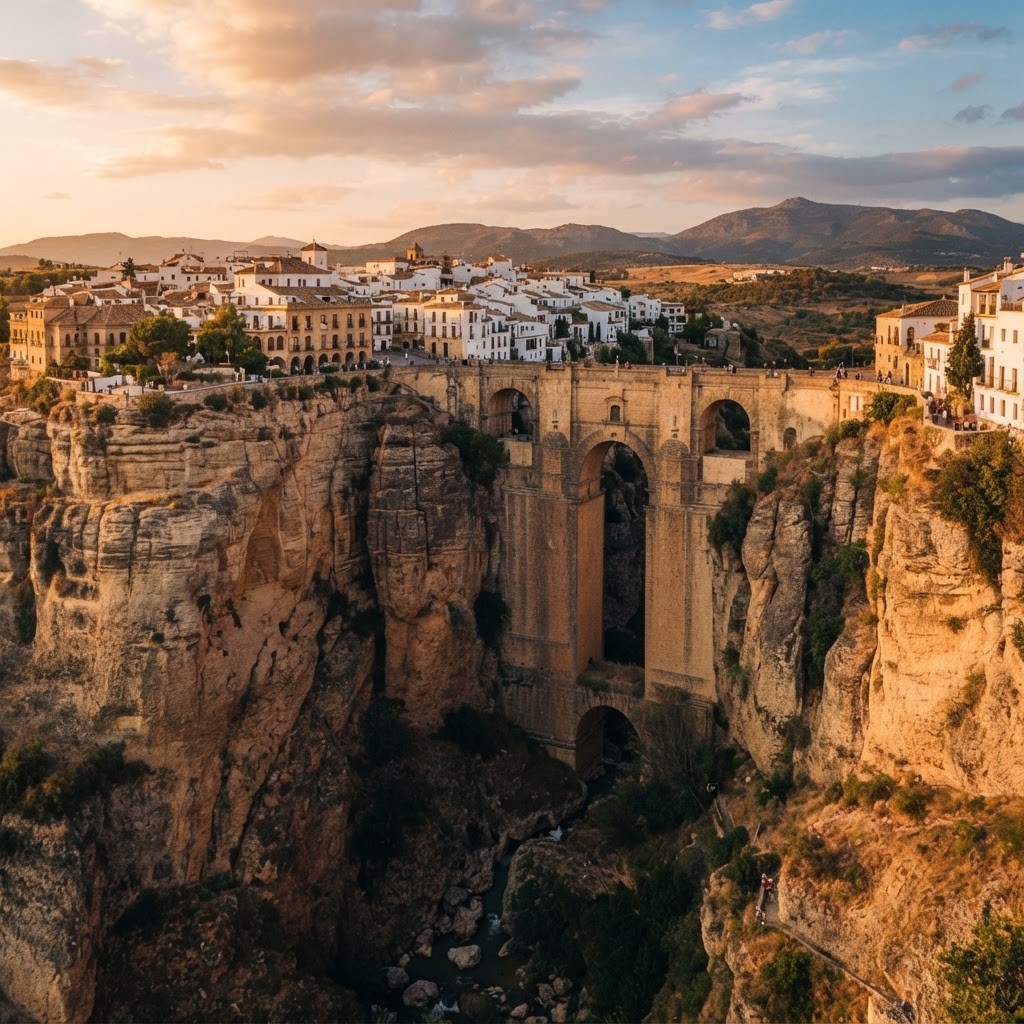
Arguably the most famous destination is Ronda, a breathtaking city split in two by the El Tajo gorge, which plunges 120 meters (394 feet) deep. Standing on the 18th-century Puente Nuevo bridge, visitors can view the scale of the landscape that once made Ronda an impregnable stronghold. Beyond the bridge, the Plaza de Toros is one of Spain’s oldest bullrings, dating back to 1785. The city remains an essential stop for its blend of Roman, Moorish, and Enlightenment-era architecture that provides a comprehensive look at the region’s defensive history.
Arcos de la Frontera: The Gateway to the Route
Often called the gateway to the white villages, Arcos de la Frontera is perched precariously on a 150-meter-high rocky ridge overlooking the Guadalete River. The historic center is a maze of steep, cobblestone streets leading to the Castillo de los Duques, a 15th-century fortress that offers panoramic views of the surrounding olive groves. It serves as an ideal starting point for travelers due to its central location and proximity to major transport links, providing a mix of boutique lodging and authentic local gastronomy like ‘ajo caliente’ (a thick, warm garlic soup).
Exploring Nature in the Sierra de Grazalema
If you seek adventure alongside cultural exploration, look toward the Sierra de Grazalema Natural Park, a UNESCO Biosphere Reserve renowned for its unique limestone karst formations and the Pinsapo pine tree. This protected area is a haven for hikers and outdoor enthusiasts who want to experience the raw, untamed beauty of the countryside away from the tourist hubs. The village of Grazalema, located 820 meters above sea level, serves as a high-altitude base for trekking routes that offer cool retreats even during the peak summer months. Whether you are exploring the “Garganta Verde” canyon or the high mountain peaks, this park provides a critical look at the diverse, protected ecosystems that sustain these remote populations.
Setenil de las Bodegas: Life Beneath the Rock
Unlike any other location in the region, Setenil de las Bodegas is built directly into the overhanging cliffs of the Rio Trejo. Instead of carving into the stone, residents used the natural rock formations as roofs and walls for their homes, resulting in a village where modern streets are physically shaded by massive stone overhangs. Walking down the main street, you feel the weight of the massive stone formations pressing down from above, a unique architectural experience that is significantly more thermally efficient than standard construction.
What is the Prettiest Village in Southern Spain?
Beauty is subjective, but Frigiliana often claims the title for its impeccable preservation and vibrant floral displays. The narrow, pedestrian-only streets are decorated with colorful tiles and cascading bougainvillea, creating a sensory overload of beauty that feels entirely untouched by time. Every turn in Frigiliana offers a postcard-worthy moment that highlights the community’s dedication to urban aesthetics. It is widely considered the best-preserved village in the Axarquia region, featuring a unique ‘Barrio Alto’ section that dates back to the Moorish era.
Zahara de la Sierra: A Masterpiece Above the Lake
For those who love scenic vistas, Zahara de la Sierra is a must-see for its strategic location overlooking the Zahara-El Gastor Reservoir. The white houses tumble down a steep slope from the remains of a historic castle, all overlooking a stunning turquoise lake that serves as a vital water source. The contrast between the brilliant white structures, the emerald hills, and the deep blue water creates a scene of unmatched beauty that is best captured at sunset. Visitors can hike to the castle summit for a 360-degree view that extends all the way to the coast on clear days.
Practical Tips for Your Road Trip
Traveling through this region is best done by car, as it allows you the freedom to explore the smaller, less-frequented paths between the main hubs. The roads can be winding and narrow, so plan for average speeds of 40 km/h (25 mph) on mountain routes. Always pack comfortable shoes, as the local streets are steep, uneven, and often slippery. Plan your visits for the shoulder seasons to avoid the intense summer heat, which can often exceed 40°C in the valleys.
FAQ
What are the Pueblos Blancos?
The Pueblos Blancos are a collection of historic villages in Andalusia, Spain, characterized by white-painted houses, narrow streets, and mountainous terrain. They reflect a blend of Moorish and Christian architectural styles designed to manage the region’s intense solar heat.
Where is the best place to start a tour of the white villages?
Arcos de la Frontera is widely considered the best starting point because it is located at the gateway of the route near Jerez. It provides a perfect transition from the modern roads into the rugged, mountain-focused terrain of the villages.
When is the best time of year to visit Andalusia’s white villages?
The best time to visit is during spring (April to June) or autumn (September to October). These months offer mild temperatures that make walking the steep, uphill streets of the villages much more comfortable for travelers.
Is it difficult to drive between the white villages?
Driving is possible but requires caution as many roads are narrow, winding, and lack guardrails in remote sections. Experienced drivers usually find the journey manageable if they stick to daytime driving and avoid high-speed maneuvers on mountain curves.
Do the houses in these villages really stay cool?
Yes, the whitewashed lime coating reflects sunlight, while the thick stone walls and narrow streets create effective passive cooling. This combination allows these homes to remain significantly cooler than the ambient outdoor temperature during the summer.
Practical Tips for Navigating the Pueblos Blancos
Driving through the Sierra de Grazalema or the mountains of Ronda requires patience and nerves of steel. Most village streets were built for mules, not modern compact cars. Park your vehicle in the designated lots outside the town center to avoid getting stuck in a narrow alleyway. If you encounter a local driver on a tight bend, always yield; they know exactly how much clearance they have.
Wear sturdy, comfortable footwear with good grip. The cobblestones are slippery, especially after a light morning dew or seasonal rain. You will walk on steep inclines and uneven surfaces throughout your visit. Leave the flip-flops and dress shoes in your hotel room.
When to Go and How Long to Stay
Avoid July and August at all costs. The heat reflects off the whitewashed walls, turning the streets into an intense oven. The best time to experience these villages is from late March to May, or late September to early November. You get comfortable hiking temperatures and fewer crowds at popular spots like Zahara de la Sierra.
Three to four days is the perfect amount of time to explore a cluster of villages. Spend two nights in a larger base like Ronda and take day trips to the smaller gems like Setenil de las Bodegas. You cannot see everything in a single weekend without rushing through the experience.
Common Pitfalls and How to Avoid Them
Do not try to visit more than two villages in one day. You will spend all your time in the car and miss the slow-paced atmosphere that makes these places special. Sit down at a local tavern, order a glass of sherry, and watch the world go by instead of checking items off a list.
Many travelers forget that shops and businesses close for siesta between 2:00 PM and 5:00 PM. Do not rely on finding open restaurants for a late lunch. Eat when the locals eat, usually around 2:00 PM sharp, or you might find yourself stuck with vending machine snacks until evening.
Budgeting for Your Trip
Andalusia remains one of the most affordable regions in Western Europe. You can find excellent boutique guesthouses for 60 to 90 euros per night. A hearty lunch with local wine usually costs less than 20 euros per person. Set aside a budget of 100 euros per day to live very comfortably, excluding car rental costs.
Essential Pre-Trip Checklist
- Book your rental car with full insurance coverage for potential scratches on narrow turns.
- Download offline maps since mobile signal strength fluctuates significantly in deep mountain valleys.
- Carry small denominations of cash for parking meters and small rural cafes.
- Pack a lightweight jacket, as mountain temperatures drop sharply after the sun sets.
Frequently Asked Questions
Do I need to speak Spanish to visit the white villages?
English is spoken in the larger towns, but basic Spanish phrases go a long way in smaller settlements. Learn how to greet shopkeepers and order food in the local language. You will receive much warmer service and potentially better local recommendations by making the effort.
Are the white villages family-friendly?
They are wonderful for curious children, but they are not stroller-friendly due to steep steps and narrow alleys. Bring a sturdy baby carrier if you are traveling with an infant. Older children will enjoy the castle ruins, but keep a close watch on them near the sharp cliff edges found in many villages.
Leave a Reply