
Exploring the Cotswolds by train from London is easily achievable by taking a direct Great Western Railway service from London Paddington to Moreton-in-Marsh, a journey of approximately 90 minutes. Once there, you can navigate the region using the well-connected local bus network, taxis, or by walking between picturesque, honey-colored stone villages.
Choosing Your Gateway: The Best Train Stations
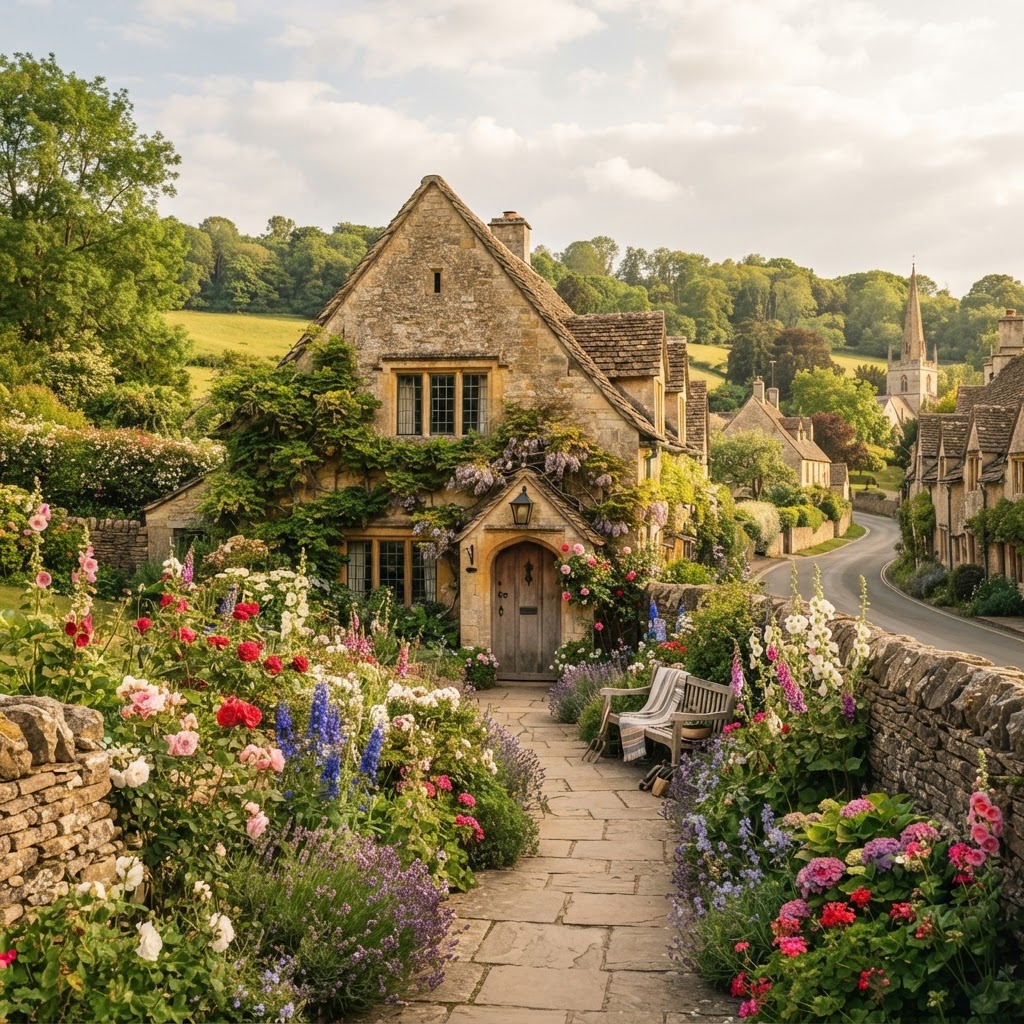
Selecting the right rail hub is the most important decision for a car-free trip, as the right choice minimizes transit time and places you within reach of top destinations. Moreton-in-Marsh is widely considered the premier gateway for travelers arriving by train. Situated on the Great Western Railway line, it is incredibly easy to reach from London Paddington in about 90 minutes. Once you step off the train, you are in the heart of the region, with easy access to iconic spots like Bourton-on-the-Water and Stow-on-the-Wold via the 801 bus route.
Another excellent option is the station at Kemble. This is perfect if you are heading toward the southern part of the Cotswolds, particularly Cirencester or Tetbury. Trains here are frequent, and the station itself is small, making your transition from the train to a local bus or taxi swift and efficient. The following table helps you decide between these hubs:
Navigating the Local Bus Network
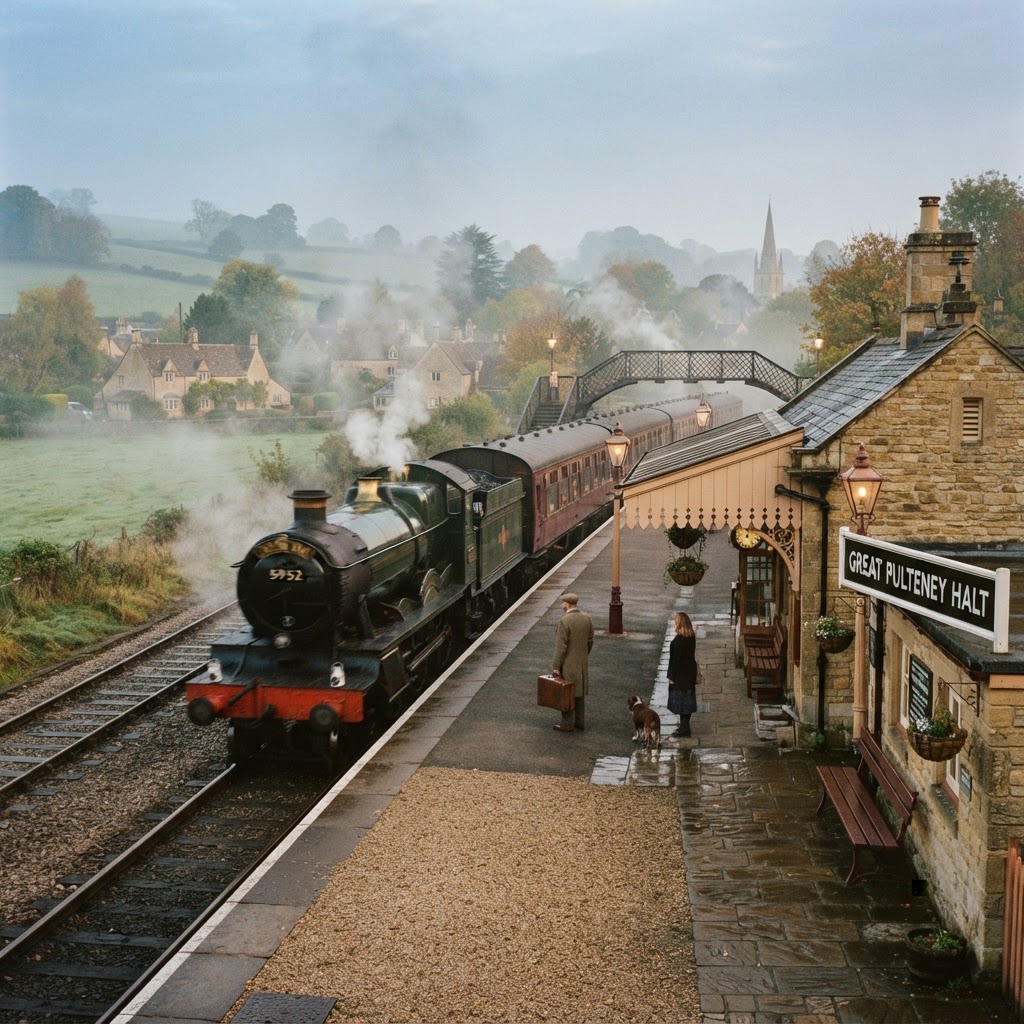
Once you arrive at your gateway station, the local bus network becomes your primary tool for exploring beyond the station towns. While bus schedules in rural England are less frequent than in major cities, they are coordinated with rail arrivals. Companies like Pulhams Coaches and Stagecoach operate the primary routes connecting the major hubs.
It is essential to download a dedicated bus app or check the local transit website before your departure. Look for the “Cotswolds Discoverer” pass, which is a fantastic value for visitors relying on public transport. As of 2024, a one-day discovery pass typically costs around £10-£12 and allows for unlimited travel on most bus routes within the region, giving you the freedom to hop between villages like Broadway, Chipping Campden, and Burford at your own pace.
Top Tips for Bus Travel
Always double-check the Sunday and bank holiday schedules, as service levels drop significantly. If you are traveling during these times, consider planning a more leisurely day in your arrival village rather than trying to visit multiple locations. Many bus drivers accept contactless payment, but it is always wise to keep a small amount of cash as a backup. Always arrive at the bus stop at least five minutes early, as rural buses may run slightly ahead of schedule if traffic is light.
Planning Your Itinerary: A Sample Two-Day Trip
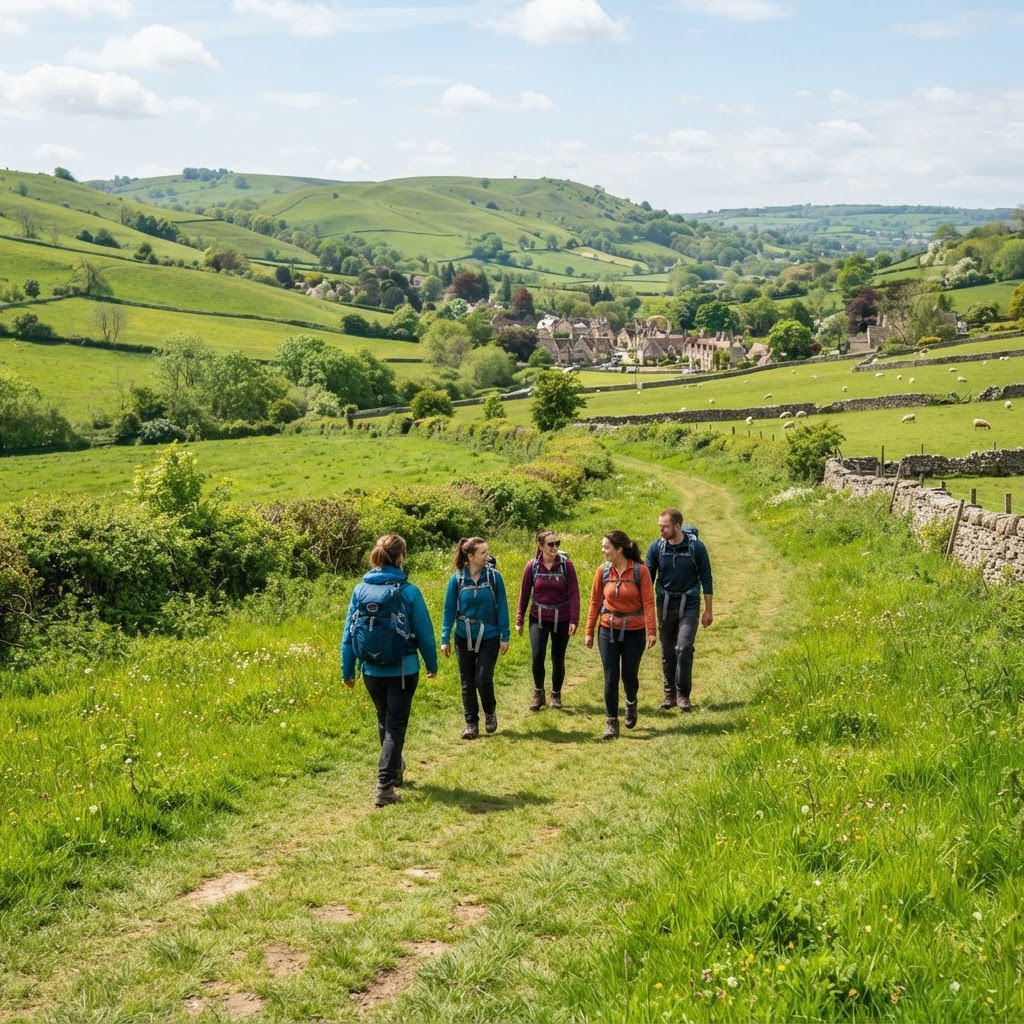
Structure your trip around village clusters to minimize transit time and maximize your time exploring. For the first day, focus on the area around Moreton-in-Marsh. You can easily take a short bus ride to Bourton-on-the-Water, famous for its picturesque bridges, and then continue to Stow-on-the-Wold. Both villages are incredibly walkable, allowing you to spend more time soaking in the atmosphere than waiting at a bus stop.
On the second day, venture toward the historic market town of Chipping Campden. Famous for its architecture and the start of the Cotswold Way, it provides a different, slightly quieter feel than the tourist-heavy hubs. By staying at a central location like Moreton-in-Marsh, you keep your luggage secure and only need to carry a day pack for your excursions.
The Joys of Walking the Cotswolds
One of the greatest benefits of not having a car is the freedom to embrace the extensive network of footpaths that link villages together through rolling fields and ancient woodlands. Instead of sitting in a bus, you can hike between villages like Lower Slaughter and Upper Slaughter in under 45 minutes of easy walking.
These paths are clearly marked and offer some of the most stunning views you will find in all of England. Walking allows you to discover hidden corners, quiet meadows, and secret gardens that you would surely miss while driving past in a vehicle. Pack sturdy walking shoes, a reliable rain jacket, and plenty of water, and you will find that the walking trails are often the highlight of the trip. Always ensure you have a physical map or a downloaded offline GPS route, as cell service can be spotty in the valleys.
Staying in the Heart of the Action
When you do the Cotswolds by train from London, your choice of accommodation is critical. Look for inns, B&Bs, or hotels within walking distance of the train stations or primary bus routes. This strategy keeps your morning and evening travel completely stress-free.
Moreton-in-Marsh has a high density of historic inns that are perfect for those arriving by rail. Not only do these locations offer charm, but they also serve as hubs for local tour operators. If you prefer a guided experience for one day, many small-group tour companies pick up guests from the main train stations, allowing you to venture deeper into the countryside without navigating the schedules yourself.
Staying in a central hub also gives you easy access to local grocers and cafes. You can stock up on supplies for your day hikes or enjoy a traditional English pub dinner without worrying about driving back to your lodging. This immersion into the local lifestyle is the true benefit of traveling without a car.
Making the Most of Your Journey
To ensure your trip is a success, keep your travel plans flexible. The beauty of the Cotswolds is found in the unexpected detours—a sudden rain shower that sends you into a tea shop, or a local artisan market that pops up in a village square. Because you aren’t tied to a parking space, you can linger in these moments without a second thought.
Ensure you have your train tickets booked in advance via apps like Trainline to get the best prices, especially if traveling during peak season. Traveling off-peak is another strategy to save money and ensure a quieter experience on the trains. Always check for engineering works on the weekend, as these can occasionally impact train services leaving London Paddington.
FAQ
Q: Can you visit the Cotswolds on a day trip from London by train?
Yes, you can easily visit the Cotswolds on a day trip by taking the 90-minute morning train from London Paddington to Moreton-in-Marsh. You will have approximately 6-8 hours to explore local villages by bus or foot before catching an evening train back.
Q: Do I need to book my bus tickets in advance?
No, most local bus tickets in the Cotswolds can be purchased directly from the driver using contactless payment or cash. You do not need to book bus seats in advance, but it is wise to confirm the daily schedule on the operator’s website before you head out.
Q: Is there a rail pass for the Cotswolds?
While there is no specific “Cotswolds rail pass,” you should look into the “Cotswolds Discoverer” day pass. This is a regional bus pass that provides unlimited travel on most local services for a set daily fee, which is significantly cheaper than buying individual point-to-point tickets.
Q: What is the best time of year to visit the Cotswolds without a car?
Late spring (May/June) and early autumn (September) are the best times to visit because the weather is mild enough for walking between villages. During these months, local bus services are more frequent compared to the reduced winter schedules.
Q: Are the walking trails between villages suitable for beginners?
Yes, many of the walking paths, such as the route between Lower and Upper Slaughter, are flat, well-marked, and suitable for beginners. You can expect to walk roughly 2-4 miles between neighboring villages, which typically takes between 45 minutes and 90 minutes at a leisurely pace.
Common Mistakes to Avoid
Many travelers try to visit three or four villages in a single day. This is a mistake because rural buses often wait for train connections or sit in village traffic. You will spend more time waiting at bus stops than walking the cobblestone streets. Stick to two villages per day to truly enjoy the atmosphere.
Another error is assuming you can rely on ride-sharing apps. Uber coverage is almost non-existent in the smaller villages. If you need a car for a specific connection, search for local taxi firms in the town where you arrive. Save their number in your phone before you leave the station.
When to Go and How Long to Stay
Visit between May and June for the best weather and blooming gardens. The rapeseed fields turn the landscape a brilliant yellow during these months. September is also excellent because the summer crowds disappear and the weather stays mild. Avoid August if you dislike fighting for space on narrow village paths.
Stay for at least three days to experience the transition from day-tripper crowds to quiet evenings. The Cotswolds feel entirely different after 5:00 PM when the buses depart. If you only stay one night, you will miss the peaceful magic of the local pubs.
Budgeting for Your Trip
Expect to spend about £30 to £45 per day on local transport and food if you stay in modest guesthouses. Trains from London range from £25 to £60 depending on how early you book. Use the Trainline app to secure advance tickets three weeks out for the best savings.
Budget £15 per day for a ‘Cotswolds Discoverer’ pass and casual lunches. Dinner at a traditional pub usually costs between £15 and £25 per person. Factor in an extra £20 if you plan to visit paid attractions like Sudeley Castle or Blenheim Palace.
The Pre-Departure Checklist
- Book your train tickets exactly 12 weeks in advance to save 50% or more.
- Download the Pulhams Coaches map to your phone for offline access.
- Pack a pair of sturdy, waterproof walking shoes; village streets are uneven.
- Carry a physical power bank, as rural transit apps drain phone batteries quickly.
- Check the ‘Traveline’ website for real-time bus alerts before leaving your hotel.
Frequently Asked Questions
Can I bring my bicycle on the train to the Cotswolds?
Yes, but you must reserve a space for your bike when booking your train ticket. Many Great Western Railway services have a strict limit on bicycle capacity per carriage. Note that the buses in the region generally do not accept bicycles, which restricts your mobility once you arrive.
Are the villages accessible for travelers with limited mobility?
It is difficult. Many of the historic villages feature steep hills, narrow footpaths, and uneven, centuries-old stone paving. Some buses have low-floor access, but reaching the best viewpoints often requires navigating inclines. If you have mobility concerns, focus your trip on larger hubs like Moreton-in-Marsh where terrain is flatter.
Do I need to tip taxi drivers in the Cotswolds?
Tipping is not mandatory but rounding up to the nearest pound is common. If a driver helps with heavy luggage, a tip of 10% is appreciated. Keep your interactions friendly, as local taxi drivers are often the best source for hidden walking paths or late-night transport tips.
Leave a Reply