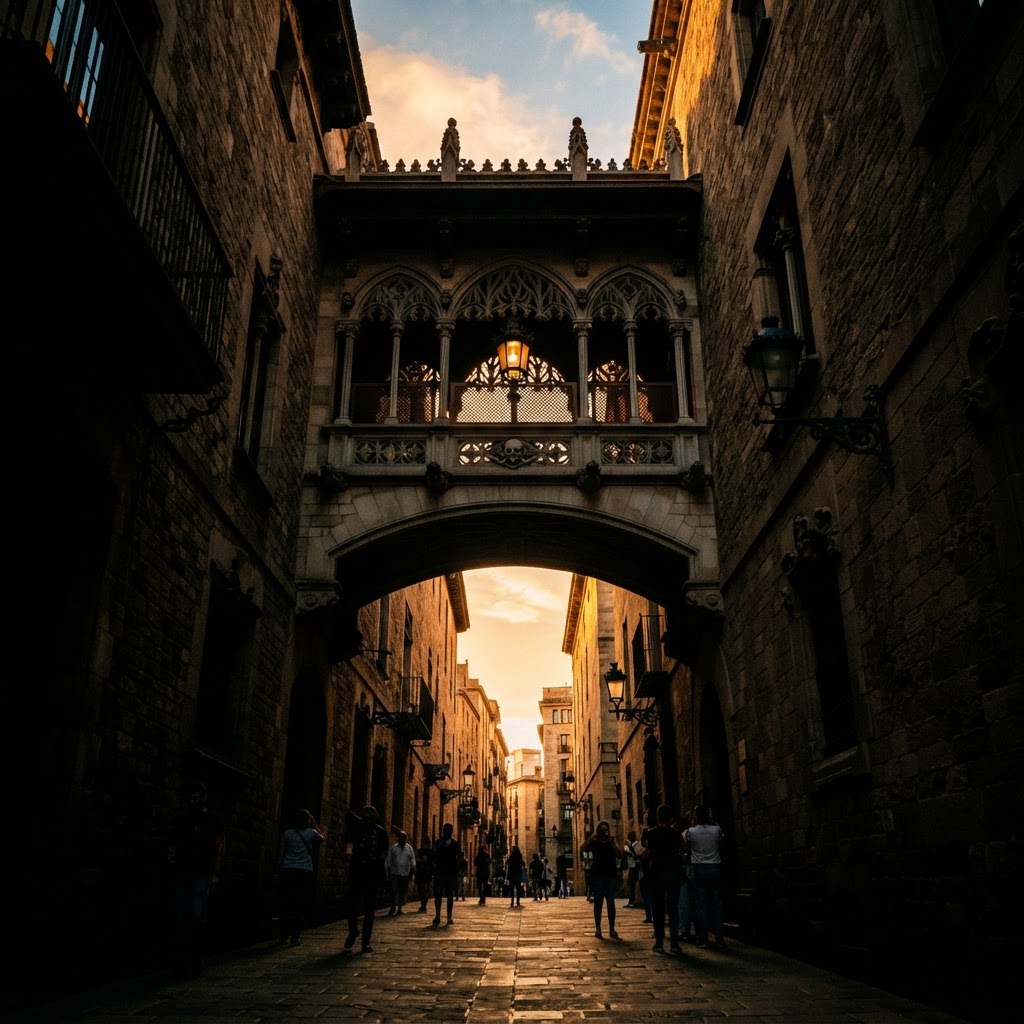
Barcelona is more than just a Mediterranean destination; it is an open-air film set that has captivated directors and travelers alike for decades. With a blend of ancient cobblestone passages, soaring Gothic spires, and surrealist Modernist structures, the city offers a visual feast that often feels like walking through a high-budget production. Whether you are a photography enthusiast or a film buff, finding those Barcelona streets that look like a movie is a journey into the heart of Catalan aesthetic.
The Gothic Quarter: Stepping Back in Time
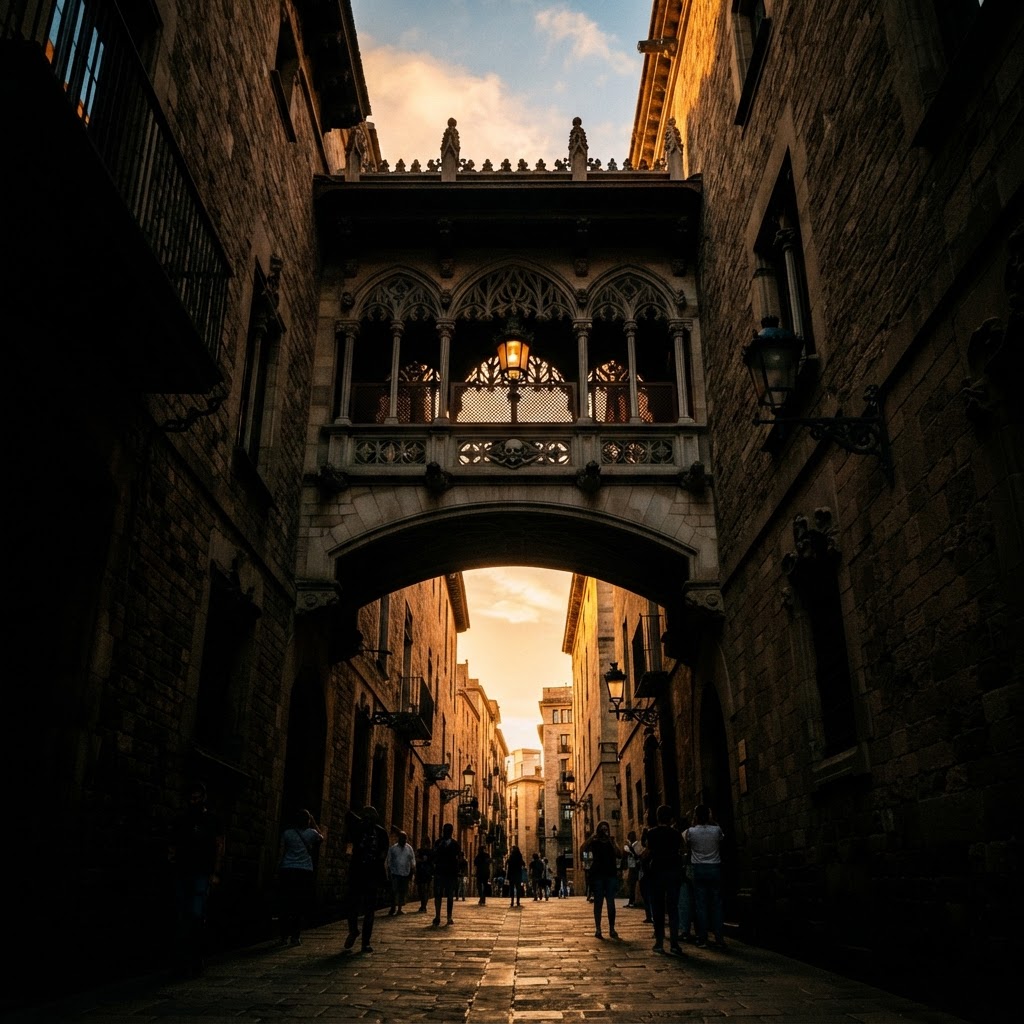
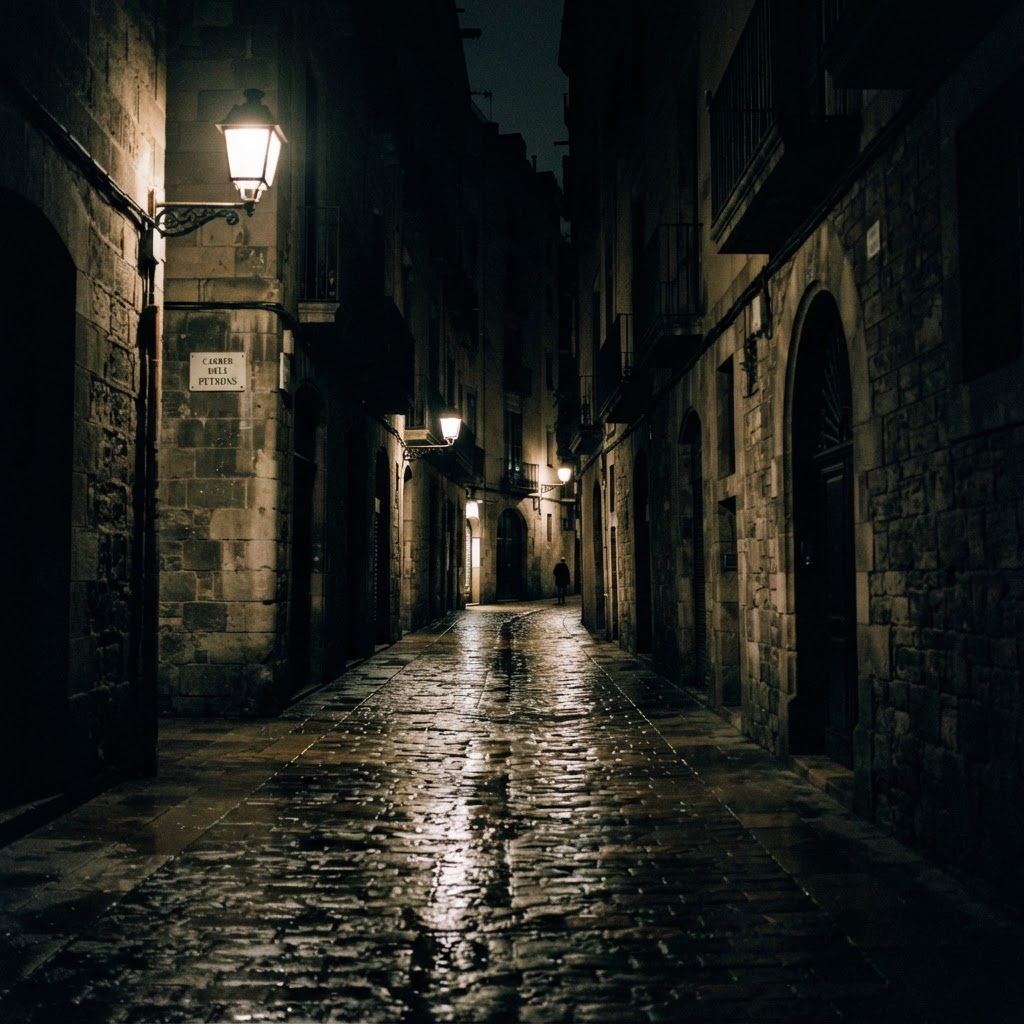
The Barri Gòtic is arguably the most famous location for anyone seeking a medieval atmosphere. Walking through the narrow, winding alleys here feels like entering a time machine. The stone walls, darkened by centuries, create dramatic light-and-shadow play perfect for moody cinematic shots.
One standout spot is the Carrer del Bisbe. This street is home to the iconic neo-Gothic bridge that hangs above the walkway. It is a favorite for location scouts and offers an immediate sense of historical gravitas. Standing there, you can easily imagine a noir detective story unfolding in the silence of the early morning mist.
Why the Gothic Quarter Feels Cinematic
The density of the architecture creates a sense of intimacy that is rare in modern cities. Because the buildings are so close together, the light filters down in thin shafts, highlighting textures and architectural details. It is this specific quality of light that makes the area feel inherently like a movie scene.
Modernism and Elegance in Eixample
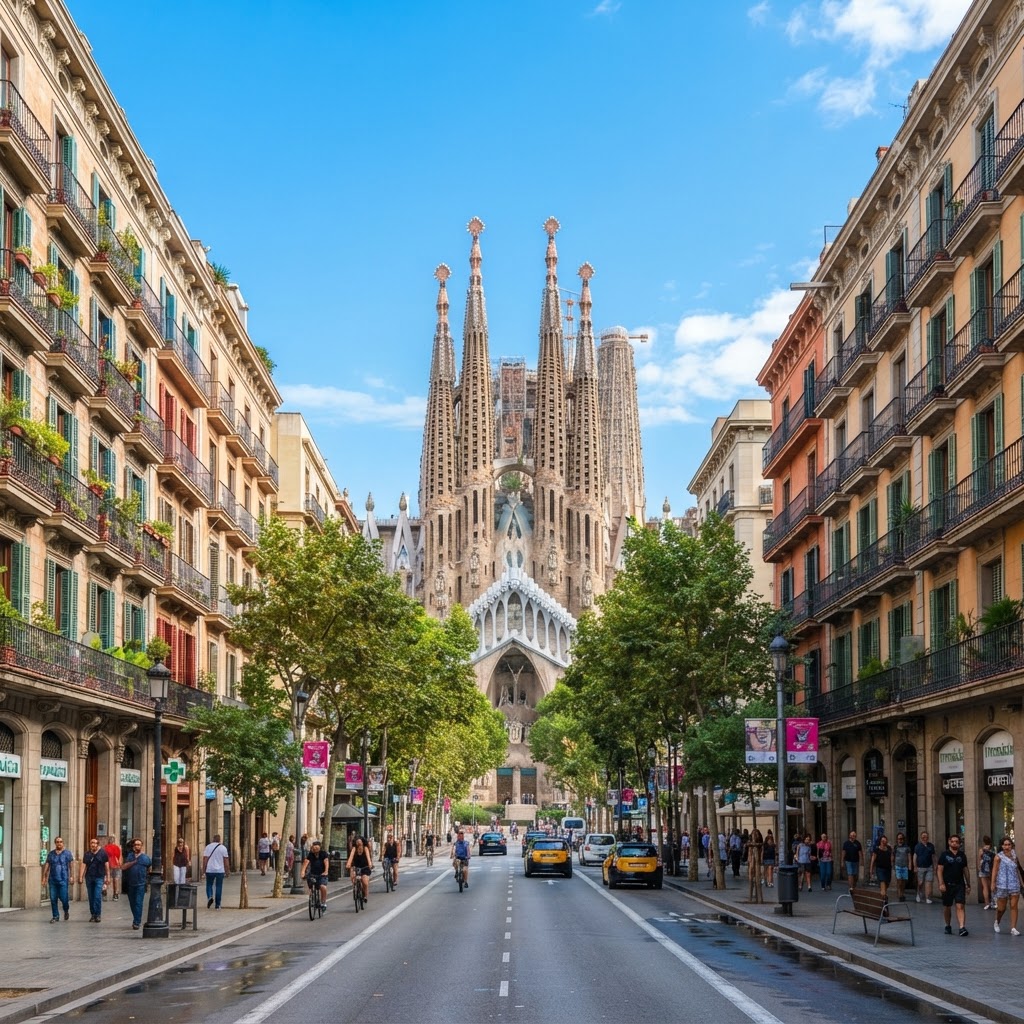
Transitioning from the ancient to the avant-garde, the Eixample district represents a completely different cinematic tone. Here, the streets are wide, symmetrical, and lined with iron balconies and floral stone carvings. This is where movies focused on glamour or historical drama often find their backdrop.
Carrer de Mallorca and the surrounding blocks near the Sagrada Família provide a grand scale. The contrast between the sheer height of the buildings and the organized geometry of the city grid creates a clean, sophisticated visual language. It feels like the setting for a mid-century period piece or a high-stakes heist.
The Pastel Charm of Gràcia
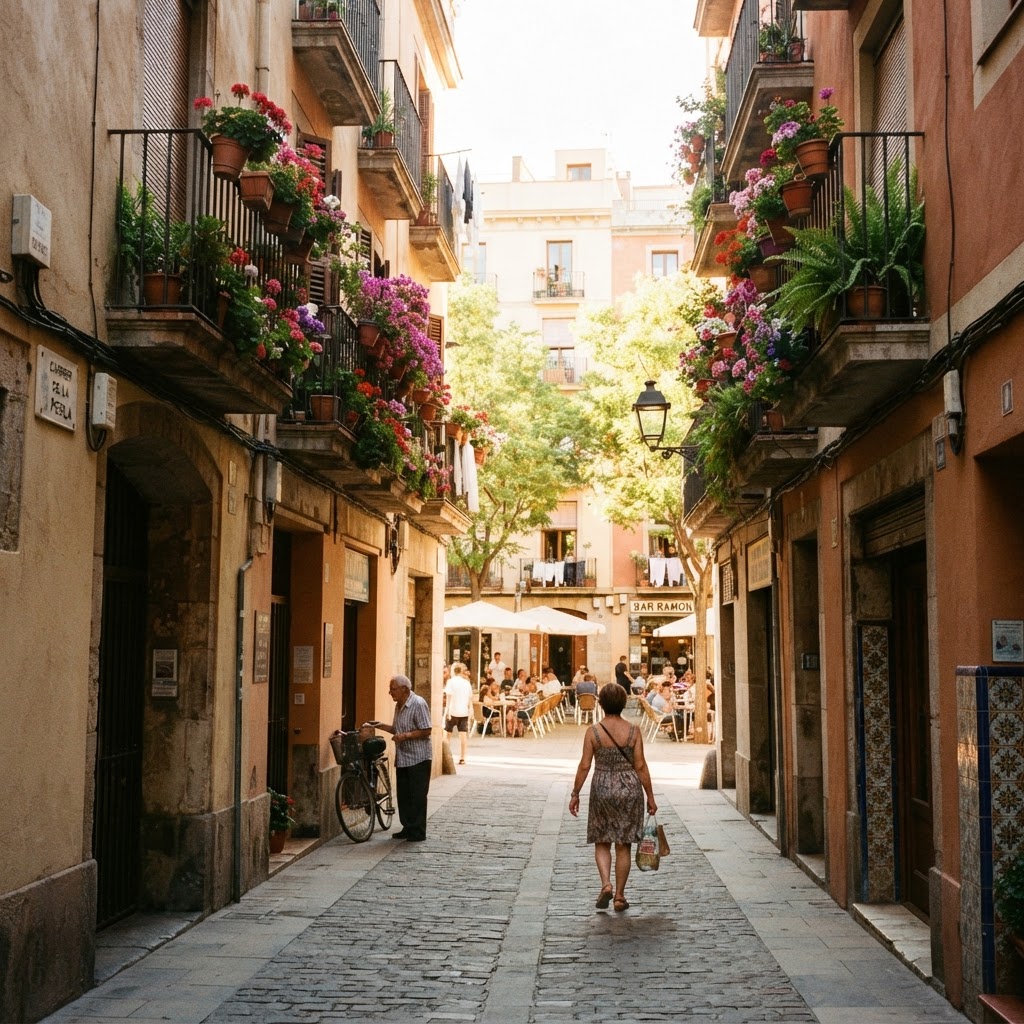
If your idea of a movie aesthetic involves cozy squares, outdoor cafes, and a village-like atmosphere, Gràcia is your destination. This neighborhood feels removed from the frantic pace of the city center. The streets are narrower than those in Eixample but possess a warm, inviting quality that screams “romantic indie film.”
Placa de la Virreina is a classic example of this charm. The way the sunlight hits the church facade in the late afternoon is pure magic. It is the kind of location where you expect the main characters to have a serendipitous encounter over a cup of cafe con leche.
Hidden Gems in Gràcia
- Carrer de Verdi: Known for its vibrant community feel and film festivals.
- Carrer de Torrijos: Offers a perfect blend of local businesses and classic residential architecture.
- Plaça del Sol: An iconic spot for evening gatherings that feel like a scene from a coming-of-age movie.
The Coastal Drama of Barceloneta
For a grittier, more salt-of-the-earth cinematic vibe, head toward the coast. The narrow streets of Barceloneta are lined with weathered buildings and laundry hanging from balconies, reflecting the authentic soul of the city’s fishing history. This is where you find the textures of working-class life that provide depth to any cinematic narrative.
Gothic Architecture Meets Surrealism
Barcelona is unique because of the influence of Antoni Gaudí. His buildings, such as Casa Batlló and Casa Milà, turn standard streets into surrealist landscapes. Walking along the Passeig de Gràcia, you aren’t just looking at buildings; you are looking at organic, skeletal structures that defy conventional architectural rules.
These structures elevate the street from a simple thoroughfare to a fantastical environment. When shooting in this area, the scale and the curves of the buildings dominate the frame, leaving the viewer wondering if they are looking at a real city or a dreamscape constructed by a visionary artist.
Creating Your Own Cinematic Tour
To truly capture the vibe of Barcelona, you should approach your walk with the eye of a cinematographer. Consider the time of day, as the golden hour in the Gothic Quarter creates a warmth that cannot be replicated elsewhere. Use the city’s natural leading lines, such as the grid of Eixample or the curve of an ancient arch, to frame your shots.
Pro Tips for Cinematic Photography
- Use a wide-angle lens for the grand facades of Eixample.
- Utilize a prime lens for the intimate portraits in the narrow alleys of the Gothic Quarter.
- Always look up; the best details in Barcelona are often above eye level.
The Influence of Film on Barcelona’s Identity
Barcelona has hosted countless productions, from Woody Allen’s “Vicky Cristina Barcelona” to the complex scenes in “Perfume: The Story of a Murderer.” The city’s identity is inextricably linked to these films. When we walk these streets, we are unconsciously tracing the paths of fictional characters whose stories have become part of the city’s lore.
This history of film keeps the city looking “camera-ready” at all times. Whether it is the restoration of historic facades or the careful preservation of vintage signage, Barcelona maintains an aesthetic that respects its past while inviting new stories to be told within its borders.
Conclusion
Whether you are wandering through the medieval shadows of the Gothic Quarter or admiring the dreamlike curves of Gaudí’s masterpieces, it is easy to see why so many streets in this city resemble scenes from a film. Barcelona is a city that demands to be watched, framed, and remembered.
We encourage you to grab your camera, put on your most comfortable walking shoes, and go explore these cinematic locations for yourself. Have you captured a street in Barcelona that looks like it belongs on the big screen? Share your favorite spots in the comments below or tag us in your photos to keep the story of Barcelona’s streets alive.
Mastering the Cinematic Light: A Practical Walkthrough
Finding the perfect shot requires more than just a camera; it demands perfect timing. Barcelona is a city of shadows, and the sun moves rapidly between the tall, narrow buildings of the old city. You should aim to be in the Gothic Quarter by 7:30 AM before the tour groups arrive.
This early hour allows you to capture the Carrer del Bisbe without a swarm of cruise ship passengers ruining the frame. For the softer, warmer light of Gràcia, shift your planning to the late afternoon. The sun dips low behind the residential blocks, creating a golden glow that reflects off the pastel-colored facades. You will find that shooting between 5:00 PM and 7:00 PM provides the most flattering light for portraits or street photography.
Essential Gear and Camera Setup
Avoid lugging a massive tripod through the crowded streets. It is bulky, attracts unwanted attention from pickpockets, and is often prohibited in private squares. Stick to a fast prime lens, ideally a 35mm or 50mm, which mimics the human eye and offers excellent depth of field. Use a circular polarizer to cut the harsh glare reflecting off the Mediterranean stone.
Navigating the City Like a Professional Scout
Do not attempt to cover the Gothic Quarter, Eixample, and Gràcia in a single day. You will spend more time in transit than actually creating content. Devote at least one full day to each aesthetic style to avoid burnout.
- Day One: Focus on the medieval grit of the Gothic Quarter and El Born.
- Day Two: Explore the wide, regal avenues and architectural wonders of Eixample.
- Day Three: Spend a leisurely afternoon soaking in the village vibes of Gràcia.
Transportation is straightforward, but walking remains the only way to find those truly hidden corners. Wear broken-in leather sneakers or comfortable walking shoes. The cobblestones in the old city are notoriously uneven and will punish cheap footwear within an hour. Always keep your bag zipped and in front of you when navigating tight crowds.
Common Mistakes to Avoid
Many first-time visitors make the mistake of over-relying on Google Maps. While useful for basic navigation, it often steers you toward main tourist arteries that lack character. Instead, allow yourself to get lost in the side streets of the Gothic Quarter. If a narrow alley looks dark and uninviting, it is usually where you will find the most dramatic cinematic textures.
Another frequent error is ignoring local customs regarding store hours. Many small shops in Gràcia close for a siesta between 2:00 PM and 5:00 PM. If you are looking for that perfect window display or a quaint storefront for your cinematic composition, plan your route around these closures. You do not want your background to be a row of shuttered, graffiti-covered metal blinds.
Budgeting for Your Cinematic Exploration
You can capture most of these locations entirely for free, as they are public streets. Budget roughly 15 to 25 euros per day for sustenance and refreshments. Buying a coffee in a small square like Placa de la Virreina is the price of admission for staying as long as you like. Avoid the restaurants located directly on the main tourist boulevards; they are overpriced and often hinder your ability to take clean street shots due to excessive terrace seating.
Cinematic Checklist for Your Trip
- Check the sunset time daily to optimize your golden hour windows.
- Pack a compact, lightweight camera bag that does not scream “expensive gear.”
- Bring a portable power bank to charge your phone after a long day of mapping.
- Carry a small water bottle; there are public fountains throughout the city, known as ‘fonts,’ providing fresh, free water.
- Download a high-quality offline map since cell service can drop in the deep, stone alleys of the city center.
Frequently Asked Questions
When is the best season for cinematic photography?
Visit during late October or November. The light is softer and less harsh than in the height of summer, and the city is significantly less crowded. You will capture the moody, intellectual vibe of Barcelona without struggling for space.
Should I film with a gimbal or use handheld stability?
Handheld movement often looks more authentic for street-style cinematic footage. Unless you are planning a very specific tracking shot, skip the gimbal. The compact nature of your setup is your biggest asset for navigating crowds efficiently.
Are there areas I should avoid for safety?
Stick to the well-lit paths and main squares after dark. While the city is generally safe, the deep alleys of the Raval district—adjacent to the Gothic Quarter—can be unpredictable late at night. Keep your equipment stowed if you are walking through isolated, poorly lit areas after midnight.
Leave a Reply