
Autumn in the Cotswolds: 7 Dreamy Spots You Must Visit
Visiting the Cotswolds in autumn provides a serene, crowd-free experience characterized by vibrant golden foliage, crisp temperatures, and access to historic market towns. The best time to visit for peak autumn colors is typically from mid-October to early November, offering the perfect atmosphere for cozy pub stays and scenic countryside walks.
The Magic of the Golden Season
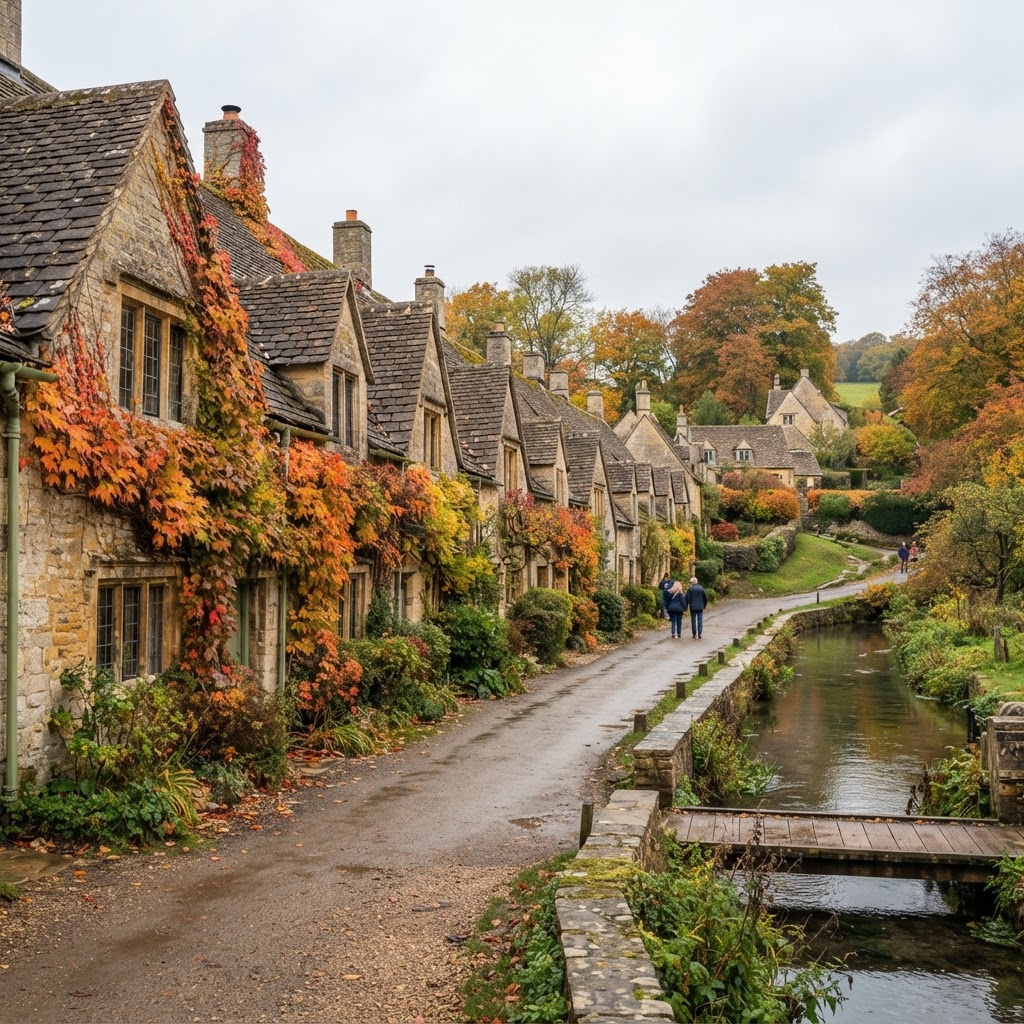
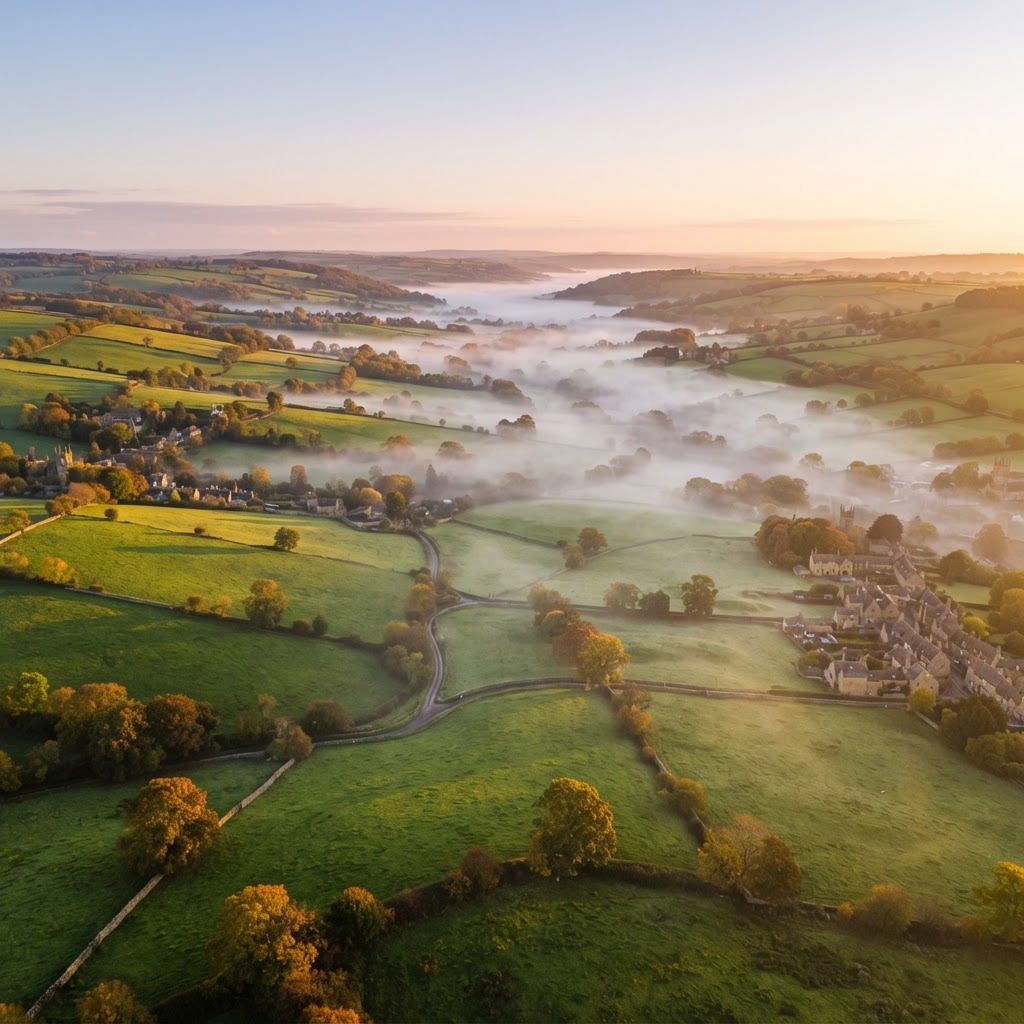
Autumn in the Cotswolds is a sensory experience defined by morning mists, ancient woodlands, and the transition of the rolling landscape into a tapestry of copper and gold. Visitors can expect average daytime temperatures ranging from 10°C to 15°C (50°F to 59°F), making it an ideal window for outdoor exploration before the harsher winter frost settles in. Unlike the peak summer season, which sees millions of visitors, late autumn months like November offer a 30-40% reduction in foot traffic, allowing for easier access to popular landmarks and a more intimate connection with local life.
Why Travel in the Fall?
Choosing to visit during autumn means experiencing the region at its most authentic. While summer draws tourists from across the globe, October and November provide a more intimate look at local life. You will find it easier to secure tables at top-tier restaurants and enjoy the winding country lanes without the stress of peak-season traffic. Plus, the crisp air is perfect for long, invigorating walks through the countryside.
1. Castle Combe: The Quintessential Village
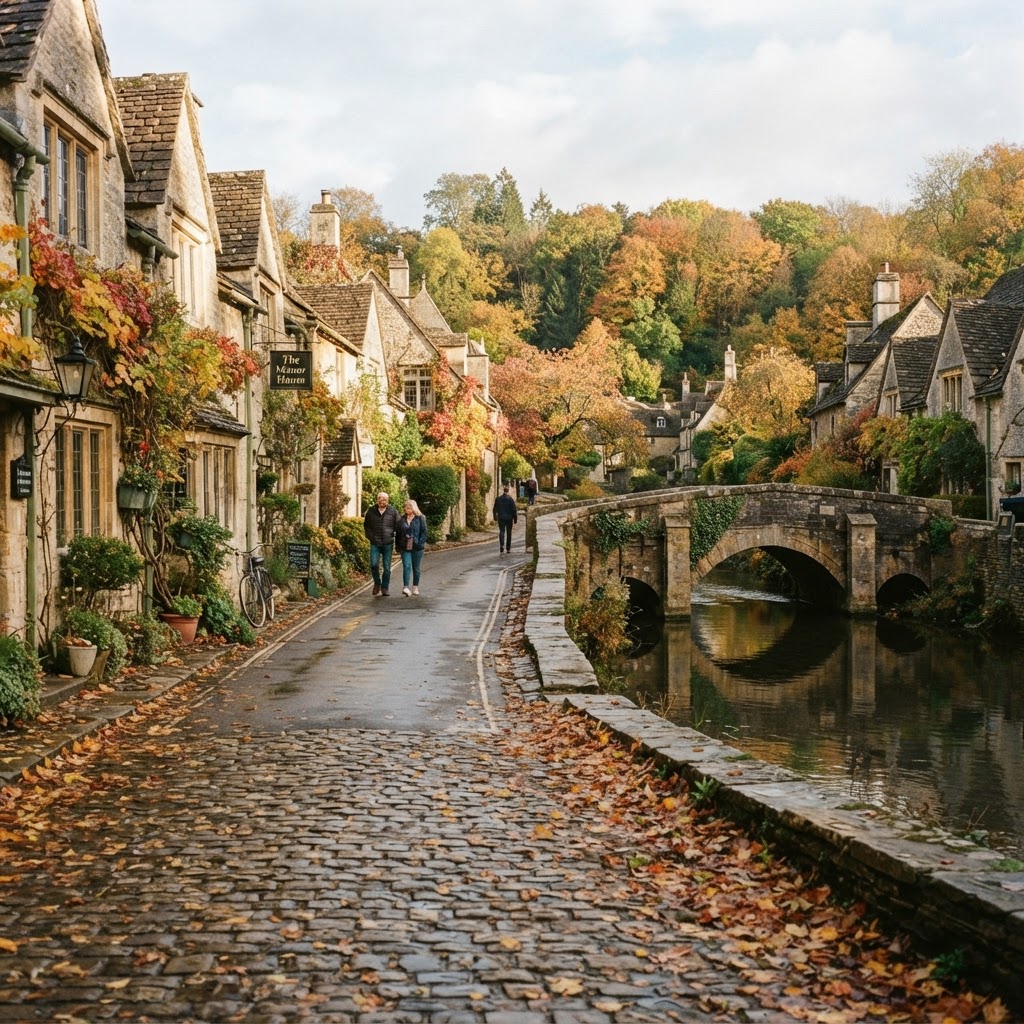
Castle Combe is widely considered one of the prettiest villages in England, famously preserved with medieval architecture that remains untouched by modern development. During autumn, the By Brook river creates a mirror-like reflection of overhanging trees, and the village’s signature oolitic limestone structures radiate a warm, golden hue in the softer autumnal light. Because the village is largely pedestrianized, it offers a silent, immersive experience that feels frozen in time. Visitors should aim to visit on a weekday morning; arriving before 9:00 AM ensures you capture the village before tourist coaches arrive, providing a clean aesthetic for photography. After exploring the riverside, enjoy a traditional afternoon tea—priced typically between £20 and £30 per person—in one of the local tearooms. The village has featured in numerous films, including ‘War Horse’ and ‘Stardust,’ cementing its reputation as a site of historical and cultural significance.
2. Broadway: The Jewel of the Cotswolds
Broadway is renowned for its wide, chestnut-lined high street, which transforms into a brilliant canopy of gold and amber during the autumn months. As a hub of independent luxury boutiques and art galleries, it serves as the perfect base for travelers looking to balance outdoor activity with refined indoor comfort. The village is situated at the base of the Cotswold escarpment, providing easy access to major regional trailheads. For the best experience, plan your visit during the week to avoid the weekend crowds that frequent the popular independent shops. The village is well-equipped for autumn visitors, offering high-end accommodation options that specialize in log-fire hospitality, essential for the cooling evening temperatures.
The Broadway Tower Experience
No trip to Broadway is complete without a trek to the Broadway Tower. As you climb the hill, you gain a vantage point that offers views across sixteen counties on a clear day. During autumn, the landscape below looks like a patchwork quilt of fiery reds and deep oranges, making the short hike well worth the effort.
3. Bourton-on-the-Water: Venice of the Cotswolds
Bourton-on-the-Water is defined by the shallow, picturesque River Windrush, which acts as the village’s main artery. While popular in summer, the autumn season significantly thins the crowds, allowing visitors to walk the low stone bridges and riverbanks in peaceful solitude. The contrast between the clear, shallow water and the bright yellow foliage creates one of the most distinct seasonal photo opportunities in the Cotswolds. The village also hosts the Cotswold Motoring Museum, which is an excellent indoor activity if the weather turns damp. Families will appreciate the safety and ease of the flat village layout, which remains accessible even when autumn rainfall increases the water flow. Visitors can enjoy a variety of local bakeries, where a warm pastry and hot coffee usually cost around £6 to £8, providing a perfect mid-morning treat while sitting by the river.
Seasonal Activities
Take time to visit the Cotswold Motoring Museum or simply stroll along the riverbanks with a warm pastry from a local bakery. It is a fantastic spot for families, as the wide-open spaces remain accessible and safe for children even as the weather cools.
4. Bibury: Beauty in the Details
Bibury is historically significant for Arlington Row, a collection of weavers’ cottages dating back to the 14th century. In autumn, the climbing ivy covering these structures turns a vivid, deep red, offering a stunning contrast against the traditional, weathered grey stone. It is essential to note that these are private residences; visitors are encouraged to be respectful when taking photographs to maintain the quiet, historic integrity of the site. Nearby, the Bibury Trout Farm—the oldest in England—provides a unique walking route along the water, where you can watch the trout in the clear, chilly autumn stream. If you are planning a trip, aim for a weekday arrival, as parking in the village is extremely limited and fills up quickly on Saturdays and Sundays. The walk from the village center to the trout farm takes roughly 10 minutes and offers some of the most tranquil, nature-focused views in the region.
Planning Your Visit
Because of its popularity, consider visiting on a weekday to avoid the weekend crowds. There is a tranquil trout farm nearby where you can take a peaceful walk, enjoying the crisp autumn air while watching the water flow toward the Coln River.
5. Stow-on-the-Wold: A Historic Market Hub
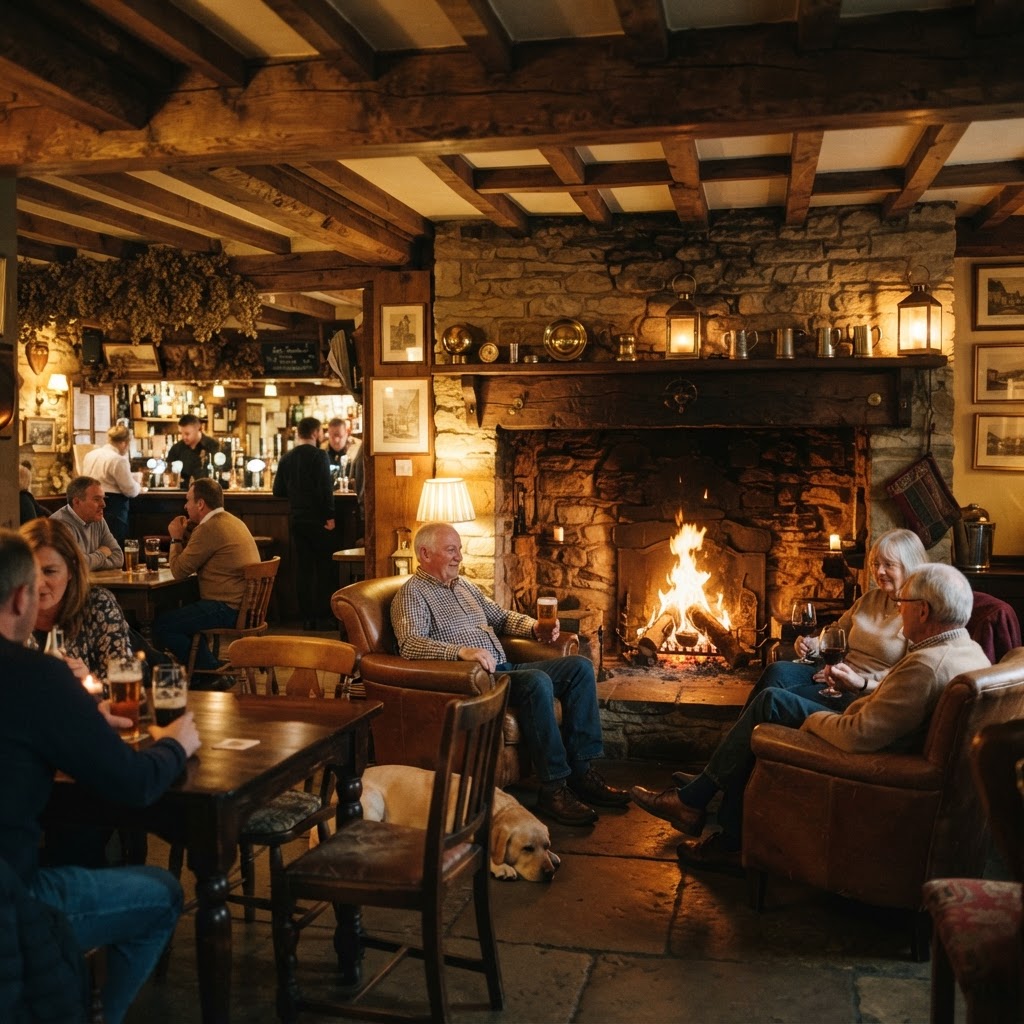
Stow-on-the-Wold, perched on a 800-foot hill, serves as a prime example of an elevated market town with a rich history centered around the medieval wool trade. This town is particularly well-suited for late-autumn travel because its density of historic pubs and indoor antique markets provides a natural escape from the colder, shorter days. The Porch House, recognized as one of England’s oldest inns (dating back to 947 AD), offers an atmospheric setting to experience traditional British hospitality with a fireplace and local ale. The town market square remains a hive of activity, and autumn is the best time to explore the labyrinth of independent antique shops without the suffocating heat of summer. Visitors should budget for slightly higher prices in these historic pubs, but the experience of dining in a building over 1,000 years old is a unique draw that defines the Cotswold autumn experience.
6. Chipping Campden: Artistic Charm
Chipping Campden is the northern gateway to the Cotswolds and is world-renowned for its artistic legacy, particularly the Arts and Crafts movement founded here by C.R. Ashbee. The high street is characterized by its terraced medieval houses and the historic Market Hall, built in 1627, which serves as a majestic focal point for autumn photography. Beyond the main street, hidden alleys and secret gardens reveal the town’s unique architectural heritage, with many gardens featuring seasonal late-blooming flora that contrast beautifully with the changing leaves. Culture seekers should prioritize a visit to the Court Barn Museum, which details the town’s significant contributions to jewelry and bookbinding. Autumnal light in Chipping Campden is particularly soft, perfect for capturing the intricate stonework details of the almshouses. If you have time for a longer walk, the Cotswold Way national trail passes through the town, offering a 10-mile round trip to Broadway Tower for those looking to stretch their legs during a crisp, clear day.
Exploring the Hidden Alleys
Don’t just stick to the main road; explore the hidden alleys and secret gardens that branch off the High Street. You will find quiet corners that feel entirely secluded, perfect for a moment of quiet reflection as the autumn leaves fall around you.
7. Painswick: The Queen of the Cotswolds
Painswick is distinguished by its steep, narrow streets and its iconic 99 yew trees planted in the churchyard, which take on a moody, gothic aesthetic as the autumn fog rolls over the Severn Valley. Often called the “Queen of the Cotswolds,” this village is significantly less commercialized than its neighbors, offering a quiet, contemplative retreat. The primary draw for hikers is the path to Painswick Beacon, where the altitude provides an expansive view of the surrounding countryside, often blanketed in a golden canopy during late October. Because of the hilly terrain, visitors should ensure they have sturdy, waterproof walking boots, as the steep, cobbled paths can become slippery when damp with autumn dew. The hike to the beacon is roughly 2-3 miles, offering a moderate challenge that is rewarded by panoramic views across Gloucestershire. For those interested in local legend, the 99 yew trees are said to be impossible to count correctly, with locals jokingly claiming the devil plucks the 100th tree every time it is planted.
The Beacon Hike
For the adventurous traveler, take the path up to Painswick Beacon. You will traverse woodland trails where the autumn canopy is thick and vibrant. The panoramic views from the top, looking down over the Severn Valley, are among the best you will find in the entire region.
Essential Tips for Your Cotswolds Trip
To make the most of your autumn journey, preparation is key. The weather in the UK can be unpredictable, so packing layers is essential. A waterproof jacket, comfortable walking boots, and a warm scarf will ensure you stay comfortable even if the rain rolls in.
Transportation
While public transport exists, renting a car is highly recommended for exploring the Cotswolds. It allows you the flexibility to stop at hidden viewpoints, visit multiple villages in a single day, and travel at your own pace through the winding country roads.
FAQ
Q: What is the best month to see autumn colors in the Cotswolds?
The best time to witness the peak autumn colors in the Cotswolds is from mid-October to early November. During these weeks, the deciduous trees in the valleys and villages reach their vibrant golden and amber peak before the winter winds strip the leaves away.
Q: Is it necessary to rent a car for a Cotswolds trip?
Renting a car is strongly recommended because public transportation between the smaller, more remote villages is infrequent and unreliable. A car provides the flexibility to reach hidden viewpoints and travel between multiple villages in a single day at your own pace.
Q: What should I pack for an autumn trip to the Cotswolds?
You should prioritize packing layers, including a waterproof jacket, a warm sweater, and sturdy, water-resistant walking boots. The weather can change rapidly from sun to light rain, and the terrain in villages like Painswick can be slippery on cobblestones.
Q: Are the Cotswolds crowded in the fall?
The Cotswolds are significantly less crowded in the autumn compared to the peak summer season, resulting in easier parking and better restaurant availability. Visiting on weekdays further ensures a quiet, intimate experience as you explore the historic villages.
Q: Can I visit the Cotswolds as a day trip from London?
Yes, you can visit the Cotswolds as a day trip from London, as the region is approximately a 2-hour drive from the capital. However, staying overnight for at least one or two nights is recommended to truly experience the cozy atmosphere of the local inns.
Leave a Reply