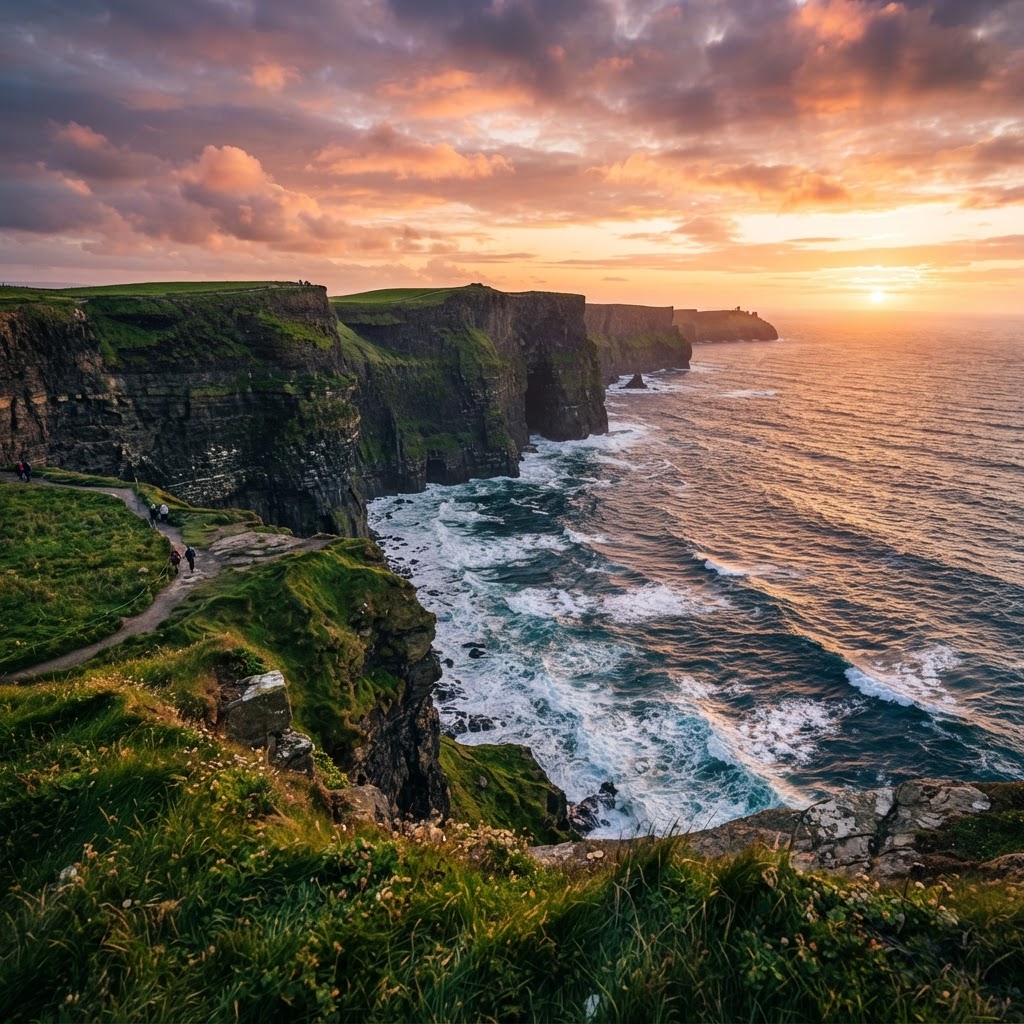
The ideal 7-day Ireland road trip follows a circular route starting and ending in Dublin, prioritizing the western coast via the Wild Atlantic Way to capture Ireland’s most iconic landscapes. By dedicating your week to this specific route, you balance driving times with meaningful immersion in coastal towns, historic sites, and rugged natural scenery.
Planning Your Ireland 7-Day Road Trip Logistics
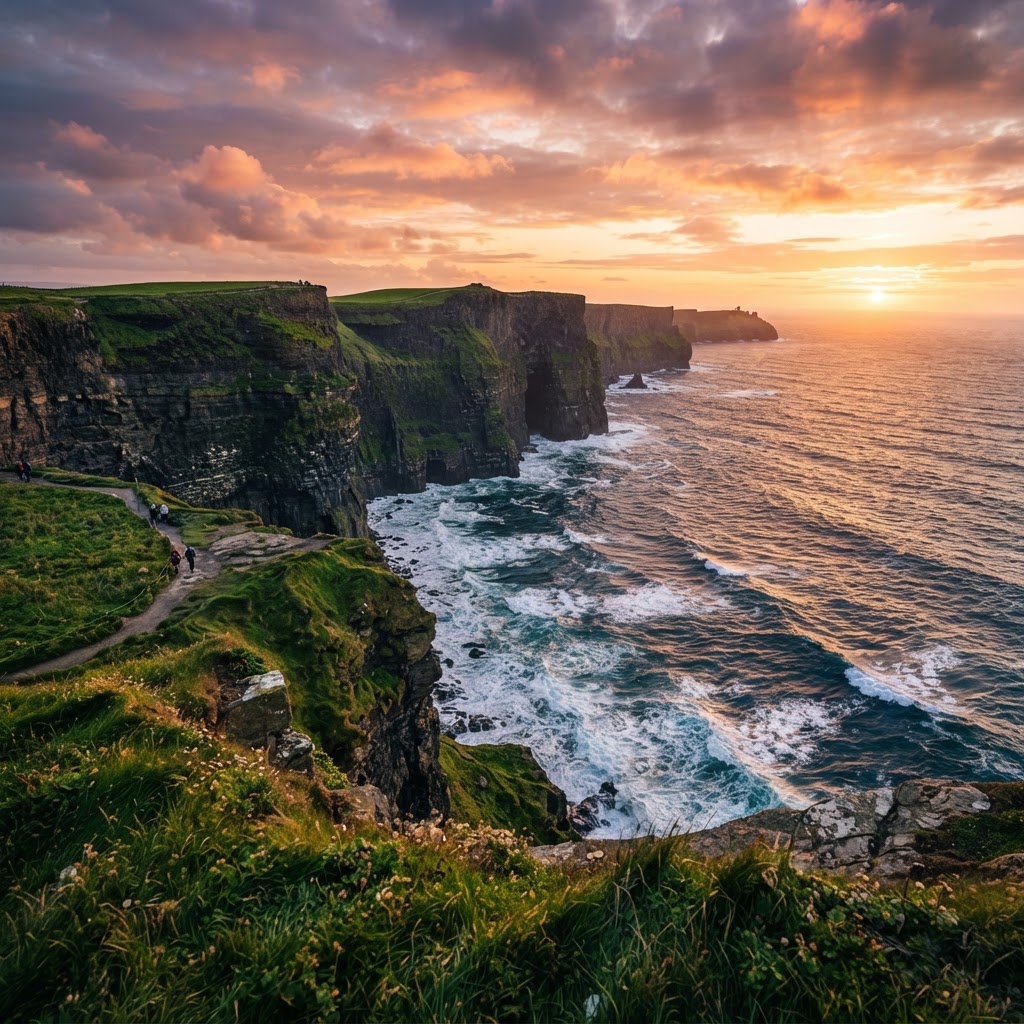
Successful execution of an Ireland 7-day road trip requires careful planning of your starting point and vehicle rental arrangements. Most travelers fly into Dublin, but if you want to save time, consider a one-way rental or flying directly into Shannon to access the west coast immediately. The key to a great trip is not over-scheduling; limit your driving to three hours per day to ensure you have enough time to actually explore the locations you visit. Prioritize renting a car with an engine size under 1.6L, as smaller cars are significantly easier to maneuver on Ireland’s narrow ‘L’ and ‘R’ category secondary roads.
Essential Preparation Steps
To make packing easier, you can consult this Ireland road trip capsule wardrobe to ensure you bring exactly what you need for the changing weather. Booking your accommodation in advance is vital, especially if you plan to travel between May and September. Ireland’s roads, particularly in rural areas, can be narrow and slow, so use Google Maps for planning but add 20% to the estimated travel times for realistic expectations. Always prioritize renting a smaller car to navigate the winding coastal paths with ease and confidence.
Day 1 and 2: Dublin and the Journey West
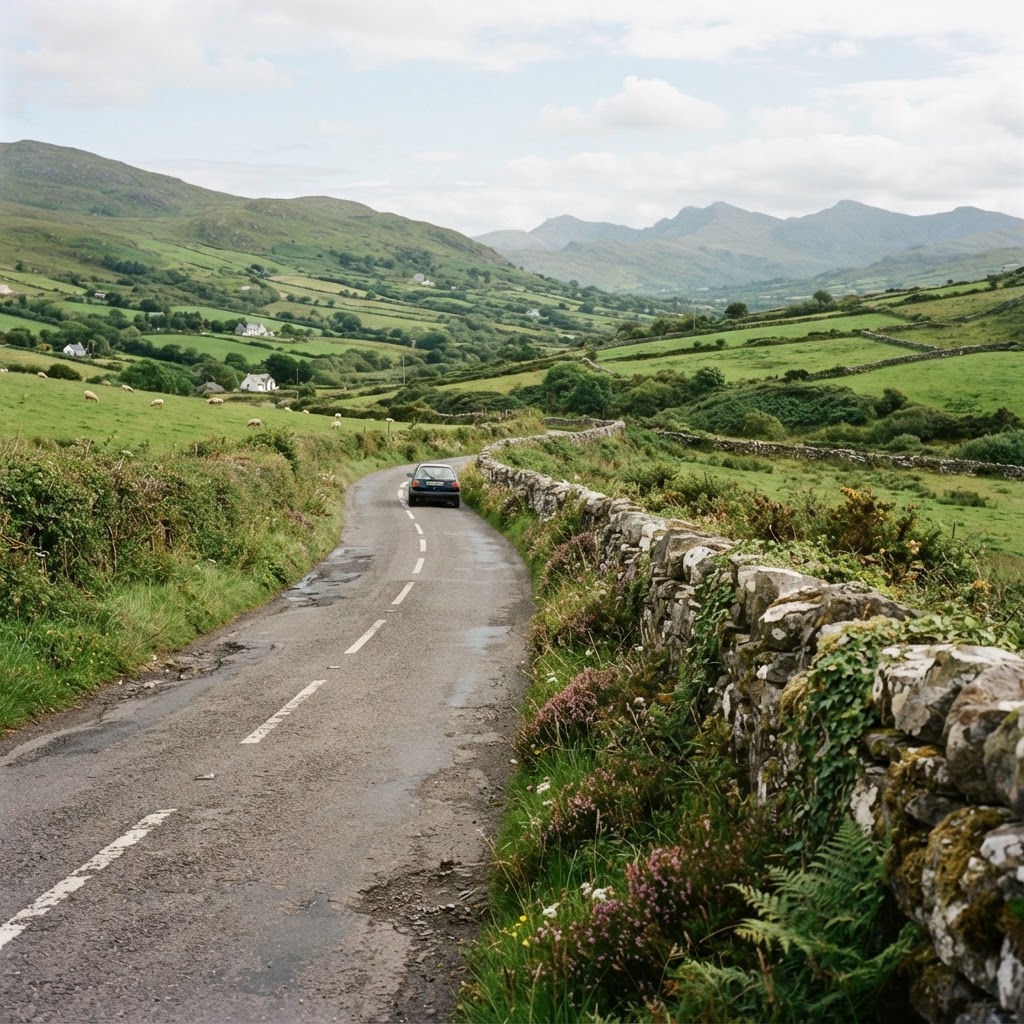
Starting your journey in Dublin allows you to soak up the capital’s vibrant history before heading into the wild beauty of the countryside. Spend your first day visiting Trinity College and St. Stephen’s Green, then pick up your rental car on the morning of day two to begin the drive toward Galway. This transition marks the shift from urban hustle to the tranquil, rugged landscapes of the west. Expect a drive time of approximately 2.5 to 3 hours from Dublin to Galway via the M6 motorway, which is the most efficient way to reach the coast quickly.
Must-See Stops En Route
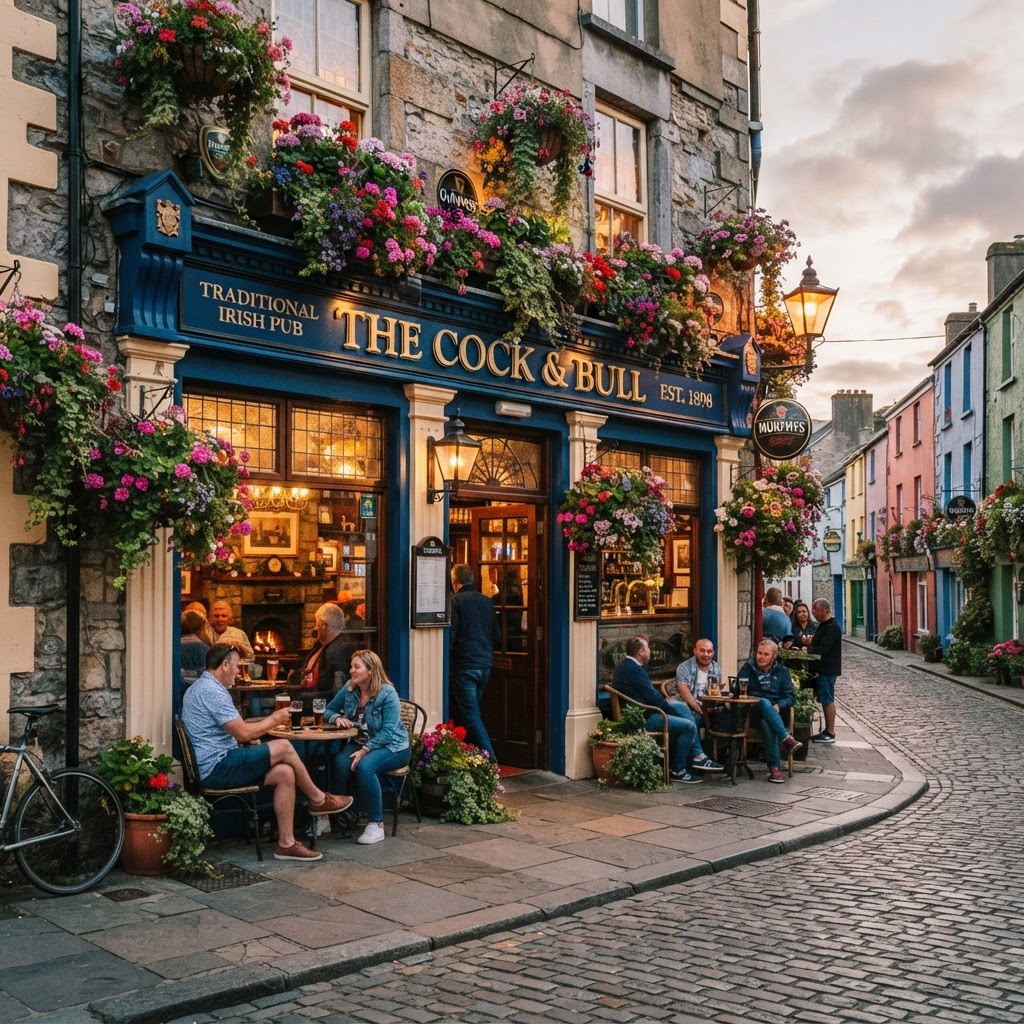
Don’t miss a stop at the ancient site of Clonmacnoise, a 6th-century monastic settlement on the banks of the Shannon River. It provides a perfect introduction to Ireland’s rich, layered history. As you arrive in Galway, head straight to the Latin Quarter to enjoy live traditional music and fresh seafood in a bustling, authentic atmosphere. If you visit in July or August, be prepared for increased traffic near the city center and consider parking in a designated “Park and Ride” facility to avoid congestion.
Day 3 and 4: The Wild Atlantic Way and Cliffs
Traveling along the Wild Atlantic Way is the highlight of any Ireland 7-day road trip, offering unparalleled ocean vistas and dramatic cliffs. Dedicate day three to the Burren, a unique karst landscape, before reaching the world-famous Cliffs of Moher, which soar 214 meters above the Atlantic. On day four, explore the Ring of Kerry or the Dingle Peninsula, both of which provide quintessential Irish scenery with rolling green hills and crashing waves. These regions feature iconic coastal loops that require cautious, slow-speed driving due to high tourist volumes and narrow passages.
Comparison of Coastal Routes
Day 5: Exploring the Kerry Gems
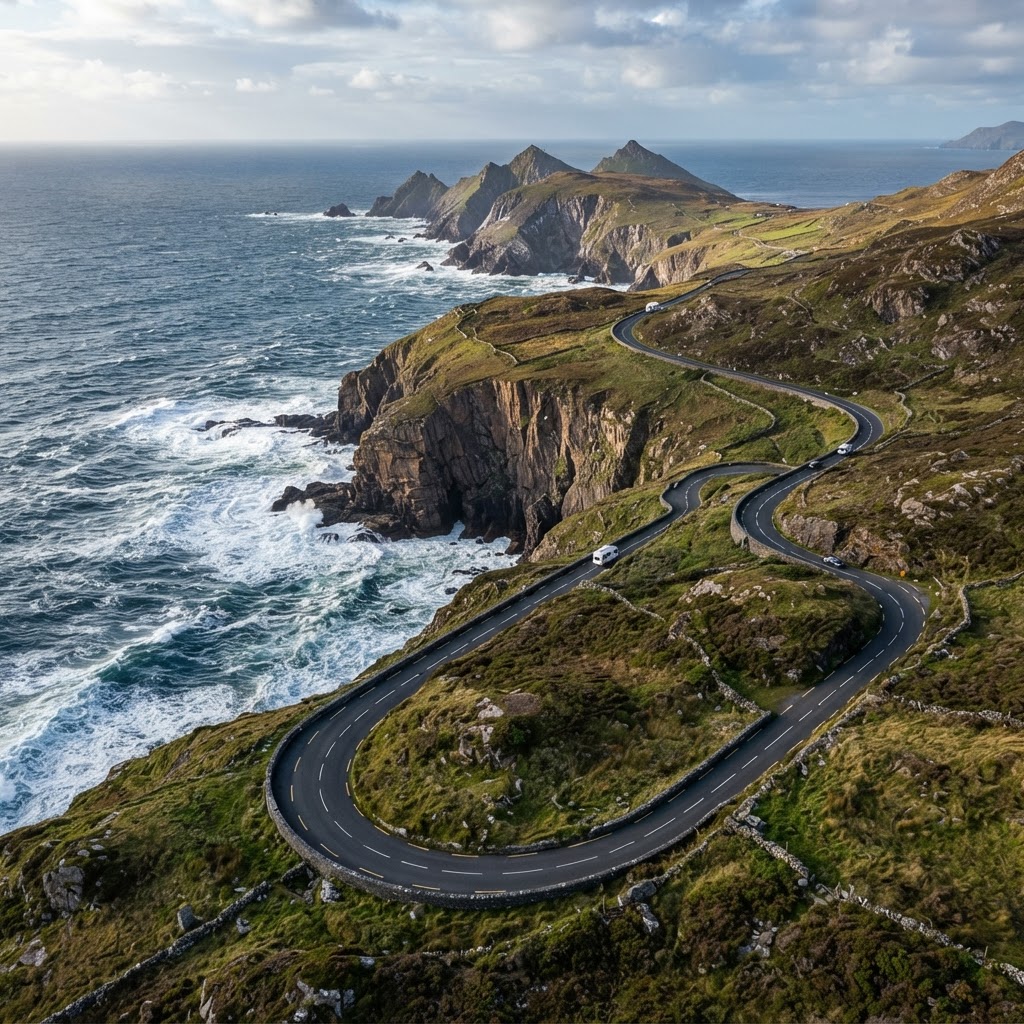
Day five is your opportunity to go deeper into the Kerry landscape, moving beyond the standard tourist tracks. Take the time to hike parts of the Kerry Way or visit the Skellig Islands, famously featured in modern cinema. This day allows for a slower pace, giving you the freedom to pull over at scenic lookouts whenever inspiration strikes. Remember that access to Skellig Michael is restricted by weather and requires pre-booking boat tours months in advance; only 180 visitors are permitted on the island per day.
Off-the-Beaten-Path Tips
Instead of just driving the main loop, take a detour to the village of Portmagee. It is a stunning, authentic coastal village where you can find quieter pubs and local storytelling that you simply won’t find in larger, more commercialized tourist hubs. Engaging with local residents here often leads to hidden recommendations for coastal walks or nearby sea caves that remain absent from major guidebooks.
Day 6: The Return Journey via Cork
Returning toward the east coast provides a chance to explore the historic city of Cork and the picturesque town of Kinsale. Cork serves as a bridge between the wild Atlantic coast and the more refined, heritage-focused east. Spend your afternoon wandering the English Market before prepping for the final stretch back to the capital. The drive from the Kerry region to Cork City takes roughly 2 hours, allowing for a relaxed pace with stops in towns like Skibbereen or Clonakilty along the way.
Why Kinsale is a Mandatory Stop
Kinsale is widely considered the gourmet capital of Ireland, making it the perfect final major stop for a memorable meal. The town’s colorful streets and harbor-side views offer a beautiful, serene contrast to the intense driving days you have just completed along the coast. Prices for dining in Kinsale can be premium, but the quality of local seafood and farm-to-table ingredients consistently ranks among the highest in the country.
Day 7: Concluding the Loop in Dublin
On the final day of your Ireland 7-day road trip, return to Dublin to drop off your vehicle and catch your departing flight. Use your remaining hours to purchase final souvenirs at the Powerscourt Centre or enjoy a farewell pint at a historic pub in Temple Bar. This final day should be low-stress, allowing you to reflect on the immense ground you covered. If you have an evening flight, check out the EPIC The Irish Emigration Museum, which is conveniently located near the Dublin Port tunnel exit, making it a great last-minute historical stop.

FAQ
What is the best month to drive across Ireland?
The best time for an Ireland 7-day road trip is during the shoulder seasons of May, June, or September. These months offer the best balance of decent weather, fewer tourists, and longer daylight hours for driving.
Are the roads in Ireland difficult to drive on?
Driving in Ireland can be challenging for visitors due to narrow, winding country roads and the fact that they drive on the left side of the road. We recommend renting an automatic transmission vehicle to reduce the learning curve while navigating unfamiliar roads.
Do I need a special license to drive in Ireland?
Most visitors from the US, UK, and EU can drive in Ireland using their domestic driver’s license for up to one year. Always confirm with your rental agency before booking, as some may require an International Driving Permit depending on your country of origin.
Is it possible to see all of Ireland in one week?
You cannot see all of Ireland in one week, which is why focusing on a specific region like the West Coast is highly recommended. Trying to cover the entire island in seven days will result in excessive time spent in the car rather than enjoying the sights.
What is the average cost of fuel for this 7-day route?
Budget approximately €150 to €200 for fuel, depending on your vehicle’s efficiency and the total distance driven. Fuel prices in Ireland fluctuate, but you should expect to pay significantly more than in the United States, usually priced per liter rather than per gallon.
Leave a Reply