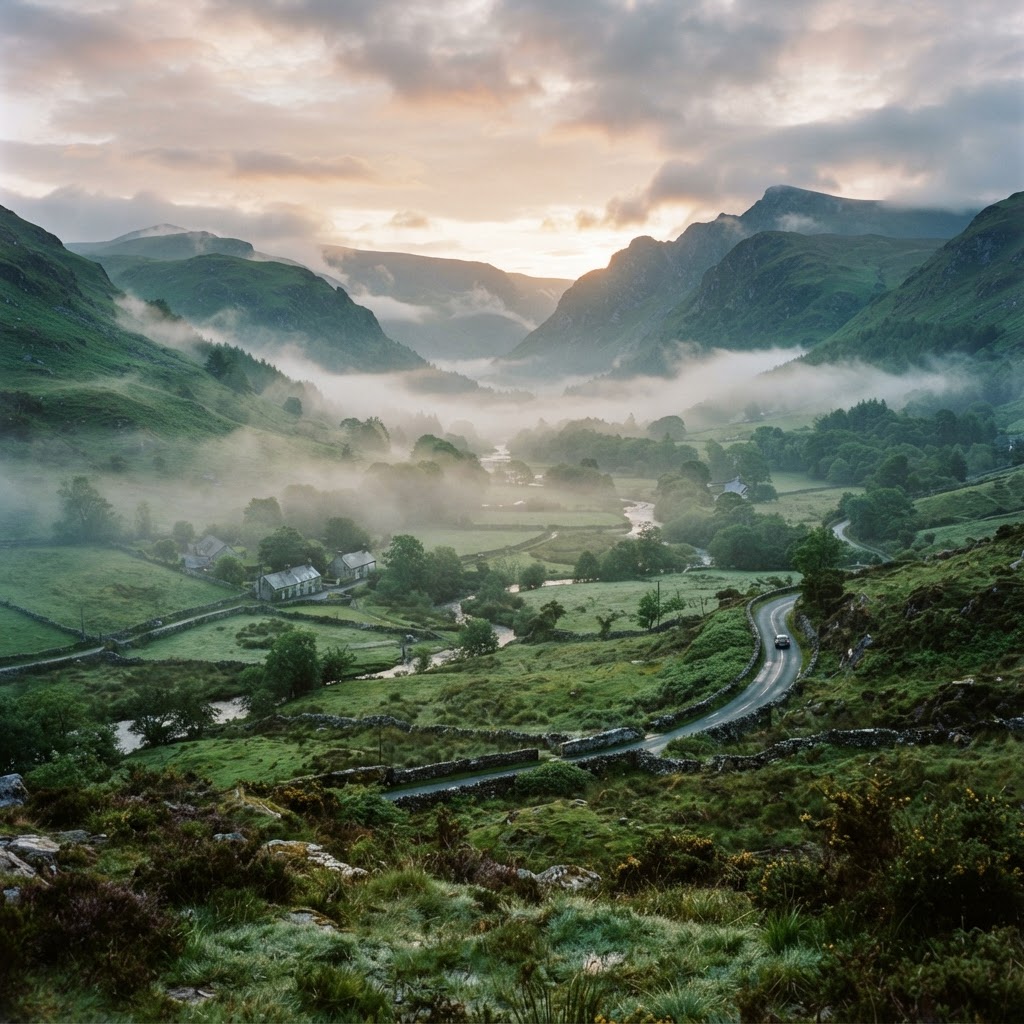
To successfully capture the moody Ireland aesthetic, focus on embracing inclement weather, utilizing long exposures to smooth out shifting mist, and underexposing your shots to enhance rich textures and dramatic atmosphere. By prioritizing diffused lighting conditions rather than waiting for clear, sunny skies, you can perfectly translate the raw, evocative spirit of the Irish countryside into your professional imagery.
Embracing the Irish Weather
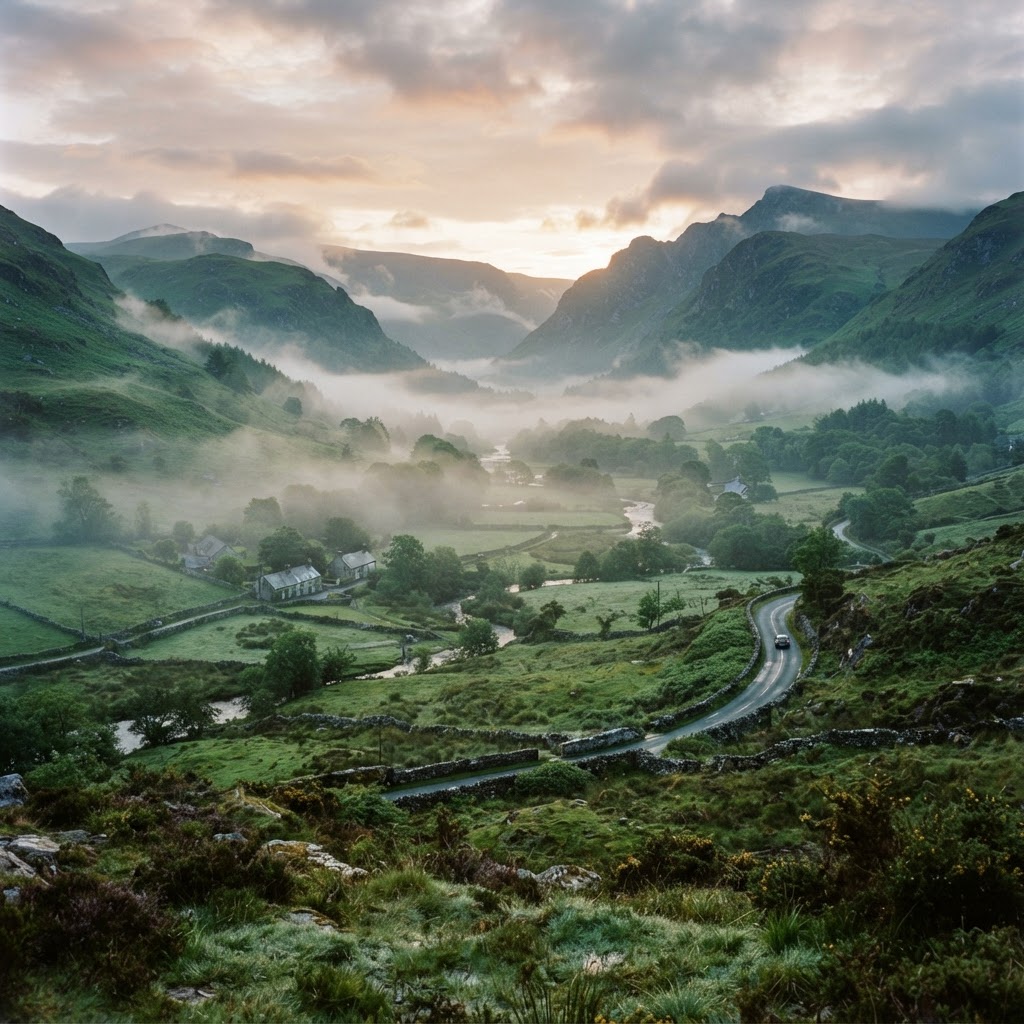
Photography in Ireland demands a shift in mindset regarding what constitutes perfect weather for landscape capture. Instead of searching for blue skies, you must learn to lean into the ever-changing atmospheric conditions like low-hanging clouds and sudden, dramatic rain showers. The moody Ireland aesthetic relies heavily on these unpredictable elements to create depth and emotion in every frame. When the mist rolls over the hills, it flattens the contrast and creates a sense of mystery that sunny days simply cannot replicate. Aim to arrive at your destination early in the morning when the dew is still heavy and the light is soft. By viewing rain not as an obstacle but as an essential tool, you will discover that the most compelling misty landscape photography occurs in the moments when other tourists are packing their gear to find shelter.
Mastering Light and Exposure Techniques
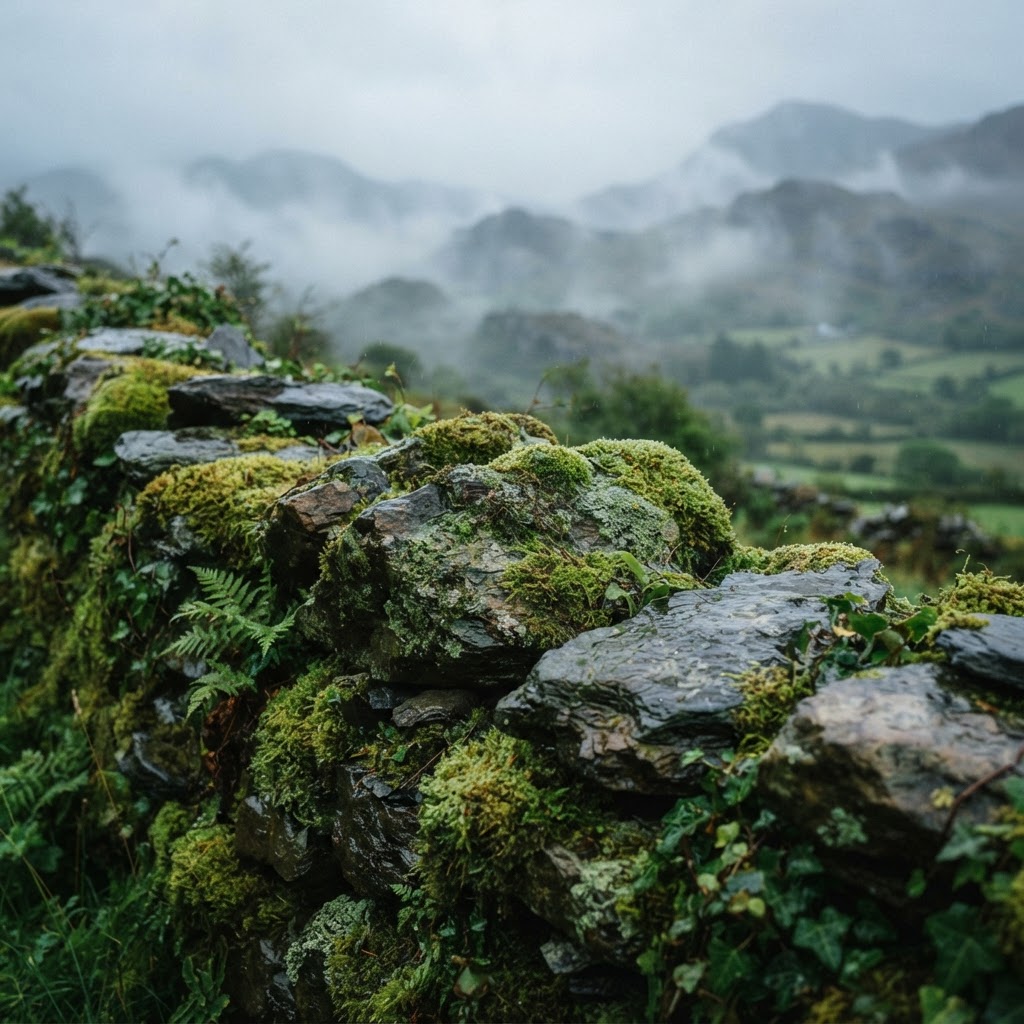
Landscape photography lighting in Ireland is often defined by its soft, diffused quality which provides a beautiful, even glow across the landscape. To capture the true essence of the terrain, you should frequently underexpose your images by one-third or two-thirds of a stop to preserve the rich, deep greens and dark grays characteristic of the region. This technique helps in retaining detail in the highlights of moving clouds while emphasizing the raw landscape scenery below. Utilizing a circular polarizer can help cut through the glare of wet leaves and stone, allowing for more saturated colors even under heavy overcast skies. Remember that in Ireland, the light changes by the minute, so keep your shutter speed flexible and be ready to adapt to sudden shifts in luminosity.
Why Neutral Density Filters Are Essential
For capturing that ethereal look in waterfalls or moving mist, neutral density filters are non-negotiable. A 6-stop or 10-stop ND filter allows you to extend your exposure times significantly, turning turbulent Atlantic waves into silky ribbons and transforming low-level cloud movement into ghostly, artistic streaks. This level of control is vital for achieving the moody Ireland aesthetic without blowing out your image highlights.
Compositional Strategies for Dramatic Landscapes
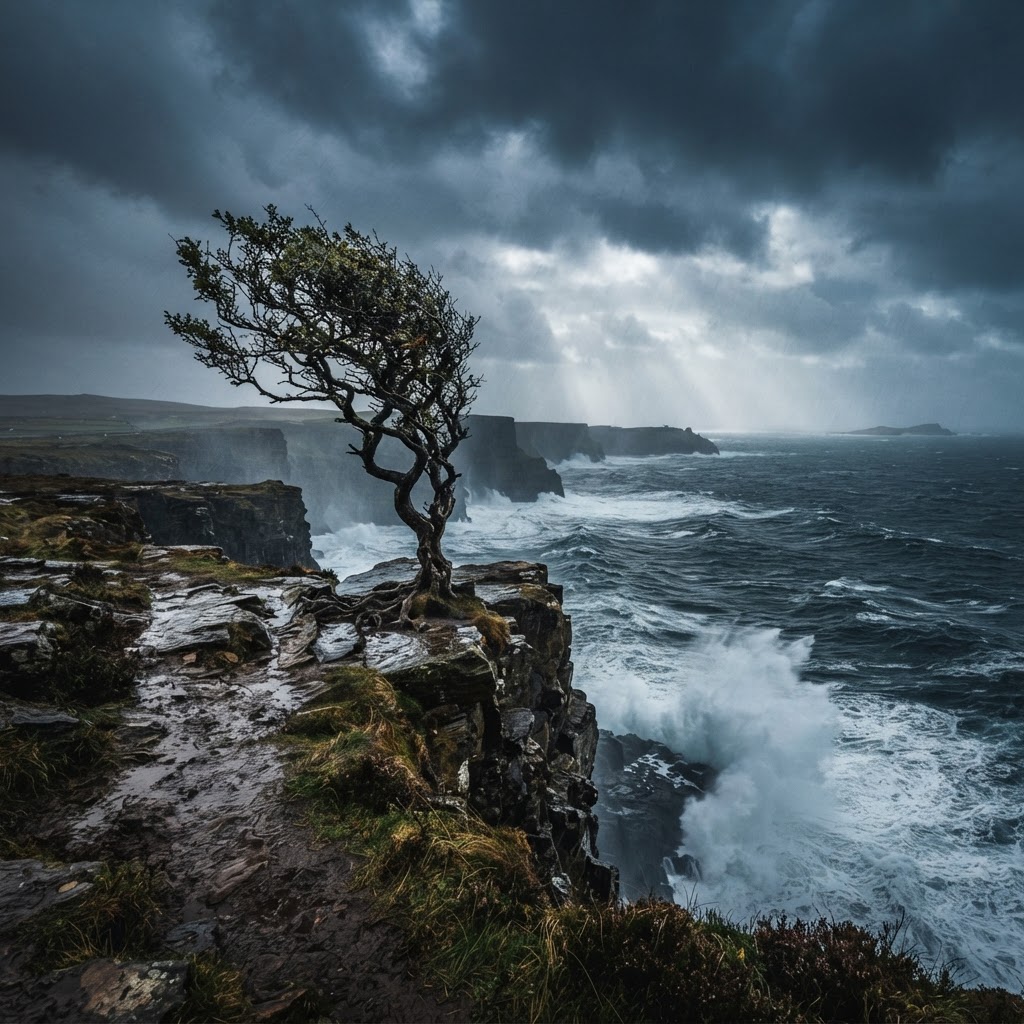
Dramatic nature photography requires a keen eye for leading lines and foreground interest that can hold the viewer’s attention despite the often-muted color palette. When the environment is dominated by mist and uniform tones, you must rely on strong compositional elements to organize the chaos. Use the rugged coastlines, ancient stone walls, or lone hawthorn trees to anchor your frame. Placing these subjects in the bottom third of your composition helps establish a sense of scale and adds a narrative quality to the image. Furthermore, looking for “layers” in the landscape, such as distant mountains fading into a lighter shade of gray, can help create a sense of three-dimensional space in an otherwise two-dimensional medium. Always ensure your horizon lines are perfectly straight, as the lack of clear landmarks in heavy fog can make composition challenging for even the most experienced photographers.
Information Gain: The Mood Calibration Table
Understanding how weather affects your camera settings is crucial for consistency. Below is a unique breakdown of how to adjust for specific Irish weather patterns to maintain your stylistic consistency.
The Art of Post-Processing for Atmosphere
Editing moody photos is the final step in bringing your vision to life and ensuring that the moody Ireland aesthetic remains consistent across your portfolio. Start by adjusting your white balance toward the cooler end of the spectrum to enhance the sense of chill and dampness inherent in the Irish landscape. In your software, focus on the HSL sliders; specifically, desaturate the yellow and orange tones slightly while deepening the blues and teals to create a more cinematic look. You should also utilize localized dodging and burning to guide the viewer’s eye toward your subject, such as a hidden glen or a remote lighthouse. Be careful not to over-sharpen your images, as the organic, soft nature of mist and rain should remain smooth and natural. The goal is to make the final image feel like an authentic memory of the rugged, untamed beauty of the west coast.
FAQ
How can I keep my camera dry in Irish rain?
Using a dedicated rain cover is the best defense, but always keep a microfiber cloth in a sealed, waterproof bag to wipe your lens front element frequently. A small umbrella held by an assistant or a clamp-mounted umbrella can also save your equipment from light drizzle.
What focal length is best for landscapes?
While wide-angle lenses are great for grand vistas, a 70-200mm lens is often more effective for the moody Ireland aesthetic because it helps compress the layers of mountains and hills, making them look closer and more imposing against the misty backdrop.
Should I shoot in RAW or JPEG?
Always shoot in RAW. The dynamic range required to capture the subtle transitions between dark cliffs and bright, misty skies simply cannot be captured in a compressed JPEG format without losing significant data.
Is a tripod necessary for moody photography?
Yes, absolutely. Because you will often be using lower ISOs for image quality and smaller apertures for depth of field, your shutter speeds will likely be slow. A sturdy tripod is essential to ensure your images remain sharp even in windy conditions.
Conclusion
Capturing the moody Ireland aesthetic is a journey of patience and observation. By embracing the challenges of the weather, mastering your exposure, and refining your post-processing skills, you can create images that convey the profound sense of place found in the Emerald Isle. Take these Ireland photography tips into the field, experiment with the shifting light, and most importantly, allow the environment to guide your creative decisions. Your persistence will be rewarded with images that evoke the wild, untamed spirit of the landscape.
Leave a Reply