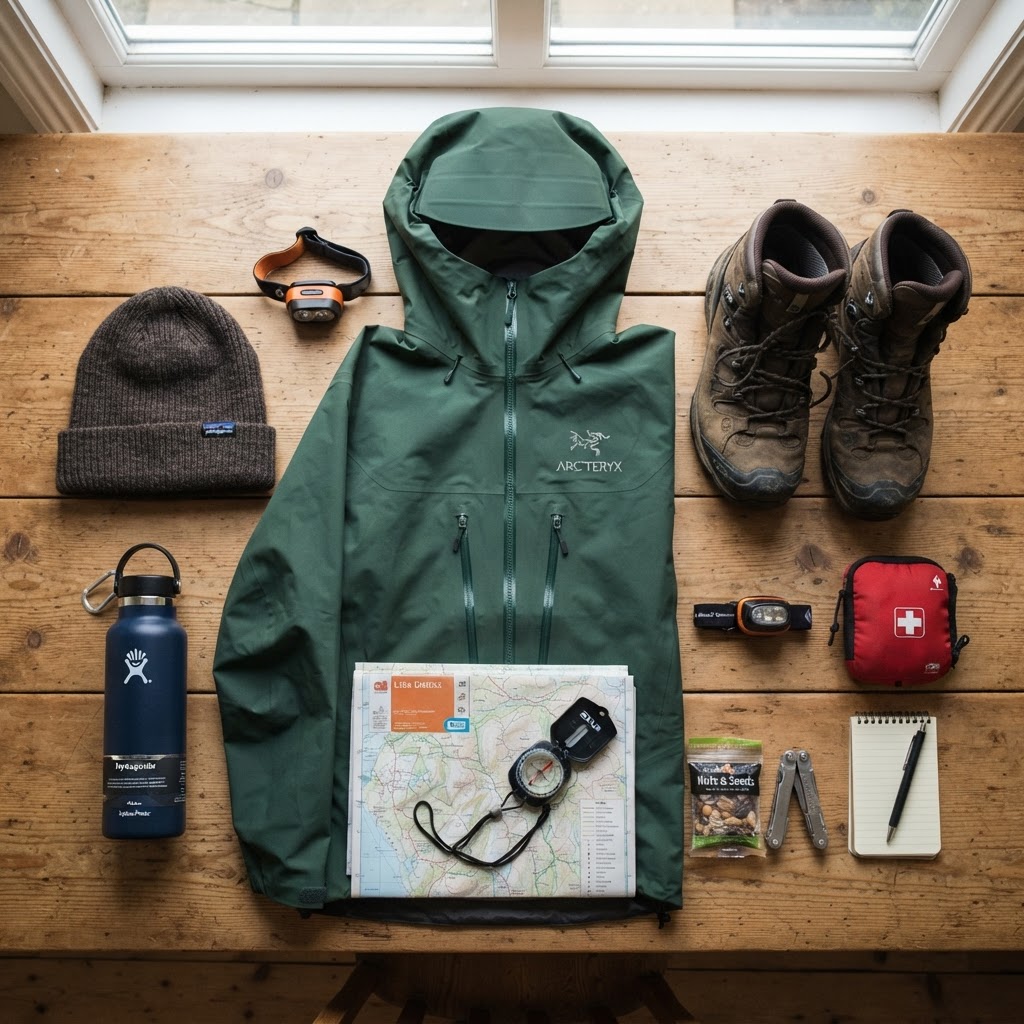
To successfully master an Ireland hiking packing list, you must prioritize a versatile layering system that includes a high-quality waterproof shell, moisture-wicking base layers, and sturdy, broken-in hiking boots. Because Irish weather is notoriously unpredictable and can cycle through four seasons in a single hour, packing gear that allows for quick adjustments is the single most important factor for comfort and safety on the trail.
Understanding the Irish Weather Challenge
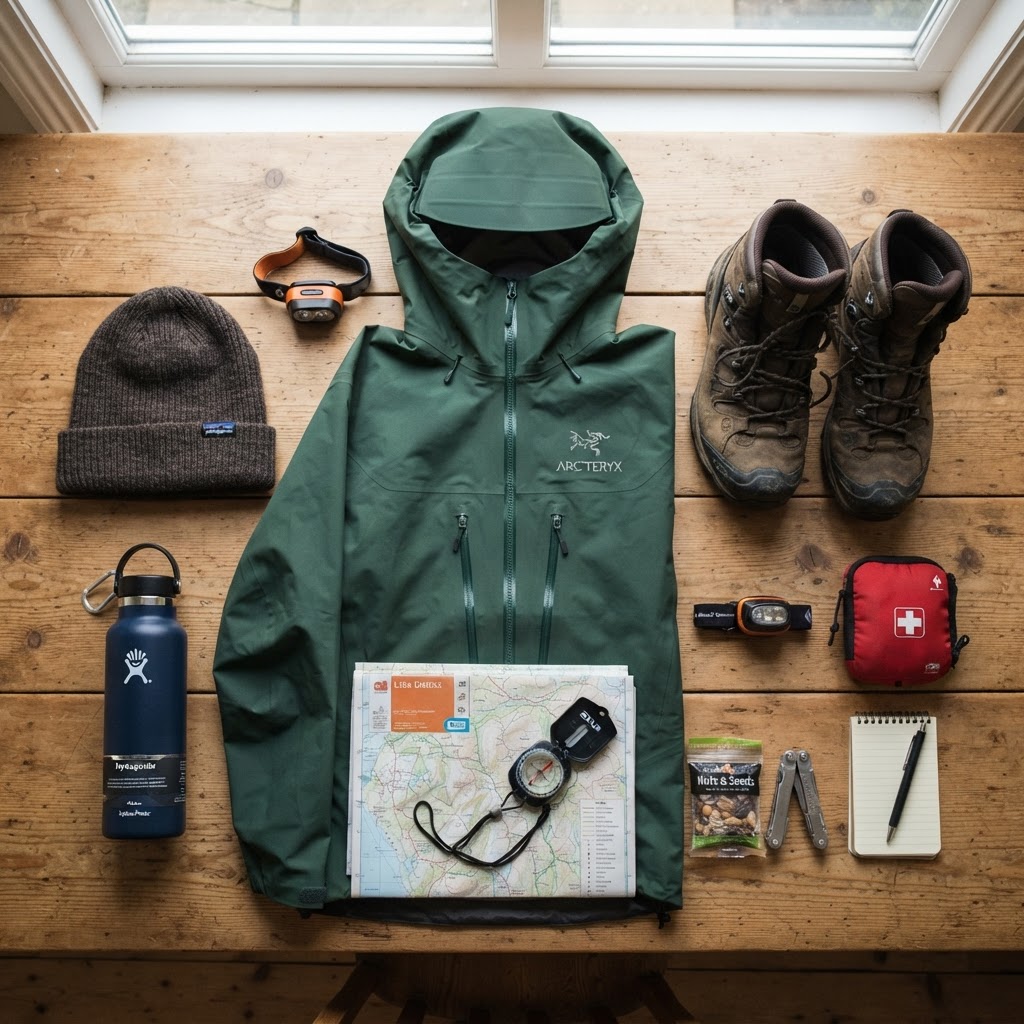
Understanding the local climate is the foundation of any effective Ireland hiking packing list because the weather is defined by frequent rain and rapidly changing wind speeds. Even in the height of summer, temperatures rarely soar to extremes, meaning that wind chill and dampness are your primary adversaries regardless of the calendar month.
The Layering Strategy
Effective layering works by trapping heat close to your body while allowing perspiration to escape during strenuous climbs. Your base layer should always be synthetic or merino wool, as cotton absorbs moisture and keeps you cold, which is dangerous in the damp Irish mountains.
Follow these three rules to stay comfortable: wear a base layer for moisture management, an insulating middle layer like a fleece or lightweight down jacket, and a reliable waterproof outer shell. This modular approach ensures you can shed or add items in seconds without stopping for long periods.
Essential Footwear for Irish Terrain
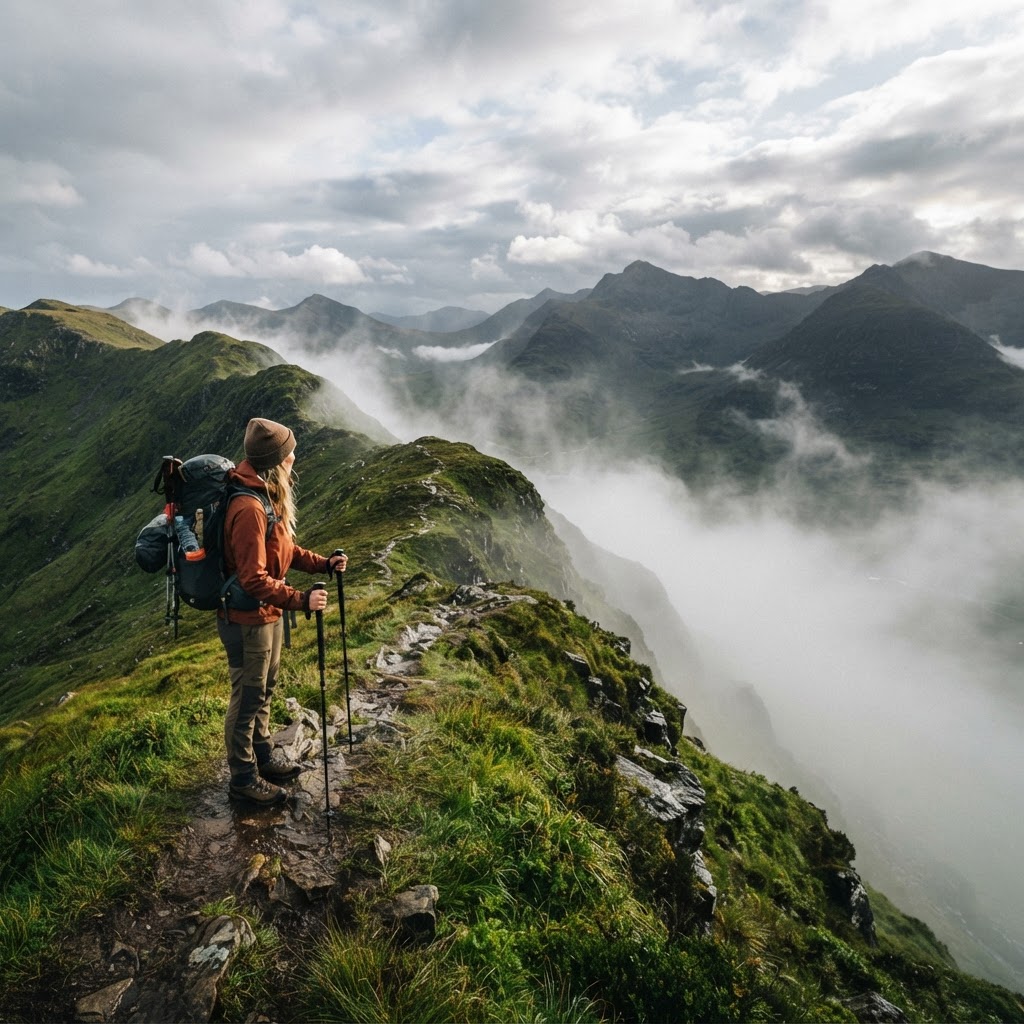
Choosing the right footwear is critical because the Irish landscape is often characterized by ‘boggy’ or muddy ground, even on well-trodden paths. A pair of waterproof, ankle-supporting hiking boots is far superior to trail runners for most hikers visiting Ireland, as they prevent water ingress and provide necessary stability on uneven, mossy terrain.
Always ensure your boots are broken-in at home for at least 30 miles before your trip. Blisters can ruin a holiday, and the damp conditions in Ireland can accelerate skin softening, making feet more prone to irritation and sores if your equipment isn’t properly fitted.
Spring and Autumn Hiking Essentials
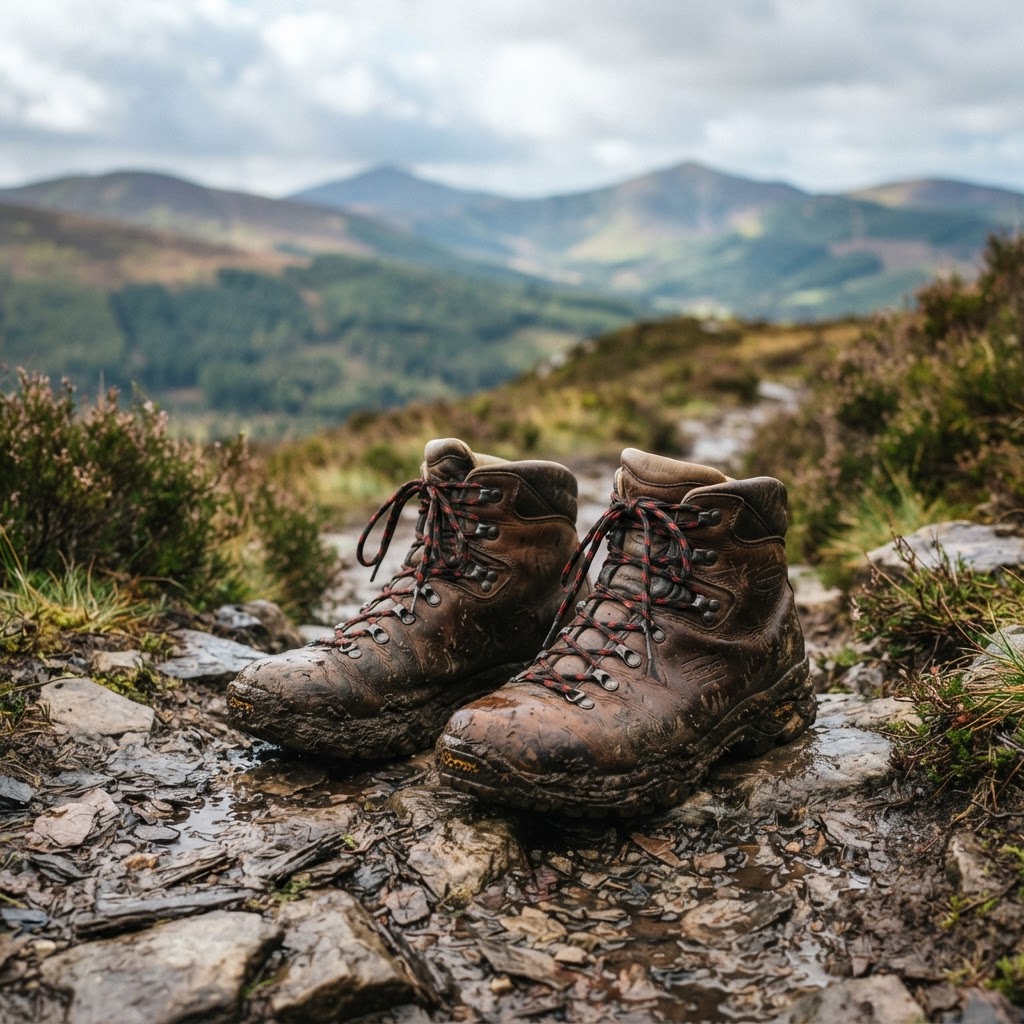
Spring and autumn are considered transition seasons in Ireland, offering a mix of crisp, sunny days and sudden, cold showers. During these months, you must prioritize windproofing in your Ireland hiking packing list to guard against the chilly Atlantic breezes that frequent the western coast.
Handling Temperature Fluctuations
Your pack should include a pair of light gloves and a warm beanie, even if the forecast looks mild, because exposure levels shift dramatically as you gain altitude. A lightweight ‘puffer’ jacket that packs down into its own pocket is an invaluable addition to your kit for lunch breaks when you aren’t moving.
Summer Hiking Gear Recommendations
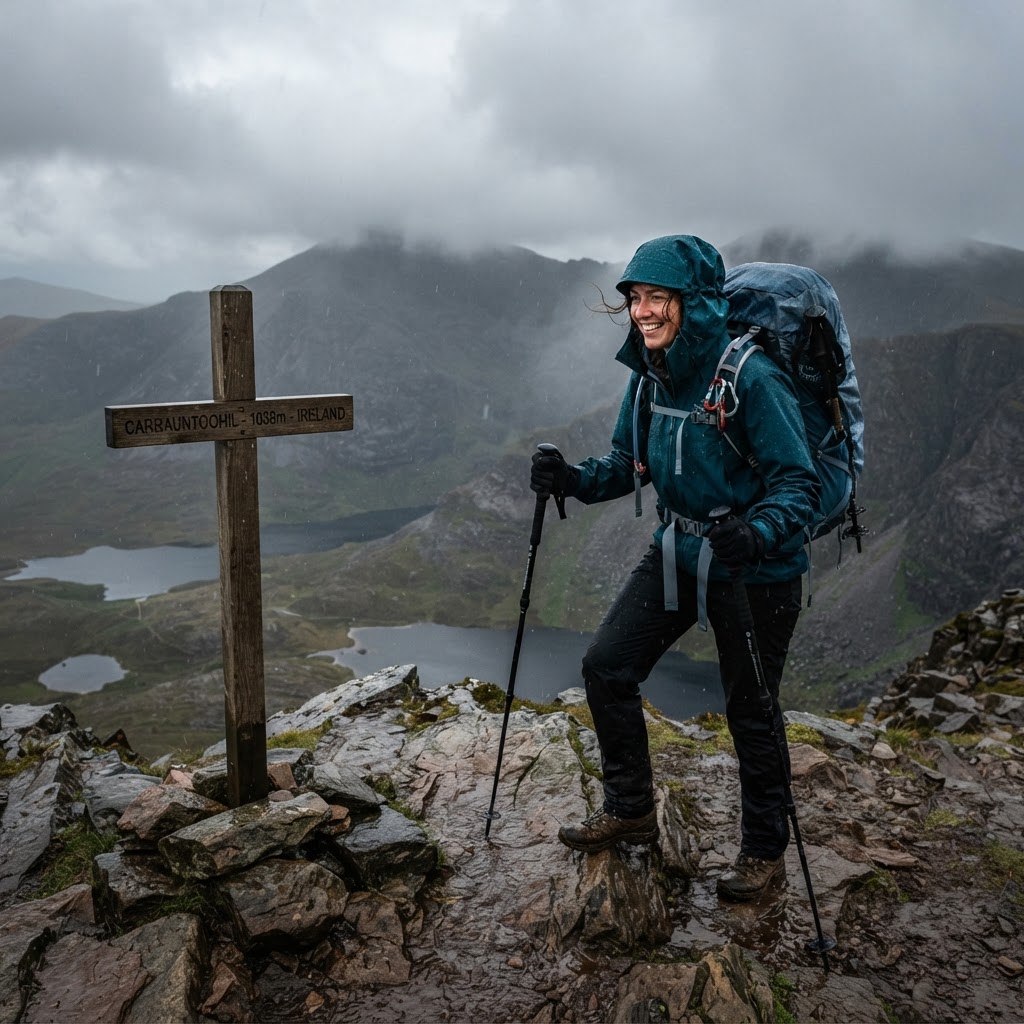
Summer hiking in Ireland allows for lighter gear, but you should never abandon the waterproof shell, as rain remains a constant possibility even in July and August. Focus on breathability during these warmer months, opting for hiking trousers that feature ventilation zips and fabrics that dry quickly if they do get wet.
Don’t let the cooler summer temperatures fool you into skipping sun protection, as the Irish sun can be surprisingly strong when it finally breaks through the clouds. Always carry sunscreen and polarized sunglasses, as the glare off of wet rock or mountain lakes can be intense during the long summer daylight hours.
Winter Hiking and Safety Priorities
Winter trekking in Ireland requires a serious commitment to safety, as daylight hours are short and the weather can turn hostile with little warning. Your primary focus must shift to thermal regulation, ensuring you have enough warmth to sustain body temperature if you have to wait for rescue or navigate slowly through poor visibility.
Ensure your pack includes a high-visibility waterproof cover and a robust headlamp with extra batteries, as sunset can occur as early as 4:00 PM. Carrying a physical map and a compass—and knowing how to use them—is mandatory, as reliance on phone GPS can lead to failure in cold, wet conditions where battery life depletes rapidly.
FAQ
Do I really need waterproof trousers for hiking in Ireland?
Yes, waterproof trousers are an essential part of any Ireland hiking packing list, even in summer. You will likely encounter horizontal rain or muddy, overgrown trails, and having dry legs will make the difference between an enjoyable day and a miserable experience.
Is it okay to wear denim jeans while hiking in Ireland?
No, you should never wear denim jeans for hiking in Ireland because they become heavy, cold, and chafing when wet. Always opt for quick-drying synthetic hiking trousers or leggings that move with your body and dry out quickly if caught in a shower.
How much water should I carry on the trail?
Carry at least two liters of water for a full day hike, even if the weather is cool. While Ireland has many streams, it is not recommended to drink from them without a high-quality filtration system due to livestock runoff in the mountains.
Are hiking poles necessary for the Irish countryside?
Hiking poles are highly recommended because they significantly reduce the stress on your knees during steep descents on loose, wet terrain. They also provide extra points of contact when navigating through boggy sections, helping you maintain balance on slippery surfaces.
Conclusion
Mastering your gear is the key to enjoying the raw, rugged beauty of the Irish landscape. By carefully curating your Ireland hiking packing list with waterproof layers, appropriate footwear, and safety essentials, you will be prepared for whatever the weather throws your way. Remember that the best hiker is a prepared hiker; start assembling your kit early, test your gear on local trails, and get ready for an unforgettable adventure. Check out our recommended gear list linked in the footer to start shopping for your trip today!
Leave a Reply