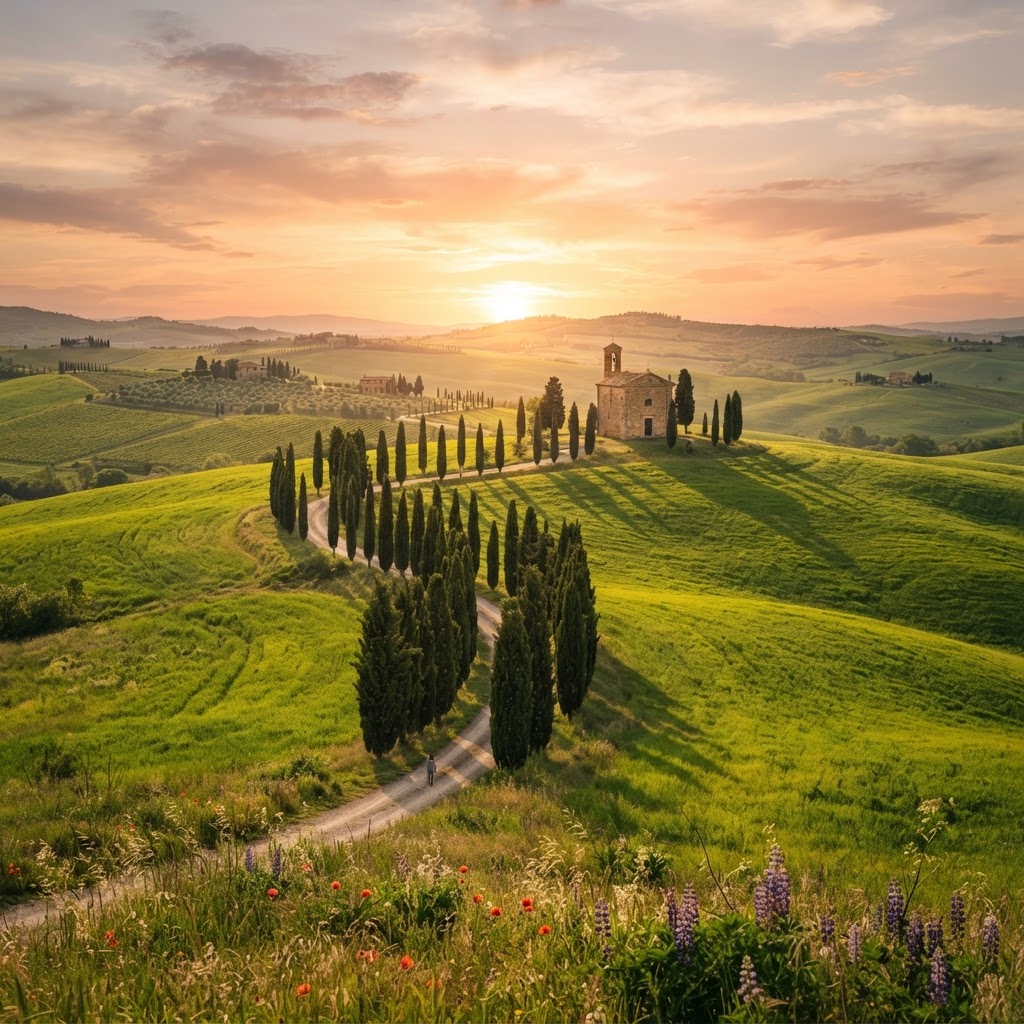
Tuscany Rolling Hills: Capturing the Magic of Golden Light
The golden light in Tuscany, characterized by its honey-hued diffusion, occurs because of specific atmospheric humidity and clay-rich soil reflection that peaks during the shoulder seasons of May and October. To capture this iconic light, photographers should visit the Val d’Orcia region, focusing on the sunrise and sunset hours for maximum landscape depth.
The Magic of the Tuscan Landscape
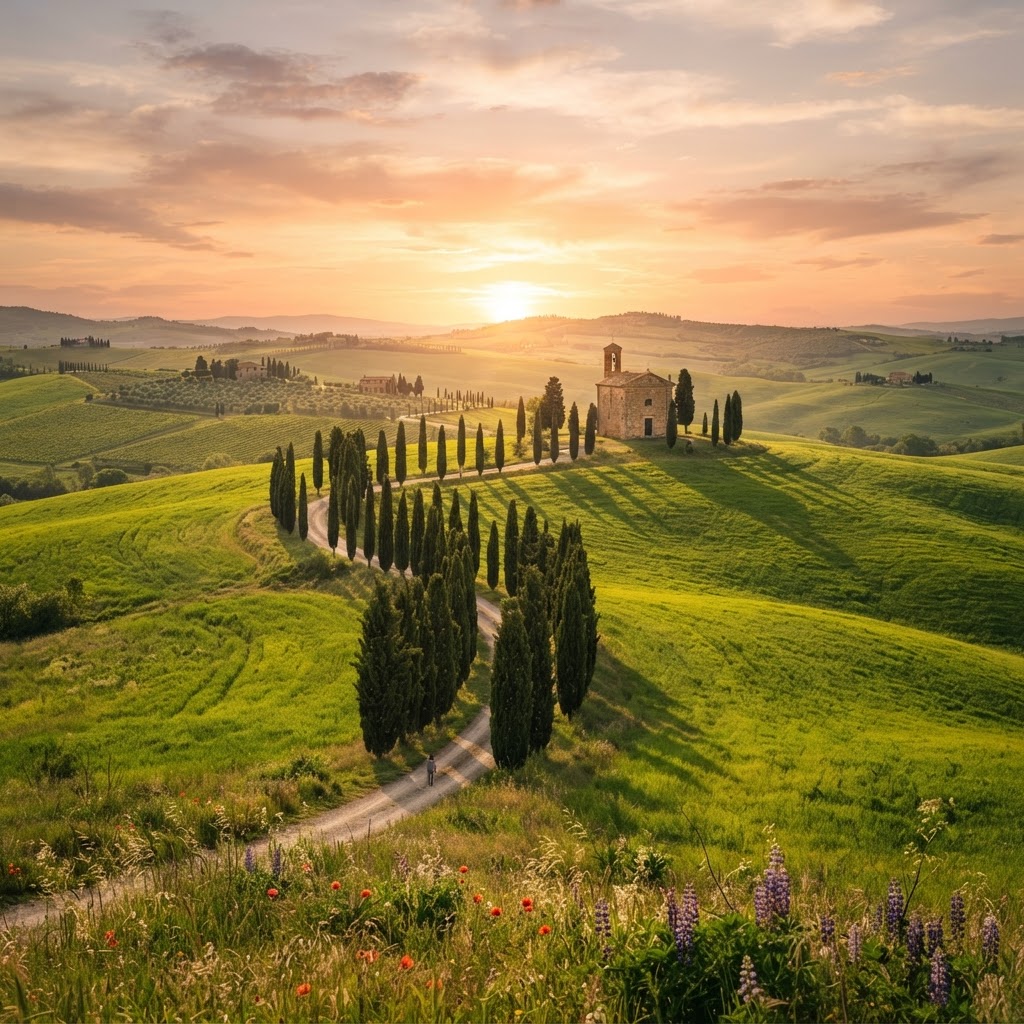
The allure of Tuscany lies in its unique topography, which serves as a natural theater for light that differs significantly from mountainous or forested terrains. Unlike the jagged, shadowed peaks of the Alps, the Tuscan landscape is defined by gentle, rhythmic undulations of earth formed by Pliocene-era clay deposits. As the sun traverses the sky, these rolling contours create a sequence of shifting shadows that provide a three-dimensional quality to photography. This structural geometry allows for “layering,” where foreground, middle-ground, and background hills are distinguished by varying degrees of shadow and illumination. Photographers often find that the specific 15-to-25-degree sun angles during the golden hour maximize this relief, turning simple agricultural fields into high-contrast, artistic compositions that appear as if they were curated by a landscape architect rather than shaped by centuries of farming.
Why the Light is Different Here
The light in this region is uniquely soft and diffused because of the specific microclimate and the high albedo of the local “crete senesi” (Sienese clay) soil. This soil acts as a natural reflector, bouncing sunlight back into the atmosphere and softening the harshness of the direct rays. When humidity levels hover between 45% and 60% during the shoulder seasons, the scattering of sunlight creates a distinctive haze that extends the duration of the “golden hour.” Unlike coastal regions where moisture can cause light to feel heavy or opaque, the air in the Val d’Orcia remains crisp, allowing for the ethereal, translucent glow that defines world-class Italian landscape photography.
Understanding the Val d’Orcia
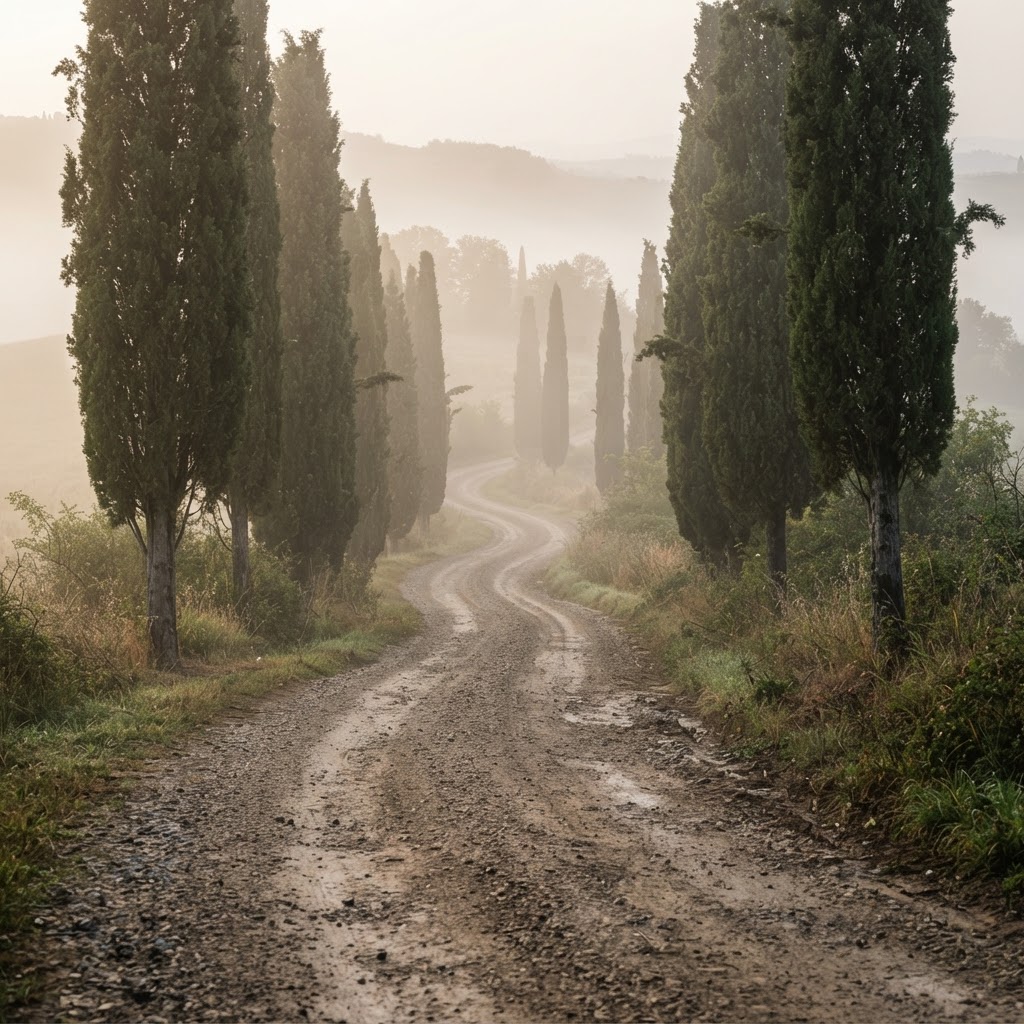
If you want to witness the most iconic views of the Tuscany rolling hills, the Val d’Orcia is your primary destination and a designated UNESCO World Heritage site since 2004. This region, extending south of Siena, features a highly managed cultural landscape that has been protected by strict zoning laws to maintain its aesthetic integrity. The landscape is characterized by lone cypress trees (Cupressus sempervirens) often planted in geometric rows or atop ridge lines to mark property boundaries, which creates the composition that feels almost curated by nature itself. Pienza, a town redesigned in the 15th century as an “ideal city,” serves as the geographical heart of this visual experience. Visitors should note that the most iconic vantage points, such as the winding dirt roads near San Quirico d’Orcia, are situated on private working farms. While photographers are generally welcome, it is critical to adhere to signage and stay on public pathways to avoid damaging the crops that provide the region’s agricultural revenue.
Key Locations for Photographers
- The Chapel of Vitaleta: A tiny, solitary church set against a backdrop of sweeping hills.
- The Cypress Trees of San Quirico: Perhaps the most photographed cluster of trees in the world.
- Pienza Road: A winding gravel path that offers classic views of the valley floor.
Seasonal Changes and Light Quality
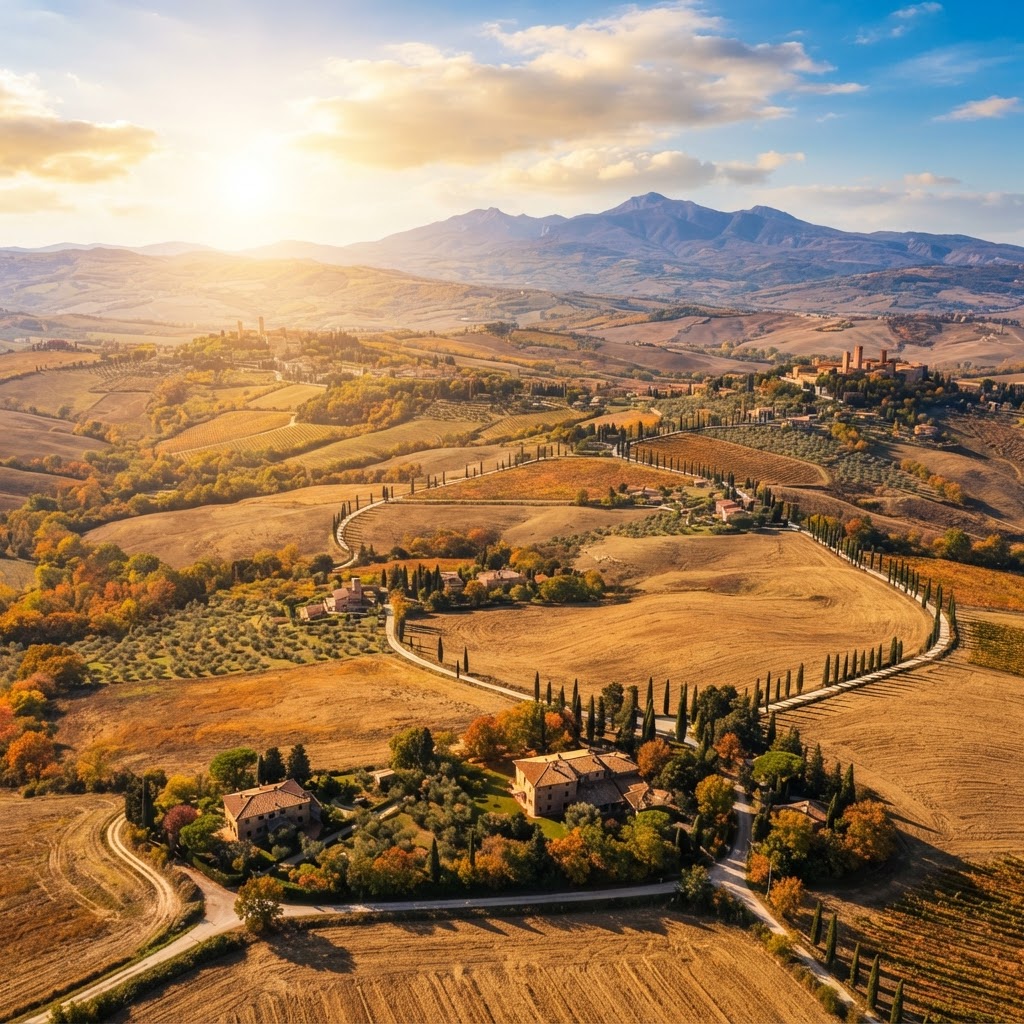
While summer is the most popular time for tourism, the light quality shifts dramatically with the seasons due to changes in sun position and vegetation cover. In spring (April to May), the hills are a vibrant, electric green, which contrasts beautifully with the soft yellow light of dawn when the sun is lower in the sky. By contrast, the late summer (August) and autumn (October) bring a more golden, amber palette to the earth as the fields are harvested, leaving behind rich, golden-brown stubble that harmonizes perfectly with the sunset. The atmospheric clarity is usually highest in October, when cooler morning temperatures often result in the famous Val d’Orcia fog, creating a “floating hill” effect that is highly coveted by landscape photographers. Visitors should note that while summer days are long, they often suffer from “midday haze” where heat shimmer degrades the quality of telephoto shots, making early morning or late evening the only viable times for professional-grade photography.
Preparing for Your Trip
Regardless of when you visit, preparation is essential. The best time to visit Tuscany for photography is during the “shoulder seasons” of May or October. Not only are the crowds thinner, but the atmospheric conditions are more likely to provide that dreamy, misty morning light that makes the hills look like they are floating above a sea of clouds. Travelers should budget for rental cars, as public transport is limited in the rural areas where the most scenic vistas are located.
Practical Tips for Landscape Photography
Capturing the golden light in Tuscany requires patience and the right equipment to handle the vast dynamic range between sun-drenched hills and dark, valley-floor shadows. You don’t necessarily need a professional camera, but understanding the basics of lighting will elevate your results. Always aim to shoot during the first hour after sunrise or the last hour before sunset; at these times, the color temperature of the light shifts toward the 3000K-4500K range, creating the warm, inviting glow that makes the landscape look “etched in gold.” When using a standard camera, consider using “Exposure Bracketing” to capture three frames at different light settings, then combining them later in post-processing to ensure both the sky and the shadowed valleys are perfectly exposed.
Essential Gear Checklist
Beyond the Scenery: Cultural Immersion
While the Tuscany rolling hills are the main draw, the region is also defined by its culinary and wine culture, which is deeply rooted in the same soil that creates the beautiful landscape. You cannot fully appreciate the golden light without a glass of local Sangiovese in hand, specifically wines from the Brunello di Montalcino region. Sitting at an outdoor trattoria, watching the hills darken into silhouettes, is an essential part of the experience. The rhythm of life here is slower, and the landscape encourages a mindful approach to travel that prioritizes presence over checklists. Visitors should seek out “agriturismos” that offer farm-to-table dining, as the local ingredients—specifically pecorino cheese and cold-pressed olive oil—reflect the seasonal cycles of the landscape you are photographing.
Where to Stay for the Best Views
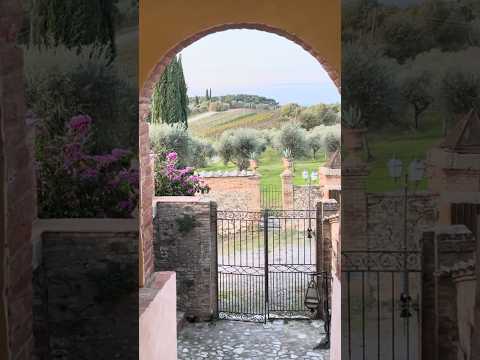
Choosing the right accommodation can define your trip, and staying in a converted “agriturismo” is the optimal choice for photographers. These are working farms that have been renovated into charming guesthouses, often located in the middle of the countryside. Staying on-site means you are already in position before the sun rises, allowing you to walk out your front door and be surrounded by the morning light without having to drive through winding roads in the dark. Prices for these stays vary from €120 to €350 per night depending on the season and luxury level, but the accessibility to photo locations is unparalleled.
Top Regions to Base Yourself
- Near Pienza: Best for classic, postcard-style rolling hills.
- Around Montalcino: Ideal for those who love wine and dramatic elevated views.
- Near Siena: Offers a great mix of historic city access and rural countryside.
Preserving the Tuscan Beauty
As you explore, it is vital to remember that this landscape is a working environment. Farmers tend these hills, and the beauty of the region is a result of generations of human cultivation. Always stay on marked trails and respect the private property lines of the farms. By traveling sustainably, you help ensure that the magic of these hills remains intact for the next generation of travelers. Please practice the “Leave No Trace” principles: take nothing but photos, leave nothing but footprints, and do not step into active wheat or barley fields for the sake of a photograph, as this directly damages the livelihoods of the local farmers.
FAQ
Q: When is the best time of day to photograph Tuscany?
The best time to photograph the Tuscan rolling hills is during the golden hour, which occurs during the first hour after sunrise and the last hour before sunset. This timing provides soft, directional light that emphasizes the texture of the hills and creates the iconic warm glow.
Q: Which month is best for the golden light?
May and October are widely considered the best months for photography in Tuscany. These shoulder months offer the best atmospheric conditions, a higher likelihood of dramatic morning mist, and less harsh sunlight compared to the peak summer months of July and August.
Q: Can I visit the famous cypress trees in Val d’Orcia?
Yes, the famous cypress trees in the Val d’Orcia are accessible to the public, though many are located on or near private property. Visitors should view them from designated paths and roads to respect private land and avoid interfering with ongoing agricultural operations.
Q: Do I need a professional camera for these photos?
You do not need professional equipment to capture beautiful photos of Tuscany. While a telephoto lens and tripod help with low-light conditions, modern smartphones are capable of capturing excellent shots if you focus on the “golden hour” timing and use basic composition techniques like the rule of thirds.
Q: Is it expensive to stay in an agriturismo?
Agriturismos in Tuscany range in price from approximately €120 to €350 per night. Prices fluctuate based on the season, the level of service, and whether the accommodation includes amenities like pools, vineyard tours, or farm-to-table dining experiences.
Leave a Reply