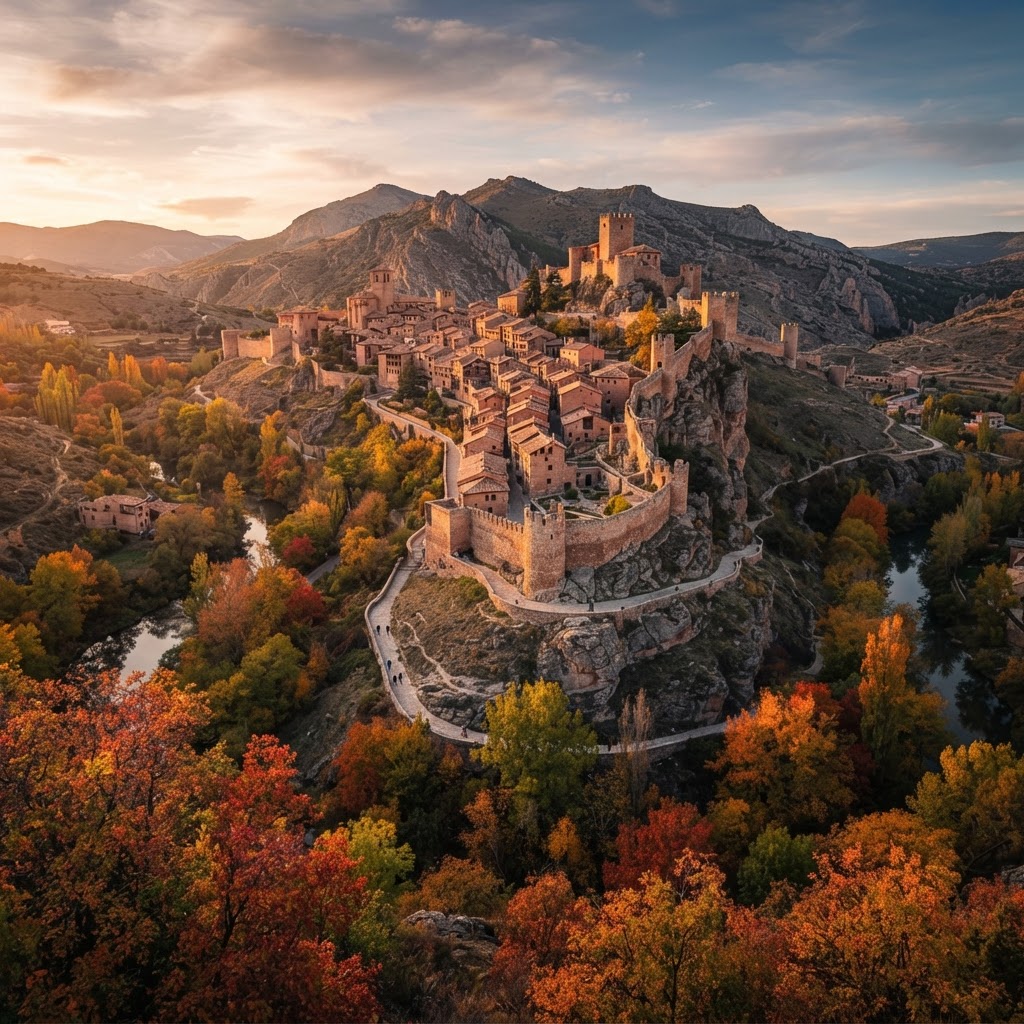
8 Charming Spanish Villages Perfect for Autumn
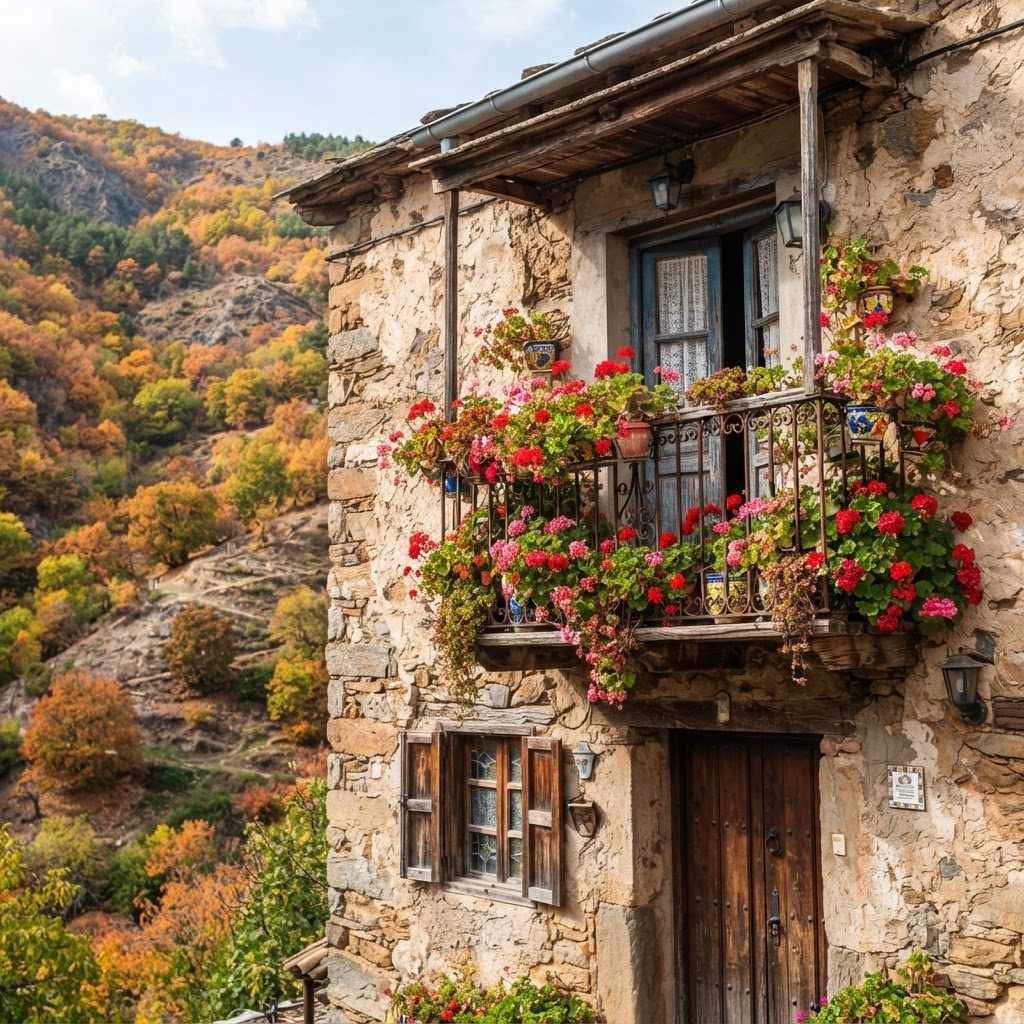
The best Spanish villages to visit in autumn are Albarracín, Aínsa, Ronda, La Alberca, Grazalema, Morella, Pals, and a final inclusion of the historic mountain village of Beget, which offers the most vibrant foliage between late October and mid-November. These destinations provide a perfect mix of mild 15°C–22°C (59°F–72°F) weather, lower travel costs, and authentic harvest festival experiences.
Why Autumn is the Perfect Season for Rural Spain
Autumn in Spain is characterized by the “harvest season,” where cultural traditions, wine pressing, and cooler mountain air converge to create the most authentic travel experience. During this time, the heatwaves of July and August vanish, replaced by crisp mornings perfect for hiking the Pyrenees or the Sierra de Francia. Travelers benefit from reduced accommodation rates, often 20% to 30% lower than in summer, and a much quieter atmosphere that allows for deeper engagement with local culture. The harvest months, particularly October and November, are peak times for gastro-tourism. You can witness the olive harvest or participate in local food festivals where regional specialties like roasted chestnuts and wild mushrooms take center stage. For photography enthusiasts, the golden light of autumn provides the perfect aesthetic for the rugged, rural topography of the Iberian Peninsula.
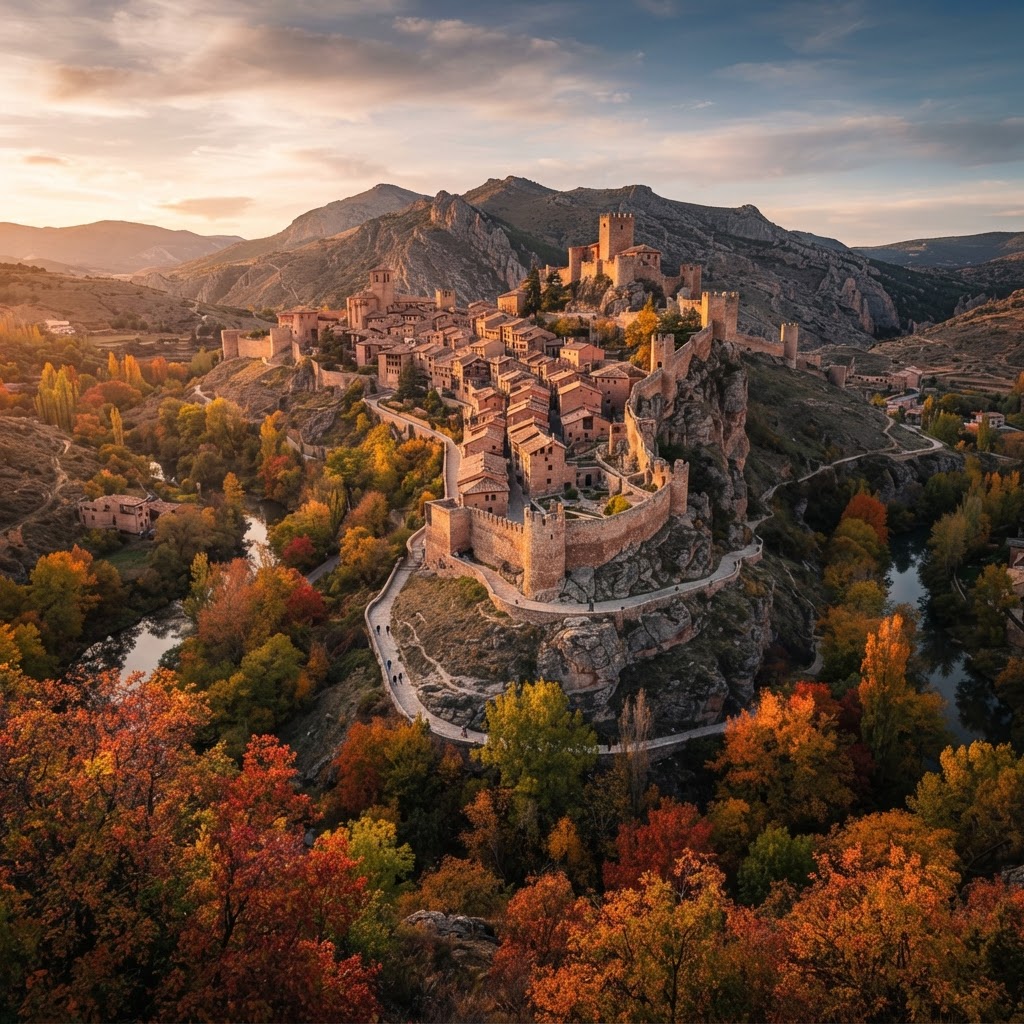
1. Albarracín: A Medieval Masterpiece in Teruel
Albarracín is widely considered the most beautiful village in Spain because of its preserved medieval pink-hued architecture and dramatic cliffside location. Located at an altitude of 1,171 meters, the air is crisp, making the climb to the old city walls a popular activity. The village offers a deep historical immersion, as its winding streets have remained largely unchanged since the 11th century. In the autumn, the air in Albarracín is bracingly fresh, and the surrounding Sierra de Albarracín transforms into a mosaic of copper and gold leaves. Visitors should note that parking is limited, so arriving before 10:00 AM is recommended to secure a spot near the village entrance. The lack of summer humidity makes this the peak season for exploring the ancient fortifications without the fatigue of the high sun. Local guesthouses often provide cozy wood-burning fireplaces, perfect for the cool evenings that regularly drop below 8°C in November. Exploring the labyrinthine alleys during the early morning golden hour provides the best opportunities for architectural photography without tourist crowds. Travelers should prioritize visiting the Cathedral of El Salvador, which offers a quiet, reflective space to admire the town’s ancient craftsmanship.
Exploring the Walls and Towers
In the autumn, the air in Albarracín is bracingly fresh. This is the ideal time to hike the medieval wall that encircles the town. The vantage points provide panoramic views of the surrounding Sierra de Albarracín, which turns into a mosaic of copper and gold leaves as the season progresses. Visitors should note that parking is limited, so arriving before 10:00 AM is recommended to secure a spot near the village entrance.
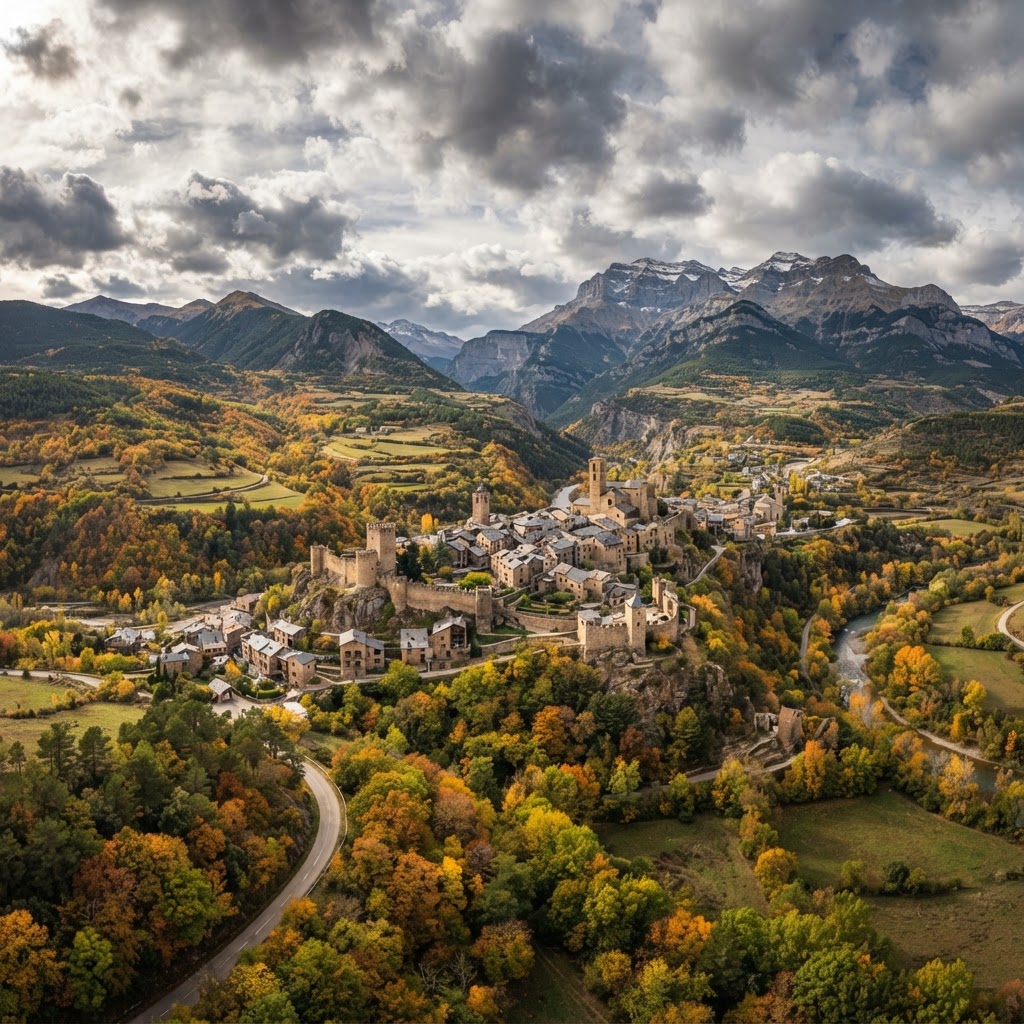
2. Aínsa: The Gateway to the Pyrenees
Located in the province of Huesca, Aínsa serves as the prime gateway to the Pyrenees and is famous for its impeccably preserved 11th-century Plaza Mayor. Autumn in Aínsa is synonymous with outdoor adventure, as the surrounding Ordesa y Monte Perdido National Park transforms into a spectacle of red and gold foliage, creating a world-class environment for autumn hiking. The town is strategically built on a rocky spur overlooking the confluence of the Ara and Cinca rivers, offering protected views of the snow-dusted mountain peaks. After a day of exploring the mountain trails, travelers retreat to Aínsa’s stone-walled taverns to enjoy chiretas or hearty mountain stews, which are staple comfort foods during the cooling autumn nights. The village is an essential stop for history buffs, as the town layout retains its original defensive wall structure and distinctive archways. Temperatures in late October typically hover around 12°C, necessitating a warm jacket and sturdy walking boots, especially if you plan to venture into the higher elevations of the nearby national park. Mid-week visits in November offer the most solitude, allowing hikers to experience the silence of the Pyrenees before the first major snowfalls of the winter season arrive in December.
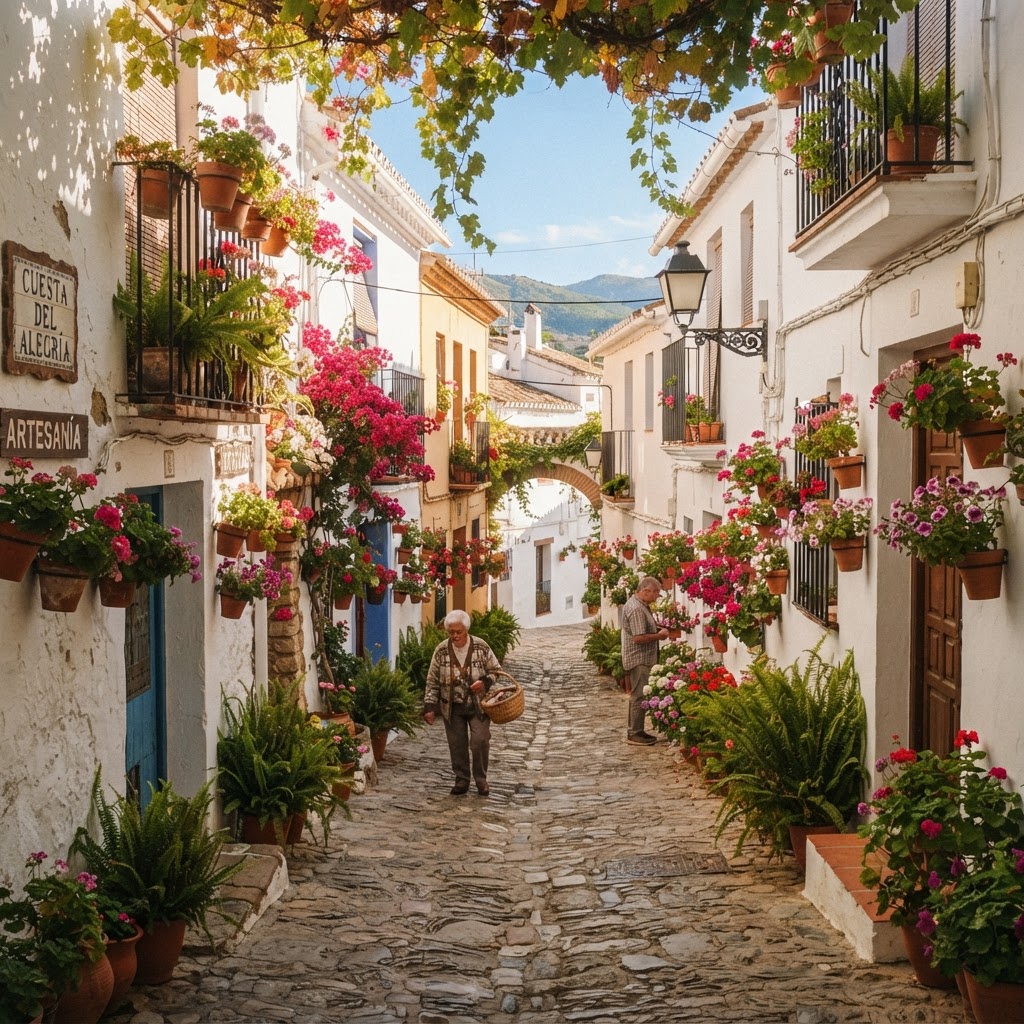
3. Ronda: The Cliffside Wonder of Andalusia
While Ronda is more of a town than a tiny village, it retains an atmosphere of traditional rural charm that is best experienced in the shoulder season. Known for the Puente Nuevo, a massive bridge spanning a 120-meter deep gorge, Ronda is breathtaking during the soft, diffused light of autumn. Because of its location atop the El Tajo gorge, the views of the Serranía de Ronda are clearest during the autumn months when the summer haze clears. The town is split into the newer ‘La Ciudad’ and the historic ‘La Villa’, both of which are highly walkable in temperatures that rarely exceed 22°C during October. Ronda acts as a hub for the ‘Pueblos Blancos’ route, making it an ideal base for multi-day road trips through the mountains. Its unique topography ensures that morning mists often linger in the gorge, creating an ethereal aesthetic favored by professional travel photographers. Visitors should plan for at least two nights to fully appreciate the dramatic transition from the intense afternoon sunlight to the cool, quiet nights spent in local wine bars.
Seasonal Gastronomy and Wine
Nearby, the Serranía de Ronda is famous for its boutique wineries. Autumn is the harvest season for the grapes, making it a prime time to participate in tastings. The mild temperatures allow you to enjoy walking tours of the historic bullring and the lush gardens of the Palacio de Mondragón without the intense heat of the Andalusian sun. Average temperatures in November remain pleasant at around 16°C, which is ideal for the 30-minute walk down to the bottom of the gorge for the best bridge photos.
4. La Alberca: Tradition in the Heart of the Sierra
Nestled in the Sierra de Francia, La Alberca is famous for its well-preserved traditional architecture and is the first village in Spain to be declared a National Historic-Artistic Monument. The half-timbered houses, adorned with flowers and wooden balconies, look particularly cozy as the autumn mist rolls through the mountains, creating an atmospheric experience unique to this region. This village is deeply connected to its traditions, including the unique custom of allowing pigs to roam the streets freely. In autumn, you can witness the preparations for the upcoming winter, as the air fills with the smell of roasting chestnuts and woodsmoke from the village chimneys. Be sure to try the local jamón ibérico, which is sourced directly from the Sierra, offering a taste profile distinct from other regions in Spain. The local forests of chestnut and oak turn brilliant shades of orange during October, making the surrounding hiking trails feel like walking through a landscape painting. Travelers will find that the village’s isolation helps maintain its 18th-century character, with most commerce focused on high-quality regional crafts and traditional textiles.
5. Grazalema: The White Village of the Clouds
Located within the Grazalema Natural Park in Andalusia, this ‘pueblo blanco’ (white village) is famous for its unique microclimate. While much of southern Spain is dry, Grazalema receives high rainfall, which results in the lush green forests that turn vibrant colors in late October and November. It is often cited as the wettest spot in southern Spain, which supports the survival of the rare Spanish fir (pinsapo). The village is situated at an elevation of 800 meters, which contributes to the rapid temperature drops experienced during autumn evenings. This climate supports a unique ecosystem that is distinct from the arid landscape typically associated with Andalusia. Travelers should arrive prepared for sudden shifts in weather, as the “cloud” reputation is well-earned. The village is an excellent destination for those looking to combine cultural photography of white-washed buildings with rugged, damp-weather hiking. Local wool blankets, manufactured using traditional centuries-old looms, are the primary souvenir for visitors seeking an authentic, locally-produced gift.
Outdoor Activities to Try
- Hiking the pinsapo (Spanish fir) forests: Many trails require a permit due to the protected status of the trees.
- Birdwatching near the limestone cliffs: Autumn is a key migration period for raptors in this region.
- Visiting local artisan workshops to see traditional blanket weaving: The village has been famous for its wool production since the 17th century.
6. Morella: A Fortified Treasure
Rising high above the surrounding landscape in the province of Castellón, Morella is a fortified town that looks like it belongs in a fantasy novel. The castle ruins at the top offer a commanding view of the Maestrazgo region, which is particularly striking when the autumn foliage covers the valleys below. The town is enclosed by two kilometers of wall with seven gates and fourteen towers. Morella is best known for its truffles, and autumn marks the beginning of the truffle harvest season. Visitors can often find local restaurants featuring special “truffle menus” that highlight this prized ingredient. With an elevation of over 1,000 meters, the town stays quite chilly in the evenings, so travelers should prioritize booking a guesthouse with a fireplace to complement the authentic medieval aesthetic. The steep ascent to the castle remains one of the most rewarding viewpoints in Spain, especially in November when the early sunsets cast long, dramatic shadows over the surrounding plains.
7. Pals: A Gothic Jewel in the Costa Brava
Most people think of the beach when they think of the Costa Brava, but the medieval village of Pals is a hidden gem. Located slightly inland, the ‘Barri Gòtic’ of Pals is impeccably restored. In autumn, the summer crowds of the coast are gone, leaving the golden stone walls and quiet plazas to the authentic traveler, allowing you to walk the medieval battlements in total silence. Because Pals is close to the Pyrenees and the sea, it experiences a beautiful mild climate in October. It is the perfect base for exploring the Empordà region, where the rice harvest is celebrated and the local vineyards prepare for the winter months ahead. The village is famously known for its “Arroz de Pals,” a high-quality rice variety that you can sample in nearly every local restaurant during the autumn season. The town’s location allows for easy day trips to nearby medieval neighbors like Peratallada, creating a “medieval circuit” experience that is far more enjoyable in the off-season than in the packed summer months.
Why Choose Pals in Autumn?
Because Pals is close to the Pyrenees and the sea, it experiences a beautiful mild climate in October. It is the perfect base for exploring the Empordà region, where the rice harvest is celebrated and the local vineyards prepare for the winter months ahead. The village is famously known for its “Arroz de Pals,” a high-quality rice variety that you can sample in nearly every local restaurant during the autumn season.
Travel Tips for Your Spanish Autumn Adventure
To make the most of your trip, consider renting a car. Public transport to these remote villages can be infrequent, and having your own vehicle allows you to explore the winding mountain roads at your own pace. Pack layers; while the sun is warm during the day, the temperature can drop significantly once the sun goes down in the mountainous regions. Also, keep in mind that many local restaurants operate on a traditional schedule. Lunch is the main meal of the day, usually served between 2:00 PM and 4:00 PM. Many small shops may close for a few hours in the afternoon for ‘siesta,’ so plan your activities accordingly to ensure you can visit local museums and cathedrals.
FAQ
Q: What is the best month to visit Spanish villages for autumn foliage?
Late October to mid-November is the optimal window to witness peak autumn foliage across Northern and Central Spain. During this period, the forests in the Pyrenees and the Sierra de Albarracín transition into rich, vibrant colors perfect for photography.
Q: Are the rural villages in Spain open to tourists in late November?
Yes, these villages remain open year-round, although some tourist-focused amenities like tour agencies may operate on reduced hours. Late November is an excellent time for travelers seeking solitude and deeper cultural immersion, as accommodation prices are often at their lowest.
Q: Do I need a car to visit these Spanish villages?
Renting a car is essential for exploring rural Spain, as most of these historic villages are not effectively served by national train networks. A vehicle provides the necessary flexibility to navigate winding mountain roads and visit remote locations at your own pace.
Q: Is it cold in Spanish villages during autumn?
Temperatures vary significantly by elevation; coastal areas like Pals remain mild, while high-altitude villages like Morella or Albarracín frequently experience near-freezing temperatures at night. Travelers should pack moisture-wicking layers and a sturdy, windproof jacket to stay comfortable during their trip.
Q: Which Spanish village is best for food lovers in autumn?
Morella is the premier destination for food lovers during the autumn season, as it marks the beginning of the prized black truffle harvest. Visitors can experience exclusive truffle-themed menus in local restaurants throughout the autumn months.
Leave a Reply