
Planning an autumn trip to Ireland provides the perfect opportunity to indulge in hearty traditional Irish stews and breads that capture the essence of the season. From savory lamb-based broths to dense, crusty loaves, these culinary staples offer warmth, comfort, and a genuine taste of Irish heritage that every traveler should experience firsthand while exploring the local landscapes.
The Essence of Irish Autumn Comfort
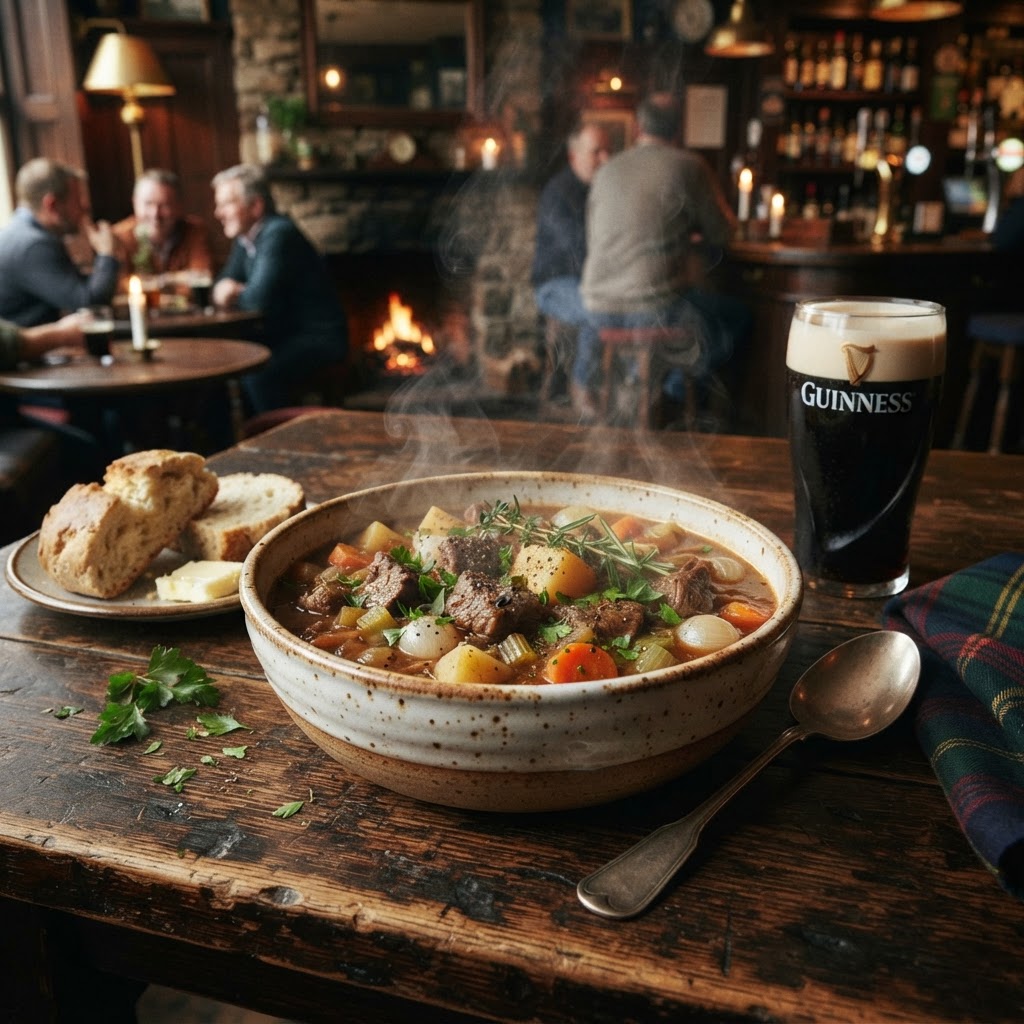
Autumn in Ireland is synonymous with comfort food, particularly hearty traditional Irish stews and breads. As the temperatures dip and the misty rain settles over the rolling green hills, the locals turn to rustic recipes that have been perfected over generations. These dishes reflect the agricultural bounty of the season, utilizing root vegetables, fresh lamb, and hardy grains to sustain the body against the chill. For travelers, finding the perfect bowl of stew in a wood-paneled pub is often the highlight of an autumn trip to Ireland, offering a sensory connection to the land and its history. This cultural ritual remains one of the most authentic ways to immerse yourself in the local lifestyle.
The Art of Authentic Irish Lamb Stew
Authentic Irish lamb stew relies on a minimalist approach to ingredients to allow the quality of the meat to shine. Unlike modern interpretations that incorporate a wide variety of vegetables, the traditional version focuses primarily on tender lamb, potatoes, onions, and sometimes carrots or parsnips. Slow-cooking is the secret, as it allows the gelatin from the bone-in meat to thicken the broth naturally into a silky, savory consistency. When you embark on your culinary travel Ireland adventure, look for pubs that explicitly mention “slow-braised” or “local pasture-raised” lamb on their menus. This attention to sourcing elevates the stew from simple sustenance to a gourmet experience, making it a cornerstone of hearty traditional Irish stews and breads.
Preparing the Perfect Stew at Home
If you want to recreate these cozy autumn recipes at home, focus on browning the lamb thoroughly before adding your stock. Use a cast-iron pot or a heavy Dutch oven to ensure even heat distribution. Seasoning should be kept simple—sea salt, cracked black pepper, and perhaps a sprig of fresh thyme or parsley. Never overcomplicate the flavor profile; the goal is to highlight the rustic, earthy notes of the produce and the richness of the meat.
The Magic of Traditional Soda Bread

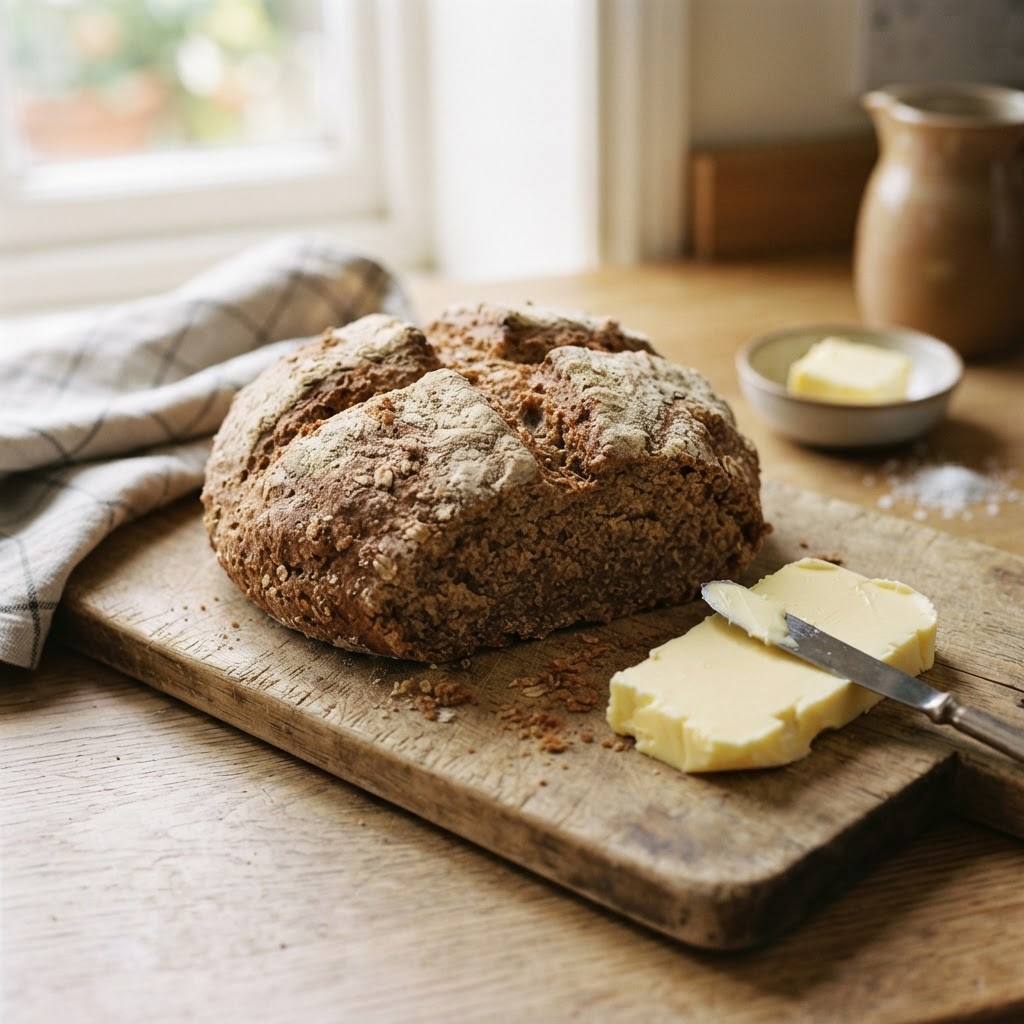
Traditional soda bread is the essential companion to any bowl of stew, known for its dense crumb and distinctively tangy flavor. Made without yeast, this bread relies on the chemical reaction between baking soda and buttermilk to rise, which results in a hearty loaf that pairs perfectly with salted Irish butter. During an autumn trip to Ireland, you will find variations ranging from plain white loaves to versions enriched with oats or brown wholemeal flour. Each slice acts as the perfect vehicle for mopping up every last drop of your savory stew, creating a balanced meal that is both filling and deeply satisfying. Its preparation is swift, making it a staple of Irish domestic life.
Comparing Regional Culinary Variations
To help travelers navigate the diverse landscape of Irish cuisine, we have compiled a comparison of regional specialties often found during the autumn months.
This table highlights how the local geography influences the flavor profiles of hearty traditional Irish stews and breads. Understanding these subtle differences enhances your culinary travel Ireland experience, allowing you to seek out specific regional delicacies that go beyond the standard tourist offerings.
Pairing Stews with Local Brews
Pairing your meal correctly is key to unlocking the full potential of hearty traditional Irish stews and breads. A dark, creamy stout is the traditional beverage of choice, as its roasted malt notes complement the savory richness of lamb or beef stew perfectly. Many travelers are surprised by the complexity of local craft beers that are now widely available throughout the country, offering an alternative to the ubiquitous commercial brands. When in doubt, ask the local publican for a recommendation based on the specific stew being served; their local knowledge is often the best guide to achieving a harmonious dining experience that truly rounds out your cozy autumn recipes.
FAQ
What makes a stew a traditional Irish stew?
A traditional Irish stew is defined by its focus on mutton or lamb, onions, and potatoes, cooked slowly until the flavors meld into a thick, comforting broth.
Can I find vegetarian versions of these stews?
Yes, many modern Irish establishments now offer sophisticated root-vegetable stews that mimic the traditional texture while being entirely plant-based.
Why is soda bread so important to Irish cuisine?
Soda bread evolved as a necessity due to the low-protein content of Irish soft wheat, which was unsuitable for traditional yeast-based loaves; it has since become a cultural icon.
Should I look for a specific type of restaurant for the best experience?
Authentic “gastropubs” or family-run farm-to-table eateries generally provide the most genuine experience for those seeking local culinary traditions.
Is it worth taking a cooking class during my trip?
Absolutely, taking a hands-on class is one of the best ways to understand the nuances of moisture levels and ratios in traditional baking and stew making.
Conclusion
Exploring Ireland through its food is a journey through history, geography, and local tradition. By prioritizing the search for hearty traditional Irish stews and breads, you ground your travel experience in the warmth and comfort that define the Irish spirit. Whether you are savoring a bowl in a bustling Dublin pub or enjoying a slice of warm soda bread in a remote village, these flavors will define your autumn trip to Ireland. Embrace the rustic simplicity, engage with the local chefs, and let the hearty flavors of the Emerald Isle become the highlight of your autumn culinary adventure.
Leave a Reply