
Walking through the historic center of Seville feels like stepping into a fragrant, living painting. Perhaps the most striking feature of this Andalusian gem is the presence of thousands of bitter orange trees that line the streets, plazas, and courtyards, casting dappled shadows over centuries-old architecture. It is a defining element of the city’s character, creating a sensory experience that connects visitors to the deep cultural roots of Southern Spain. For many travelers, the sight of these fruit-laden boughs against a backdrop of ornate cathedrals is the quintessential image of Seville.
The History of Seville’s Orange Trees
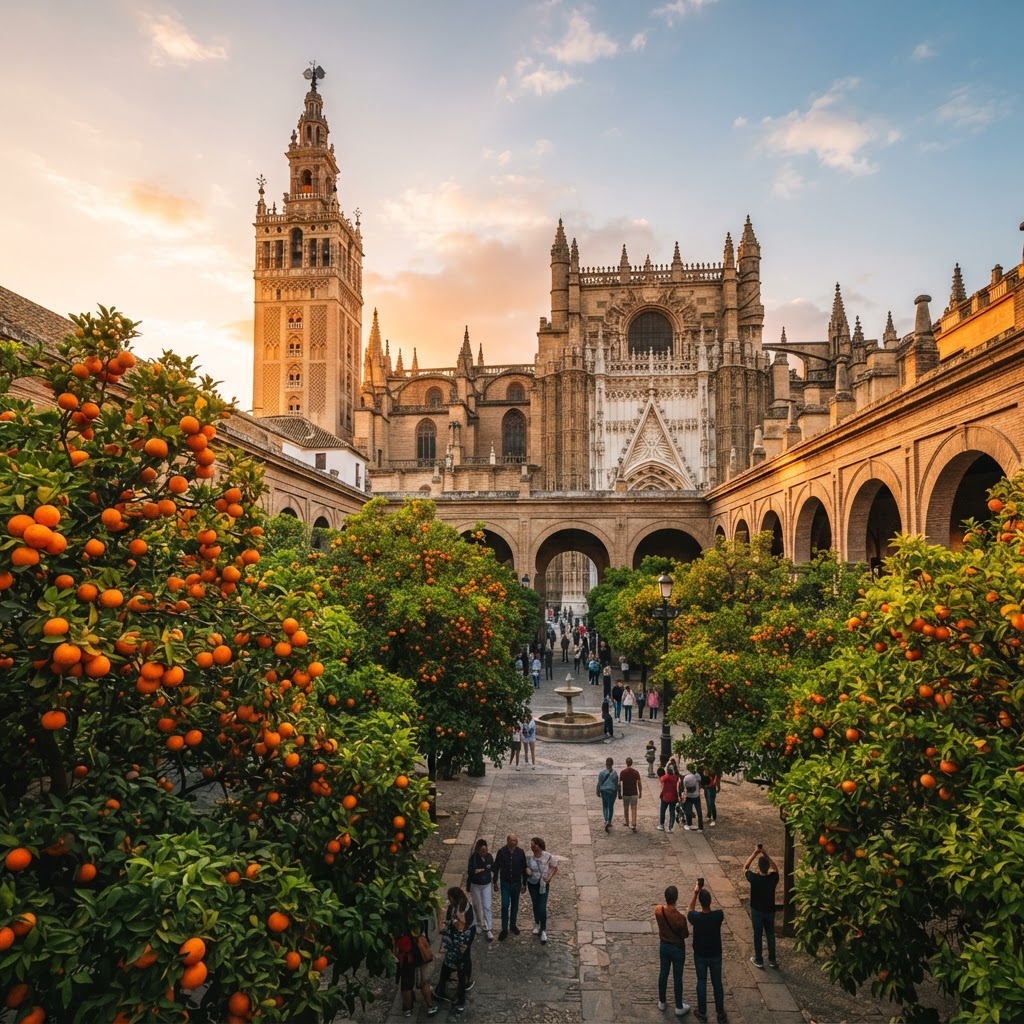
The story of these iconic trees dates back over a millennium. When the Moors ruled much of the Iberian Peninsula, they brought with them sophisticated irrigation systems and a profound love for landscape design. They introduced the bitter orange, or Citrus aurantium, to the region, appreciating both its medicinal properties and its aesthetic beauty. The trees were not just ornamental; they provided cooling shade during the intense heat of the Andalusian summer and added a layer of structure to the urban environment.
Following the Reconquista, the Christian rulers of Spain preserved these groves, integrating them into the layout of the city. Over the centuries, the orange tree became deeply embedded in the identity of the city. Today, there are an estimated 40,000 orange trees spread across the urban landscape, making Seville the city with the largest concentration of orange trees in the world.
The Enchanting Scent of Azahar
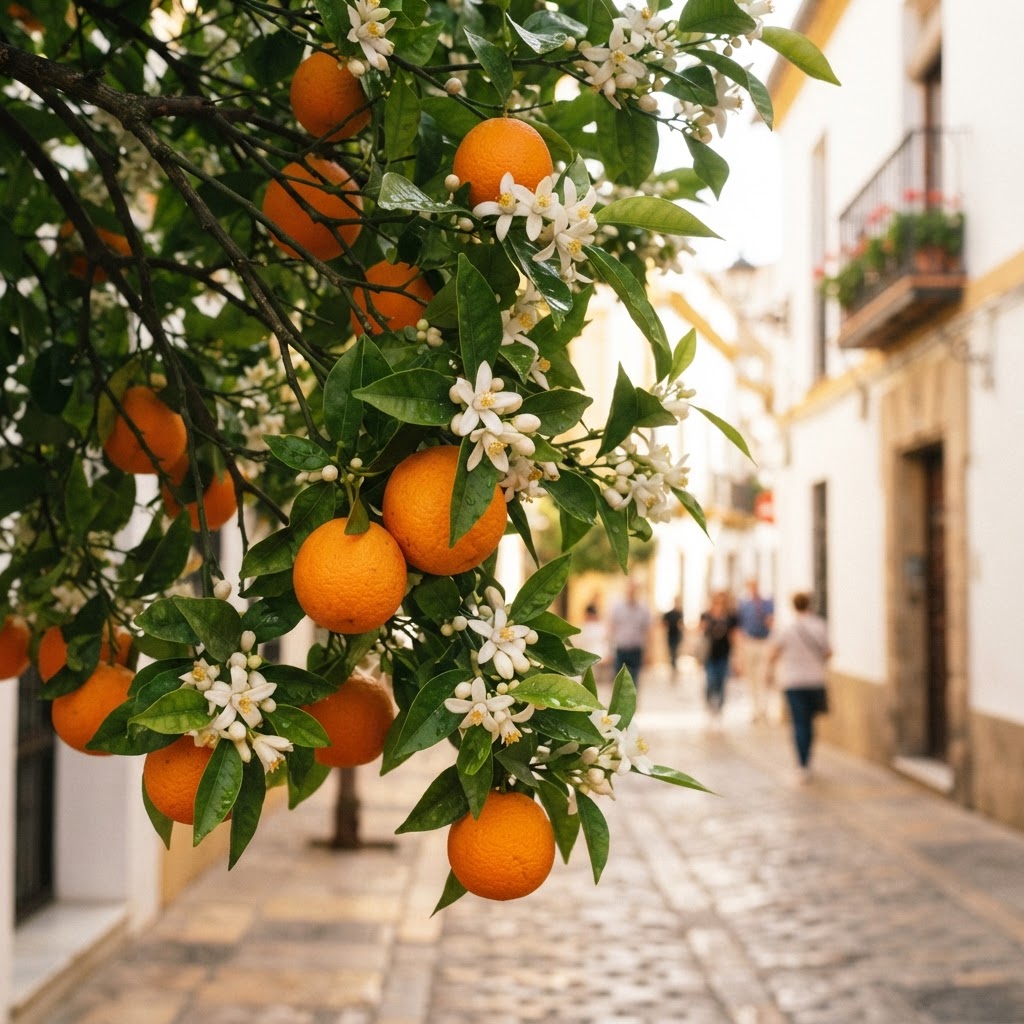
If you time your visit to Seville during the spring, you will be greeted by an aroma so intense and sweet it feels like a perfume hanging in the air. This is the scent of ‘azahar,’ the orange blossom. It is an experience that defines the spring season in Seville, drawing locals out of their homes and filling the plazas with life as the city emerges from the winter months.
Azahar is highly regarded in Andalusian culture and is used in a variety of ways, from flavoring local pastries and sweets to being distilled into orange blossom water. The scent acts as a natural signal that the city is in transition. It evokes feelings of renewal and optimism, deeply rooted in the folklore and poetry of the region. Many locals believe that walking through the city while the trees are in bloom is the best remedy for the soul.
The Truth About the Fruit
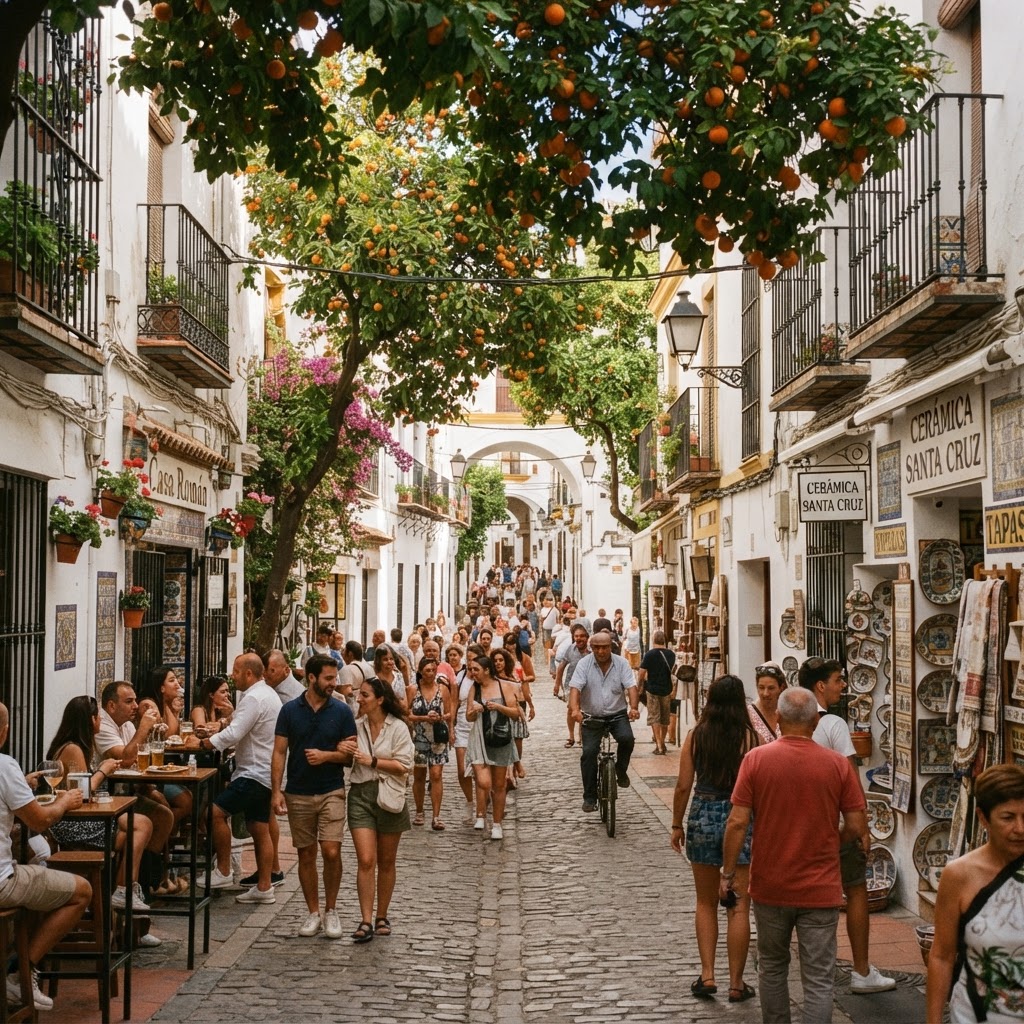
Visitors often notice the abundance of bright, beautiful oranges hanging from the branches and naturally assume they are ripe for picking. However, there is a catch. These are not the sweet oranges found in supermarkets or breakfast juice bars. They are ‘naranjas amargas,’ or bitter oranges.
Because they contain high levels of naringin, they possess a sharp, sour, and bitter taste that is generally unpalatable when eaten raw. This characteristic is actually a blessing for the city, as it keeps hungry tourists and locals from constantly picking the fruit directly from the sidewalk. Instead, the trees remain decorative and vibrant throughout the winter season, providing a pop of color against the white-washed walls of the city.
What Happens to the Harvest?
Managing such a vast number of trees requires significant coordination. Each winter, the city council organizes teams to harvest the fruit. Because the oranges are not suitable for raw consumption, they are processed for other uses. Some are shipped to the United Kingdom, where their high pectin content makes them ideal for the production of authentic English marmalade.
Others are composted to create organic fertilizer for the city’s parks, or they are processed into essential oils and biofuels. The city has recently explored innovative ways to use the discarded fruit, even piloting projects to turn the biomass into electricity to power the city’s water treatment plants. This closed-loop approach ensures that the urban forest contributes to the sustainability of the metropolis.
Iconic Locations to See the Trees
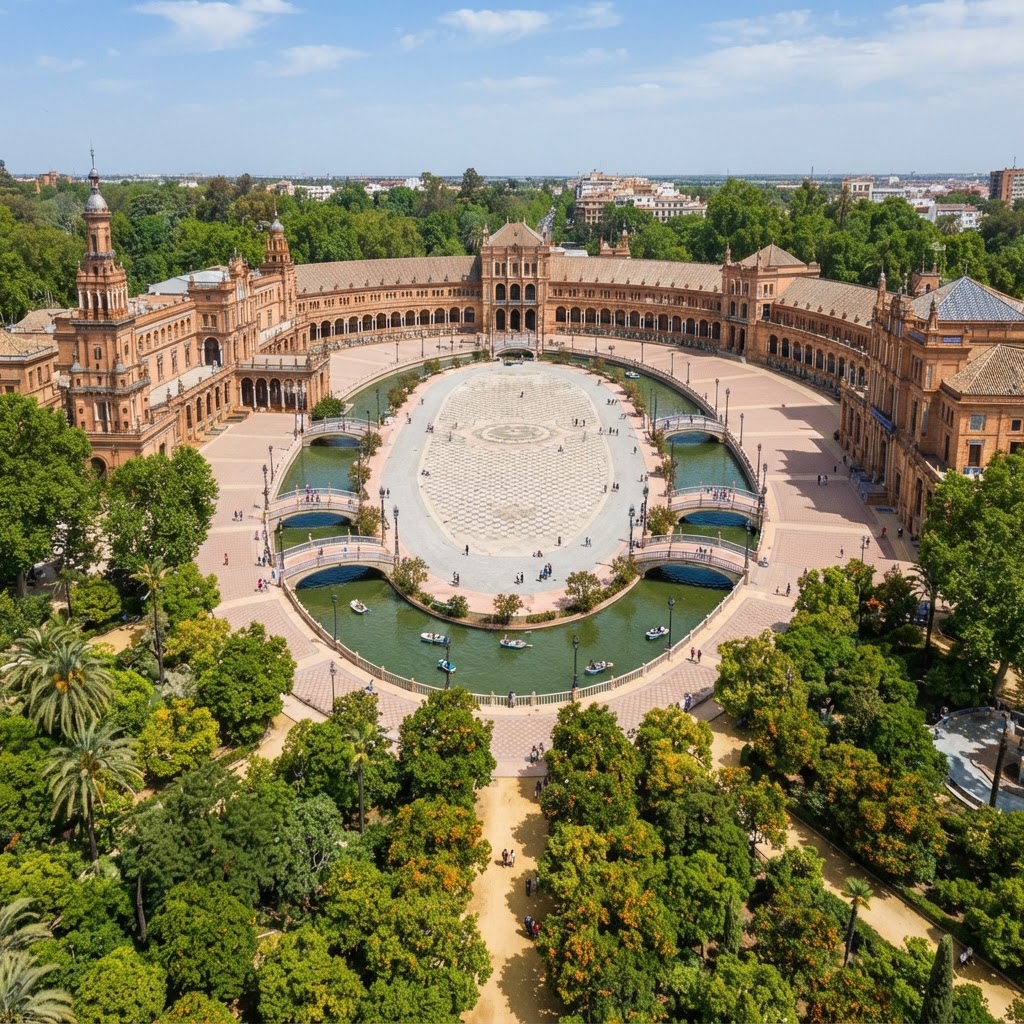
While the entire city is covered in these trees, some spots offer a more magical experience than others. If you want to capture the best photographs or simply soak in the atmosphere, these locations are essential stops on your itinerary.
- The Patio de los Naranjos: Located at the Seville Cathedral, this is arguably the most famous courtyard in the city. It serves as a living remnant of the original mosque that once stood on the site.
- Plaza de España: The grand scale of this landmark is softened and made more intimate by the surrounding groves of orange trees.
- Barrio Santa Cruz: The winding, narrow streets of this ancient Jewish quarter are lined with trees, creating a shaded canopy that keeps the cobblestone alleys cool even at midday.
- Alcázar Gardens: Here, the trees are manicured and integrated into elaborate geometric patterns that reflect the royal history of the palace grounds.
Cultural Significance and Folklore
Beyond their physical presence, the orange trees have woven themselves into the local psyche. They are a symbol of prosperity, resilience, and the historical layers that make Seville so unique. Andalusian poets have sung the praises of these trees for generations, often using the orange blossom as a metaphor for the beauty and fleeting nature of life.
There is also a sense of pride in the sheer number of trees. The city takes great care to manage the health of this massive urban forest, ensuring that each tree receives appropriate pruning and hydration. During the summer, the city’s sophisticated water systems keep the trees lush, preventing them from succumbing to the harsh Iberian sun.
Practical Tips for Travelers
If you are planning a trip to Seville, there are a few things to keep in mind regarding the trees. First, if you are visiting in late February or March, prepare yourself for the incredible intensity of the orange blossoms; if you have allergies, bring appropriate medication. Secondly, while it is tempting to pluck a fruit to see what it tastes like, remember that the taste will likely disappoint you. It is far better to buy a jar of local bitter orange marmalade from a shop in the center.
| Season | Characteristic | Visitor Experience |
| :— | :— | :— |
| Winter | Ripe Fruit | Perfect for photography and seeing the vibrant color. |
| Spring | Blooming Flowers | The best time for the smell of azahar. |
| Summer | Shady Canopy | Ideal for staying cool while walking. |
| Autumn | Green Leaves | A peaceful time to enjoy the historic streets. |
Conclusion
The orange trees of Seville are far more than just landscaping; they are a living, breathing testament to the city’s complex past and its enduring charm. From the historic courtyards of the Alcázar to the bustling streets of the city center, these trees offer a sensory journey that stays with every traveler long after they return home. Whether you are coming for the architectural wonders or the scent of spring, Seville’s orange trees will undoubtedly be a highlight of your Spanish adventure. Have you walked under the canopy of orange trees in Seville? Share your favorite memories in the comments below, or start planning your trip to experience the magic of the golden city today!
Leave a Reply