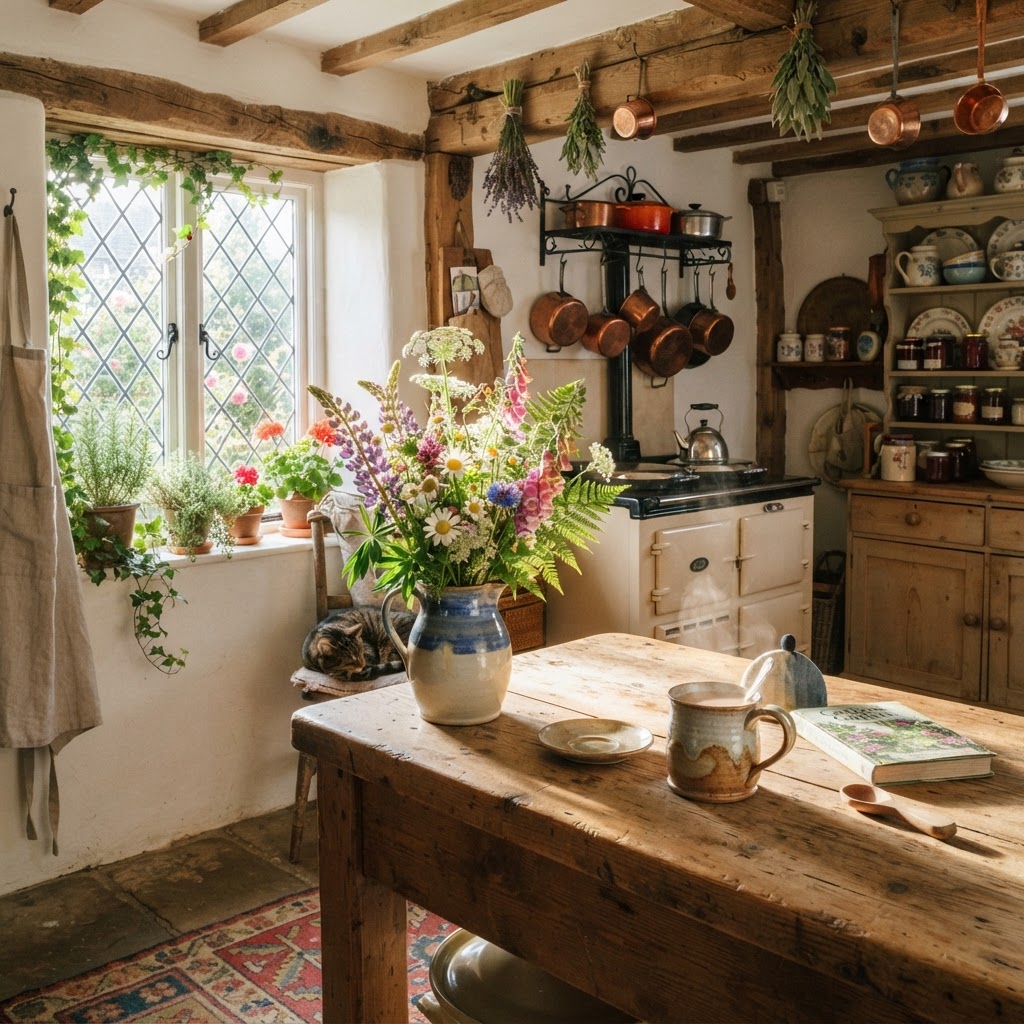
The internet is awash with a specific, dream-like vision of British life. You have likely seen the images: a rustic stone cottage draped in wisteria, a steaming cup of Earl Grey tea sitting on a wooden windowsill, and the soft, perpetual mist rolling over rolling green hills. This ‘living in England aesthetic’ has become a global phenomenon, drawing dreamers and expats alike toward the promise of a slower, more literary existence. But what does it actually feel like to live in England, far removed from the filtered lens of a social media feed?
The Reality of the English Weather
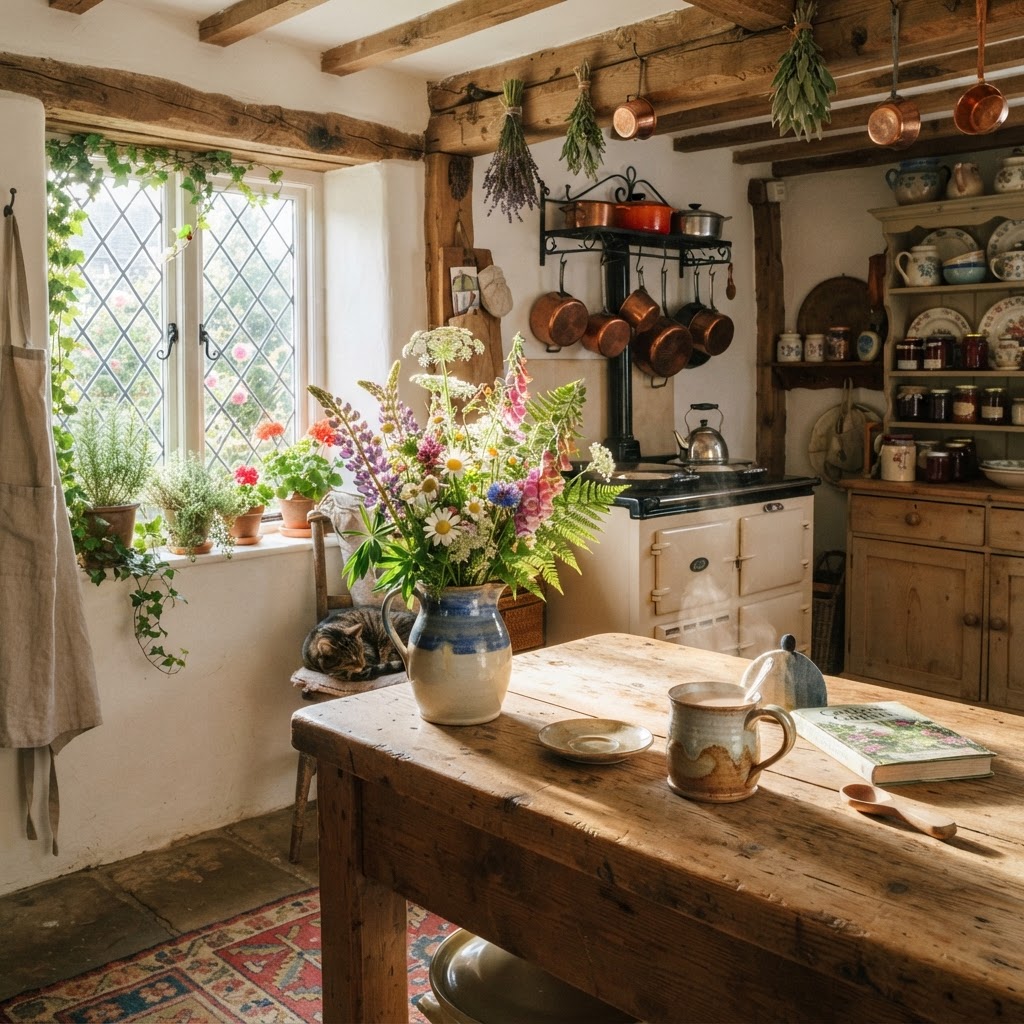
The aesthetic often focuses on the moody, romantic side of British weather. In reality, the climate is defined more by consistency than by dramatic atmosphere. You will find that the ‘living in England aesthetic’ requires a wardrobe built on layers and waterproofs rather than just tweed jackets and floral dresses.
Embracing the Gray Skies
The gray sky is a constant companion for much of the year. While it provides the perfect lighting for photography, living under it day after day requires a shift in mindset. Britons have mastered the art of finding ‘coziness’—or hygge-like comfort—inside when the weather turns, prioritizing warm lighting and soft textures.
The Seasonal Shift
England does have four seasons, though they are often subtle. Winter can feel long and dark, with sunset arriving as early as 4:00 PM. However, spring brings an explosion of color, and summer—while rarely sweltering—is a period of immense joy where everyone congregates in parks and beer gardens to soak up the fleeting sunshine.
The Myth vs. Reality of English Village Life

Many people chasing the English dream imagine themselves living in a quiet, historical village. While these places are undeniably beautiful, the logistical reality is quite different from a travel blog post. Village life is famously slow-paced, which can be either a blessing or a challenge depending on your personality.
Connectivity and Isolation
In many remote English villages, you might find that you are entirely dependent on a car. Public transport links, while generally good in the UK, often struggle to reach the most ‘aesthetic’ rural locations. Living here means being part of a tight-knit community, but it also means being a long drive away from large supermarkets or vibrant city culture.
The Architecture and Maintenance
Those gorgeous, centuries-old stone houses come with significant maintenance requirements. Draughty windows, low ceilings, and the constant battle against damp are common themes for people living in historic properties. The charm is authentic, but so is the need for constant home improvement.
Navigating Modern City Living in England

If you move to a city like London, Manchester, or Bristol, the ‘living in England aesthetic’ shifts from rolling hills to brick terraces and historic pubs. This is where the true, bustling energy of the country lives. It is a mix of high-speed urban transit, vibrant multicultural neighborhoods, and centuries of architectural evolution.
The Pub Culture
One thing that is not exaggerated is the importance of the local pub. It is the community hub, the meeting place, and the living room of British society. Whether you are in a bustling metropolis or a sleepy hamlet, the pub provides that warm, wood-paneled atmosphere that everyone associates with the British experience.
Urban Commutes and Spaces
City living in England means maximizing small spaces. You will likely find yourself living in a ‘terraced’ home or a flat in a converted building. The aesthetic here is one of high efficiency, where character features like bay windows and fireplaces are cherished, even if the floor space is limited compared to North American standards.
Understanding the British Social Fabric
Socializing in England is distinct. While the culture is polite and welcoming, it can also be reserved. Understanding the nuances of British humor—often characterized by sarcasm and self-deprecation—is essential for fitting in. The ‘living in England aesthetic’ implies a sense of calm, which is mirrored in the way people interact: polite, orderly, and generally conflict-averse.
The Art of the Queue
Order is paramount. Whether at a bus stop or a post office, the queue is a social institution. Ignoring this unspoken rule is perhaps the fastest way to signal that you are an outsider. Embracing the queue is part of the aesthetic of civility that makes British public life function.
Table of Cultural Nuances
| Observation | Reality | Advice |
| — | — | — |
| Small Talk | Usually centered on the weather. | Don’t take it as being shallow; it’s a social glue. |
| Pub Etiquette | Ordering at the bar is expected. | Don’t wait for table service in most pubs. |
| Directness | Often veiled in polite phrases. | Learn to read between the lines of a ‘that’s interesting’. |
The Cost of the Aesthetic
It is vital to address the economic reality of the UK. Moving to England is an expensive endeavor. Between the cost of housing, travel, and the general cost of living, the lifestyle is often more challenging than it appears on a curated Instagram feed.
Managing Expenses
Many expats find that they have to trade space for location. You might live in a stunningly beautiful area, but the cost per square foot can be surprising. Budgeting for heating during the winter months is also a necessity that many first-time residents overlook in their excitement.
Finding Your Own Version of England
Ultimately, living in England is about more than just the aesthetic. It is about the history you see on your morning walk, the local grocery stores filled with regional produce, and the way the light hits the architecture at dusk. The ‘aesthetic’ is merely a surface layer for a complex, historic, and deeply interesting country.
Tips for New Residents
- Join local groups to connect with community members.
- Explore outside your immediate bubble, especially using the rail network.
- Accept the quirks of old housing, or look for modern builds if you prefer comfort over history.
- Learn the difference between a tea break and a coffee break; tea is practically a religion.
Conclusion
The living in England aesthetic is a great starting point for inspiration, but the true joy of the country is found in the everyday details: the sound of rain on a roof, the walk to a local bakery, and the quiet satisfaction of a life integrated into a landscape steeped in history. If you are considering a move, prepare for the realities, but do not let them dull your sense of wonder. England is a place that rewards those who look past the surface. Are you planning your move to the UK, or just dreaming about it? Share your thoughts in the comments below, and start your journey by researching local regions that match your lifestyle needs!
Leave a Reply