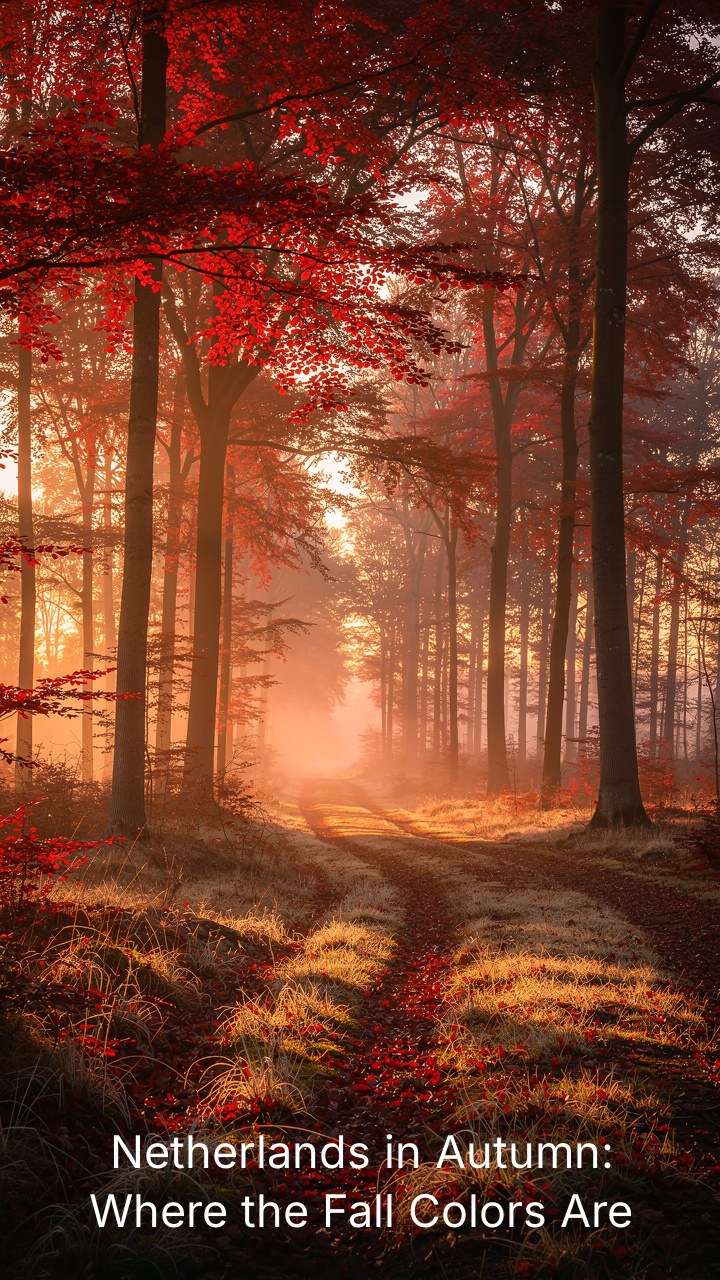

Autumn in the Netherlands is a hidden secret. As the summer crowds fade, the countryside turns into a vibrant palette of gold, deep red, and rustic orange. From the historic streets of Amsterdam to the sprawling national parks, the country offers unique opportunities for photographers and nature lovers alike.
In this guide, I will share the best spots to witness the changing leaves and provide practical tips to make your trip successful. Whether you are looking for serene canal reflections or dense forest trails, the Dutch autumn delivers.
Pack your camera, bring a warm jacket, and prepare for a breathtaking season.
Timing Your Visit for Peak Colors Many travelers miss the peak foliage because they arrive too early or late.
In the Netherlands, the best autumn colors typically emerge from mid-October through early November. You want to aim for the third week of October. This window usually balances the remaining lush green tones with the arrival of warm, golden hues.
I have found that a heavy frost early in the month can accelerate the leaf drop. If you arrive by mid-October, you ensure you catch the trees before the winter winds strip them bare. Keep an eye on local weather reports for the Veluwe region specifically.
This area often turns a week or two before the coastal provinces.
Where to Find the Most Vibrant Foliage The Veluwe National Park is arguably the crown jewel of Dutch autumn.
With over 5,000 hectares of woods, heathland, and sand drifts, the diversity here is unmatched. I recommend renting a bike at the visitor center in Hoenderloo. The paths wind through dense beech forests that glow orange under the afternoon sun.
Another excellent spot is the Amsterdamse Bos. It is located just south of the city, making it accessible for a quick escape. The maples here turn bright red, creating a stunning contrast against the dark canal waters.
If you prefer a coastal vibe, visit the dunes of Kennemerland. The sea buckthorn bushes turn a striking shade of orange, which is a rare sight compared to standard forest foliage.
Practical Tips for Autumn Photography Shooting in the Netherlands during autumn requires preparation for changing light.

The days shorten significantly, leaving you with a narrow window of soft, golden hour light. I suggest arriving at your chosen spot at least one hour before sunrise. The morning mist often lingers over the canals and forest floors, adding a moody, ethereal quality to your images.
Use a polarizing filter to cut the glare from damp leaves and water surfaces. This small accessory significantly enhances the saturation of the oranges and reds. If you are shooting handheld, keep your ISO slightly higher to compensate for the thick canopy lighting.
Don’t worry about grain; it often adds a tactile, nostalgic feel to autumn shots.
Common Mistakes to Avoid Many visitors underestimate the importance of footwear.

The Dutch countryside is famous for its damp, muddy trails in October. I see tourists wearing white sneakers that are ruined within thirty minutes of entering a forest. Bring a pair of waterproof hiking boots with decent traction to stay comfortable.
Another frequent mistake is trying to visit too many locations in one day. The light changes quickly, and you do not want to spend your peak hours sitting on a train. Choose one region, like the Utrechtse Heuvelrug, and dedicate a full day to exploring its hidden trails.
This approach allows you to wait for the clouds to break or for the wind to settle. Avoid weekends if you want empty frames for your photos. The most popular spots, like the Hoge Veluwe, get packed with locals on sunny Saturdays.
Plan your visit for a Tuesday or Wednesday to avoid the crowds.
The Myth of the Flat Landscape One common myth about the Netherlands is that it is entirely flat and lacks dramatic scenery. While it lacks mountain peaks, the country has incredible depth. The autumn season highlights this through the layering of trees and water features. In the Kasteel de Haar gardens, for example, the architecture provides a perfect backdrop for the turning leaves. The contrast between the formal garden design and the wild fall colors is a photographer’s dream. I always recommend using a wide-angle lens here to capture the scale of the castle against the colorful trees. Don’t fear the rain. A light drizzle actually saturates the colors, making the greens deeper and the reds more intense. Carry a rain cover for your camera bag to ensure you can keep shooting through the typical Dutch weather.
Checklist for Your Autumn Trip Before you pack, ensure you have these essentials in your bag.
First, a reliable tripod for those long-exposure shots of moving leaves. Second, a microfiber cloth for cleaning lens spray from humidity or mist. Third, a portable power bank, as cold temperatures drain smartphone and camera batteries faster.
If you are cycling, bring a waterproof phone mount. It allows you to navigate easily without stopping in the rain. Finally, download the ‘Buienradar’ app.
It is the most accurate tool for tracking rain clouds in real-time. Knowing when a shower will pass allows you to hide in a café for twenty minutes instead of giving up. Check your gear list twice before leaving the house to avoid missing the perfect shot.
FAQ: Essential Dutch Autumn Questions
Should I book my transport in advance?
Yes, especially if you plan to travel by train between provinces. During the autumn weekends, domestic travel is frequent, and regional trains can get quite crowded. Buying tickets via the NS app saves time and usually offers cheaper off-peak options.
If you are visiting national parks, check if you need to pre-book entrance tickets. The Hoge Veluwe, for instance, requires a timed entry if you are driving your car into the park.
What is the most underrated location for fall colors?
Many people ignore the ‘Landgoederen’ (estates) around the city of Doorn. These private estates often have public paths that are rarely crowded. The beech trees here are massive and create tunnels of color that feel completely secluded.
Unlike the big national parks, you won’t be fighting for space here. It offers a more authentic, quiet experience of the Dutch autumn season.
How do I handle the wind while shooting?
The wind is the biggest enemy of sharp autumn photos in the Netherlands. If the leaves are moving, you need a high shutter speed, at least 1/500th of a second. This might require opening your aperture wider or bumping up the ISO.
Don’t be afraid to embrace the motion blur if the wind is too strong. Sometimes, a blurry capture of falling leaves creates a more artistic and dynamic composition than a static one. Just ensure your subject remains sharp to anchor the image.
Leave a Reply