
Day 1: The Iconic Skyline and Modern Classics
[Existing content remains here…]
Day 2: Innovation and Brutalism

[Existing content remains here…]
Practical Tips for Your Architectural Expedition

Navigating Rotterdam requires a bit of strategy if you want to capture the best light. I recommend starting your days early, specifically around 8:00 AM, to photograph the Cube Houses before the tourist crowds arrive.
Use the RET public transport app to manage your tram and waterbus tickets efficiently. A day pass costs roughly 9.50 euros and covers all transit needs across the city. If you plan to visit multiple museums like the Depot Boijmans Van Beuningen, buy your tickets online at least 48 hours in advance.
These time slots sell out quickly, especially on weekends, and walk-ins are rarely accommodated during peak architectural seasons.
Carry a portable battery pack because your phone will drain quickly from constant GPS use and high-resolution photography. Wear waterproof, comfortable walking shoes regardless of the forecast; the Rotterdam wind often makes umbrellas useless near the Maas river.
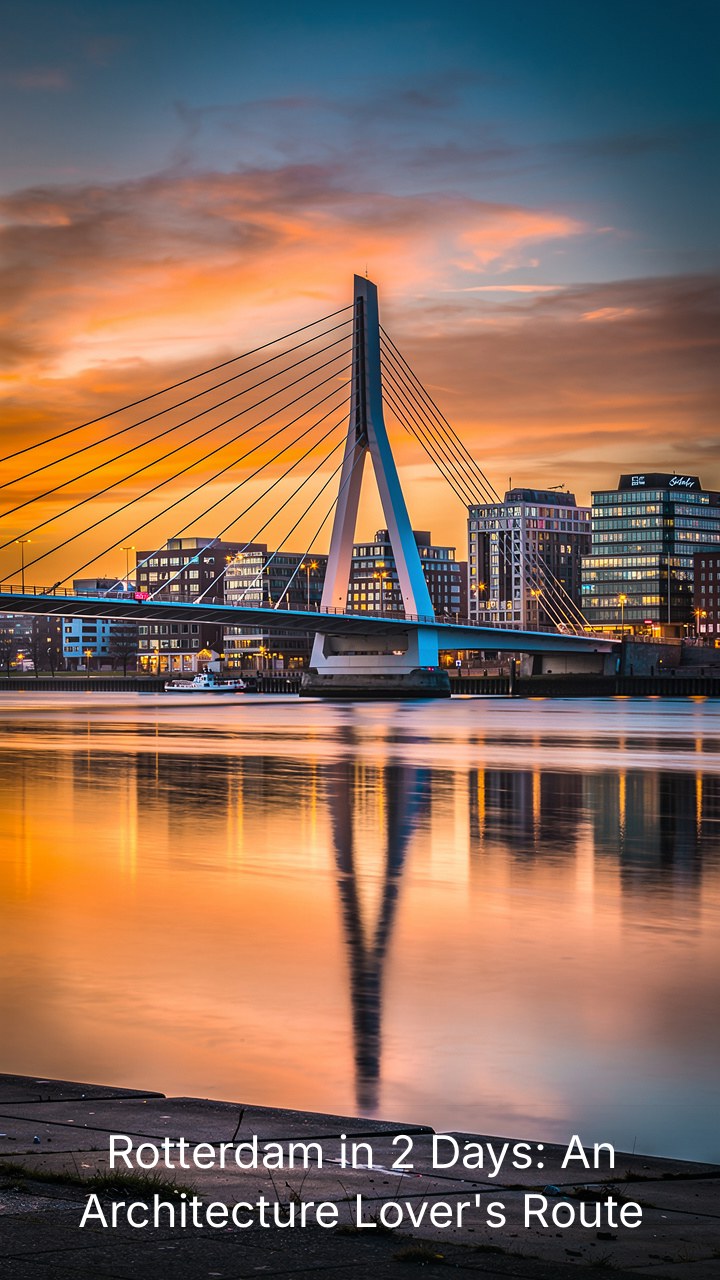
If you want to capture the skyline without glare, head to the Veerhaven area just before sunset. This spot offers an unobstructed view of the Erasmus Bridge and the changing colors reflecting off the water.
Avoid eating dinner directly inside the Markthal; it is often overpriced and crowded. Walk five minutes toward the Oude Haven instead for more authentic local dining experiences at a fraction of the cost.
Common Mistakes When Touring Rotterdam

The most frequent error I see visitors make is trying to cover too much ground on foot. Rotterdam is larger than people expect, and the distances between the North and South banks are significant. Walking across the Erasmus Bridge takes 20 minutes of brisk effort, but doing it multiple times will exhaust you by midday.
Use the Waterbus to cross the river; it is faster, offers better photo angles, and provides a much-needed rest for your feet. Another common mistake is ignoring the city’s post-war reconstruction history.
If you treat the city as just a collection of “cool buildings,” you miss the context of why the city looks so experimental. Spend 30 minutes at the Museum Rotterdam to understand the 1940 bombing. Knowing the backstory transforms these steel and glass structures from simple shapes into symbols of resilience.
Don’t skip the lesser-known residential districts like Kiefhoek or the Van Nelle Factory area. Many tourists stick to the city center and miss these masterpieces of functionalism. Finally, avoid booking a hotel in the older sections of the city if you want the “future-city” vibe.
Aim for the Kop van Zuid area to wake up surrounded by modern skyscrapers. It might cost 20-30 euros more per night, but the time saved on transit is worth the premium.
How to Choose the Right Architectural Tour
When choosing between a guided tour and a self-guided route, think about your specific interest level. A professional guide, especially those organized by the Rotterdam Architecture Institute (AIR), provides historical nuances you won’t find on a plaque.
These tours usually last three hours and cost about 25 euros. They are perfect if you want to know the engineering specs of the Erasmus Bridge or the social housing goals behind the Cube Houses. However, if you are a photographer, you likely want more freedom.
In that case, choose the self-guided route provided in this article. You can spend 45 minutes framing the perfect shot of the Depot without a group waiting for you.
Check the weather forecast before committing to a specific day. If it’s raining, focus your tour on the interior spaces like the Markthal, the Central Station lobby, and the various museum interiors. If the sun is out, prioritize the exterior facades and bridges.
If you are an urban planning enthusiast, look into the walking tours offered by local students at the TU Delft. Their deep dive into the city’s “vertical city” planning philosophy is unmatched by commercial tour operators.
Always check their schedule on their Instagram pages, as they often host pop-up tours that aren’t listed on standard booking websites.
Frequently Asked Questions for Architecture Lovers
Is the Rotterdam Welcome Card worth it for architecture lovers?
Yes, it is worth it if you plan to visit more than three paid attractions, such as the Euromast, the Maritime Museum, and a boat tour. It costs 15 euros for one day and includes unlimited public transport, which simplifies moving between the city center and the Kop van Zuid.
If you are only walking, skip the card and use contactless payments on trams.
What is the best time of year to visit for photography?
Late May or September are the best months. You get long “golden hour” windows and cooler temperatures. Summer can be too hazy, while winter light is too flat for capturing the sharp edges of Rotterdam’s brutalist architecture.
Aim for those shoulder seasons to get the crisp, high-contrast images that define the city’s aesthetic.
Can I fly a drone in the city to get better architecture shots?
No, flying drones in central Rotterdam is strictly regulated and often prohibited. The city center is part of a restricted flight zone near the river and high-rise areas. You face heavy fines for unauthorized flights.
Stick to high-vantage points like the Euromast or the public terraces of the Depot Boijmans Van Beuningen for elevated perspectives instead.
Leave a Reply