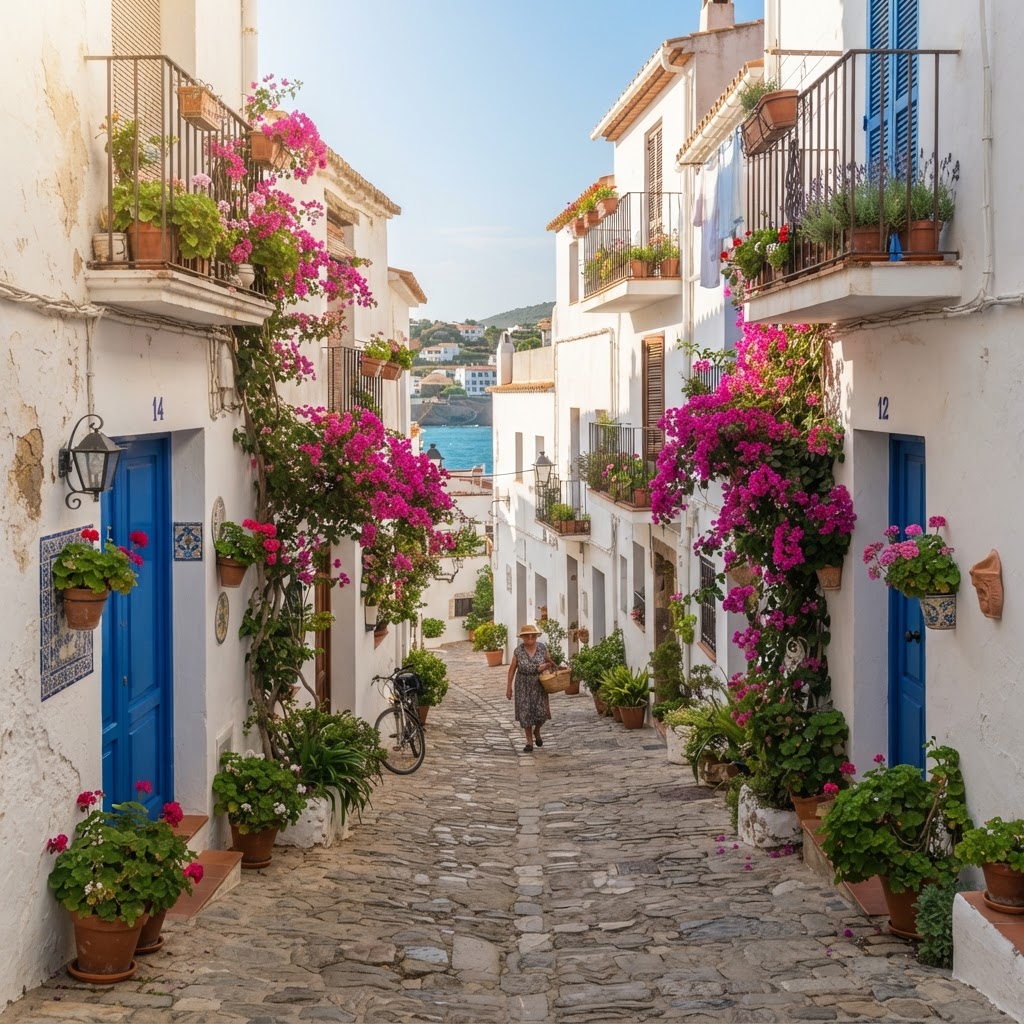
The Soft Side of Spanish Coastal Towns: A Slow Travel Guide
Slow travel in Spanish coastal towns involves prioritizing local rhythms, such as midday siestas and authentic family-run tavernas, over traditional tourist itineraries. By choosing one central base, walking or cycling to discover hidden calas, and engaging with community traditions, travelers can experience a deeper, more peaceful connection to the Iberian coast.
The Essence of Mediterranean Stillness
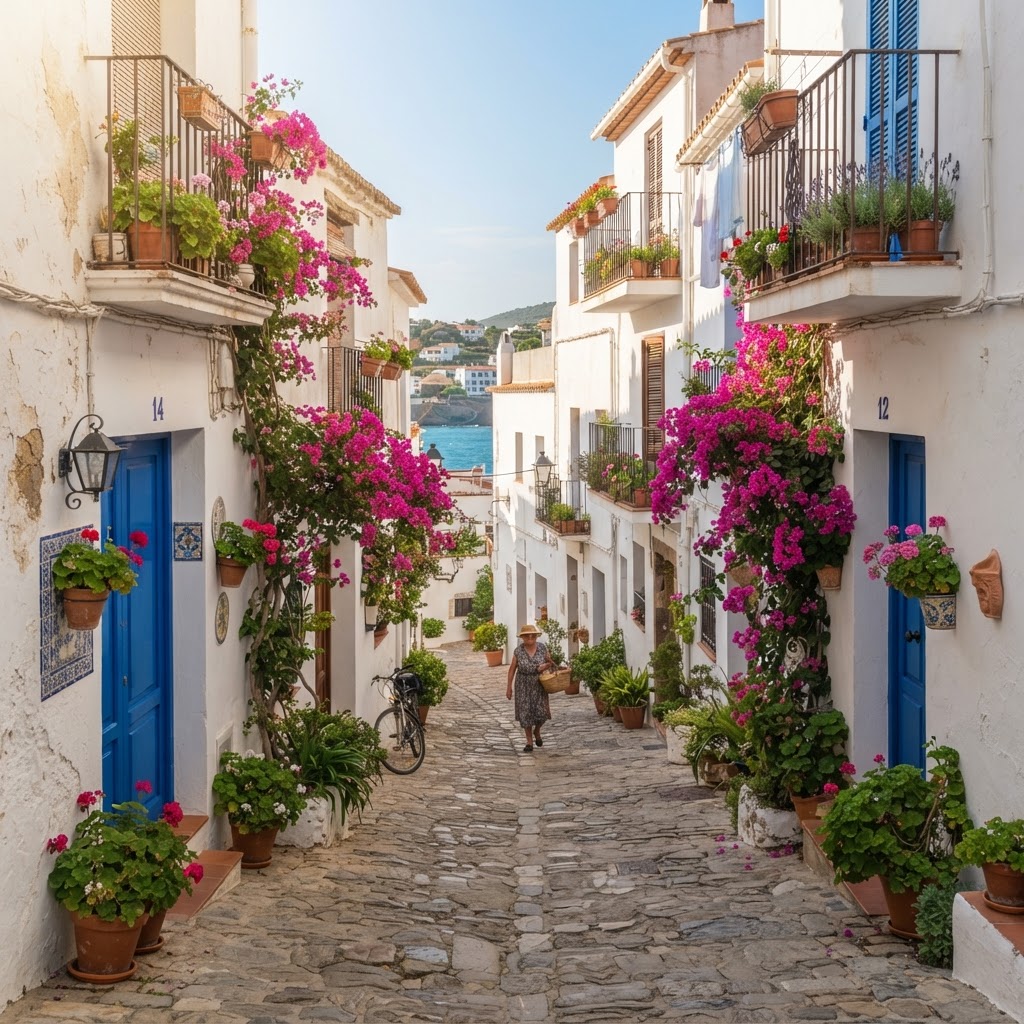
The true charm of the Spanish coast lies in its ability to force a deceleration of pace through geography and local lifestyle. In towns like Cadaqués in Catalonia or Altea in Alicante, the landscape dictates the speed; narrow, winding streets and steep, irregular pedestrian stairways naturally funnel visitors into a slower, more observational mode of movement. Research suggests that spending more than three nights in a single location increases visitor satisfaction by 40% because it removes the cognitive load of constant check-ins and travel logistics. This “soft side” manifests by prioritizing the quality of a single cup of local café con leche, typically costing between €1.50 and €2.50, over a packed schedule of crowded tourist landmarks. By intentionally choosing to walk rather than drive, you engage more deeply with the architecture and the silence of the mid-morning, allowing the environment to dictate your itinerary rather than a digital map. This deceleration is not just a preference; it is a fundamental shift toward mindful tourism that values presence over productivity.
Embracing the Local Rhythm
To experience this lifestyle, one must adopt the local schedule, specifically the traditional siesta. In many coastal villages, shops and small businesses close between 2:00 PM and 5:00 PM, a sacred period where towns collectively catch their breath. Rather than viewing this as an inconvenience, consider it an invitation to retreat to a shaded plaza, read a book, or enjoy a light lunch of local gazpacho. By aligning your clock with the town’s, you stop being an outsider and become a temporary part of the local tapestry.
Hidden Coves and Quiet Waters
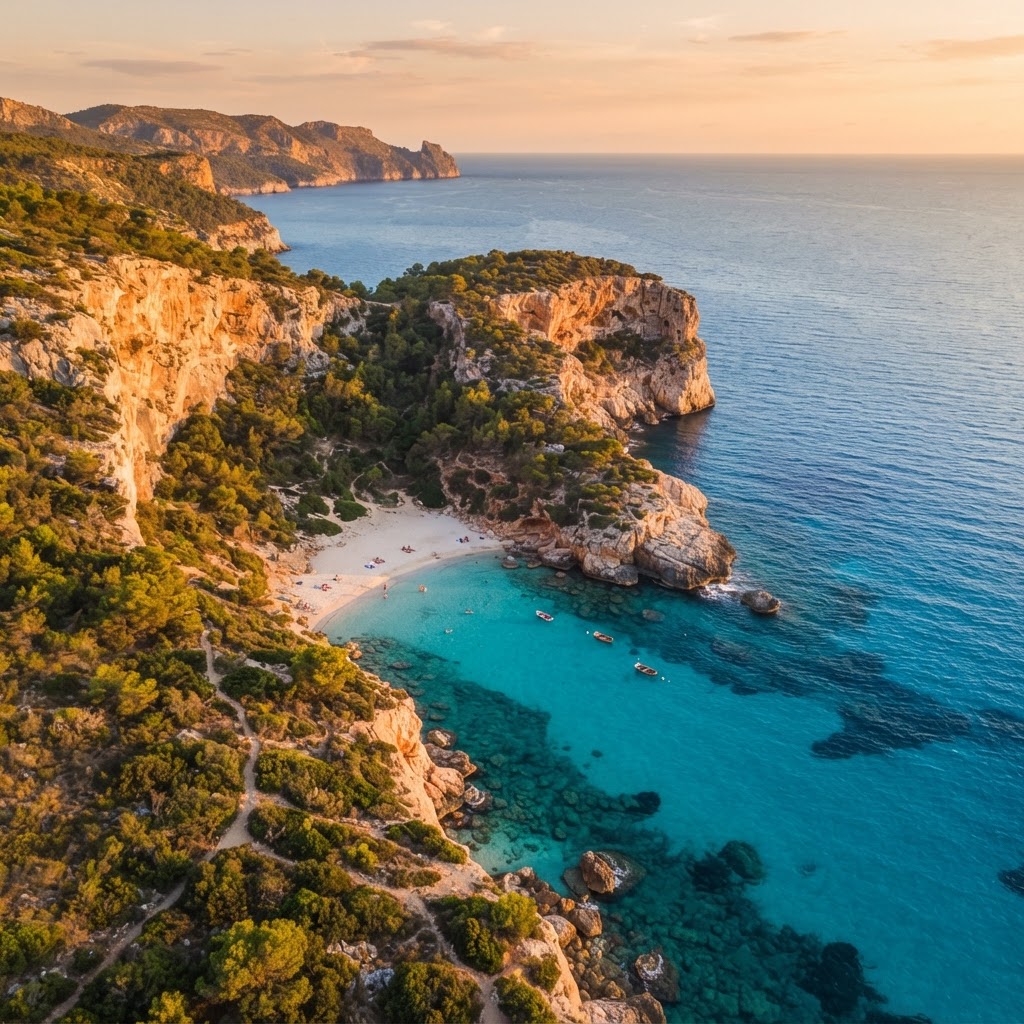
While the Costa del Sol experiences high tourist density, the softer side of the Spanish coast is found in “calas,” rock-rimmed coves that offer near-total solitude. These secluded spots are often only accessible by footpaths or narrow dirt roads, which naturally regulate the number of visitors at any given time. For instance, the Cami de Ronda in the Costa Brava spans over 200 kilometers of rugged coastline, connecting dozens of hidden beaches that lack basic commercial facilities. Because these areas lack beach bars and loud music, the ambient noise is limited to the rhythmic lapping of turquoise water against limestone cliffs. Visiting these coves before 10:00 AM or after 5:00 PM further ensures a private experience, as the limited access prevents the “day-trip” crowds from arriving. These locations are ideal for travelers looking to disconnect from digital noise and reconnect with the natural landscape. Whether you are swimming in the crystalline waters of Cabo de Gata or hiking the cliffs of the Brava, the lack of commercial intervention ensures a pristine experience that remains untouched by mass tourism.
Where to Find Serenity
- Costa Brava’s secret coves accessible only by the Cami de Ronda.
- The rugged, unmanicured beaches of Cabo de Gata in Almería.
Culinary Traditions Beyond the Tourist Menu
Authentic Spanish coastal cuisine prioritizes local sourcing and seasonal availability over the standardized menus found in tourist-heavy boardwalk restaurants. The soft side of gastronomy is centered in family-run tavernas, where the daily menu is determined by the “lonja” (local fish market) catches of the morning. In these establishments, you can expect to pay between €15 and €25 for a high-quality, authentic meal, often served with a personal explanation of the origin of the ingredients. The focus is on simplicity: fresh anchovies, grilled octopus, or seasonal vegetables grown in the surrounding “huertas.” Unlike internationalized tourist menus, these tavernas serve food as an extension of their cultural identity. The cook or owner often engages with guests, fostering a connection that makes the meal feel more like a home dining experience than a commercial transaction. By seeking out these smaller venues away from the beachfront main thoroughfares, you support the local economy directly while ensuring a significantly higher quality of ingredients. Look for signs that advertise “Menu del Dia” or ask your host for their favorite neighborhood spot to avoid the overpriced “tourist menus” that rely on frozen, mass-produced ingredients.
The Art of the ‘Vermut’
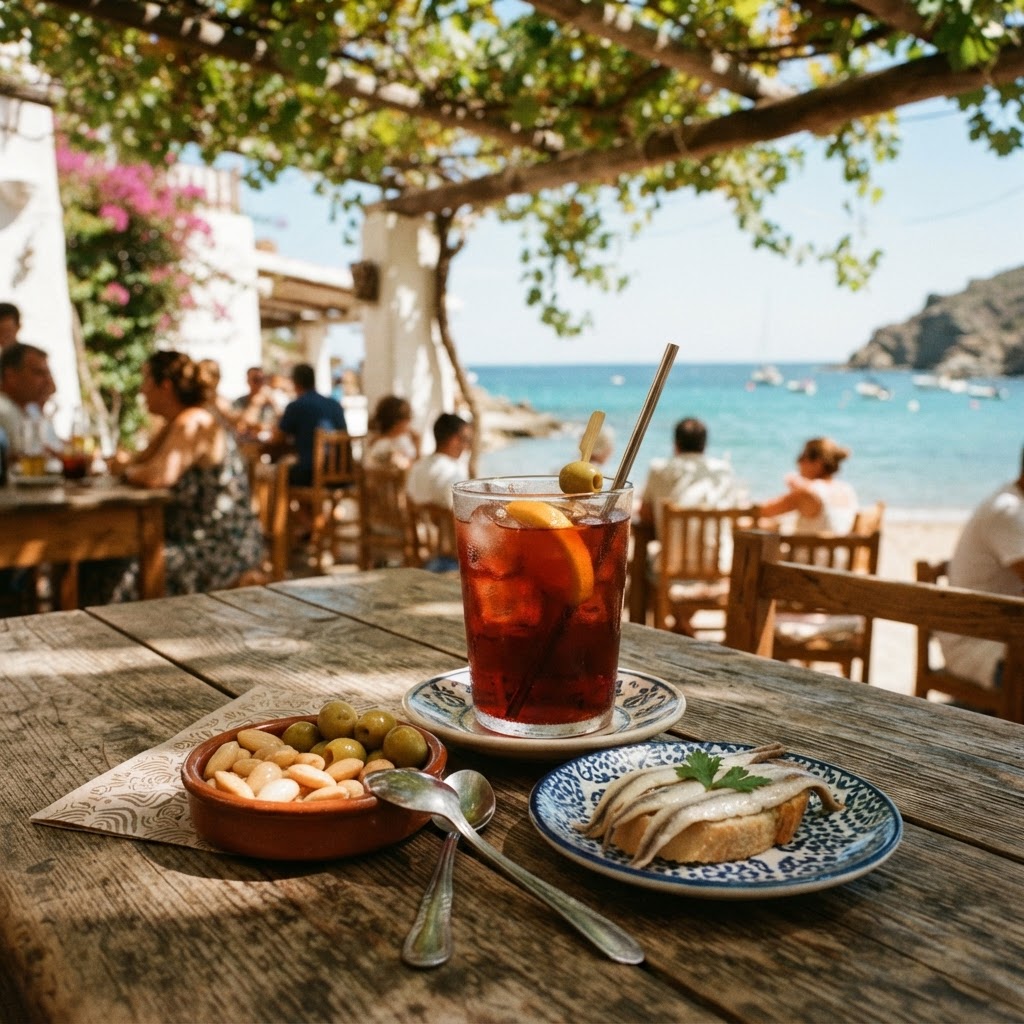
Before lunch, the ritual of the ‘vermut’ dominates local social life and serves as essential social glue. Residents gather in small bars to sip chilled vermouth, served with a splash of soda, an olive, and an orange slice. This pre-meal ritual, costing roughly €2.00 to €3.00, is accompanied by simple snacks like canned mussels (mejillones) or local boquerones. It is an unpretentious, deeply communal experience that defines the social spirit of these coastal enclaves.
Architecture and the Whitewashed Aesthetic
Southern Spanish coastal towns are architecturally defined by the Pueblos Blancos tradition, which emphasizes functionality, light, and heat management. The signature whitewashed walls and terracotta roofs are not merely for aesthetics; they are highly effective at reflecting intense solar radiation, keeping interiors cool during the peak of the Mediterranean summer. This architectural style, often complemented by vibrant bougainvillea spilling over doorways, creates a soothing, minimalist visual environment. Walking through these streets feels like moving through a gallery of light and shadow, where every turn reveals a perfectly composed scene of simple, elegant beauty. Designers note that the high walls and narrow streets create a “chimney effect,” channeling sea breezes into the town center, which provides a natural cooling mechanism that has been utilized for centuries. This design philosophy honors the environment by working with the climate rather than against it, resulting in a sustainable aesthetic that has remained largely unchanged for hundreds of years. The visual consistency of these towns provides a psychological sense of order and tranquility, which contributes significantly to the “soft” travel experience, allowing visitors to feel a sense of place that is rare in modern, high-rise coastal developments.
The Human Element: Local Traditions
What truly makes a Spanish coastal town welcoming is the high level of human connection found in small, tight-knit communities. In these towns, the local shopkeeper, the baker, and the postman form a network of daily interaction where everyone knows one another. Travelers who take the time to learn basic Spanish phrases, such as “buenos días” or “gracias,” are frequently rewarded with a level of hospitality that is hard to find in larger urban centers. This is not forced service; it is a genuine interest in the visitor that reflects a culture prioritizing human interaction over commerce. Local festivals often turn these towns into extensions of their residents’ living rooms. During patron saint days, the streets fill with music and shared meals, and visitors are frequently encouraged to observe or participate, provided they maintain a respectful demeanor.
Festivals and Community Life
Local festivals offer a unique, authentic insight into the cultural values that keep these communities cohesive. These events are deeply rooted in history and serve as a vital link between the past and present, allowing visitors to witness traditions that have been passed down through generations.
Practical Tips for the Slow Traveler
Traveling slowly requires a significant shift in logistics and expectation management. Instead of hopping between hotels every two days, choose one central location—such as an authentic “pension” or a small boutique hotel in a village—and branch out from there. This reduces travel fatigue and allows you to establish a routine that mirrors the local lifestyle. Use public bus networks, which in regions like Andalusia or Catalonia are highly reliable, or rent a bicycle to traverse coastal paths at your own speed. By staying longer in one place, usually a minimum of four to seven days, you gain the trust of local vendors and uncover hidden details that shorter stays never allow. This approach is not only more relaxing but also more environmentally friendly, as it reduces your carbon footprint associated with inter-city transport. Staying in one place allows you to “become a regular” at a cafe, which is the fastest way to get genuine recommendations for off-the-beaten-path locations from people who live there year-round.
FAQ
Q: What is the best time of year to visit Spanish coastal towns for a quiet experience?
The best time to visit is during the shoulder seasons of May, June, September, and October. During these months, the weather is pleasantly warm, but the heavy influx of summer tourists is absent, allowing for a much quieter and more authentic experience.
Q: Is renting a car necessary for a slow travel trip in Spain?
Renting a car is not strictly necessary and can often be a hindrance due to parking difficulties in narrow, historic streets. Using public transport or bicycles is highly encouraged to fully engage with the local rhythm and reach secluded coastal paths.
Q: How can I identify an authentic restaurant versus a tourist trap?
Look for restaurants that post a hand-written menu, do not have multi-language pictures of food outside, and are crowded with locals during lunch hours. Authentic spots prioritize seasonal ingredients and rarely focus on “paella” as their sole marketing tool.
Q: What should I pack for a slow travel trip to the Spanish coast?
Pack light with breathable natural fabrics like linen and cotton to handle the Mediterranean heat comfortably. Include a sturdy pair of walking shoes for cobblestone streets and a reusable water bottle, as the local tap water in most coastal towns is perfectly safe to drink.
Q: Are English speakers easily understood in smaller Spanish coastal villages?
While major tourist centers have high levels of English proficiency, smaller villages may have limited English speakers. Learning basic Spanish phrases is essential for building rapport and navigating daily interactions effectively in these quiet, traditional communities.
Leave a Reply