
Tuscany Countryside: Your Guide to Slow Travel
Slow travel in the Tuscany countryside is defined by immersing yourself in the region’s rural culture, seasonal food, and historic villages rather than rushing between tourist landmarks. By choosing a single “home base”—such as a traditional agriturismo—and prioritizing local experiences, you gain an authentic connection to Italy’s landscape, traditions, and community rhythms.
The Essence of Slow Travel in Tuscany
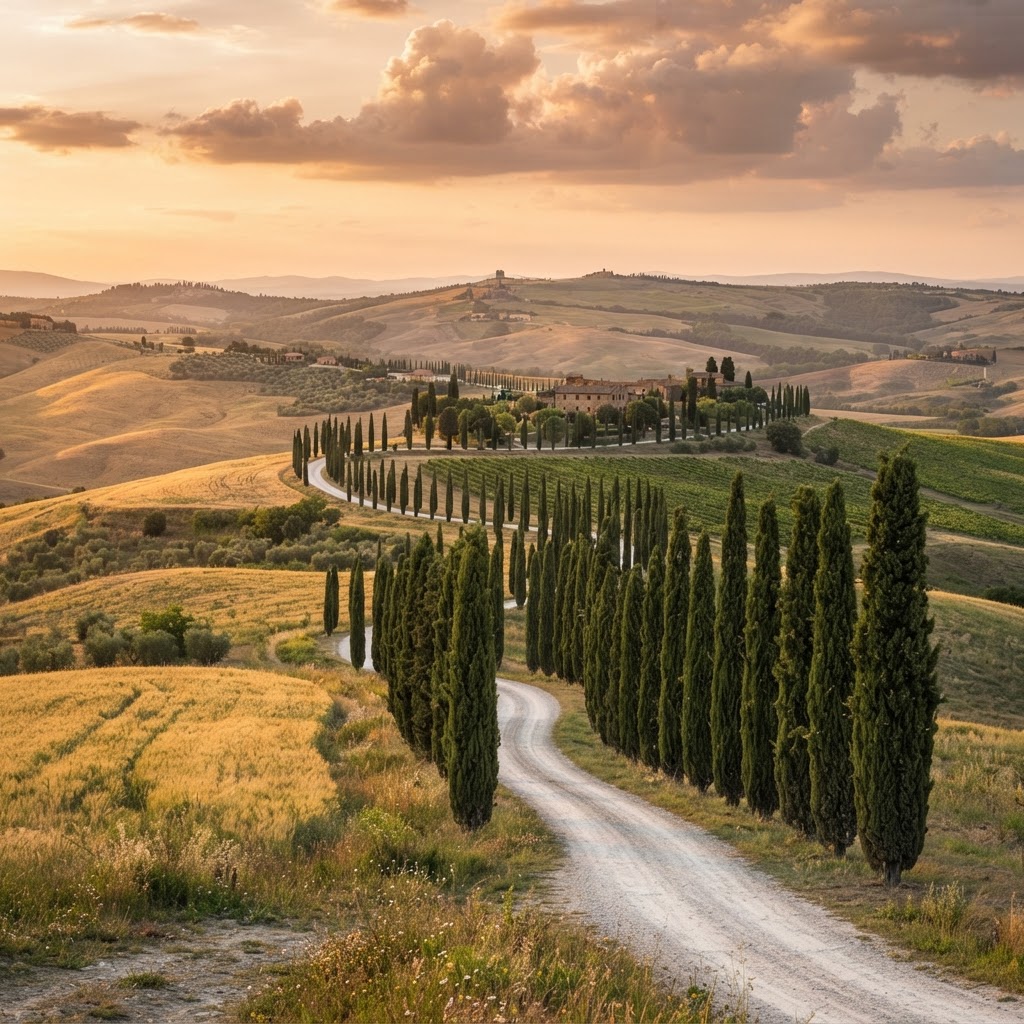
At its core, slow travel in the Tuscany countryside is about intentionality and replacing rushed sightseeing with meaningful, rhythmic daily habits. This philosophy shifts your focus from checking items off a list to observing the subtle shifts in light over the Val d’Orcia or identifying the distinct scent of jasmine in the afternoon. By staying longer in one location, you transition from a temporary visitor to a participant in local life, allowing for a deeper emotional and physical connection to the environment. The primary goal is to foster a sense of stability, permitting you to forgo the fatigue of constant packing and checking out of hotels. Choosing this approach also directly supports the local economy; when you spend your budget at family-run trattorias or neighborhood markets, you help preserve the authentic heritage of the region. This deliberate pace is the key to transforming a standard vacation into a truly restorative, transformative experience that prioritizes quality time over the quantity of locations visited.
Finding Your Rhythm
To adopt this lifestyle, you must first let go of the pressure to ‘do’ everything. Start by choosing one base for your trip, perhaps a villa or a small apartment in a hill town. From this central location, you can venture out on short, spontaneous explorations without the burden of constant packing and checking out of hotels. This sense of stability allows you to cultivate a routine—visiting the same baker, greeting the shopkeeper, and becoming a temporary part of the community.
Choosing the Perfect Agriturismo
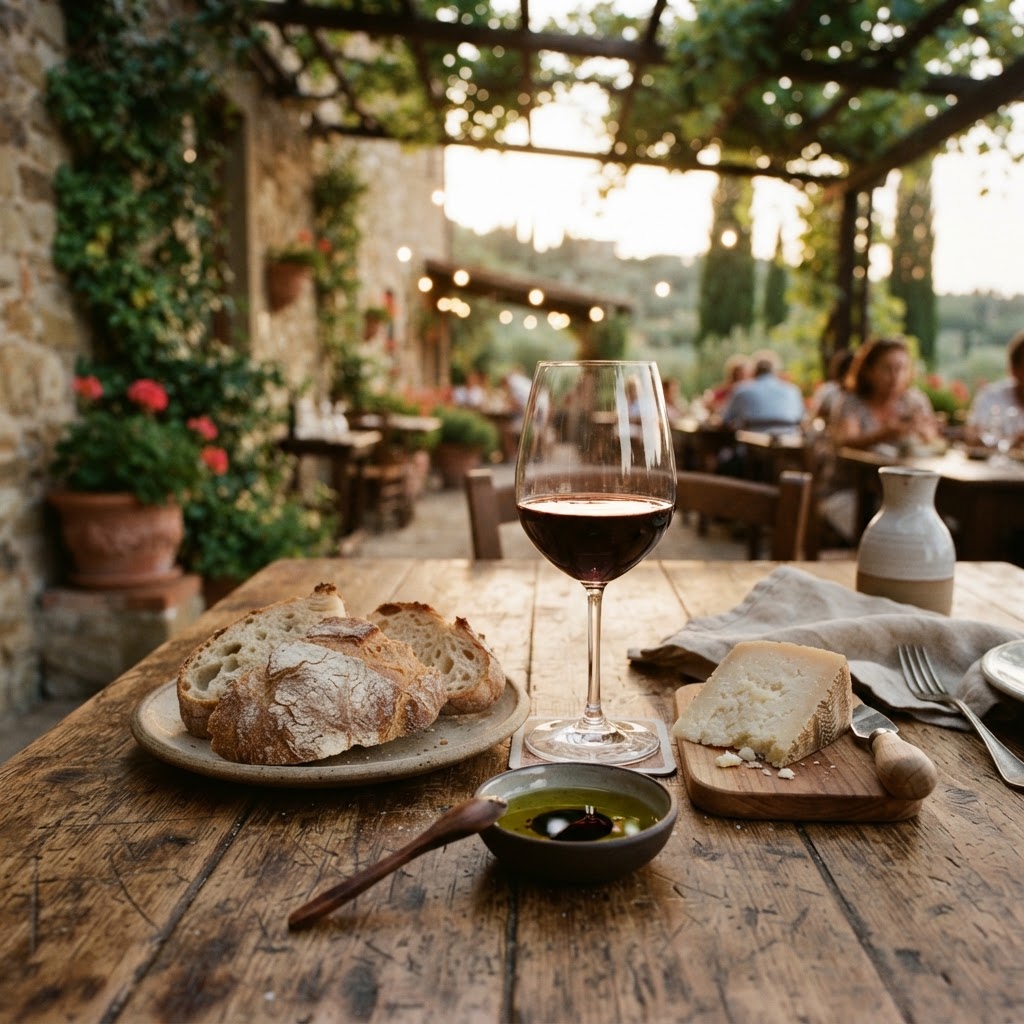
The quintessential slow travel experience in Tuscany is staying at an agriturismo, which serves as a working farm accommodation bridging the gap between agriculture and hospitality. These properties, often regulated by regional agricultural standards, allow guests to participate in the harvest or walk through centuries-old olive groves. When selecting the right property, look for those that host communal dinners, as these shared meals—often featuring ingredients grown on-site—are the heartbeat of the Tuscan experience. Prices for a stay at an authentic agriturismo typically range from €90 to €250 per night depending on the season and amenities. Choosing these family-run establishments ensures your travel spend is reinvested directly into the farm, helping maintain the rural landscape. Whether you wake to the sound of roosters or spend your evening on a patio overlooking a vineyard, these accommodations turn your lodging into an active, educational component of your travel itinerary. Authentic hosts will often invite you into the kitchen, providing an intimate glimpse into the regional agricultural calendar and the immense pride locals take in their soil and their produce.
Immersing Yourself in Local Culinary Traditions
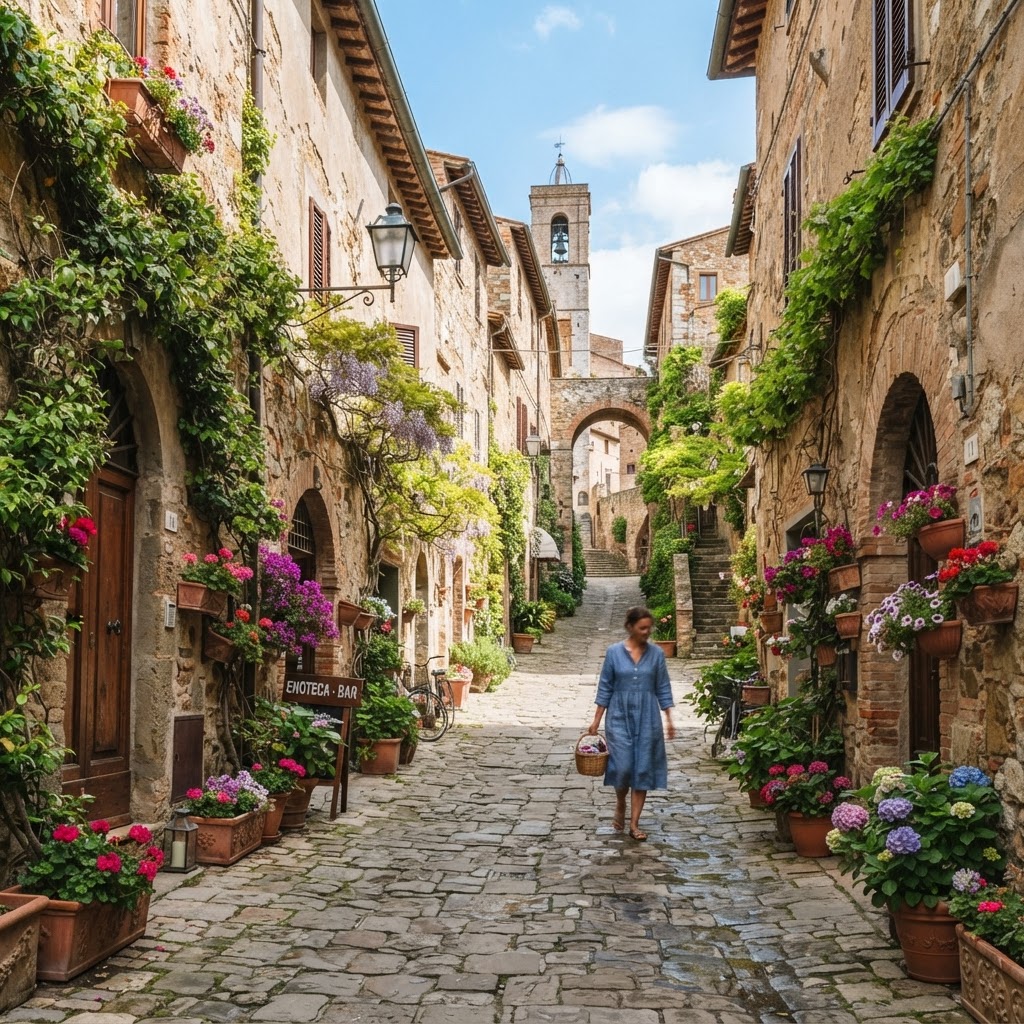
Food in Tuscany is a cultural cornerstone defined by simplicity, seasonality, and a commitment to the ‘farm-to-table’ movement that has persisted here for centuries. Rather than seeking out tourist-heavy restaurants with high digital ratings, the slow traveler prioritizes trattorias where the menu is dictated by the morning’s harvest. This approach ensures you are consuming the freshest possible regional specialties, such as Pienza’s Pecorino cheese or freshly pressed olive oil. Engaging with culinary traditions extends beyond dining; participating in hands-on cooking classes is an invaluable way to understand the patience required for traditional methods. For instance, learning to hand-roll pici pasta—a thick, irregular spaghetti—takes practice and provides a tangible souvenir of your trip. These workshops typically cost between €75 and €150 per person and often include a full meal paired with local Chianti wines. By understanding the provenance of your ingredients and learning the manual techniques behind Tuscan staples, you transition from a passive eater to an informed consumer of regional culture. This connection to the land and its culinary output is the defining element that makes Italian slow travel so deeply rewarding and memorable for international visitors.
Hands-on Cooking Classes
One of the most rewarding ways to engage with the culture is to participate in a traditional cooking class. Learn the patience required to roll hand-made pici pasta or understand the nuance of pairing local olive oils with fresh bread. These skills serve as lasting souvenirs, allowing you to bring a piece of the Tuscany countryside back to your own kitchen long after your trip concludes.
Exploring Tuscan Villages at a Leisurely Pace
Exploring the medieval hill towns of Tuscany at a leisurely pace reveals a hidden world of quiet charm, artisan workshops, and architectural beauty that hurried tourists often miss. Destinations like Pienza, Montepulciano, and Montalcino are best experienced by walking without a set itinerary, allowing you to stumble upon private courtyards and panoramic viewpoints. Instead of rushing to hit every museum, allocate at least one full day per town to truly appreciate its unique atmosphere and history. For example, in Pienza, you might dedicate an entire morning just to browsing local food markets for pecorino cheese and honey, while your afternoon might be spent simply hiking the surrounding ‘strade bianche’ (white roads). This method of travel creates space for the ‘passeggiata,’ the traditional evening stroll that remains a sacred ritual across Italy. Participating in this social walk allows you to align your personal pace with the community’s, moving away from digital distractions and into the tactile, social reality of the village. The key is to follow the sun and the season, letting your mood dictate where you wander, which ultimately leads to the most authentic and serendipitous discoveries in the Tuscan countryside.
The Art of the Afternoon Stroll
The ‘passeggiata’ is a sacred Italian ritual. It is a slow, relaxed walk taken in the late afternoon or early evening, where the entire village seems to participate. By participating in this, you align yourself with the local pace, stepping away from the digital world and into the tactile, social reality of the village.
Connecting with the Land: Hiking and Cycling
Physical engagement with the Tuscany countryside provides the most direct path to understanding the region’s diverse topography and agrarian landscape. Whether you opt for a strenuous mountain bike excursion or a meditative sunrise hike, moving through the landscape on your own power allows you to witness details that are invisible from a car. Many travelers now utilize e-bikes, which are ideal for navigating the steep, rolling hills of the Chianti and Val d’Orcia regions, allowing you to cover distances up to 30-40 kilometers without excessive physical strain. These trails offer access to isolated Romanesque chapels, sunflower-strewn fields, and ancient vineyards that remain hidden from the typical tourist routes. By choosing to hike or cycle, you are not merely getting exercise; you are observing the slow changes in the agricultural cycles and the specific micro-climates that give Tuscan wine and produce their distinct character. Always ensure you carry enough water and local maps, as cellular service can be intermittent in the dense forest paths and deep valleys between hilltop settlements. Embracing this level of physical activity fosters a profound appreciation for the sheer scale and natural beauty of Italy, turning every trail into a personal, quiet encounter with nature.
Seasonal Delights: When to Visit
Slow travel means appreciating the nuances of each season. Each time of year brings a different tempo to the Tuscany countryside:
By timing your visit around these natural cycles, you gain a deeper appreciation for the agricultural soul of the region. There is no ‘bad’ time to visit, only different opportunities to slow down and listen to the land.
Respectful and Sustainable Engagement
As you traverse this beautiful region, remember that you are a guest in someone’s home. Sustainable travel is about leaving no trace and respecting the residents. Be mindful of noise, support local artisans rather than souvenir factories, and prioritize public transport or shared travel where possible.
When you engage with locals, try to learn a few words of Italian. Even a simple ‘Buongiorno’ or ‘Grazie’ opens doors and breaks down the barriers between tourist and resident. It demonstrates a humility that is often lacking in the modern fast-travel culture.
FAQ
Q: What is the best base for a slow travel trip in Tuscany?
The Val d’Orcia region is widely considered the best base for slow travel due to its concentration of scenic hill towns like Pienza and Montalcino. Staying in this area provides easy access to iconic landscapes while maintaining a quiet, rural atmosphere perfect for long-term stays.
Q: How much should I budget for an authentic agriturismo stay?
You should expect to pay between €90 and €250 per night for an authentic, high-quality agriturismo experience. Prices vary based on the level of amenities, whether dinner is included, and the specific harvest season, with autumn being a premium time for food-focused travelers.
Q: Is it necessary to rent a car for slow travel in Tuscany?
While public transport exists between major hubs, renting a car is highly recommended for true slow travel. A vehicle gives you the freedom to reach remote agriturismos, visit small hill towns at your own pace, and explore the ‘strade bianche’ without relying on rigid bus schedules.
Q: What is the ‘passeggiata’ and why should I join in?
The ‘passeggiata’ is a traditional Italian evening walk where locals stroll through the main streets to socialize and enjoy the sunset. Joining this ritual is the easiest way to experience local community life and break down the barrier between tourist and resident.
Q: What are the most important items to pack for a slow travel trip?
Pack sturdy, comfortable walking shoes for the uneven cobblestone streets and trails, layers for shifting temperatures, and a physical map for navigating rural roads. Additionally, bringing a reusable water bottle and a small journal will help you stay sustainable and capture your experiences during quiet moments.
Leave a Reply