
Stepping into the rural heart of the Iberian Peninsula feels like crossing a threshold into a world where time slows down to the pace of the sun. While the grand cathedrals of Madrid and the bustling beaches of Barcelona draw millions, the true soul of Spanish villages remains hidden in the rugged hills of Andalusia, the lush green valleys of Asturias, and the sun-drenched plains of Castile. To capture the essence of these places is to understand a lifestyle built on history, community, and an unbreakable connection to the land. This guide takes you off the beaten path to explore the magic of rural Spain and how to preserve those memories forever.
The Timeless Appeal of Authentic Spanish Villages
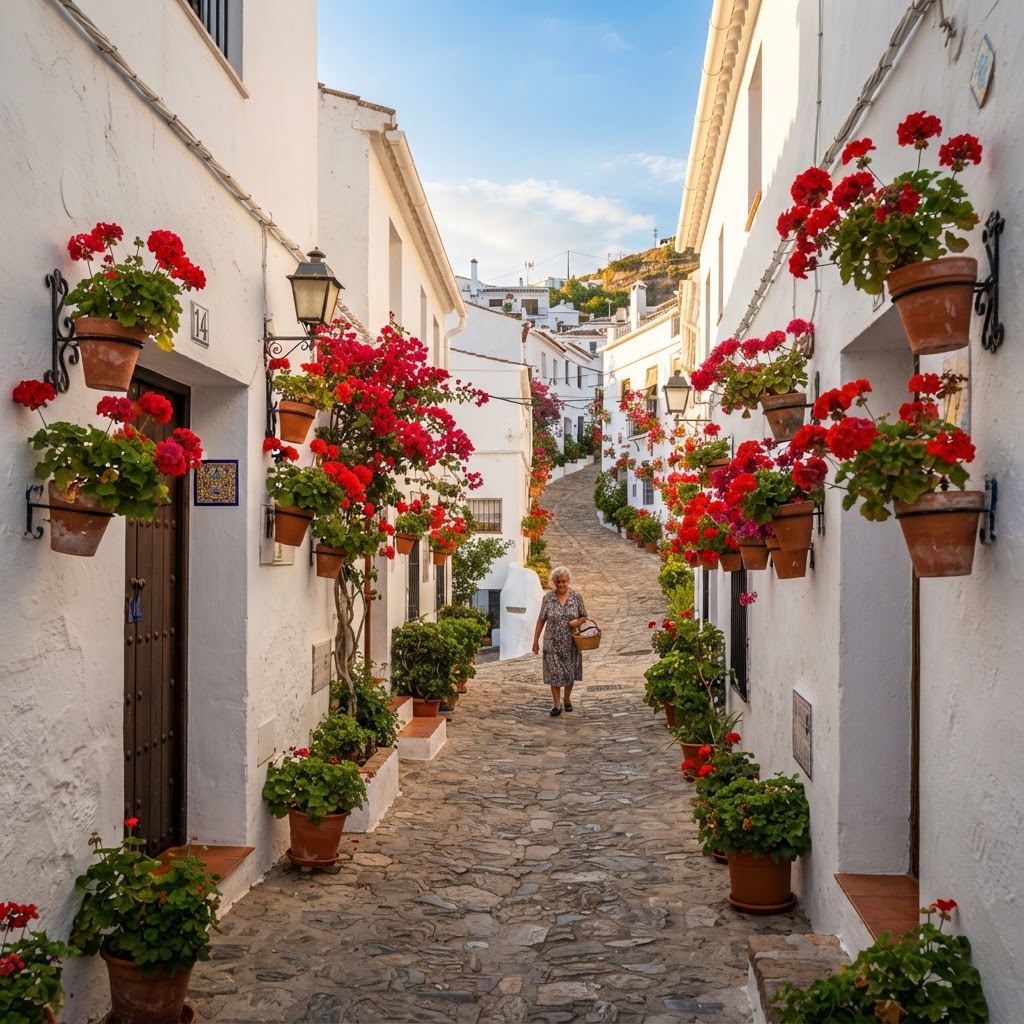
What is it that makes a Spanish village so magnetic? It is rarely a single landmark or monument. Instead, it is the cumulative effect of whitewashed walls, narrow cobblestone streets, and the scent of woodsmoke mingling with rosemary. These villages, often referred to as ‘pueblos,’ serve as living museums where Roman history, Moorish influence, and Christian heritage coexist in every archway and tiled courtyard.
Why Slow Travel Matters
To truly experience the soul of these regions, you must adopt the philosophy of ‘slow travel.’ This means putting away the map and letting curiosity lead the way. Instead of ticking off sites, focus on the rhythm of the village. Spend your morning at a local cafe watching the neighborhood gather, or take an afternoon walk as the church bells ring across the valley.
Essential Regions to Discover
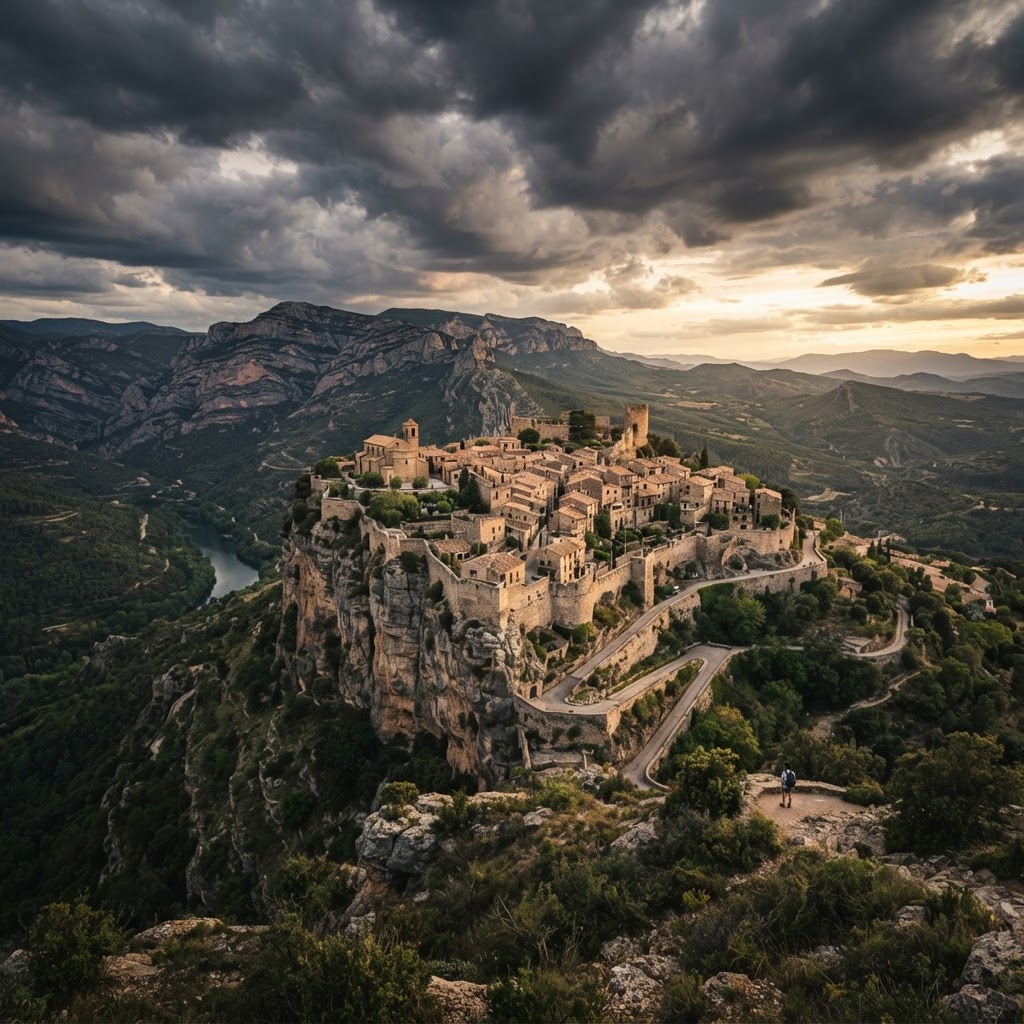
Spain is a land of immense geographical diversity, and this is reflected in the character of its villages. Each region offers a unique cultural flavor and architectural style that defines its local identity.
The Pueblos Blancos of Andalusia
The White Villages, or Pueblos Blancos, are perhaps the most iconic image of rural Spain. Perched precariously on limestone cliffs, these villages feature blindingly white facades designed to keep the heat at bay. Villages like Grazalema and Zahara de la Sierra offer dramatic vistas that have remained largely unchanged for centuries.
The Coastal Beauty of Galicia
In the north, the narrative changes entirely. Here, the villages are built of sturdy granite, often shrouded in Atlantic mist and surrounded by emerald-green pastures. The maritime traditions of the fishing villages along the Costa da Morte offer a rugged, authentic glimpse into a life defined by the power of the ocean.
Capturing the Atmosphere Through Photography
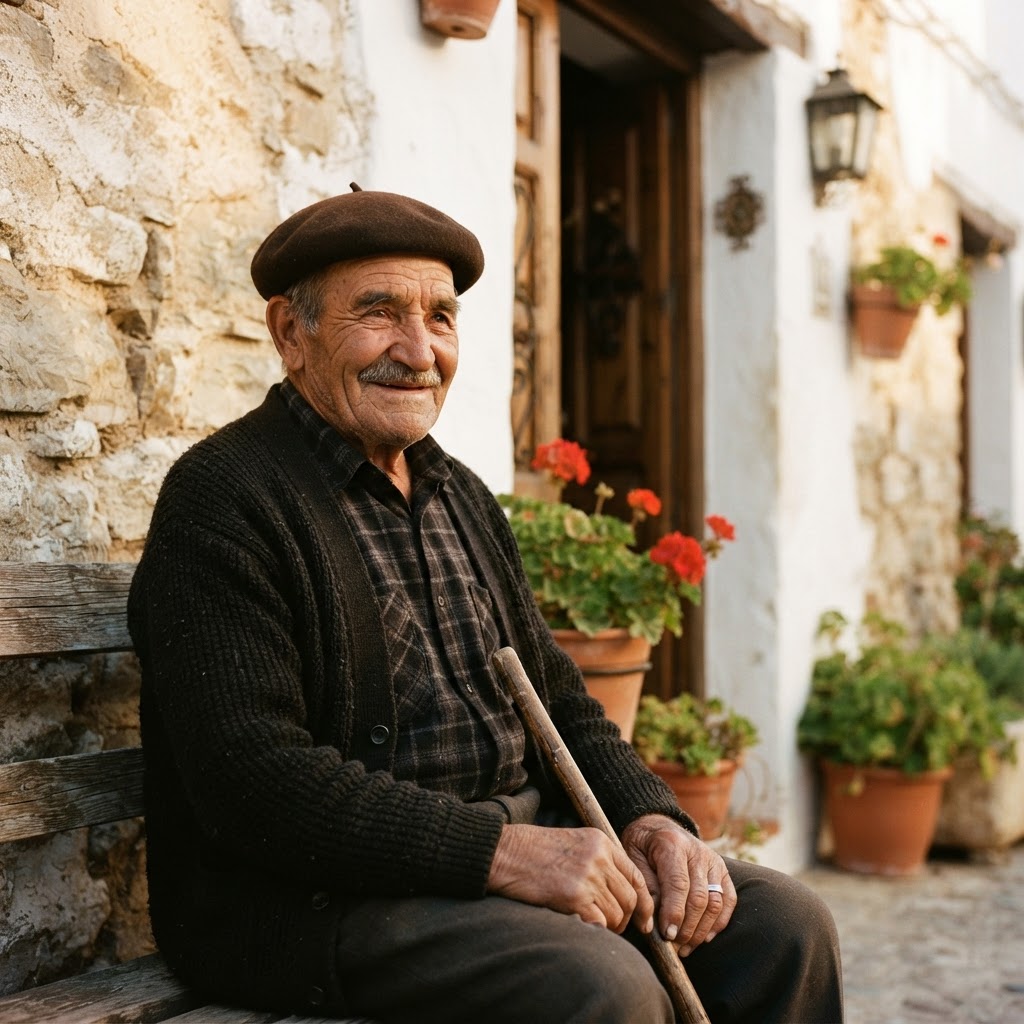
Photography is one of the best ways to document the soul of Spanish villages. However, capturing the true character of these places requires more than just a wide-angle lens. It requires patience and an eye for the small, human details that define daily life.
Tips for Authentic Street Photography
- Seek out the ‘Golden Hour’: The light in the late afternoon transforms the stone and lime of these villages, creating soft shadows that accentuate textures.
- Focus on Details: Look for the intricately painted ceramic house numbers, the overflowing flower pots, and the worn wooden shutters.
- Engage with Locals: Always ask before taking portraits. A smile and a simple ‘buenos días’ go a long way in gaining permission and capturing a genuine expression.
Immersing Yourself in Local Traditions
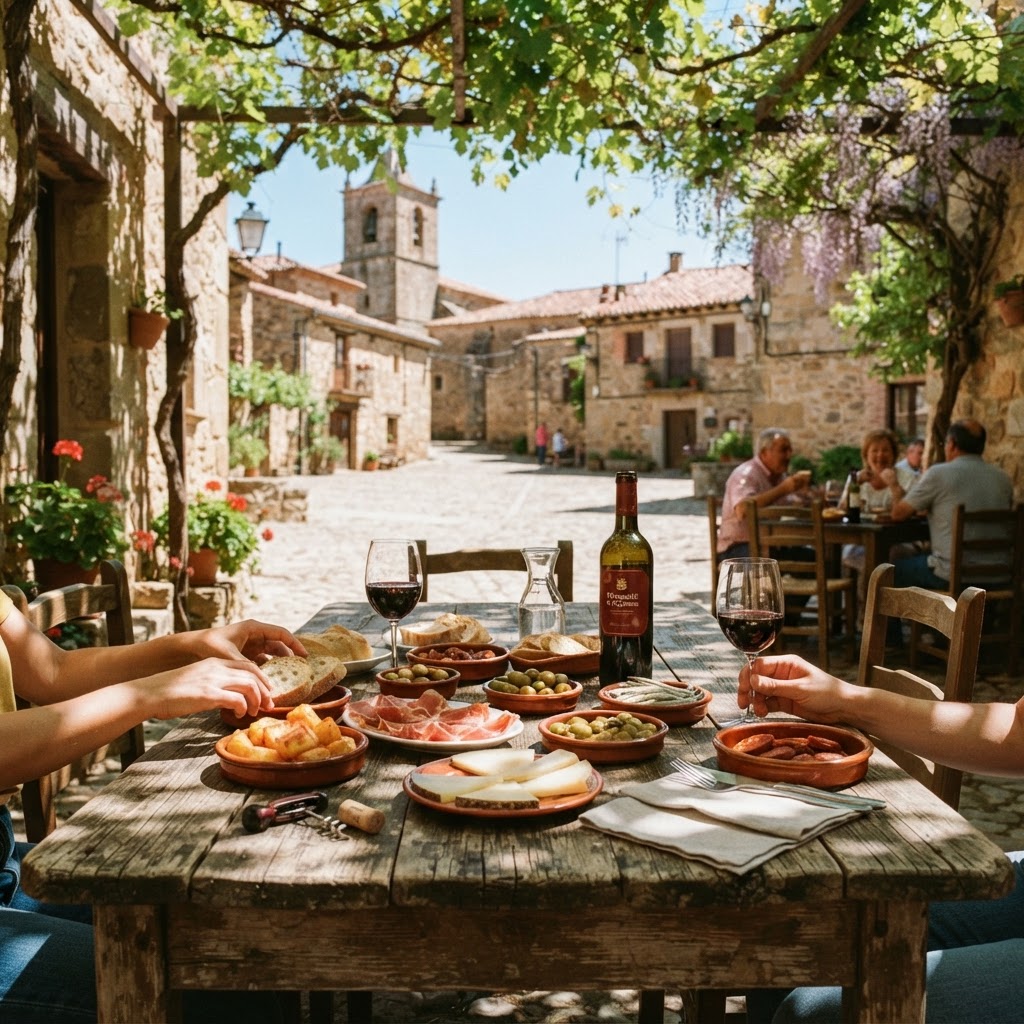
To understand the soul of a place, you must participate in its rituals. Spanish culture is deeply rooted in festivals, or ‘fiestas,’ which serve as the heartbeat of the community. From the boisterous celebrations of local patron saints to the intimate harvest festivals, these events are where you will find the real spirit of the people.
Gastronomy as a Cultural Bridge
Food is the universal language of Spain. Every village has its own culinary specialty, often protected by centuries-old recipes. Whether it is the slow-cooked stews of the interior or the fresh seafood tapas of the coast, sharing a meal is the fastest way to become part of the village fabric.
Understanding the Calendar
Researching a village’s calendar before you arrive is essential. Many of the most profound cultural experiences, such as Holy Week processions or local food fairs, occur on specific dates linked to the agricultural or religious cycle. Planning your trip around these events ensures you aren’t just an observer, but an active participant in the village life.
Practical Advice for Navigating Rural Spain
Navigating the rural landscape requires a bit more planning than moving between major cities. Public transport can be infrequent, making a rental car the most reliable way to access the truly hidden gems tucked away in the mountains.
The Importance of Language
While English is widely spoken in major hubs, it is less common in the deep countryside. Learning basic Spanish phrases is not only helpful for logistics, but it also signals respect to the local residents. It transforms you from a tourist into a guest.
Respecting the Pace
Remember that many shops and businesses in rural Spain adhere to the traditional siesta. Plan your activities accordingly, and use the mid-afternoon quiet time to relax or photograph the empty, tranquil streets when they are at their most poetic.
Preserving the Heritage of Spanish Villages
As the world modernizes, many of these historic villages face the challenge of depopulation. Responsible tourism plays a vital role in supporting these communities. By choosing local guesthouses, buying artisanal crafts, and dining at family-run establishments, you contribute directly to the survival of the village economy.
Sustainable Travel Habits
Being a responsible visitor means minimizing your footprint. Respect the quiet, keep to marked trails when hiking, and dispose of waste correctly. The beauty of these places is fragile, and it is our responsibility to ensure they remain vibrant for the next generation of travelers.
Conclusion
Capturing the soul of Spanish villages is a rewarding endeavor that forces us to slow down and appreciate the beauty of simplicity. By immersing yourself in the traditions, landscapes, and daily lives of these historic enclaves, you move past the surface-level attractions of travel and reach a deeper understanding of what makes Spain so uniquely captivating. The heart of this country is not found in its grand museums, but in the quiet, sun-drenched squares where time seems to stand still. Start planning your journey into the heart of Spain today; find a village, book a small local inn, and prepare to be transformed by the magic of the rural landscape.
[Explore our curated list of hidden Spanish villages and start your adventure now!]
Leave a Reply