
Stepping into an Andalusian courtyard feels like entering a secret sanctuary hidden from the bustling streets of southern Spain. These enclosed spaces, known as patios, are the heartbeat of traditional homes, masterfully blending soft, dappled light with an explosion of colorful flora. Whether you are looking for design inspiration or simply dreaming of a peaceful retreat, these spaces represent the pinnacle of Mediterranean living.
The History of the Andalusian Courtyard
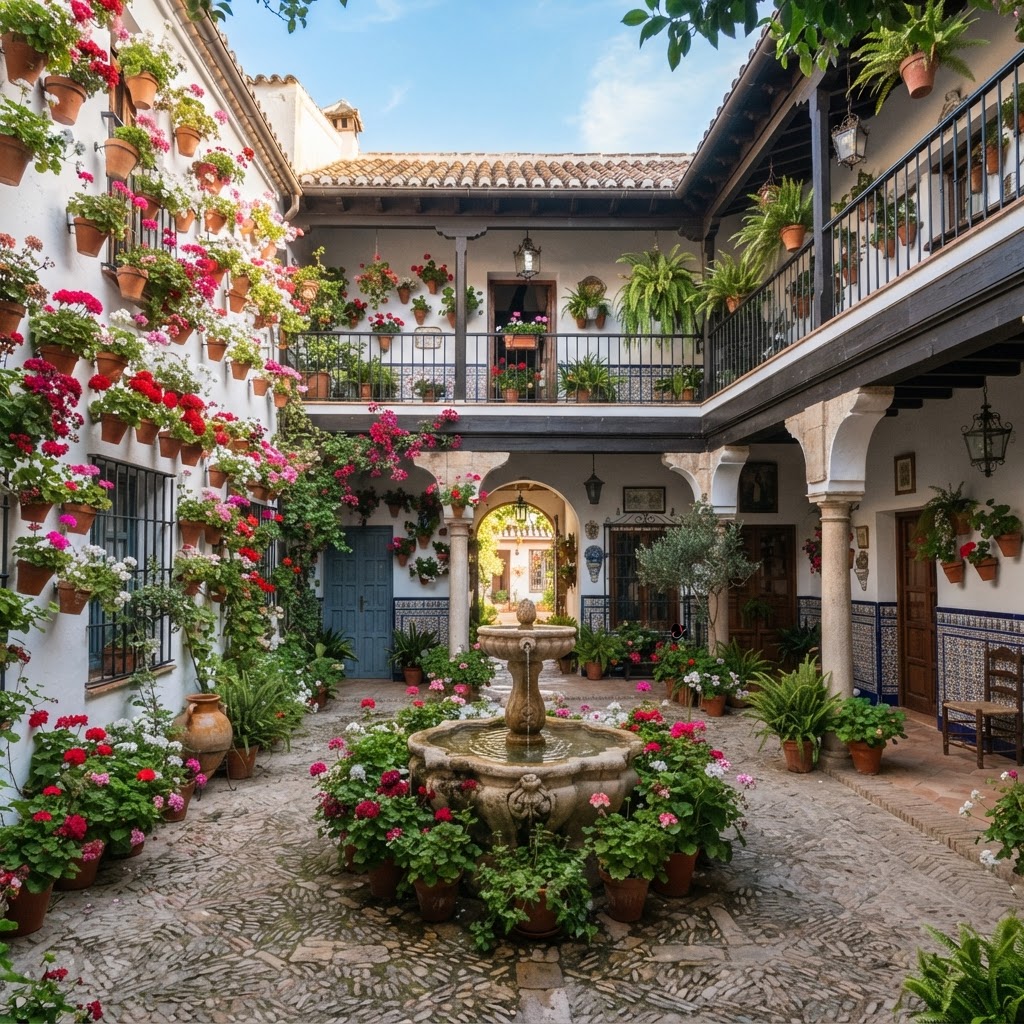
The origins of these spaces are deeply rooted in the Roman and Moorish traditions of the Iberian Peninsula. Historically, the courtyard served as a climate-controlled zone, protecting inhabitants from the intense heat while providing a central hub for family gatherings. As time evolved, the architecture became a refined expression of local identity, focusing on privacy, shade, and the cooling presence of water.
Modern enthusiasts often seek to replicate this historic charm in their own properties. By utilizing the principles of traditional Spanish design, homeowners can transform mundane outdoor areas into lush, verdant escapes that pay homage to centuries of culture.
Essential Elements of Design
To capture the true essence of an Andalusian courtyard, one must focus on the interplay between hard surfaces and organic growth. The classic layout features a symmetrical design, often centered around a fountain or a decorative well. This water feature provides essential humidity for the surrounding plants and produces a soothing acoustic backdrop that masks the noise of the outside city.
Walls are typically whitewashed, which helps reflect the bright sunlight into every corner. This brightness is softened by cascading vines, such as bougainvillea or jasmine, which climb stone columns and add dramatic textures to the minimalist backdrop.
Choosing the Right Flora
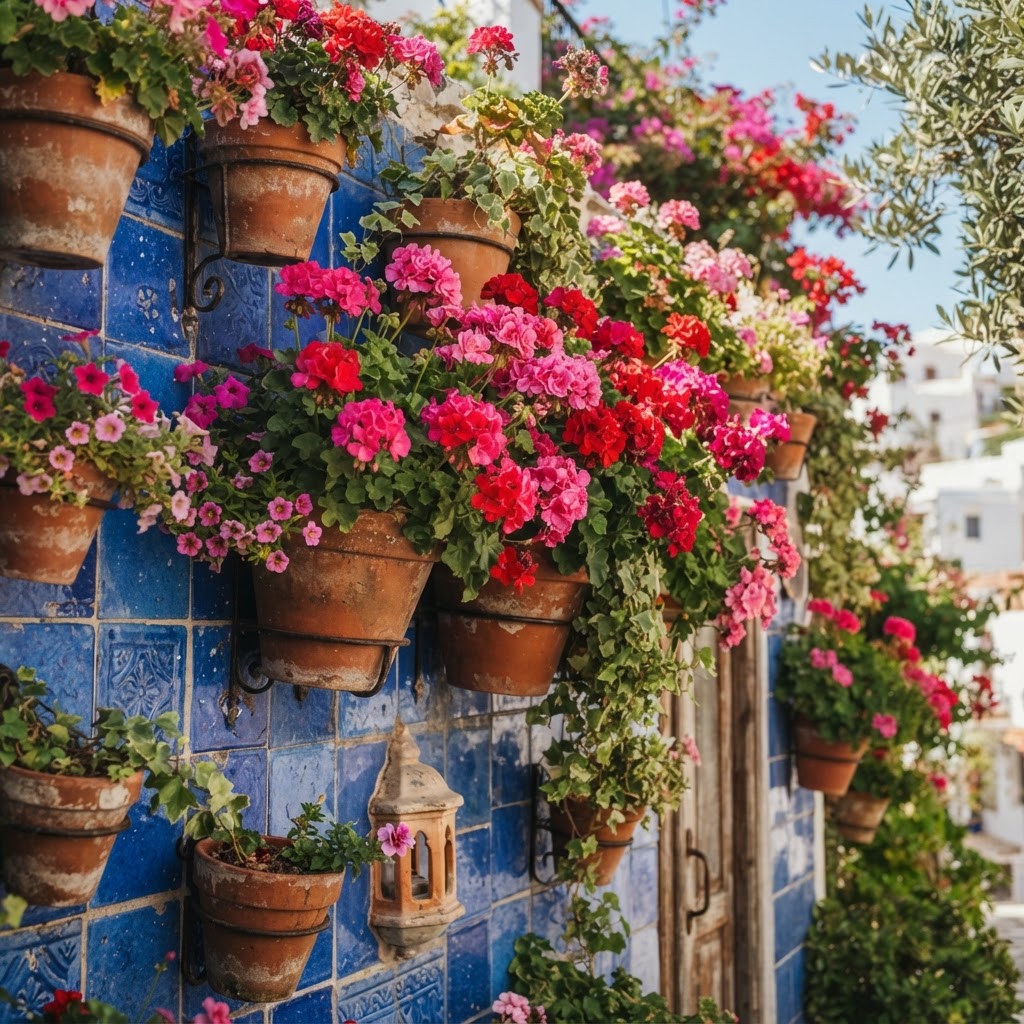
Plant selection is paramount. Pelargoniums, or geraniums, are the stars of the show in Andalusia, prized for their vibrant red, pink, and white blooms that thrive in terracotta pots. Hanging these pots on walls is a hallmark of the style, creating a vertical garden that draws the eye upward.
Other popular choices include carnations, roses, and ferns. These plants require varying levels of light and water, so planning your garden layout according to the sun exposure in your space is crucial for maintaining a healthy, flourishing collection.
Creating Soft Light and Atmosphere
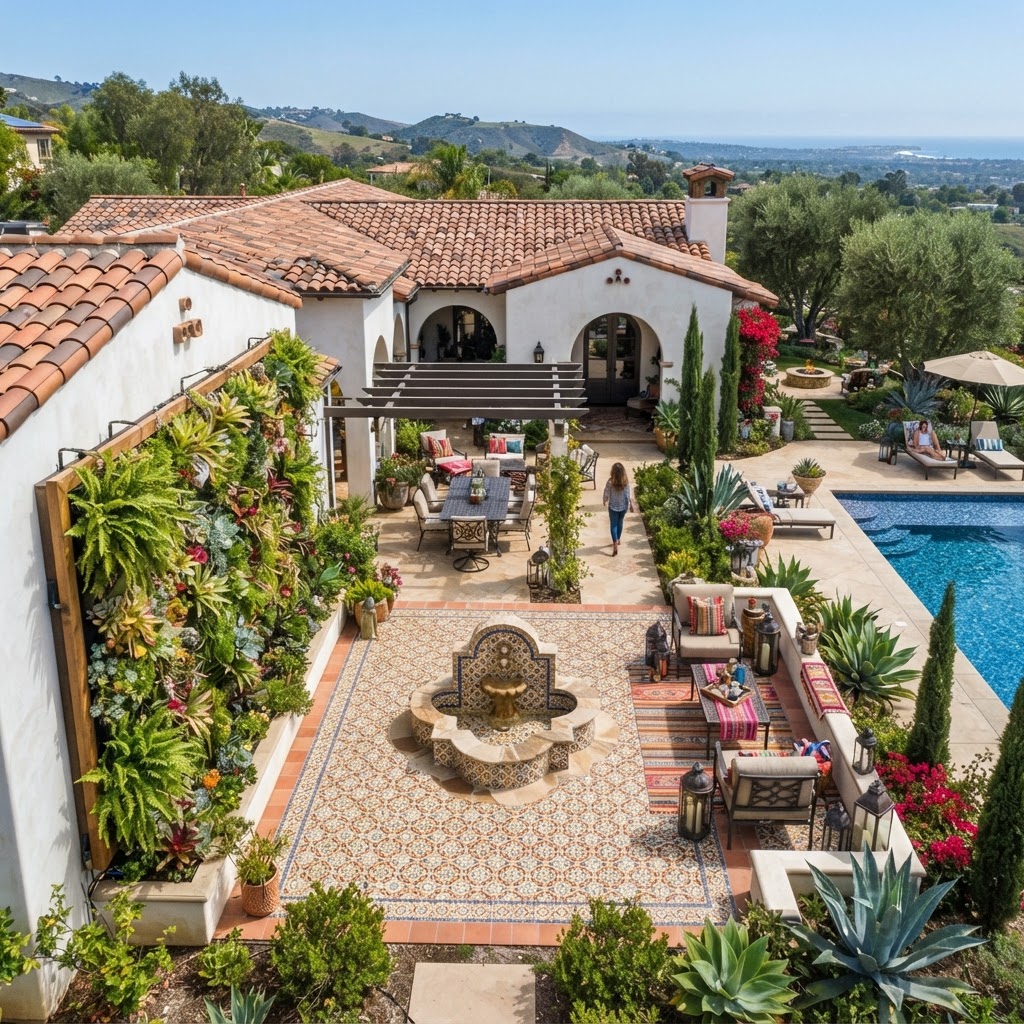
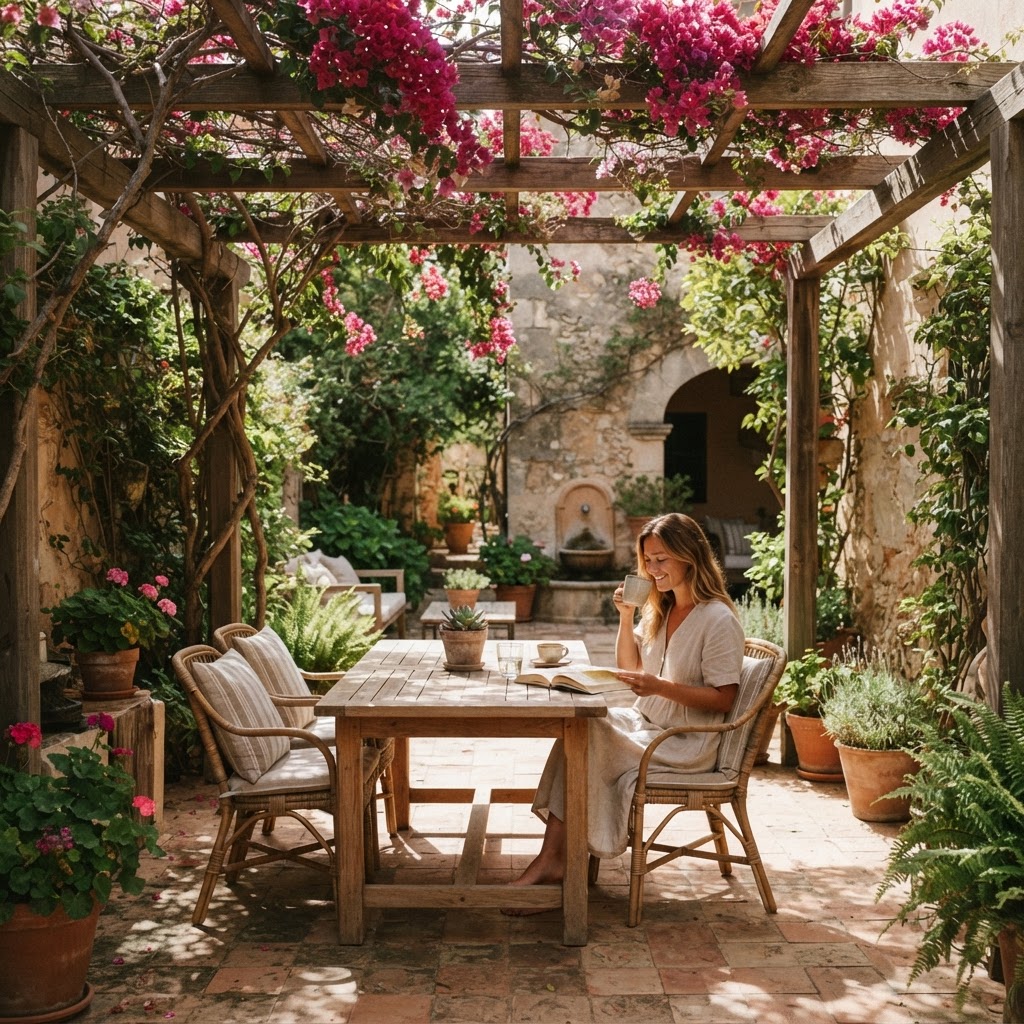
The unique quality of light in these courtyards is achieved through careful positioning. By using trellises, wooden pergolas, or even light fabric canopies, residents can filter the harsh midday sun into a gentle, golden glow. This technique not only protects delicate plants but also creates a comfortable environment for people to relax during the hottest hours of the day.
Why Is Lighting Important?
Lighting is not just functional; it is emotional. When light hits the leaves and petals, it creates intricate patterns of shadows on the paved floor. This interplay creates a sense of depth and mystery, turning even a small courtyard into a much larger, more inviting space.
Practical Maintenance Tips
Maintaining a space of such intense beauty requires dedication. Watering schedules should be strictly followed, especially during the summer months. Because many of the plants are kept in terracotta pots, they dry out faster than those planted in the ground, necessitating daily attention.
Regular pruning is also vital to keep the plants tidy and to ensure they do not overwhelm the architecture. By removing dead leaves and spent flowers, you encourage new growth and maintain the manicured aesthetic that is so characteristic of Spanish patios.
Modern Trends for Instagrammable Spaces
In recent years, the trend for these traditional courtyards has moved beyond Spain, becoming highly popular on social media platforms. People are increasingly drawn to the aesthetic of potted plant displays and tiled floors, seeking to replicate that perfect, “Instagrammable” look in their own homes.
Modern adaptations often include smarter irrigation systems that make the maintenance of these lush environments much more manageable. Designers are also experimenting with minimalist furniture that complements the rustic vibe without cluttering the limited floor space.
Protecting the Cultural Heritage
It is important to remember that these courtyards are more than just decoration. They represent a way of life that values communal harmony and environmental adaptation. Many cities in Andalusia hold annual festivals to celebrate the care and artistry involved in maintaining these spaces, ensuring that the knowledge is passed down to future generations.
Conclusion
Andalusian courtyards are a testament to the power of nature integrated into human dwelling. By focusing on the fundamentals of light, vertical planting, and water, you can create a beautiful garden oasis that brings peace to your daily routine. If you feel inspired to start your own project, begin by selecting a corner of your home and adding a few terracotta pots. Embrace the process and let your own sanctuary grow over time.
Leave a Reply