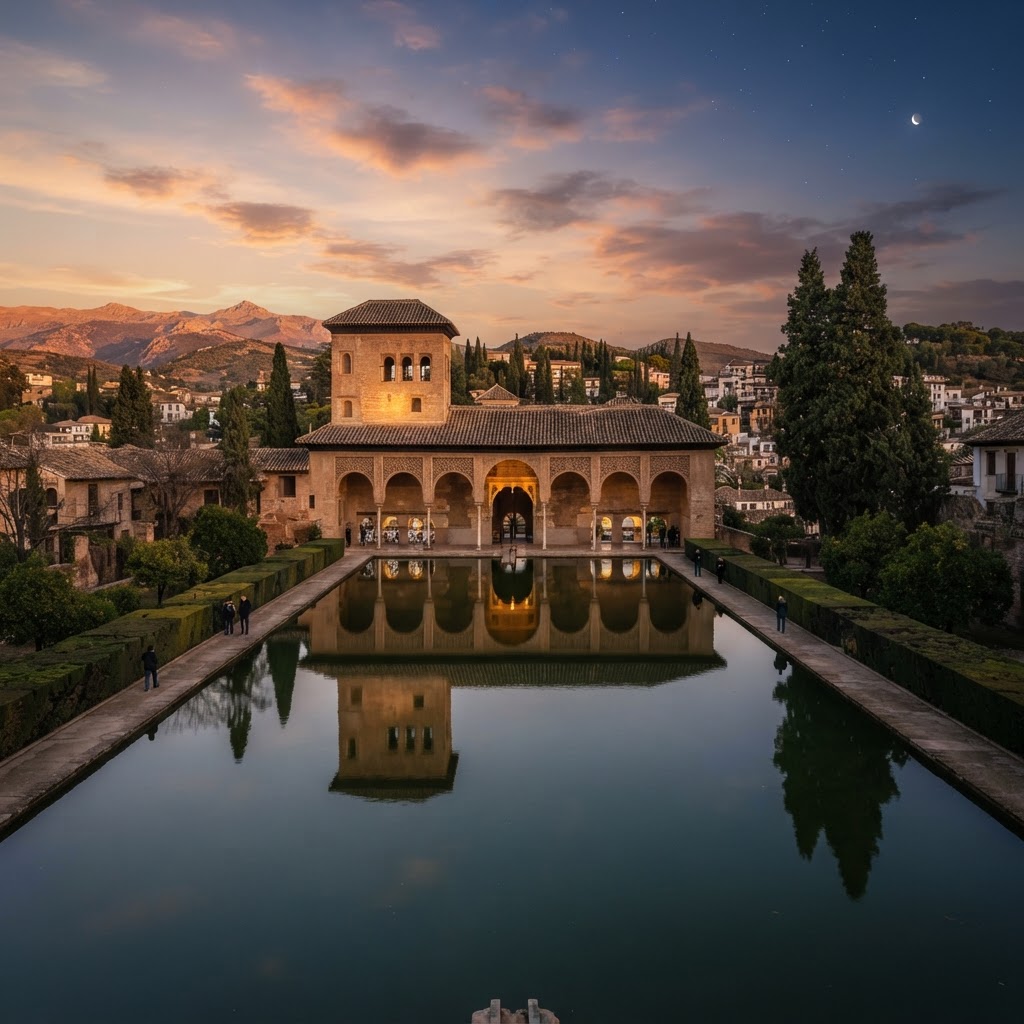
From the sun-drenched plazas of Andalusia to the jagged, modern skylines of its northern cities, Spain offers a sensory experience unlike any other. The country is a living museum, a tapestry woven with threads of Roman, Islamic, Gothic, and avant-garde influences. Understanding the architecture that makes Spain unforgettable requires looking beyond simple stone and mortar; it demands an appreciation for the stories of conquest, resilience, and artistic genius that define every archway and facade.
The Echoes of Al-Andalus: Moorish Splendor
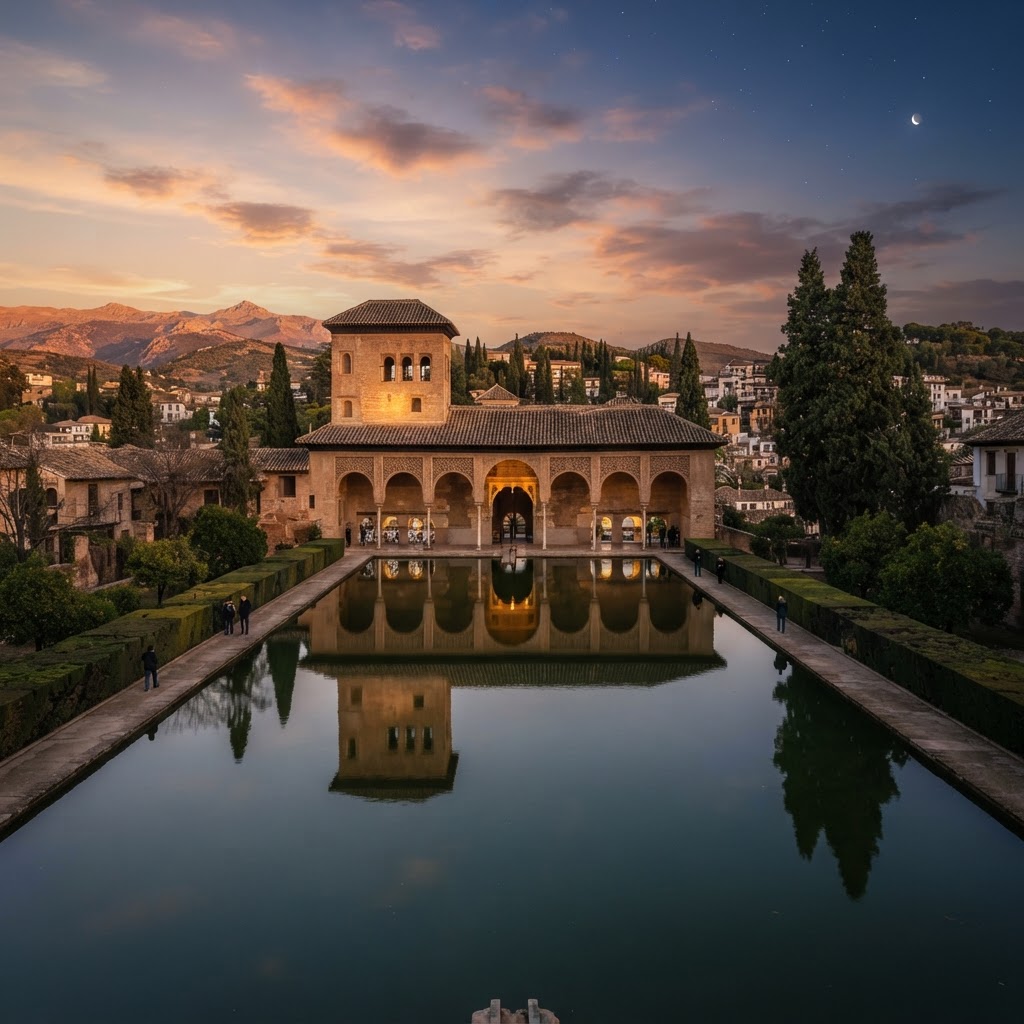
The story of Spanish architecture is incomplete without acknowledging the nearly 800 years of Moorish rule. Islamic artistry brought a focus on intricate geometric patterns, horseshoe arches, and the seamless integration of water and gardens into living spaces. The Alhambra in Granada stands as the ultimate testament to this period, where delicate stucco work meets the serenity of the Generalife gardens.
Geometric Precision and Tranquility
Unlike Western structures of the same era, which often prioritized external fortification, Moorish architecture looked inward. The focus remained on internal courtyards, creating private sanctuaries protected from the harsh Spanish sun. The use of zellige tiling and the rhythmic repetition of arches create an atmosphere of meditative peace that continues to captivate visitors today.
The Gothic Majesty of Spanish Cathedrals
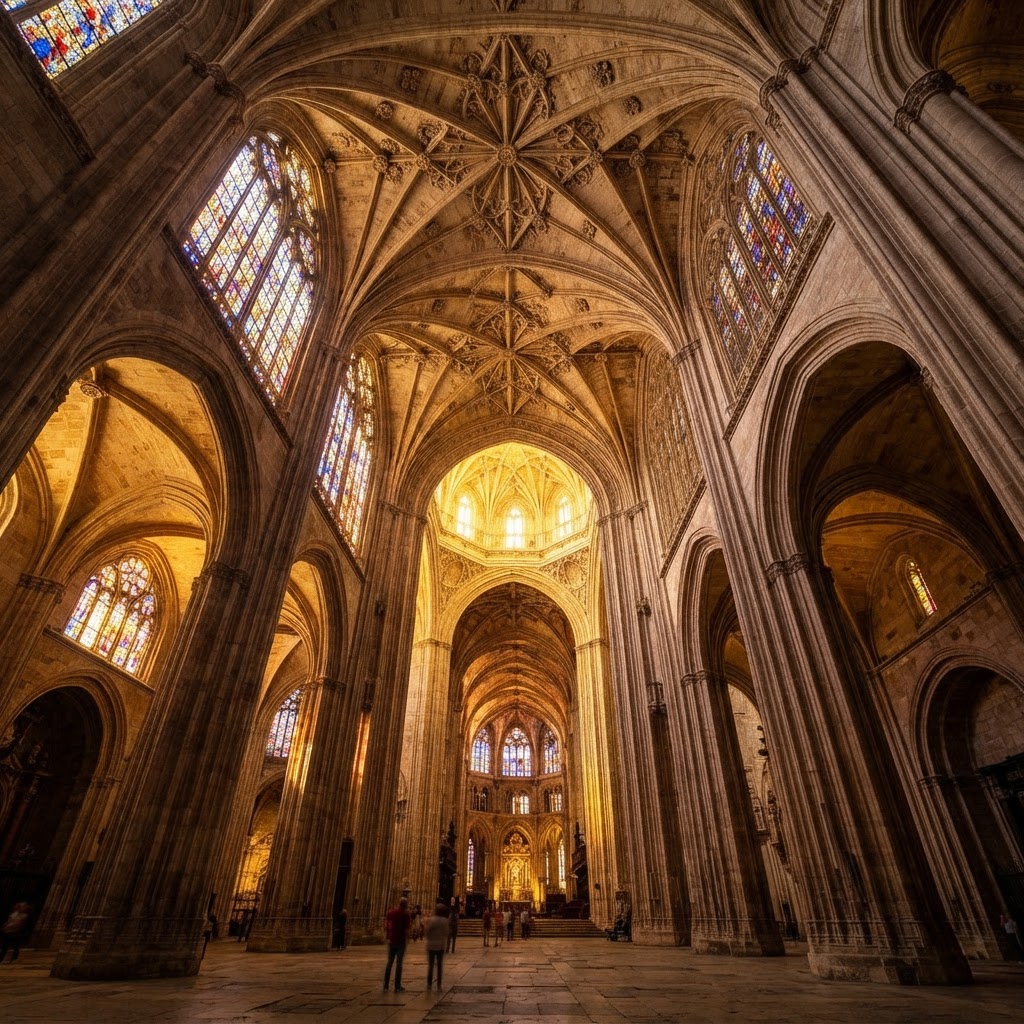
As the Reconquista unfolded, Christian rulers sought to assert their power through massive, awe-inspiring cathedrals. The Spanish Gothic style, however, developed a unique flair compared to its French counterparts. Architects here focused on wide interior spaces and horizontal grandiosity, as seen in the Seville Cathedral, which remains the largest Gothic cathedral in the world.
The Intersection of Cultures
What makes these structures particularly fascinating is the Mudéjar influence. Even after the fall of the Moorish kingdoms, Christian builders employed Islamic craftsmen. This resulted in a hybrid style where Gothic pointed arches sit alongside intricate wooden ceilings decorated with star-shaped patterns and calligraphy, a physical bridge between two civilizations.
The Visionary World of Antoni Gaudí
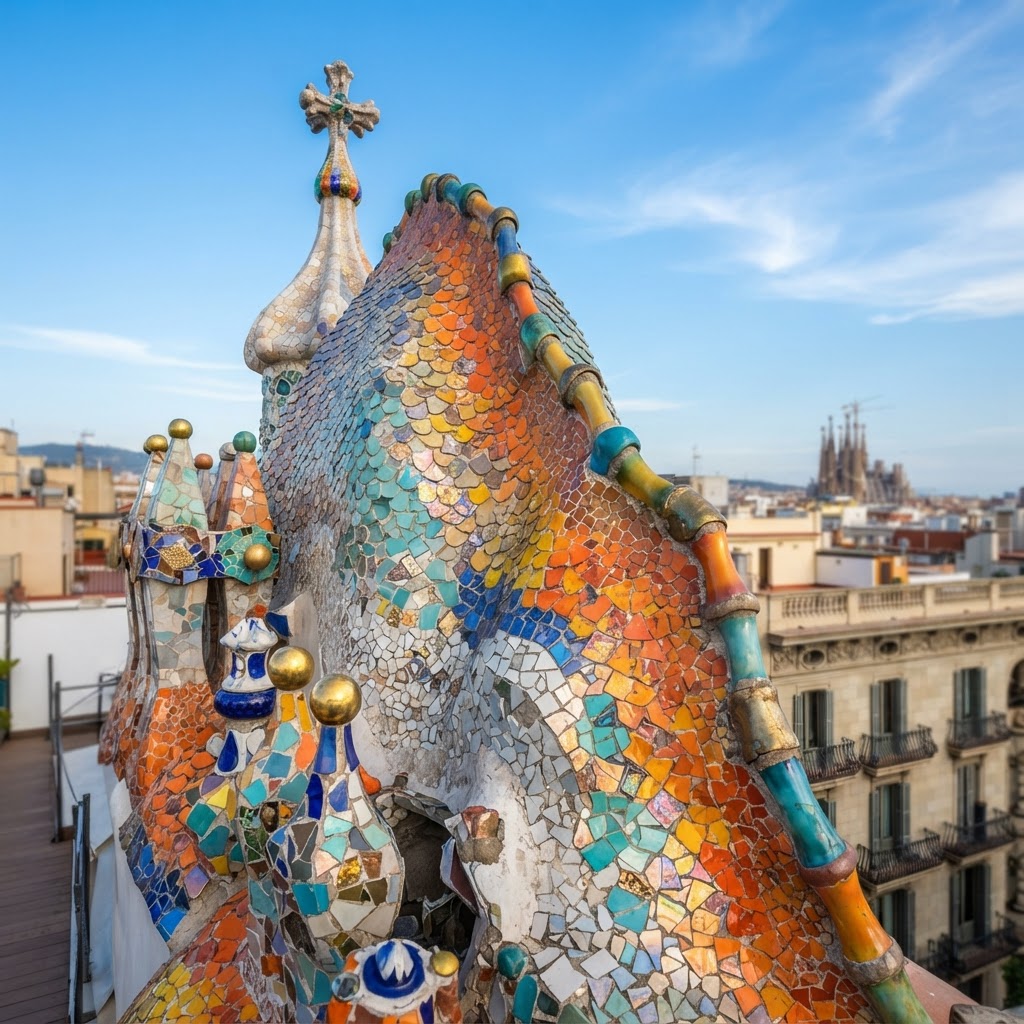
No discussion of Spanish architectural identity is complete without mentioning the man who redefined the skyline of Barcelona. Antoni Gaudí moved away from the rigid lines of traditional architecture, favoring organic forms inspired by nature. His buildings, like the Sagrada Família and Casa Batlló, feel as though they were grown from the earth rather than built by human hands.
Nature as the Ultimate Blueprint
Look closely at the columns inside the Sagrada Família; they resemble trees stretching toward a canopy. Gaudí rejected the straight line, believing that nature was the perfect geometry. By incorporating trencadís—a mosaic style using broken ceramic tiles—he brought color and texture to facades that would otherwise appear static. His work remains the primary reason millions flock to Catalonia every year.
Renaissance and Baroque Grandeur
Following the Gothic era, Spain embraced the Renaissance with a sense of imperial pride. The Palacio de Carlos V, located within the Alhambra complex, offers a stark contrast between Renaissance circularity and Moorish complexity. This period was characterized by symmetry, proportion, and the revival of classical Roman orders that mirrored the rise of Spain as a global power.
The Drama of the Baroque
As the 17th century dawned, the Baroque style arrived, bringing with it an explosion of drama, emotion, and ornate detail. Spanish Baroque architecture, or ‘Churrigueresque,’ pushed these boundaries to the extreme. Altarpieces and facades were covered in layers of intricate stone carving, designed to overwhelm the viewer and emphasize the power of the church and the crown.
The Modernist Movement and Beyond
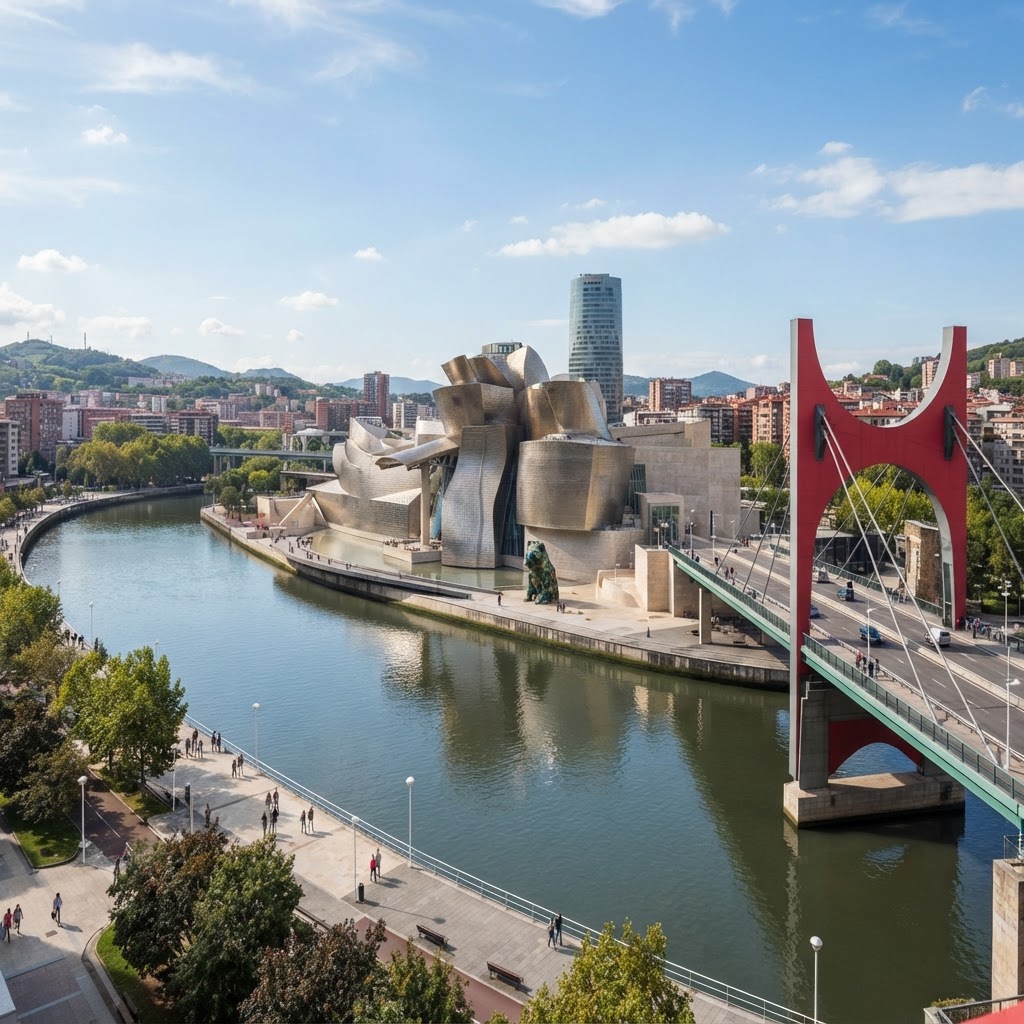
In the 20th and 21st centuries, Spain transitioned into a hub of contemporary design. Architects like Santiago Calatrava and Frank Gehry have contributed to this evolution, transforming industrial cities like Bilbao into cultural beacons. The Guggenheim Museum in Bilbao, with its titanium curves, reflects the city’s transition from a dying industrial port to a center of global art.
Sustainable Design in a Changing Climate
Modern Spanish architects are now tasked with a new challenge: respecting the climate. By looking back at ancient techniques like thick walls and passive cooling, while utilizing smart glass and recycled materials, they are creating a new architectural language. This ensures that the tradition of innovation continues to thrive in a modern, environmentally conscious era.
Why Spain’s Architectural Legacy Matters
Spain’s architecture is not just about the buildings; it is about the preservation of identity. Every arch, dome, and balcony tells a story of the people who inhabited these lands. It acts as a visual timeline, allowing residents and travelers alike to touch the history of the Iberian Peninsula. Protecting these sites is an investment in human culture, ensuring that future generations can experience the same awe that we feel today.
Tips for Exploring Spanish Architecture
If you are planning to visit Spain to view these landmarks, preparation is key. Here are some quick tips to make the most of your architectural tour:
- Book in advance: Tickets for the Sagrada Família and Alhambra sell out weeks ahead.
- Hire local guides: They provide context that plaques cannot match.
- Visit during ‘Golden Hour’: The late afternoon light highlights the textures of sandstone and ceramic tiles.
- Explore the smaller towns: While the big cities hold the famous sites, smaller towns often have hidden Roman ruins and medieval plazas that are far less crowded.
Conclusion
The architecture that makes Spain unforgettable is a reflection of its soul—passionate, layered, and deeply connected to its past while constantly reaching for the future. From the intricate zellige tiles of a Moorish courtyard to the soaring, tree-like spires of a modern masterpiece, every structure invites you to look closer. We encourage you to plan your journey, take the time to wander through the narrow streets of the old quarters, and let the stone, steel, and light tell you their story. Which of these styles are you most excited to see in person? Share your thoughts below and start planning your Spanish adventure today!
Leave a Reply