
Spain is a living museum, a country where every cobblestone street and towering cathedral whispers stories of civilizations past. From the intricate geometry of Islamic design to the avant-garde curves of modern marvels, the architecture that makes Spain unforgettable is as diverse as the regions themselves. Whether you are a history buff, a design enthusiast, or simply a traveler looking to be awed, Spain offers an unparalleled visual feast.
The Echoes of Al-Andalus: Moorish Influence
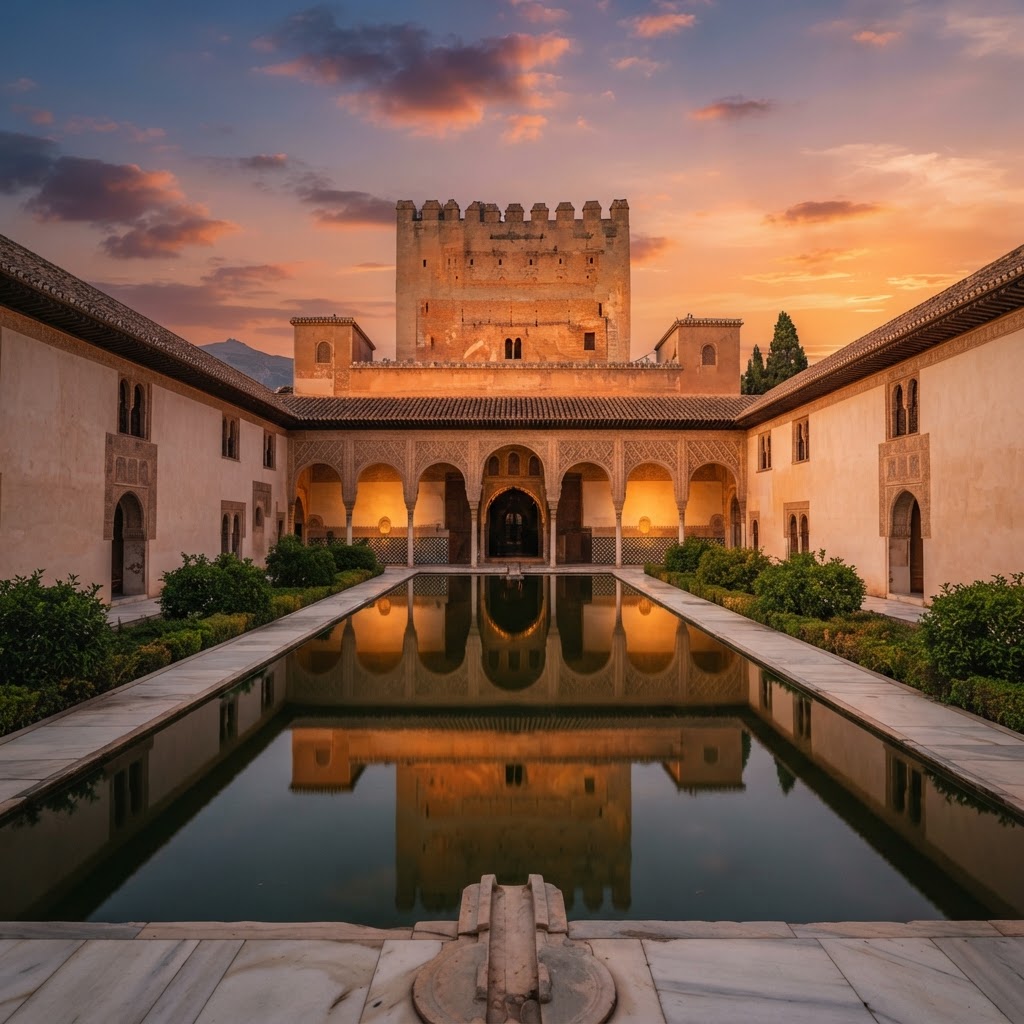
To understand Spanish aesthetics, one must start in the south. The Moorish occupation left an indelible mark on the landscape, particularly in Andalusia. This style is characterized by intricate tilework, horseshoe arches, and lush interior courtyards that emphasize serenity and cooling shade.
The Alhambra: A Poetic Masterpiece
The Alhambra in Granada is perhaps the pinnacle of this period. Its delicate stucco carvings and reflective pools create a dreamlike atmosphere. It is not just a palace but a sensory experience that defines the cultural identity of southern Spain.
The Mezquita of Córdoba
Another essential stop is the Mezquita of Córdoba. The forest of candy-cane arches inside the mosque-cathedral hybrid is a testament to the layers of history that define the peninsula. This building captures the complex dialogue between different religions and artistic styles over centuries.
Gothic Grandeur and the Spiritual Sky
As the Christian kingdoms expanded southward, the architectural language shifted toward the soaring heights of the Gothic style. These cathedrals were built not just for worship, but as symbols of immense power and civic pride. The sheer verticality of these structures transformed the skylines of medieval cities.
Seville Cathedral
The Cathedral of Saint Mary of the See in Seville is the largest Gothic cathedral in the world. Its massive scale is overwhelming, featuring a bell tower that was originally a minaret, showing the constant recycling of space in Spanish architecture. Visiting these cathedrals requires a sense of patience to absorb the dizzying details carved into stone.
The Renaissance and the Plateresque Style
As Europe entered the Renaissance, Spain developed a unique variation known as Plateresque. This style is famous for its extremely intricate, silver-like ornamentation on facades. It is as if the builders were working with metal rather than stone, turning the front of churches and palaces into delicate jewelry boxes.
The University of Salamanca
The facade of the University of Salamanca is the definitive example of Plateresque design. Local tradition suggests that students must find a hidden frog carved into the stone for good luck. This interactive element makes the architecture feel connected to the human experience of the city.
The Visionary World of Antoni Gaudí
No discussion of Spanish architecture is complete without mention of Antoni Gaudí. In the late 19th and early 20th centuries, he broke every conventional rule of construction to create the Modernisme movement in Barcelona. His work is defined by organic shapes, vibrant colors, and a complete rejection of straight lines.
Sagrada Família: An Everlasting Work
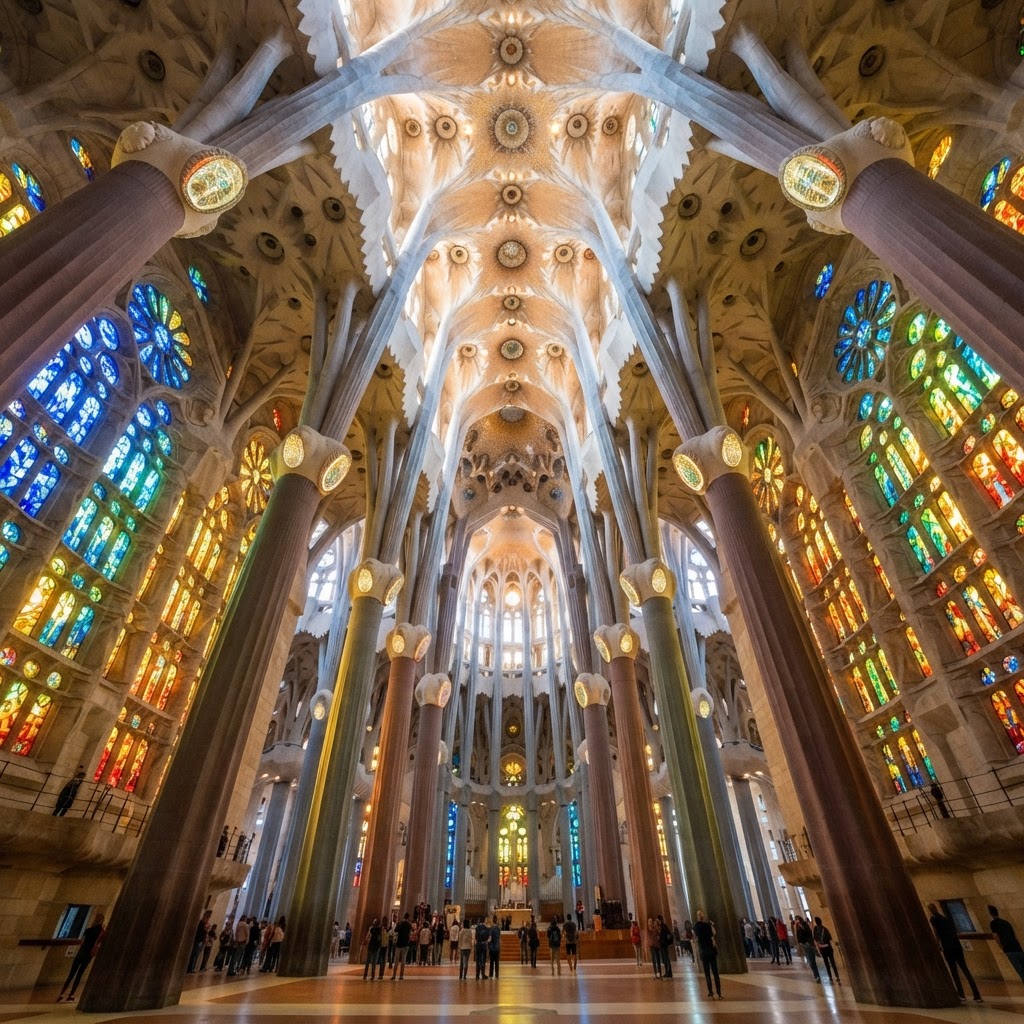
Perhaps the most famous unfinished project in the world, the Sagrada Família is a forest of stone pillars inspired by nature. Gaudí believed that there are no straight lines in God’s creation, and his masterpiece serves as a spiritual map of his philosophy. The way light filters through the stained glass in the late afternoon makes the interior feel like a living, breathing organism.
Casa Batlló and Casa Milà
These residential buildings showcase Gaudí’s playfulness. Casa Batlló, with its bone-like balconies and scales on the roof, feels lifted straight from a fairy tale. Meanwhile, Casa Milà—also known as La Pedrera—features a rooftop terrace filled with chimney stacks that look like alien warriors guarding the city.
Modernity Meets Tradition: The Bilbao Effect
In the late 20th century, Spain successfully reinvented its industrial centers through bold, contemporary architecture. The most notable example is the Guggenheim Museum in Bilbao, designed by Frank Gehry. This building transformed a struggling industrial city into a global cultural destination almost overnight.
Titanium Curves and Artistic Spaces
The titanium cladding of the Guggenheim catches the light in a way that shifts throughout the day. It stands in stark contrast to the surrounding hills, proving that modern architecture can respect, yet disrupt, a traditional urban environment in the best way possible. This shift has inspired countless cities worldwide to invest in bold designs.
Regional Diversity in Building Materials
What makes Spanish architecture truly special is the local adaptation. The use of materials varies drastically across the country due to regional climates and resources. In the north, grey stone and slate dominate the rugged landscapes, reflecting the rainy, temperate climate of Galicia and Asturias.
The Warmth of the Mediterranean
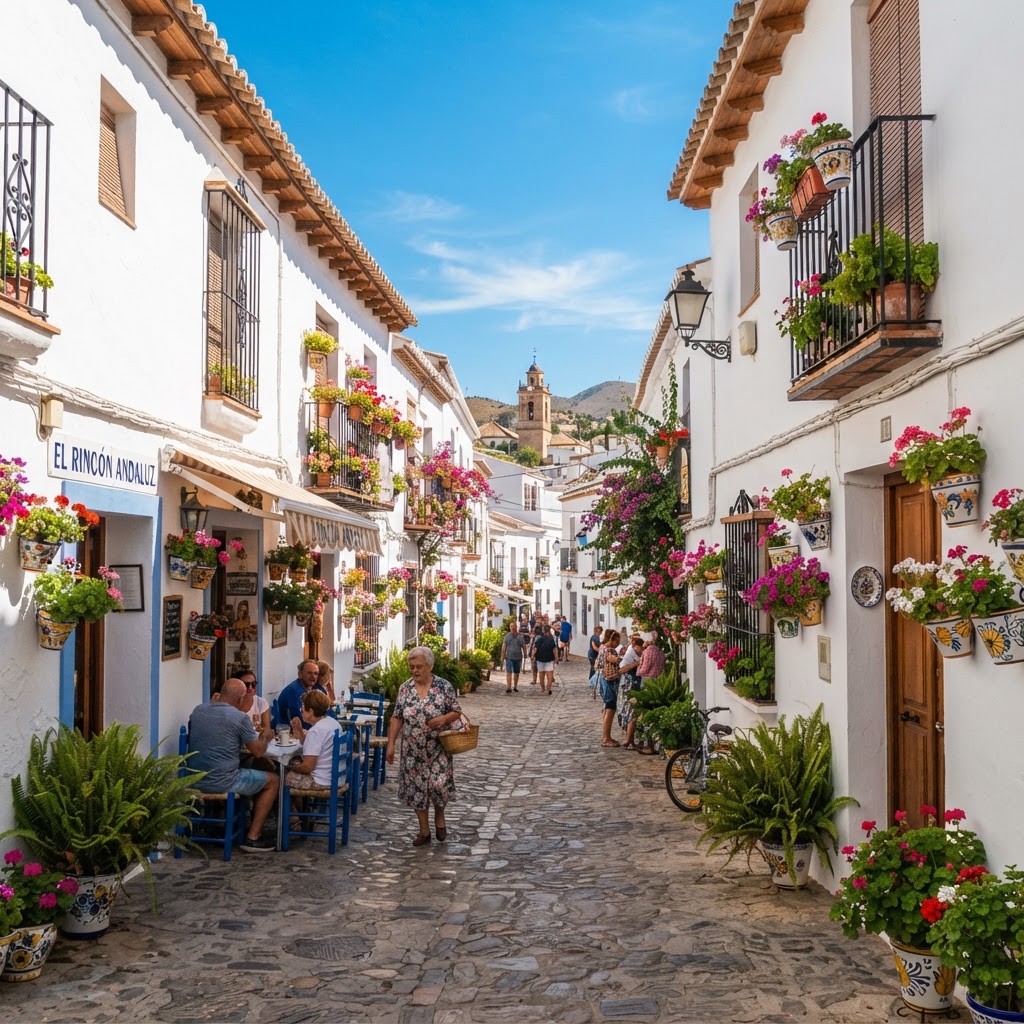
Conversely, in the Mediterranean, you see a focus on whitewashed walls, terracotta tiles, and heavy wooden shutters. These elements are designed to reflect the harsh sun and keep interiors cool. This vernacular architecture is the foundation upon which grander styles were built, highlighting a deep respect for environmental harmony.
Planning Your Architectural Pilgrimage
If you want to see these marvels for yourself, planning is key. Spain is large, and each region offers a completely different architectural diet. Consider the following table as a quick guide for your trip planning:
| Region | Primary Style | Iconic Landmark |
| :— | :— | :— |
| Andalusia | Moorish | Alhambra |
| Catalonia | Modernisme | Sagrada Família |
| Castile | Plateresque | Salamanca University |
| Basque Country | Contemporary | Guggenheim Bilbao |
Tips for the Curious Traveler
- Book tickets for major landmarks like the Alhambra months in advance.
- Visit cathedrals during early morning hours to avoid crowds.
- Rent a car to explore the smaller, “pueblos blancos” (white villages) that exhibit traditional rustic architecture.
Conclusion
The architecture that makes Spain unforgettable is a testament to the country’s layered history, where every wall tells a tale of conquest, faith, and innovation. From the quiet courtyards of the south to the wild, dreamlike spires of Barcelona, Spain invites you to look up, touch the stone, and appreciate the creative spirit of humanity. Ready to start your journey? Book your tickets to Spain today and step inside a living history book.
Leave a Reply