
Stepping out of the bustling streets of the Eternal City for a day trip from Rome to Tuscany is one of the most rewarding experiences you can undertake during your Italian vacation. While Rome is packed with ancient history and vibrant urban energy, Tuscany offers a serene contrast defined by golden light, rolling vineyards, and cypress-lined driveways that seem pulled directly from a Renaissance painting. Planning this excursion requires a bit of logistical foresight, but the payoff—a glass of world-class Chianti in the shadow of a medieval stone tower—is well worth the effort. In this guide, we will break down exactly how to execute the best day trip from Rome to Tuscany, ensuring your limited time is spent soaking in the atmosphere rather than navigating transit hurdles.
Understanding the Logistics of Your Tuscan Escape
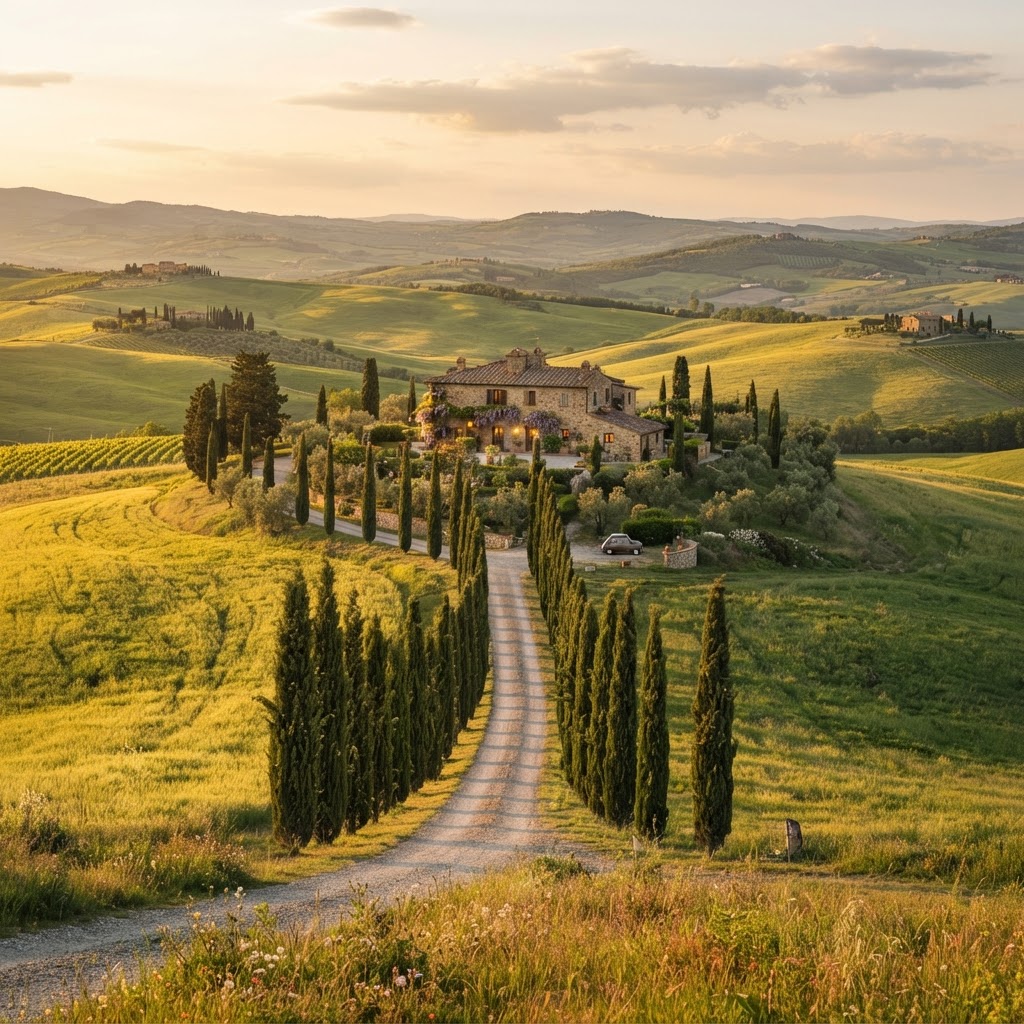
The distance between Rome and the southern reaches of Tuscany is deceptive; while it feels like a different world, it is closer than most travelers realize. To successfully execute a day trip from Rome to Tuscany, you must choose your destination carefully. The Val d’Orcia region, famous for its iconic vistas and charming towns like Pienza and Montalcino, is roughly two and a half to three hours away by car or train from Rome. This proximity makes it the premier choice for travelers looking to maximize their time.
Choosing Your Mode of Transportation
When traveling from Rome, you generally have three primary options: renting a car, booking a guided bus tour, or navigating the national rail system. Renting a car provides the ultimate freedom, allowing you to stop at hidden viewpoints or impromptu vineyard tastings. However, parking in small hilltop villages can be a nightmare during peak summer months. Guided tours eliminate the stress of navigation, while the train is best for reaching larger hubs like Chiusi or Orvieto, though you will still need a local connection to reach the countryside proper.
Must-Visit Destinations in Southern Tuscany
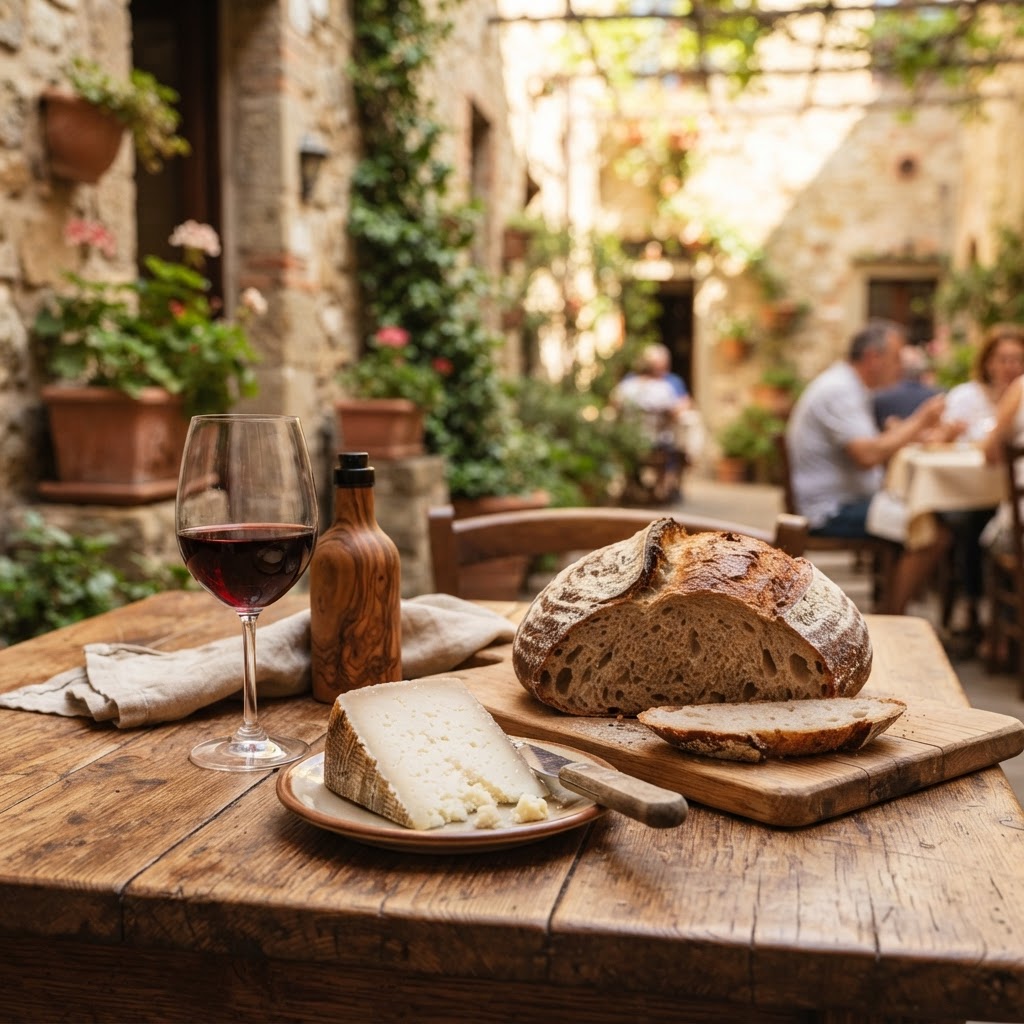
If you want to experience the quintessential Tuscan aesthetic, head straight for the Val d’Orcia. This UNESCO World Heritage site is the postcard version of Italy, featuring rolling hills and perfectly preserved medieval architecture. Towns like Pienza, known for its Pecorino cheese and Renaissance planning, and Montalcino, the home of the bold Brunello wine, are essential stops. Each town provides a unique window into local history and lifestyle.
Why Pienza and Montalcino Stand Out
Pienza is unique because it was designed as the “ideal city” in the 15th century by Pope Pius II. Walking through its streets feels like wandering through a living museum where the air is thick with the scent of aged cheese and blooming jasmine. Montalcino, on the other hand, sits high on a hill, offering panoramic views of the surrounding valleys. It is a haven for wine lovers who want to taste legendary vintages at their source.
The Ultimate Tuscan Wine Experience
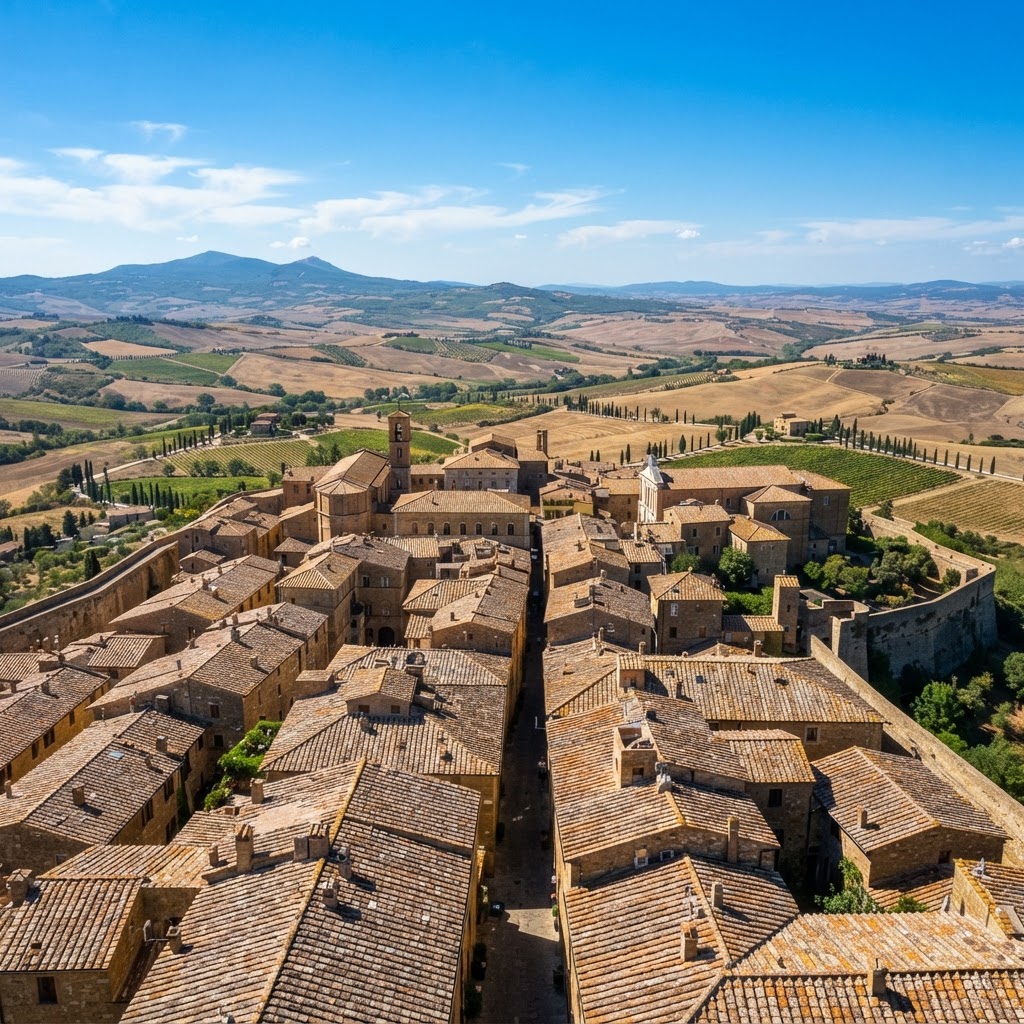
No day trip from Rome to Tuscany is complete without indulging in the local viticulture. The region produces some of the most respected wines in the world, ranging from the Sangiovese-based Chianti to the complex Brunello di Montalcino. When planning your route, try to book a winery tour in advance. Many family-run estates offer intimate tasting sessions paired with local olive oil, sourdough bread, and artisanal cured meats.
Tips for Wine Tasting Etiquette
Remember that Tuscan wineries are often working farms. Be respectful of the staff, avoid wearing heavy perfumes that might interfere with the sensory experience, and always arrange for a designated driver if you are navigating yourself. If you are part of a guided tour, make sure the operator includes lunch at the winery, as this is often the highlight of the entire journey. You will likely find that the local winemakers are passionate storytellers who are more than happy to discuss the climate, soil, and history of their family legacy.
Best Times to Visit and Weather Considerations
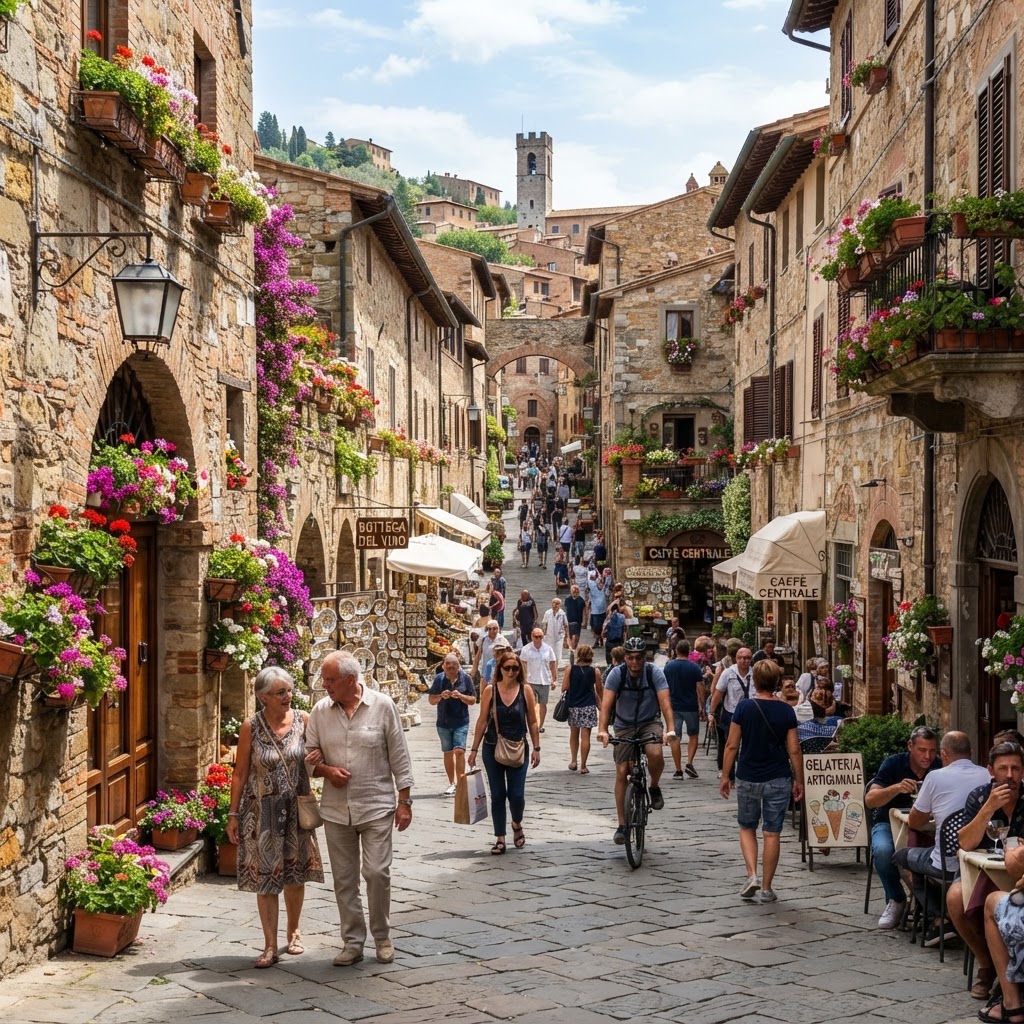
Timing your trip is critical to the quality of your experience. Spring (April through June) offers a lush, vibrant green landscape, while autumn (September and October) brings the harvest season and beautiful golden hues. Summer can be incredibly hot in the open hills, so prepare accordingly with light clothing, hats, and plenty of water. If you choose to visit in winter, the crowds will be non-existent, but the morning fog can make driving through the narrow, winding hill roads more challenging.
Essential Packing and Travel Tips
Comfort is the secret ingredient to a successful day trip. You will likely be walking on uneven cobblestone streets and climbing steep alleys, so leave the high heels at the hotel. Wear breathable, comfortable shoes and bring a light jacket, as the temperatures in the hills can fluctuate significantly compared to the urban heat of Rome. Also, always carry a small amount of cash, as some of the smaller boutiques and village cafes may not accept card payments for minor purchases.
Preparing for the Day
Start your day as early as possible. If you leave Rome by 7:00 AM, you can arrive in the heart of Tuscany by 10:00 AM, giving you six solid hours of exploration before heading back. Always have a physical map or a downloaded offline version on your phone, as cellular service can be spotty in the deeper valleys. Keep a translation app handy for small-town interactions, although the warmth and hospitality of the Tuscans usually bridge any language gaps easily.
Budgeting for Your Tuscan Adventure
A day trip from Rome to Tuscany can vary wildly in cost depending on your choices. A guided group tour might cost between 100 and 200 euros per person, which often covers transport, lunch, and a guided winery visit. Renting a car is often cheaper if you are traveling as a group, but you must factor in the costs of fuel, parking, tolls, and potentially a local guide. Consider setting aside an extra budget for purchasing local products, such as truffle oil or a bottle of vintage wine, which are much cheaper in the villages than in the tourist hubs of Rome.
Conclusion
A day trip from Rome to Tuscany is more than just a sightseeing excursion; it is an immersion into a slower, more deliberate way of life. From the moment you see the first row of vines stretching toward the horizon, you will understand why this region has inspired poets, painters, and travelers for centuries. Whether you are chasing the perfect photograph, the best glass of red wine, or simply a quiet moment in a medieval square, Tuscany delivers on every promise. We hope this guide helps you plan an unforgettable journey. Are you ready to see the Italian countryside? Book your transportation, pack your camera, and get ready for the Tuscan experience of a lifetime!
Leave a Reply