
Chasing the elusive Aurora Borealis is a bucket-list dream for travelers across the globe. There is something profoundly magical about standing in the silent, frozen wilderness as ribbons of emerald, violet, and crimson dance across the ink-black sky. While the phenomenon is technically a result of solar wind particles interacting with the Earth’s magnetic field, to the observer, it feels like pure celestial sorcery.
Finding the best places to see the Northern Lights requires more than just luck; it requires planning, patience, and a bit of geographic knowledge. You need darkness, clear skies, and a location far from the light pollution of modern cities. Below, we break down the top regions and expert strategies for ensuring you witness this spectacular light show in person.
Understanding the Aurora Borealis
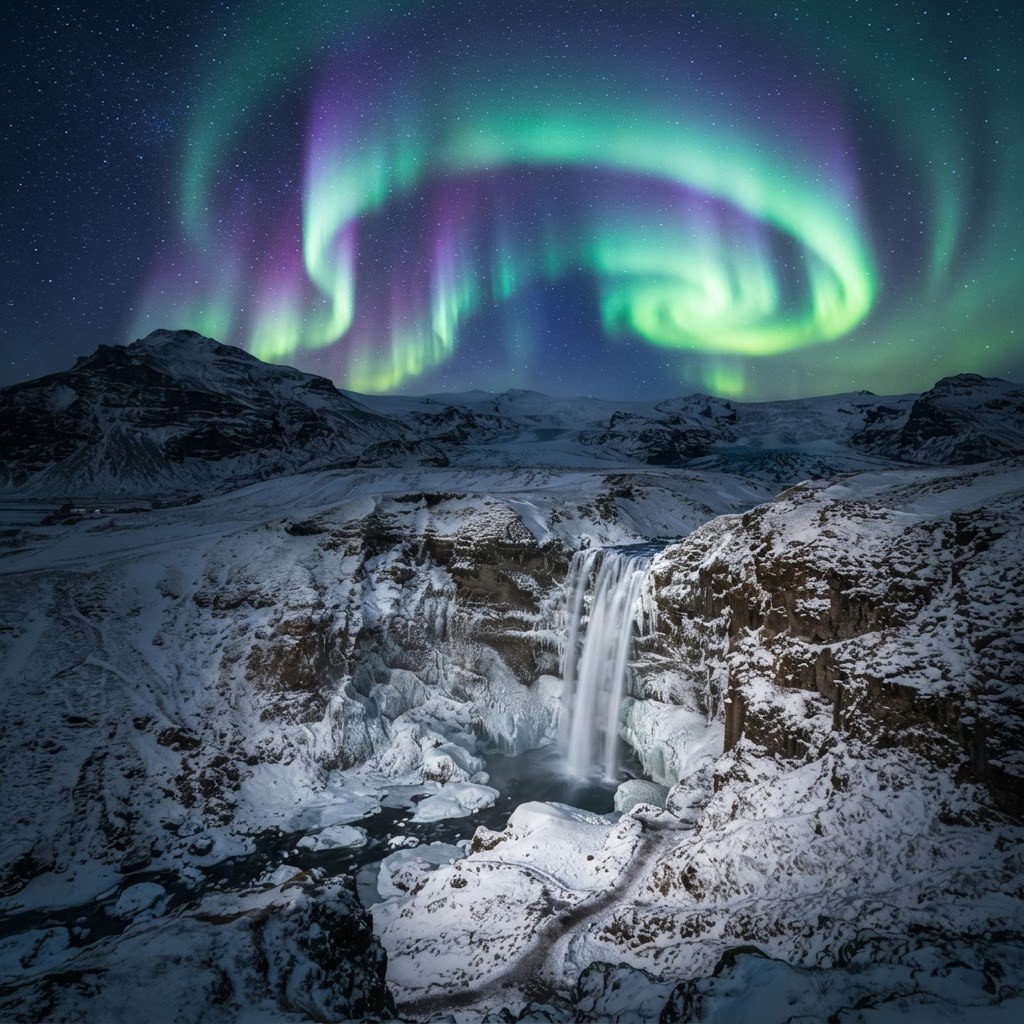
Before booking your trip to the Arctic, it is helpful to understand what you are actually chasing. The Northern Lights are caused by charged particles from the sun colliding with gases in the Earth’s atmosphere. These collisions emit light at various wavelengths, creating the colorful patterns we see from the ground.
To see them, you must be within the ‘Auroral Oval,’ a ring-shaped zone centered over the magnetic North Pole. This zone encompasses parts of Scandinavia, Iceland, Canada, and Alaska. Solar activity fluctuates in an 11-year cycle, but as long as you visit during the darker months, your chances remain high regardless of the peak cycle.
Essential Criteria for Spotting
To maximize your success, keep these three factors in mind. First, darkness is non-negotiable; aim for the new moon phase to reduce natural light interference. Second, keep an eye on Kp-index forecasts, which measure geomagnetic activity on a scale of 0 to 9. Third, seek locations with low humidity and high elevation, as clouds are your biggest enemy.
Tromso, Norway: The Arctic Capital
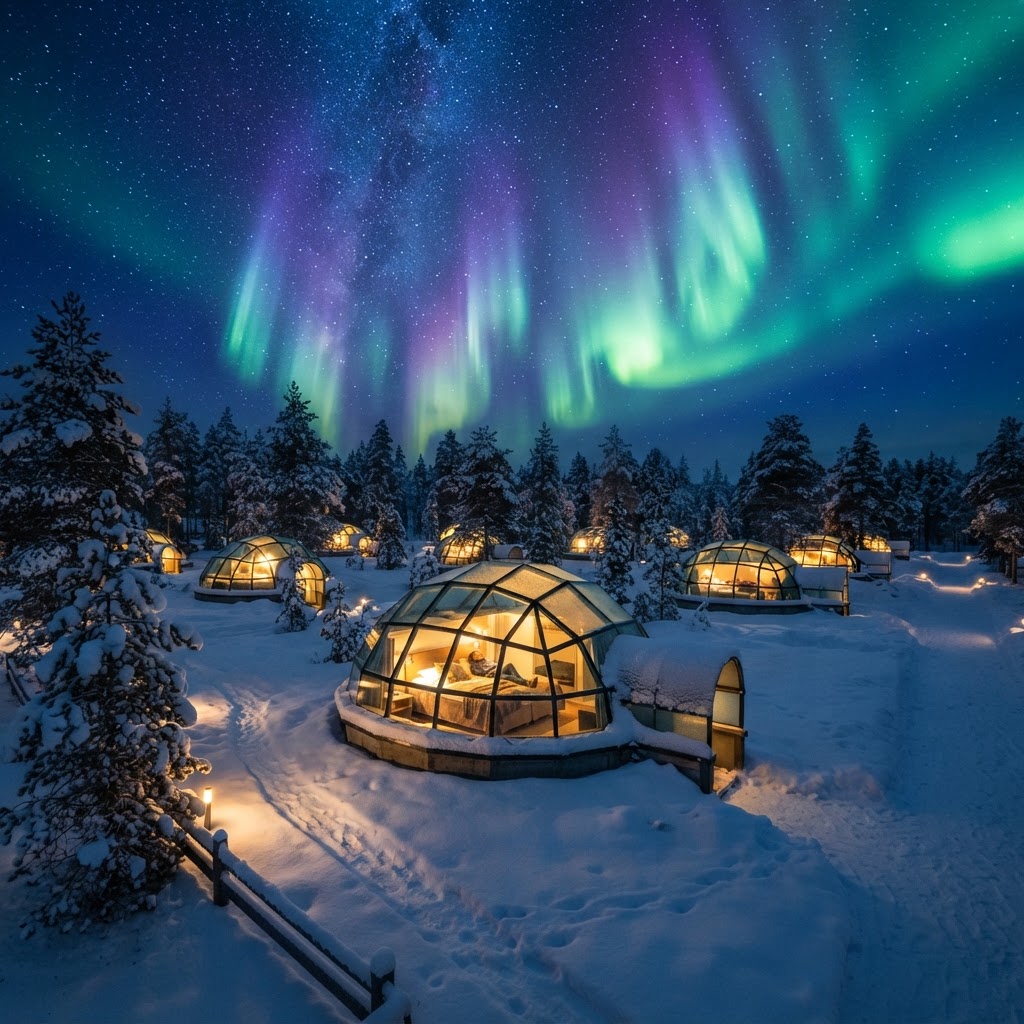
Tromso is frequently cited as one of the best places to see the Northern Lights due to its unique position right in the heart of the Auroral Oval. Because the Gulf Stream warms the coastal waters, Tromso remains relatively accessible and mild compared to other Arctic destinations at the same latitude.
Visitors here can enjoy a blend of vibrant city culture and rugged wilderness. You can take a cable car up to Mount Storsteinen for an incredible view of the city lights against the dark mountains, or join a guided chase that drives deep into the fjords to find clear skies away from coastal cloud cover.
Iceland: Fire and Ice Displays
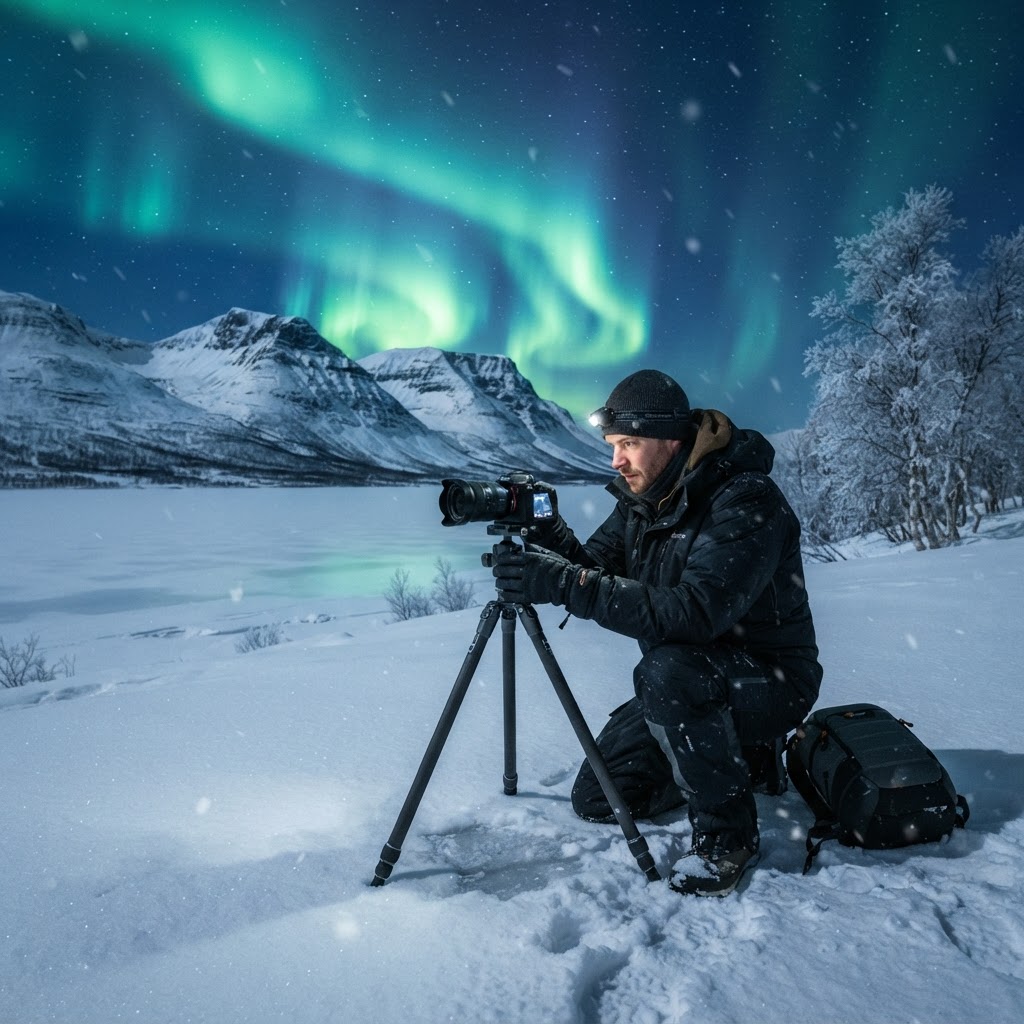
Iceland offers perhaps the most dramatic landscape for Aurora hunting. Whether you are standing near the thundering Skogafoss waterfall or the black sand beaches of Vik, the backdrop of volcanic peaks and glaciers makes for an unforgettable photographic composition.
One of the benefits of Iceland is the ease of mobility. You can rent a 4×4 vehicle and monitor weather apps like Vedur.is. When the clouds part, you can drive to a location with high probability, making it one of the most flexible destinations for independent travelers.
Best Viewing Spots in Iceland
Kirkjufell mountain on the Snaefellsnes Peninsula is an iconic spot for photographers. Its symmetrical shape serves as the perfect foreground for a vibrant Aurora display. Additionally, Thingvellir National Park offers wide-open spaces that are easily accessible from the capital city of Reykjavik.
Abisko, Sweden: The Microclimate Advantage
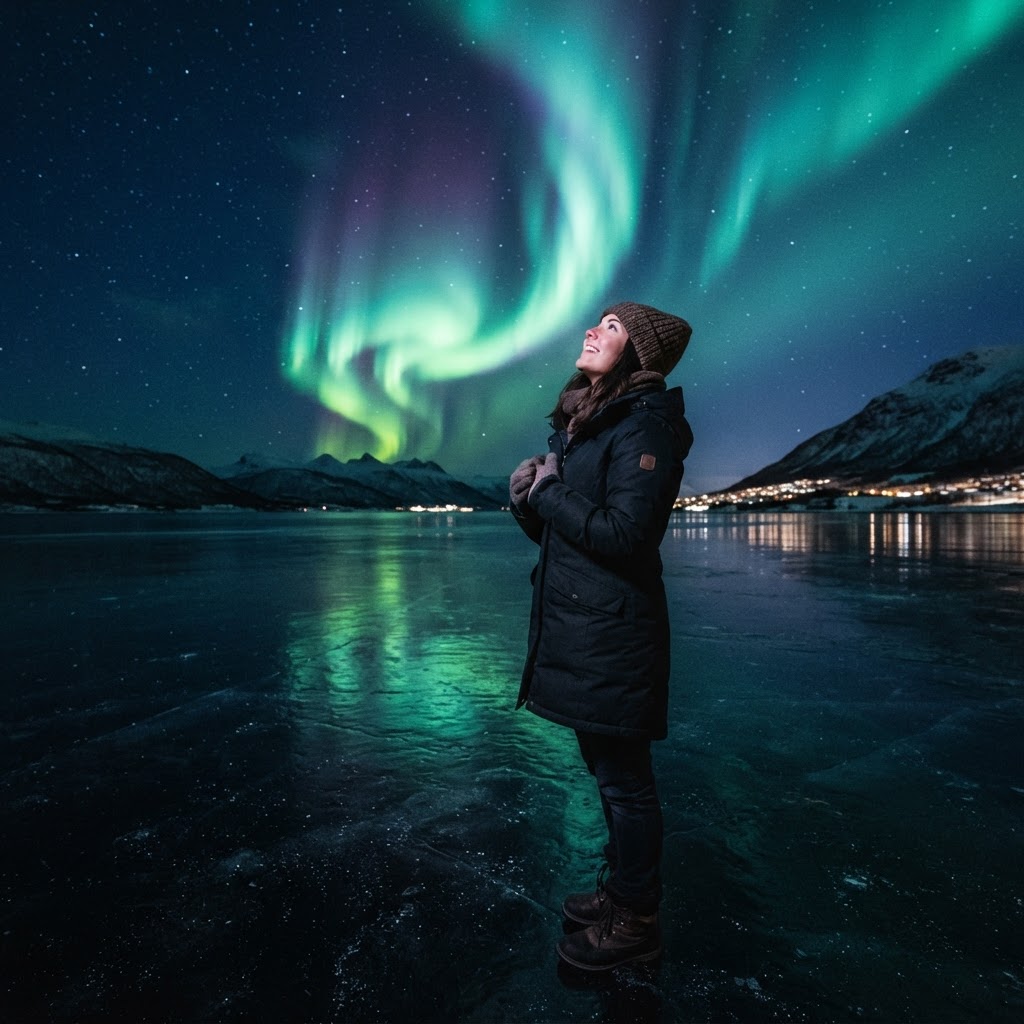
Abisko is often considered the hidden gem of the Nordic circuit. Located in Swedish Lapland, the town sits in a rain shadow created by surrounding mountains, which keeps the skies clearer here than in almost any other spot in the region. This phenomenon is known as the ‘Blue Hole of Abisko.’
If you visit the Aurora Sky Station in Abisko, you are treated to a chairlift ride up the mountain, providing an elevated vantage point. It is widely considered one of the most reliable locations globally for catching a glimpse of the lights.
Fairbanks, Alaska: The US Hotspot
If you prefer to stay in North America, Fairbanks is the premier destination for Aurora enthusiasts. Located just south of the Arctic Circle, it experiences a high frequency of geomagnetic activity. The winters here are cold and dry, which is ideal for clear, crisp nights.
Fairbanks also offers a variety of unique ways to wait for the lights. You can stay in specialized ‘Aurora lodges’ that provide large glass roofs, allowing you to watch the sky from the comfort of your warm bed. It is a fantastic option for those who want to avoid standing in freezing temperatures for hours.
Finnish Lapland: Luxury and Adventure
Finland is famous for its glass igloos, which have become a viral sensation for good reason. In places like Kakslauttanen, you can sleep in a thermal glass igloo that prevents snow from building up on the roof, giving you a 360-degree view of the heavens while you stay bundled in a cozy interior.
Beyond the igloos, Finnish Lapland offers a complete winter experience. You can spend your days dog sledding, snowshoeing, or visiting reindeer farms before spending your nights scanning the sky for the lights. It is the perfect destination for a romantic getaway or a family-friendly winter vacation.
Planning Your Aurora Expedition
Timing is everything when planning your trip. The season generally runs from late September to late March. Early autumn offers milder weather, while mid-winter provides the longest nights, maximizing your chances of seeing the lights during a multi-day stay.
What to Pack for the Cold
Never underestimate the Arctic cold. Temperatures often drop well below freezing, and since you will be standing still waiting for the sky, you need more insulation than you think. Invest in thermal base layers, wool socks, heavy-duty parkas, and windproof pants.
It is also essential to bring a tripod if you plan on taking photos. Because the lights move quickly, you need long exposures, and even the slightest camera shake will ruin your shot. Bring extra batteries as well; the cold air drains lithium-ion batteries significantly faster than normal.
Conclusion
Finding the best places to see the Northern Lights is an adventure that combines the thrill of exploration with the awe of nature’s greatest display. Whether you choose the rugged coasts of Norway, the volcanic craters of Iceland, or the cozy glass igloos of Finland, the experience is bound to stay with you forever. Start planning your winter itinerary today—the lights are waiting for you.
Are you ready to cross the Northern Lights off your bucket list? Start researching flights to your preferred Arctic destination today and make sure to book your accommodation well in advance, as the best lodges fill up months ahead of time!
Leave a Reply