
There is a fleeting moment in London, just as the sun dips below the horizon and the city lights flicker to life, when the sky transforms into a deep, velvety indigo. Capturing Big Ben at blue hour is the pinnacle of architectural photography in the United Kingdom, offering a moody, cinematic aesthetic that elevates any travel portfolio. Whether you are a professional photographer with a tripod or a hobbyist using a smartphone, this guide will walk you through exactly where to stand and how to achieve that perfect, world-class image of the Elizabeth Tower.
The Magic of the Blue Hour in London
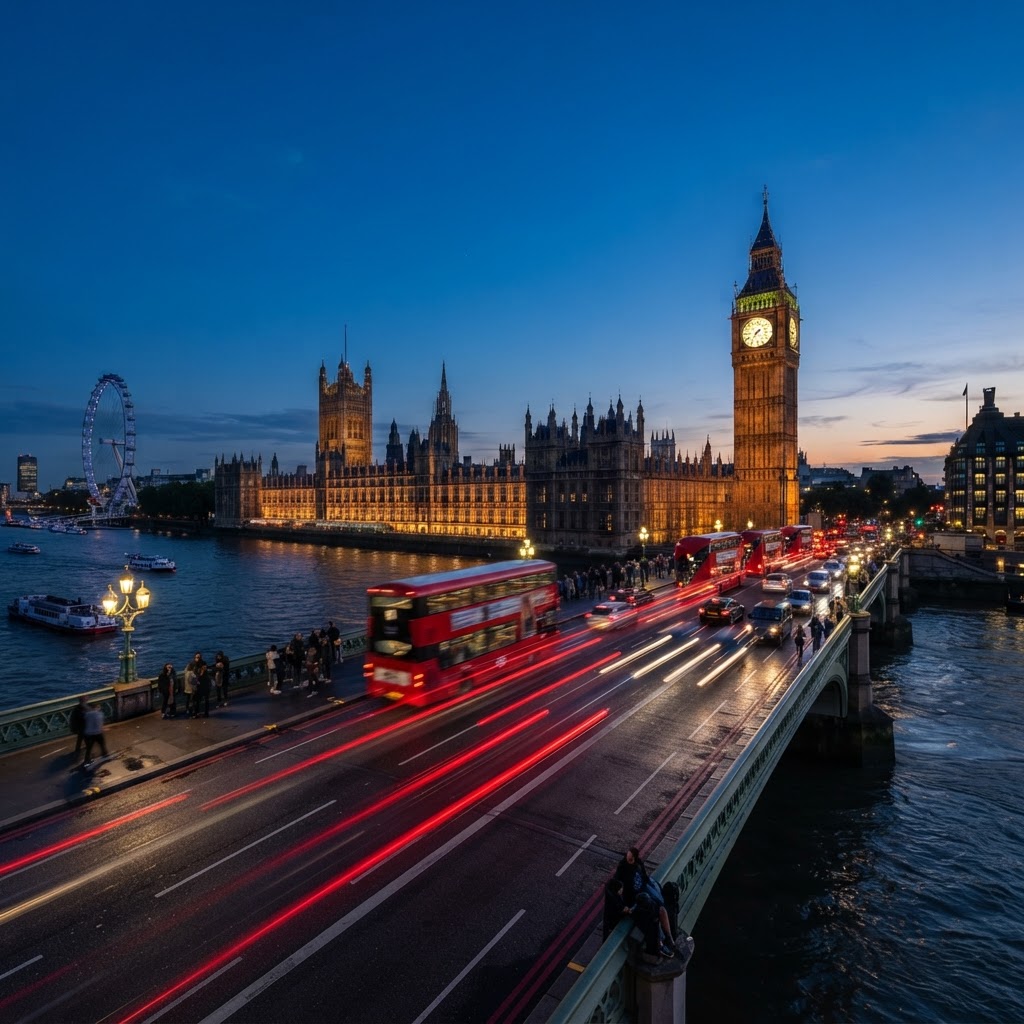
Blue hour is the period of twilight when the sun is well below the horizon, and the indirect sunlight takes on a cool, blue hue. In London, this timing is particularly special because it coincides with the moment when the streetlights of Westminster begin to glow against the darkening sky. Unlike the harsh shadows of midday or the flat light of an overcast afternoon, the blue hour provides a balanced exposure between the illuminated clock face and the ambient sky.
To master Big Ben at blue hour, you must understand the interplay of artificial and natural light. The tower itself acts as a massive lighthouse, casting a warm, golden glow that contrasts beautifully with the cool tones of the Thames. Achieving this balance requires careful planning, as the duration of the blue hour is short—often lasting no more than twenty to thirty minutes depending on the season.
Essential Gear for Your Photography Session
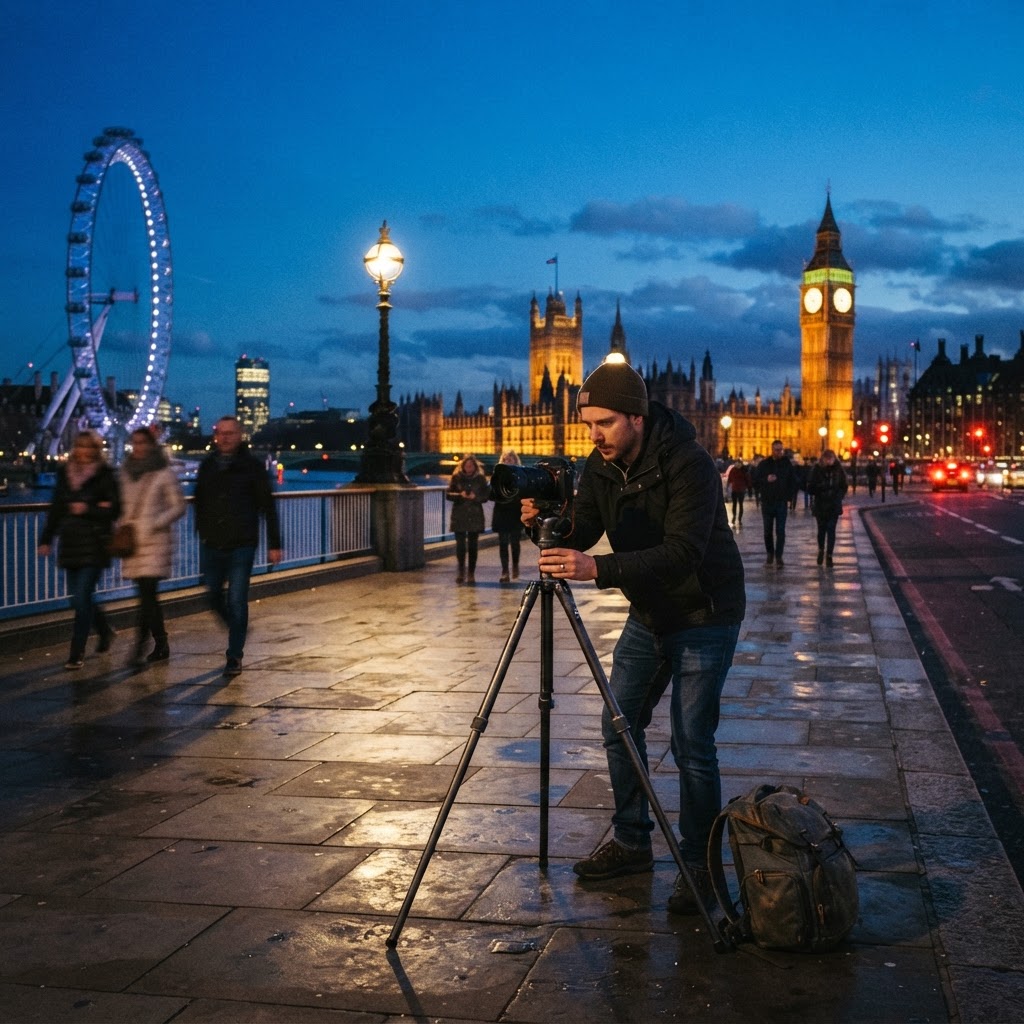
While high-end cameras offer more flexibility in low light, the most critical piece of equipment for a blue hour shot is stability. Because the light levels drop significantly during this time, you will likely need slower shutter speeds. A sturdy tripod is mandatory if you want to avoid motion blur and ensure your image of the clock face is tack-sharp.
The Recommended Camera Kit
- A camera with manual exposure control (DSLR or Mirrorless).
- A wide-angle lens (16mm to 35mm range) to capture the scale of Parliament.
- A remote shutter release or a self-timer setting to prevent vibrations.
- A lens cloth, as the mist from the Thames can often coat your glass.
” src=”https://img.youtube.com/vi/AGXUiCPnma8/hqdefault.jpg” />
The Classic Angle: Westminster Bridge
Westminster Bridge is the most famous spot to photograph the Elizabeth Tower, and for good reason. It offers an unobstructed, head-on view of the iconic clock tower, with the double-decker buses and black cabs providing a dynamic, blurred motion element. To get the best shot, set up your tripod on the north side of the bridge, looking south toward the tower.
When shooting from the bridge, use a small aperture like f/11 or f/13 to get a deep depth of field and a slow shutter speed to capture the light trails of moving traffic. The goal is to have the Big Ben clock face perfectly sharp while the red buses streak past in a blur of color. This classic shot is arguably the most recognizable image of London globally.
Riverside Views: The South Bank Perspective
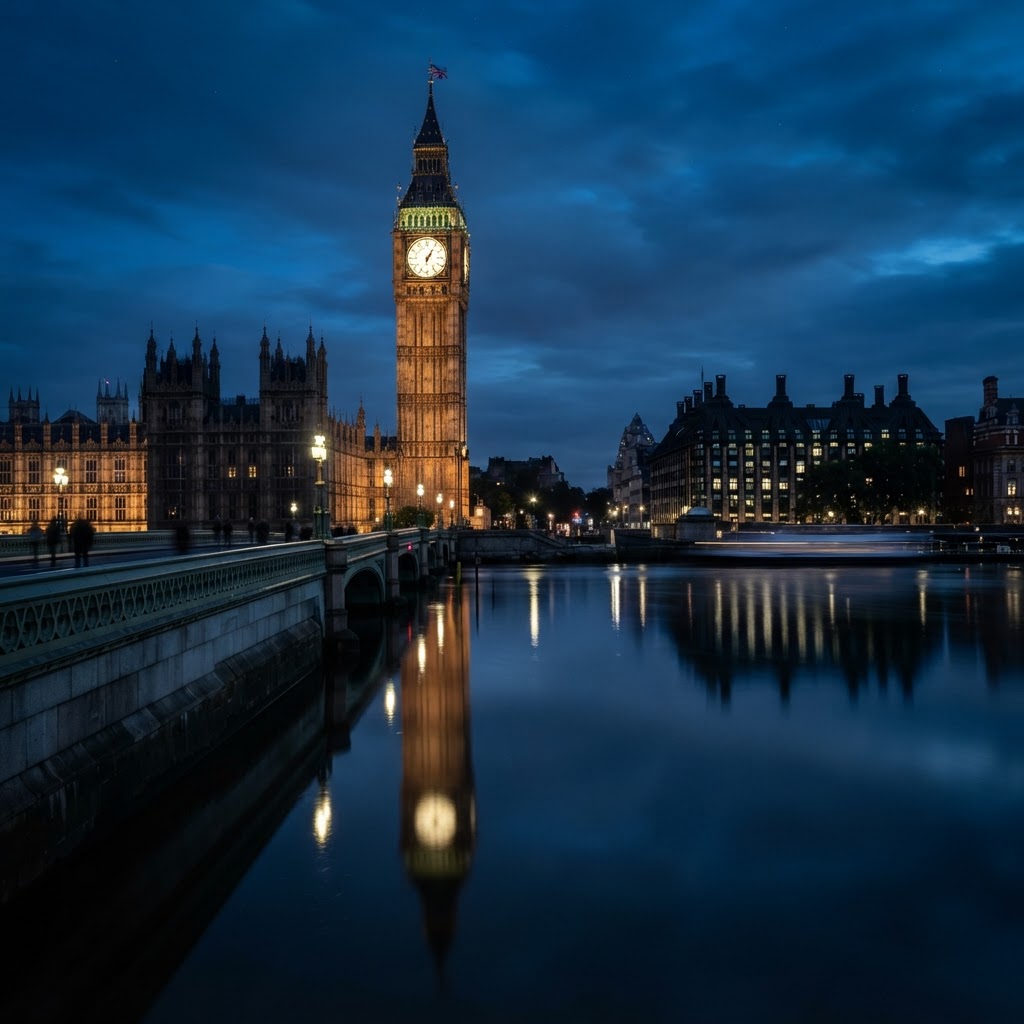
If you prefer a lower angle that incorporates the reflections of the building in the water, head to the South Bank near the London Eye. Walking along the Thames Path offers several vantage points where you can frame Big Ben alongside the historic architecture of the Palace of Westminster. This area is less crowded than the bridge, allowing for a more relaxed experience as you dial in your settings.
” src=”https://img.youtube.com/vi/HRGRlThV8hw/hqdefault.jpg” />
Why the South Bank Wins
- Lower vantage point creates a more dramatic leading line.
- Reflections on the Thames look spectacular during the blue hour.
- You can easily include the London Eye in the wider composition.
Hidden Gems and Alternative Viewpoints
While the bridge and South Bank are essential, some of the most unique photos of Big Ben at blue hour come from slightly more obscure locations. Consider venturing onto the Queen Elizabeth II Jubilee Footbridge for a unique view that captures both the Big Ben complex and the bustling activity of the river. Another excellent spot is the Victoria Embankment, which provides a dramatic side-profile view of the clock tower as it looms over the street.
For those willing to walk a bit further, the area near St. Thomas’ Hospital offers a wide panoramic view. From here, you can see the entire expanse of the Houses of Parliament. It is a quiet, contemplative spot that allows you to capture the scale of the building without the chaotic tourist foot traffic found on the main thoroughfare of Westminster.
Mastering Your Camera Settings
Getting the shot is as much about technique as it is about location. During the blue hour, your camera’s internal meter might be fooled by the bright clock face. Instead of relying on auto-mode, switch to manual. Set your ISO as low as possible, ideally ISO 100, to minimize digital noise. Your shutter speed should be adjusted based on the light—start with a 2-second exposure and adjust based on the results.
” src=”https://img.youtube.com/vi/1ucxzq81EjY/hqdefault.jpg” />
Always shoot in RAW format. This is non-negotiable for low-light photography. RAW files contain significantly more data than JPEGs, allowing you to recover details from the shadows and balance the highlights on the glowing clock face during the post-processing phase. You will find that the blue hour gives you a much better canvas to work with in post-production than a standard sunset shot.
Planning for Success: Apps and Timing
Planning is the difference between a wasted trip and a portfolio piece. Use apps like PhotoPills or The Photographer’s Ephemeris to track exactly when the blue hour begins and ends on the day of your shoot. Remember that London weather is famously unpredictable; even a cloudy evening can yield a dramatic “moody” sky that perfectly complements the historical aesthetic of the Parliament building.
Check the weather forecast for “partly cloudy” conditions. A completely clear sky can be a bit boring, whereas a few clouds can catch the remnants of the sunset light, adding layers and texture to your image. Arrive at your chosen spot at least 45 minutes before the official blue hour begins to secure your position and test your composition.
Conclusion
Capturing Big Ben at blue hour is a rite of passage for every London photographer. By positioning yourself on Westminster Bridge or the South Bank, using a tripod for stability, and understanding the nuances of your manual settings, you can produce stunning, professional-grade images. Now that you know the spots and the secrets, grab your gear, head to the river, and wait for that magical indigo sky to emerge. Happy shooting!
Ready to elevate your travel photography? Start by scouting these locations this weekend and share your best results with our community.
Leave a Reply