
Blåvatnet, often called Norway’s hidden blue lake, is a glacial basin in the Lyngen Alps renowned for its electric-turquoise water caused by suspended glacial flour. Reaching this stunning natural landmark requires a moderate 8 to 10-kilometer round-trip hike through rocky moraine terrain, typically accessible between late June and early September.
The Geological Wonder of Blåvatnet
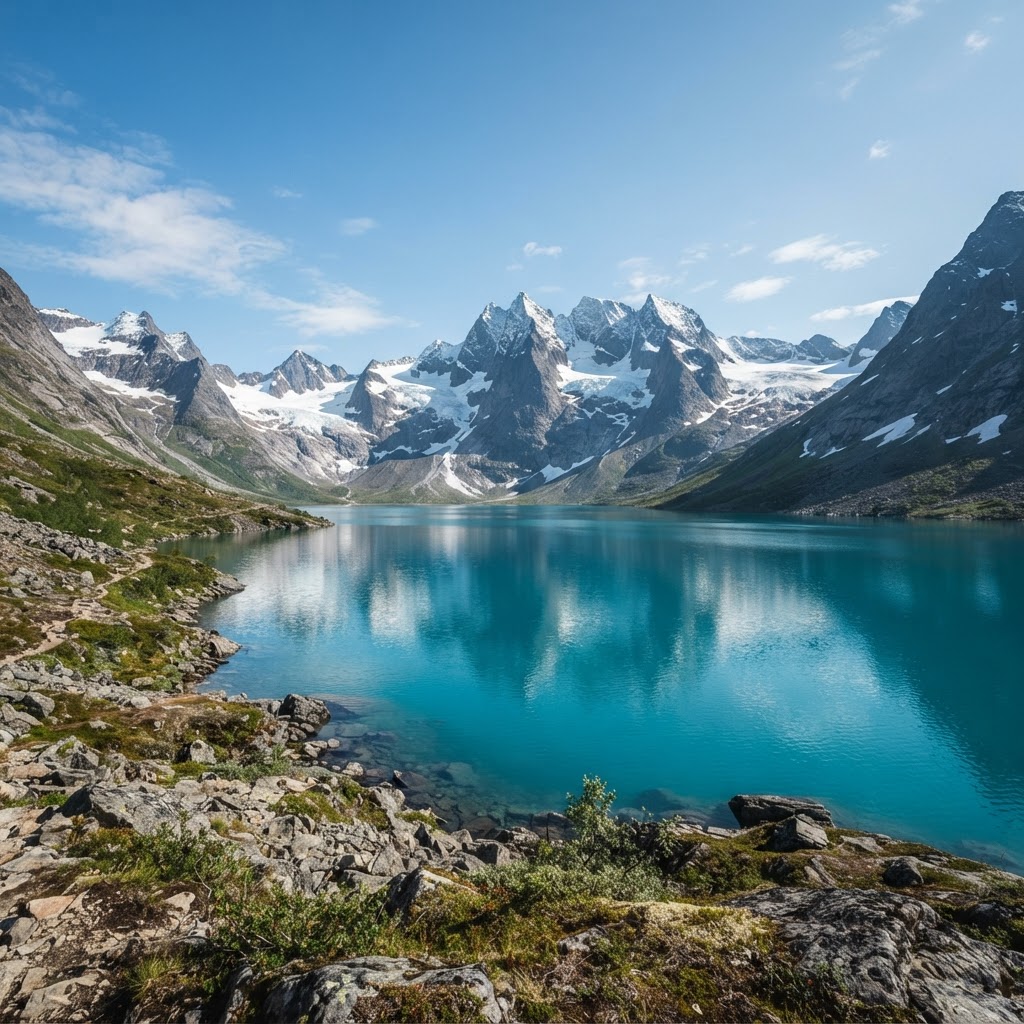
The distinct, neon-turquoise color of Blåvatnet is a result of “glacial flour,” which consists of finely ground rock particles created by the Lenangsbreen glacier scouring the bedrock. As the glacier melts, these microscopic particles flow into the lake and remain suspended in the water column; when sunlight hits these particles, the water absorbs longer wavelengths and reflects back an intense, vibrant blue color that remains vivid even on overcast days.
The Source of the Color
The water quality at the lake is pristine, sourced directly from the Lenangsbreen glacier located at the head of the valley. Because it is fed by glacial melt, the water remains incredibly cold throughout the year, even in the height of summer. The combination of the sheer mountain walls, the retreating ice, and the silent valley floor creates an atmosphere of deep tranquility that visitors rarely forget.
Planning Your Journey to the Lyngen Alps
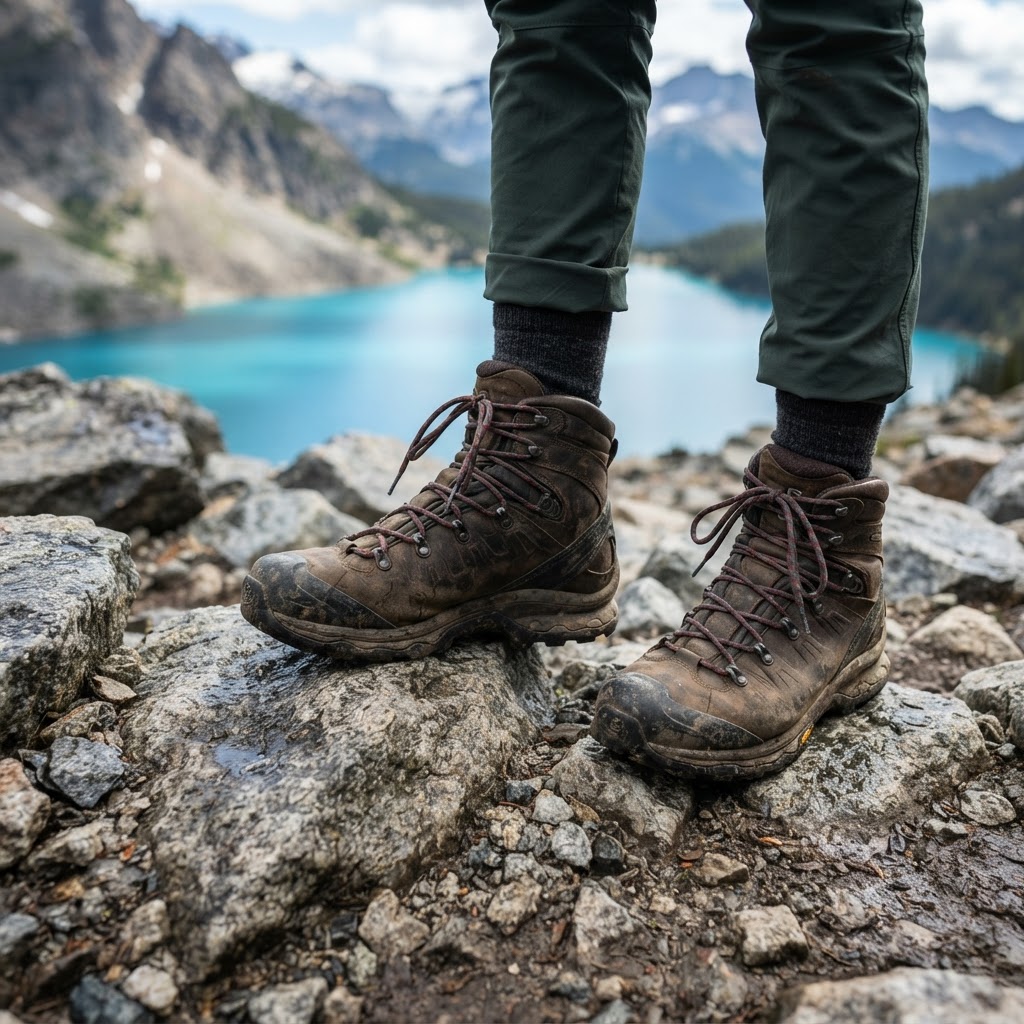
Logistical planning is crucial for reaching the Lyngen Alps, as the trailhead for Blåvatnet is located in the rugged Troms region, roughly a two-hour journey from Tromsø. Travelers should rent a vehicle, as public transport options like buses are infrequent and do not reach the specific trailhead in Lenangsbotn. The journey from Tromsø requires taking the Breivikeidet-Svensby ferry, which operates on a regular schedule throughout the summer months.
Getting There from Tromsø
Once you arrive in the Lyngen area, you should drive toward the village of Lenangsbotn. The trailhead is easily accessible by car, with a designated parking area located near the end of the public road. It is highly recommended to rent a car, as public transportation options in the remote valleys can be limited and infrequent, which might leave you stranded if you do not time your return perfectly.
The Hiking Trail: What to Expect
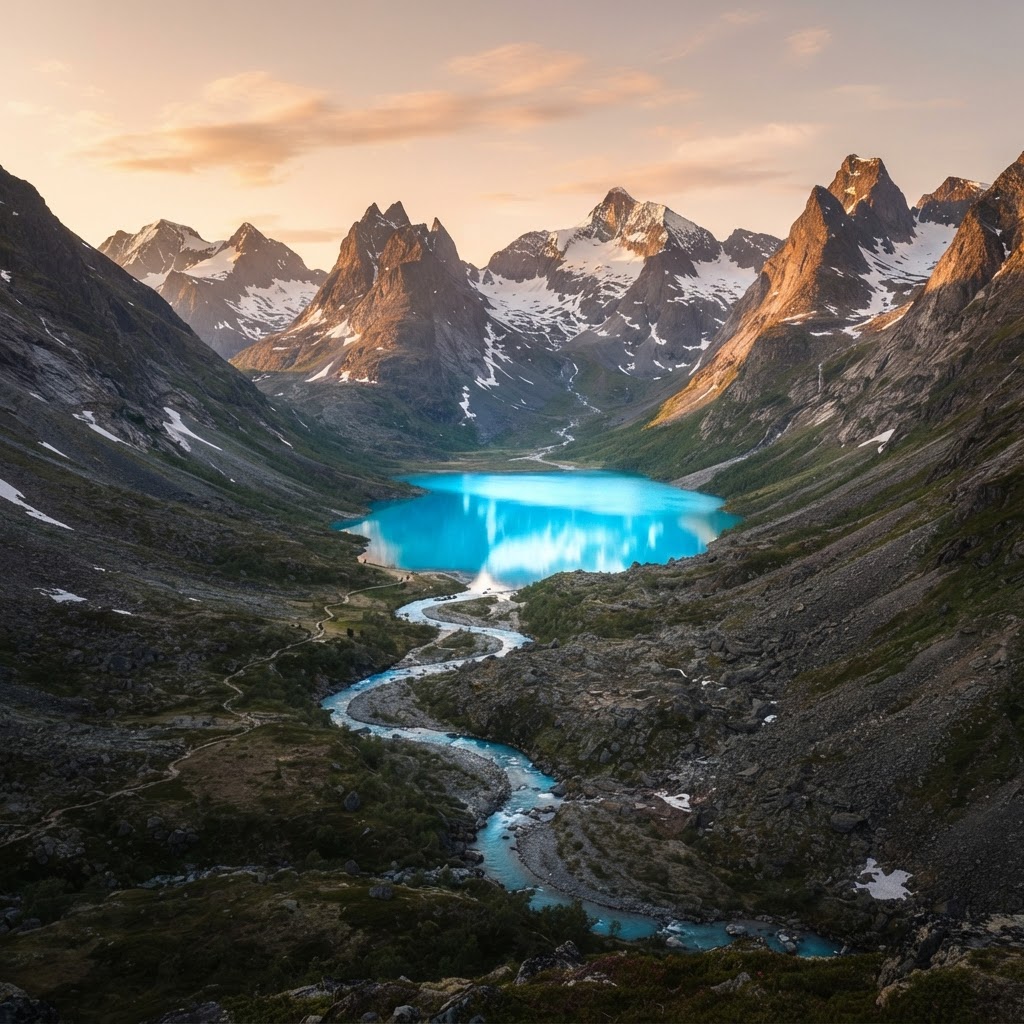
The trek to Blåvatnet is a moderate but physically demanding 8 to 10-kilometer round-trip hike that primarily traverses rocky moraine landscapes. Hikers should anticipate approximately 3 to 5 hours of total moving time, depending on their pace and the frequency of photo stops. The trail begins with a relatively flat valley approach before transitioning into a more strenuous, uneven boulder field that requires high-quality footwear with good ankle support.
Terrain Difficulty
The first part of the trail follows a fairly flat path through the valley, offering pleasant views of the surrounding flora. As you get closer to the lake, the landscape becomes much rockier, and you will find yourself navigating large boulders and loose gravel. This section demands careful foot placement, especially if there has been recent rain, as the rocks can become slippery.
Safety and Preparation Tips
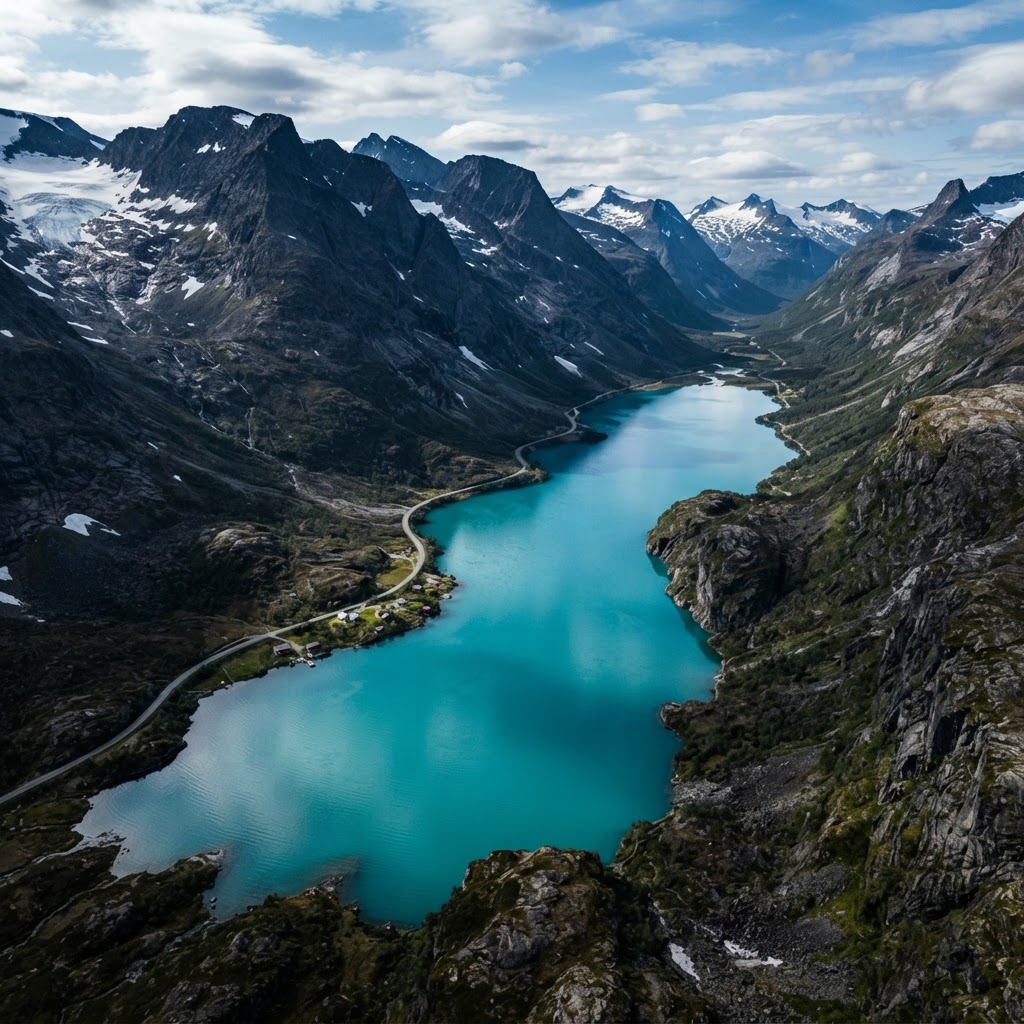
Safety in the Lyngen Alps requires careful preparation, as the mountain weather can shift from sunny conditions to freezing rain within minutes regardless of the season. Hikers must carry a standard “fjellvett” (mountain wisdom) kit, including waterproof layers, a physical map, and sufficient emergency supplies. Informing a third party of your specific route and expected return time is a standard safety protocol that ensures you can be located in the event of an emergency.
Essential Gear Checklist
- Sturdy, waterproof hiking boots with ankle support.
- A windproof and waterproof outer shell jacket.
- A base layer made of moisture-wicking wool or synthetic material.
- A navigation app or paper map, as GPS can sometimes be unreliable in narrow valleys.
- Sufficient water and high-energy snacks for the day.
- A first-aid kit, including blister plasters for the long rocky sections.
The Best Time to Visit
Timing your visit to Blåvatnet is essential to getting the full experience of the lake’s color. The ideal window for this hike is between late June and early September. During these months, the snow has mostly melted from the valley floor, making the trail accessible without needing specialized snow gear or crampons.
Mid-Summer vs. Late Season
Visiting in July provides you with the benefit of the Midnight Sun, allowing you to hike at 10:00 PM in broad daylight if you wish to avoid crowds. If you prefer a more autumnal atmosphere with crisp air and fewer hikers, late August and early September are perfect. Be aware that as winter approaches, the sun sets rapidly, and the temperatures drop well below freezing, even during the daytime.
Capturing the Beauty: Photography Advice
Photography enthusiasts will find endless opportunities at Blåvatnet. To capture the true blue of the water, try to use a circular polarizer filter on your lens; this will reduce glare on the surface of the water and make the turquoise tones pop even more against the dark rock.
Finding the Best Angles
Don’t just stay at the edge of the lake where the trail ends. Walk along the shoreline to find different perspectives. Getting low to the ground near the water’s edge can create a powerful foreground, especially if you can capture the reflection of the surrounding peaks in the still, blue water.
Respecting the Nature of Norway
Norway operates under the “Allemannsretten,” or the Right of Public Access, which allows everyone to explore the wilderness. However, with this right comes the responsibility of “Leave No Trace” ethics. Because the ecosystem around Blåvatnet is fragile, it is vital that you carry out everything you carry in.
Why Conservation Matters
The vegetation in this high-altitude region grows very slowly. Stepping off the marked path can damage delicate mosses and flowers that might take decades to recover. Stay on the marked trail, do not disturb wildlife, and ensure that your visit leaves the landscape exactly as pristine as you found it for the next hiker to enjoy.
FAQ
Q: Is the hike to Blåvatnet difficult?
It is a moderate hike that requires navigating rocky moraine terrain for several kilometers. While it is not a technical climb, hikers need good balance and sturdy boots to handle the loose boulders found on the path.
Q: Do I need a permit to visit Blåvatnet?
No permit is required. Under the Norwegian ‘Allemannsretten’ (Right of Public Access), the area is open to the public for hiking and recreation, provided you adhere to ‘Leave No Trace’ principles.
Q: How long does the hike take?
Most hikers complete the 8-10km round-trip in 3 to 5 hours. This timeframe allows for a steady pace across the boulder fields and some time at the lakeshore for photography.
Q: Can I drink the water from the lake?
While the water is glacial melt, it is not recommended to drink it untreated due to potential silt particles. Bringing your own water supply is the safest option for the duration of the hike.
Q: When is the best time of year to hike Blåvatnet?
The peak season is between late June and early September. This window ensures the trail is clear of significant snowpack and provides the best daylight conditions for traversing the uneven terrain.
Expert Practical Tips for the Blåvatnet Trek
Do not underestimate the boulder field near the end of the trail. While the path starts as a gentle dirt track through birch trees, the final kilometer requires agility. You will be hopping between grapefruit-sized rocks and larger slabs for nearly forty minutes. If you have bad knees or poor balance, bring trekking poles to provide stability on the uneven granite.
Sunlight is the secret to that famous neon color. Visit on a day with high cloud cover and the water often looks like standard grey-blue runoff. Plan your start time so you arrive when the sun is hitting the valley floor directly. Early afternoon is usually your best window for the most vibrant turquoise saturation.
What to Pack for Your Expedition
- Sturdy hiking boots with stiff midsoles are non-negotiable for the rocky terrain.
- Bring a waterproof shell jacket, as weather in the Lyngen Alps shifts within minutes.
- Carry at least one liter of water, though you can refill from the glacial streams.
- Pack a polarized lens for your camera to cut the glare off the lake surface.
- Bring a swimsuit if you are brave enough for a literal five-second glacial plunge.
Avoiding Common Beginner Mistakes
The most frequent error is underestimating the ferry schedule. The Breivikeidet-Svensby crossing is reliable, but the queue for cars can grow long during peak July weekends. If you miss a ferry, you might wait forty-five minutes or more, throwing off your entire daylight window for the hike. Arrive at the ferry terminal at least twenty minutes before the departure time.
Another common mistake is wandering off the marked trail. The path is marked with red paint spots on rocks, but these can be hard to spot in heavy fog. If you stop seeing red paint for more than five minutes, stop moving and retrace your steps. Do not try to shortcut across the loose scree slopes, as they are prone to minor rockfalls.
Budgeting Your Lyngen Alps Trip
Budget roughly 1,500 to 2,000 NOK per day for a rental car and fuel if you are departing from Tromsø. Ferries cost around 150 to 200 NOK for a standard vehicle with passengers. There are no entrance fees for the lake itself, but ensure your travel insurance covers mountain hiking activities. Save money by packing your own lunch in Tromsø, as dining options in the remote Lenangsbotn area are extremely limited.
Frequently Asked Questions
Can I bring my dog on the Blåvatnet hike?
Yes, you can bring dogs, but keep them on a leash at all times. The terrain is quite rough on sensitive paw pads, so consider dog hiking boots if your pet is not used to sharp rocks. Ensure your dog is comfortable with jumping over boulders before committing to the full hike.
Is it safe to drink the water directly from Blåvatnet?
Technically, the water is glacial melt and considered very clean, but it contains high levels of glacial flour. This fine mineral dust can irritate your stomach if consumed in large quantities. It is much better to fill your water bottle from the fast-flowing, clear mountain streams you pass on the way up before they mix with the sediment at the lake edge.
What should I skip if I only have one day?
Skip the longer detours around the periphery of the lake if you are feeling tired. The view from the main northern access point is superior to the muddy slopes on the eastern side. Stick to the main trail to save your energy for the drive back to Tromsø.
Leave a Reply