
London is a city where history meets modern vibrancy, making it a dream destination for anyone looking to master their craft. Whether you are a seasoned pro or a hobbyist with a smartphone, this Classic London Photo Guide will help you document the capital’s timeless allure. From the towering silhouette of the Elizabeth Tower to the bustling streets filled with iconic red buses, the city offers endless opportunities for stunning imagery. Understanding the light, timing, and framing is key to elevating your London travel photography from simple snapshots to professional works of art.
Scouting the Best Locations for Big Ben
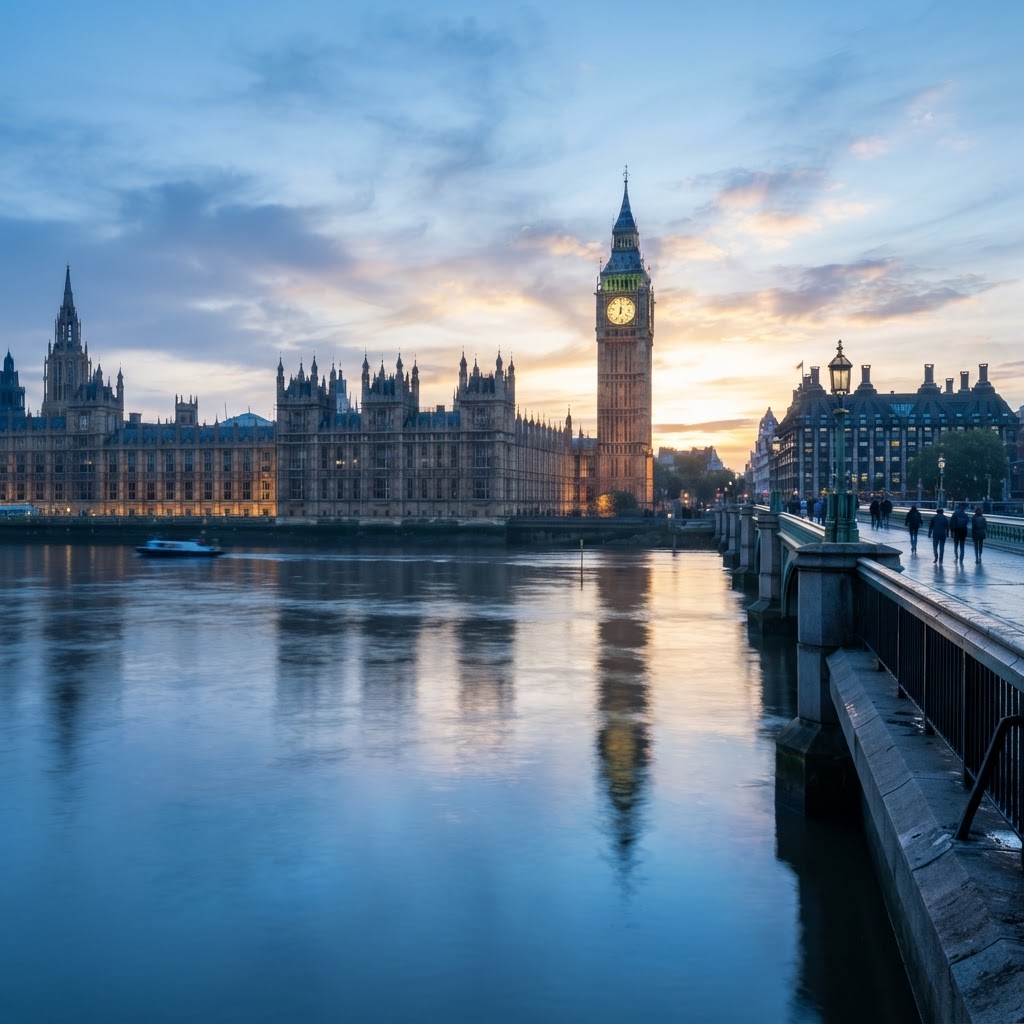
When photographing Big Ben, timing is everything. The iconic clock tower is arguably the most recognizable silhouette in the city, but it can be notoriously difficult to frame without the clutter of tourist crowds. For the best results, head to Westminster Bridge during the early morning hours, specifically just before sunrise. The soft blue light of dawn creates a dramatic backdrop that enhances the architectural details of the neo-Gothic structure.
Finding Unique Angles at Westminster
Instead of shooting from the center of the bridge like everyone else, try heading down to the Queen’s Walk embankment. By shooting low to the ground near the river’s edge, you can incorporate reflections in the Thames or use the foreground railings to lead the eye toward the clock face. Remember to use a tripod during twilight to keep your images sharp while maintaining a lower ISO for maximum clarity.
Capturing the Iconic Red Buses in Motion
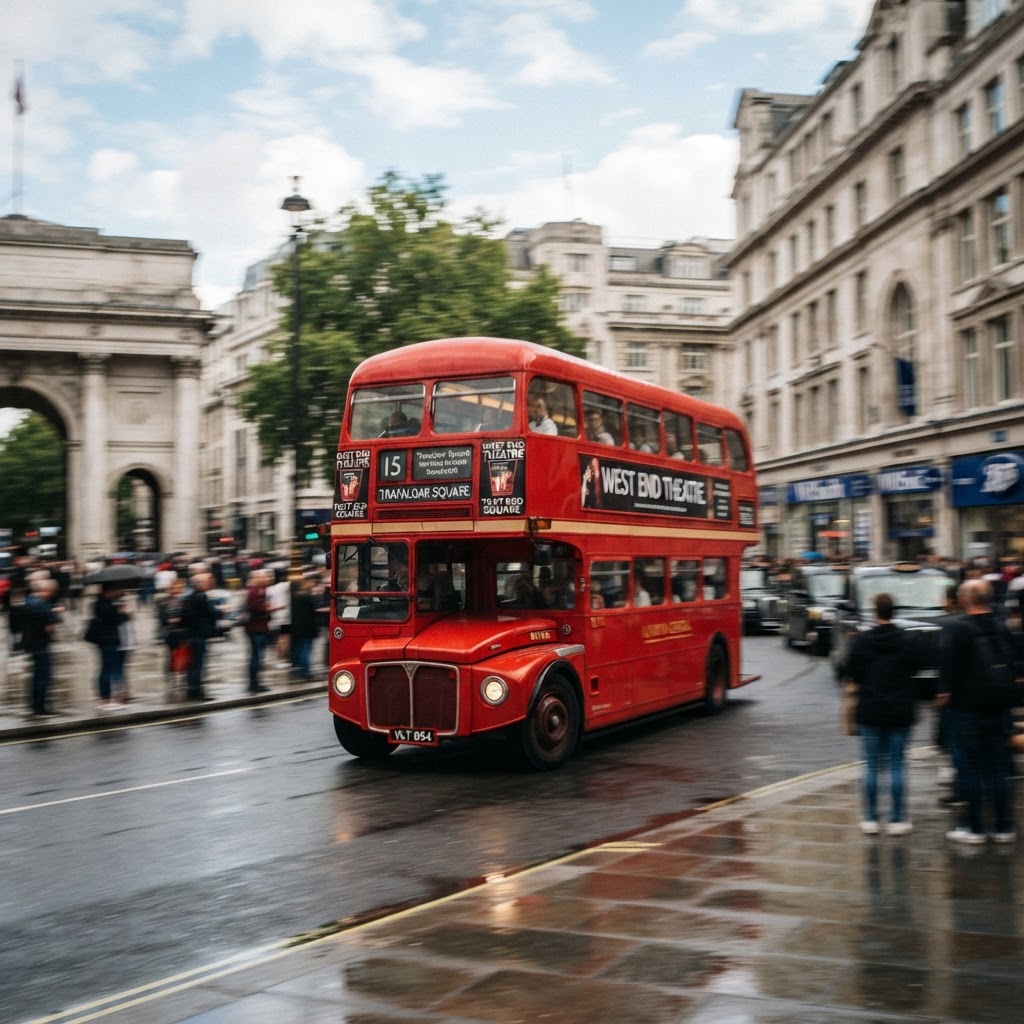
London street photography is incomplete without the pop of color provided by the iconic red double-decker buses. To capture them effectively, you need to master the art of panning. Set your camera to shutter priority mode with a shutter speed between 1/30th and 1/60th of a second. As the bus approaches, move your camera in sync with the vehicle’s movement. This technique keeps the bus relatively sharp while blurring the background, emphasizing the speed and energy of London’s streets.
Alternatively, you can park yourself near a busy intersection like Piccadilly Circus. Here, the sheer density of traffic allows for layered compositions. Try to wait for a bus to pass by just as a pedestrian or a street performer moves through the frame, adding a layer of storytelling to your cityscapes.
The Charm of Classic Red Telephone Boxes
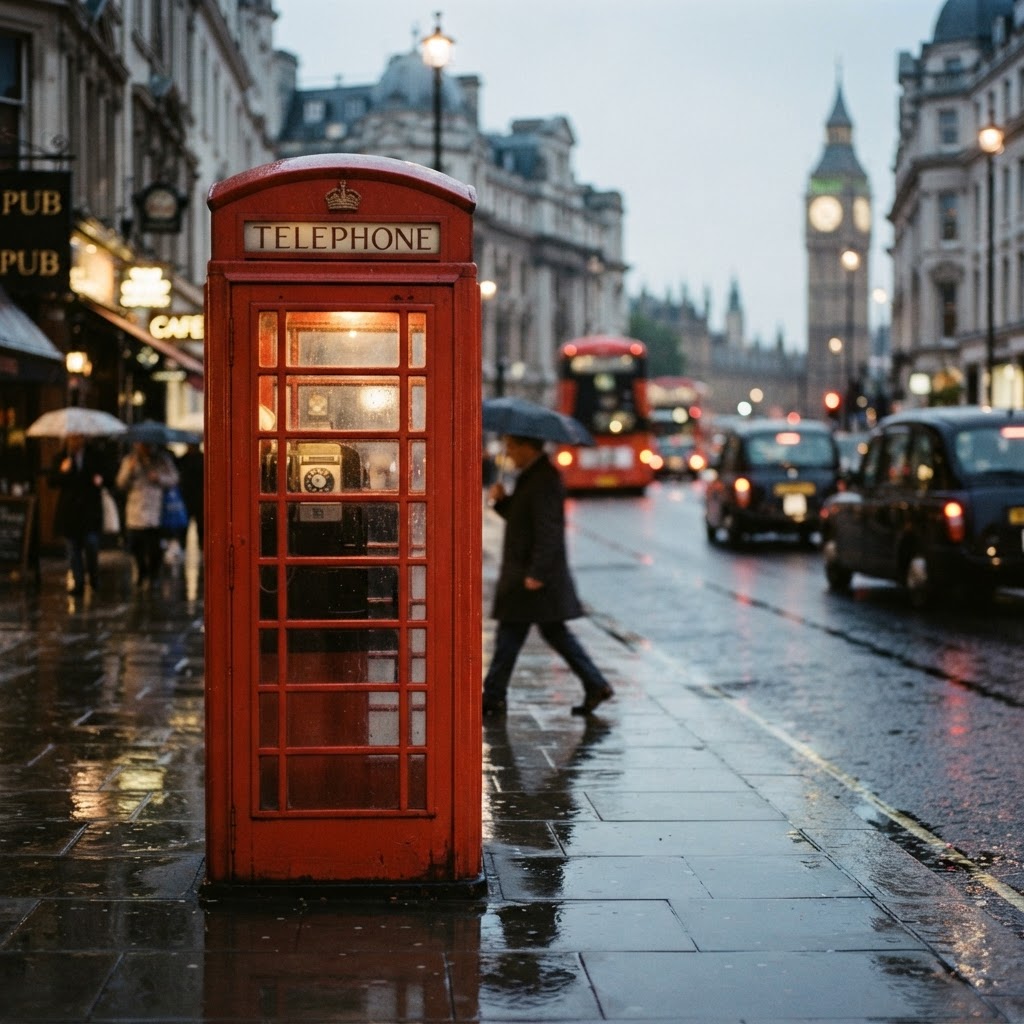
Finding the perfect red phone box is a rite of passage for every visitor. While they are rarer than they once were, specific locations maintain these classic symbols of British heritage. For the most aesthetic “postcard” shots, seek out the phone boxes located on the quiet side streets near South Kensington or the ones positioned directly in front of the Royal Courts of Justice.
To make your shots stand out, avoid the midday sun which causes harsh shadows. Instead, look for a rainy day. The reflection of the red paint on wet cobblestones adds a moody, cinematic quality that is inherently British. Use a prime lens with a wide aperture to create a beautiful bokeh effect on the background, isolating the phone box as the primary subject.
Best Practices for London Street Photography
When practicing London street photography, being unobtrusive is vital. Londoners are generally accustomed to photographers, but you should always respect people’s personal space. Use a small, discreet mirrorless camera rather than a massive DSLR with a telephoto lens, as this helps you blend into the background. Focusing on architectural details, interesting textures, and the interplay between light and shadow will help you build a compelling portfolio.
- Always keep your battery fully charged before leaving your accommodation.
- Carry a versatile 24-70mm zoom lens to cover both wide cityscapes and tight details.
- Research the sunset times to plan your “Golden Hour” shoot.
- Use a circular polarizer to cut glare off wet surfaces after a light drizzle.
Navigating the Best Photo Spots London Offers
Beyond the primary landmarks, you should explore areas like St. Dunstan in the East for stunning ruins overgrown with vines, or the colorful houses of Notting Hill. Each neighborhood offers a distinct flavor of the city, allowing you to showcase more than just the postcard icons. Planning your route geographically is one of the best tips from our Classic London Photo Guide; try grouping your locations by borough to save precious time on public transport.
Conclusion
Mastering your photography takes practice, but London provides the perfect classroom. By utilizing this Classic London Photo Guide, you have a solid foundation for capturing everything from the majesty of Westminster to the charm of hidden street corners. Remember that the best photographs are often those that capture a fleeting moment in time, so keep your camera ready and your eyes open.
Whether it is the soft morning light hitting the clock tower or a rainy evening reflection in a red telephone box, London is waiting to be framed by your unique perspective.
Leave a Reply