
London is a city where history meets modern energy, creating a canvas that every photographer dreams of capturing. From the rain-slicked streets reflecting neon lights to the architectural majesty of heritage sites, the capital of the United Kingdom offers endless inspiration. If you are planning a trip and want to return home with images that capture the true spirit of this historic metropolis, this guide will help you navigate the best angles and hidden opportunities for those iconic shots.
The Allure of Iconic London Imagery
There is something quintessentially British about the color palette of London. The bright red of the double-decker buses, the classic telephone booths, and the golden glow of the Elizabeth Tower against a moody sky are visual tropes that never go out of style. Understanding how to integrate these elements into your compositions can elevate your travel photography from simple snapshots to professional-grade narratives.
Mastering the Big Ben and Westminster Shot
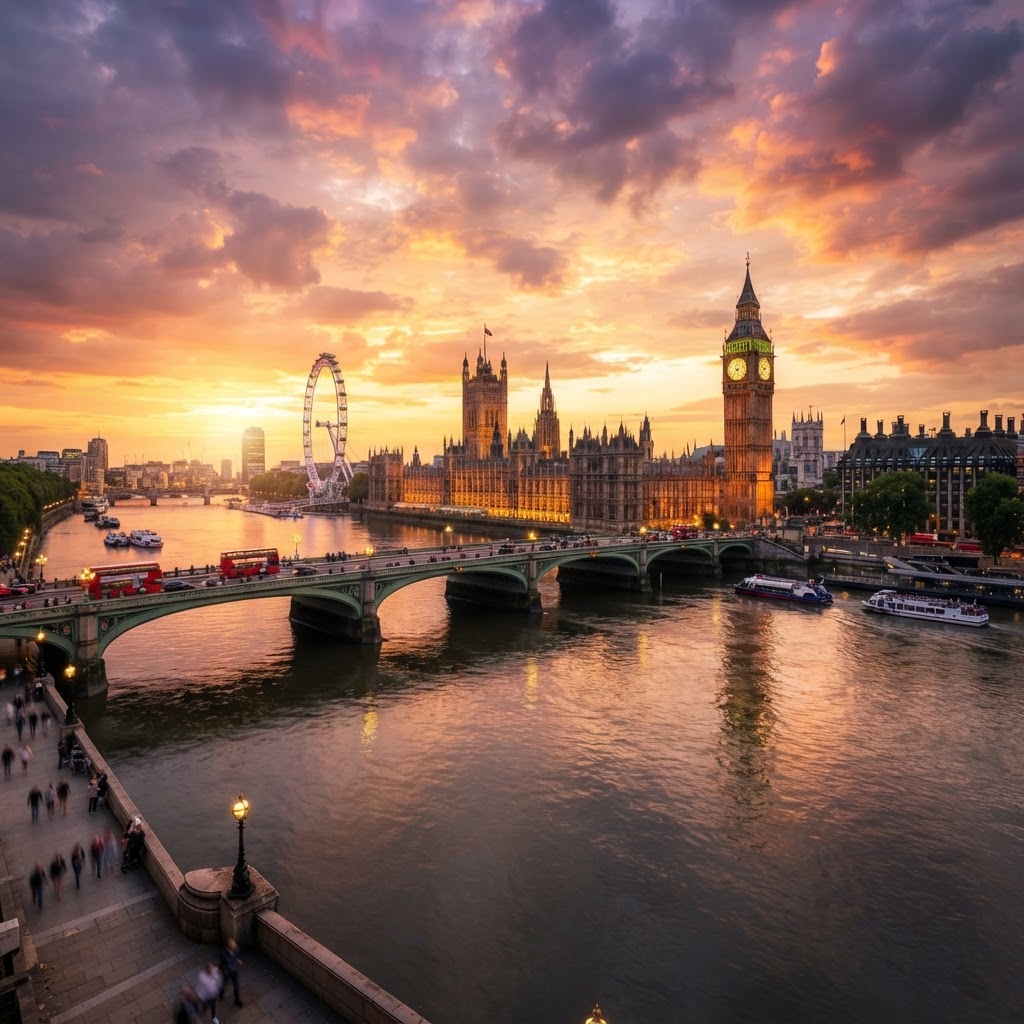
Big Ben, officially known as the Elizabeth Tower, is perhaps the most recognizable landmark in the entire country. To photograph it effectively, you need to understand the rhythm of the city around it. Most tourists crowd the bridge, but the best angles often lie slightly further back or from lower perspectives.
Finding the Perfect Angle
Head to the South Bank early in the morning to avoid the thickest crowds. By using a wide-angle lens, you can capture the reflection of the tower in the Thames, especially if the water is calm. Alternatively, look for framing opportunities using the gothic architecture of the surrounding buildings to create a sense of scale.
Playing with Light and Time
Big Ben is stunning during the ‘golden hour,’ just before sunset. The sandstone reacts beautifully to the low-angled light, turning a deep, rich gold. If you stick around after dark, the illuminated clock face provides a striking subject for long-exposure photography, allowing you to capture the movement of light trails from passing cars.
The Art of Capturing Red London Buses
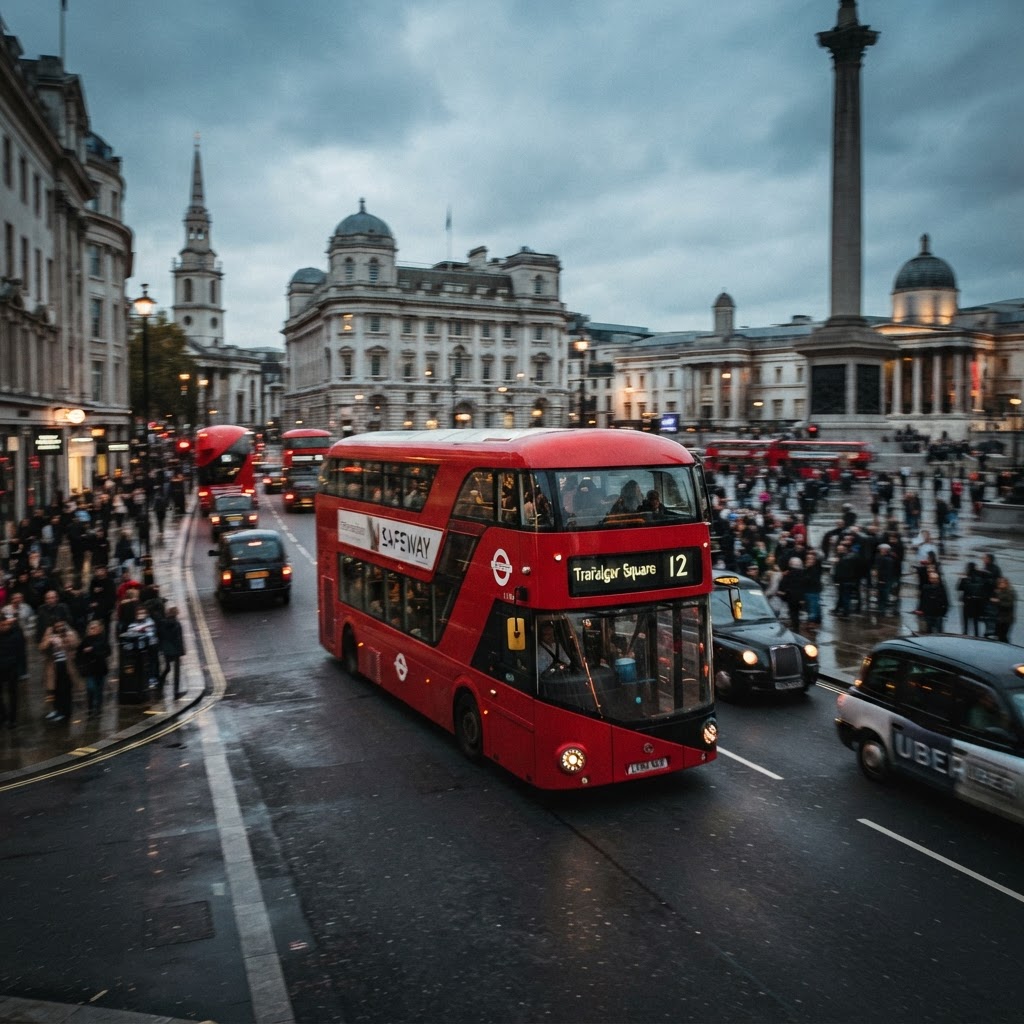
Red buses are the heartbeat of London’s streets. They add a vibrant splash of color to the often-gray urban backdrop. The trick to a great bus photo is finding a location where the composition feels balanced rather than chaotic.
Best Locations for Bus Photography
Piccadilly Circus and Oxford Street are classic choices, but the traffic can be overwhelming. For cleaner shots, try spots near Aldwych or the streets surrounding Trafalgar Square. These areas offer enough architectural character to anchor the photo while allowing the bus to stand out as a moving subject.
Motion Blur Techniques
To really sell the sense of movement, try a shutter speed of around 1/30th of a second while panning your camera along with the bus. This will keep the bus relatively sharp while blurring the background into a streaks of color, emphasizing speed and urban energy.
Hunting for the Elusive Red Phone Box
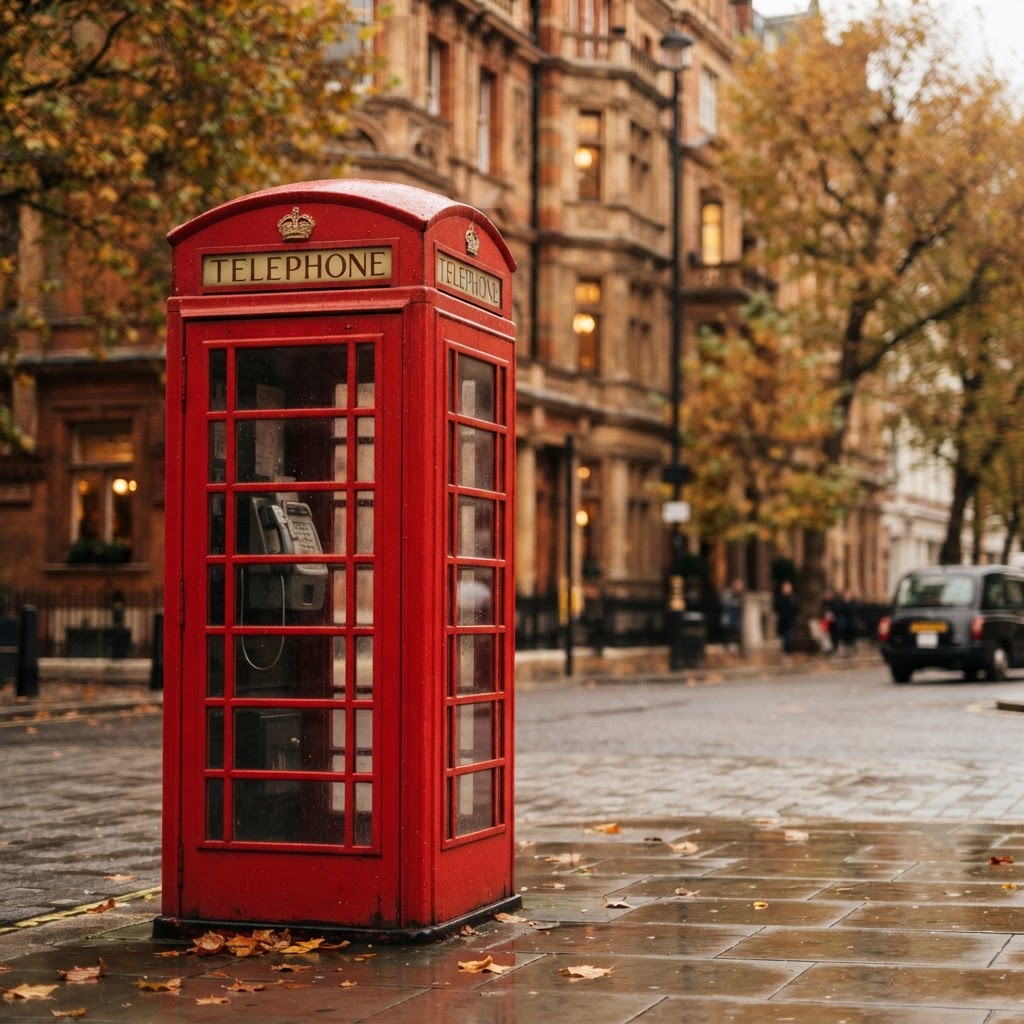
While smartphones have rendered public phone booths mostly obsolete, the red K6 telephone boxes remain vital cultural icons. Finding the perfect one, however, can be a challenge as many are removed or damaged.
Where to Find the Best Boxes
For the most ‘classic’ look, seek out the phone boxes near the Houses of Parliament or the ones lining the streets of South Kensington. These are often better maintained and situated against beautiful Victorian or Edwardian townhouses. Avoid the ones covered in heavy graffiti if you want a clean, postcard-style image.
Composition Tips for Small Subjects
Because phone boxes are relatively small, you should use a prime lens with a wider aperture to blur the background. This makes the box pop against the street scene. Don’t be afraid to get low to the ground to make the phone box look taller and more heroic in your frame.
Street Photography and Human Element
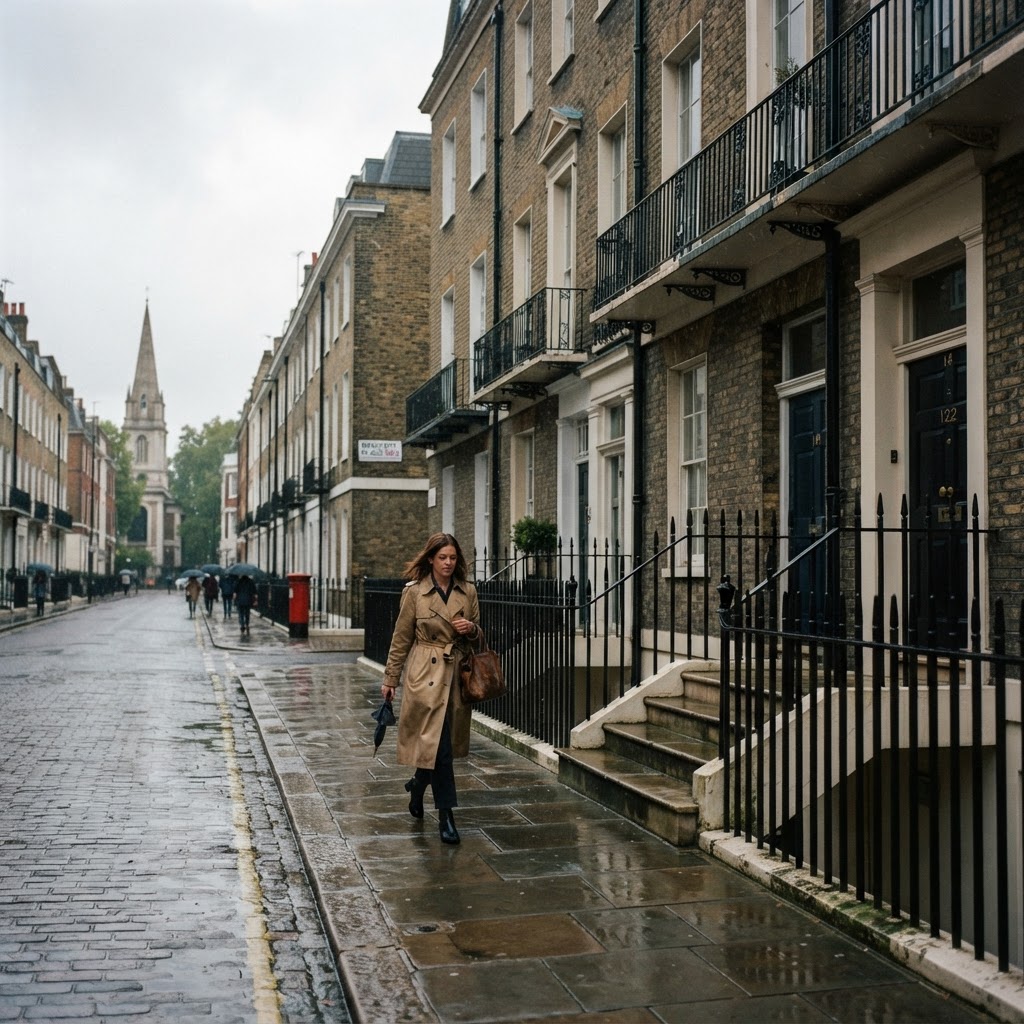
London is defined by its people as much as its architecture. Incorporating passersby into your shots of iconic landmarks adds a layer of depth and storytelling. A silhouette of a person walking past a Big Ben backdrop provides a sense of scale and life.
Candid vs. Staged Shots
Candid shots often feel more authentic to the ‘London vibe.’ Sit in a cafe with a window view or find a quiet corner of a public square and wait for the right subject to enter your frame. If you want a staged shot, ensure your subject is wearing something that complements the environment, such as a neutral-toned trench coat against the red accents of the city.
Essential Gear and Technical Settings
You don’t need a massive kit to capture London. A versatile zoom lens (like a 24-70mm) is usually sufficient for most scenarios. For the best quality, prioritize shooting in RAW format so you can handle the high dynamic range often found in London’s overcast skies.
Handling the ‘London Gray’
Don’t let cloudy days discourage you. Overcast weather provides natural ‘softbox’ lighting, which is perfect for street photography and portraits. If your photos feel too dull, slight adjustments in your post-processing software—specifically bumping up the vibrance of those iconic reds—will make the images pop.
Planning Your Photo Itinerary
To make the most of your trip, dedicate specific blocks of time to specific areas. Westminster and the South Bank can be done in one morning, while the charm of Kensington or Notting Hill deserves a separate afternoon. Always check the sunset times, as the golden hour is the photographer’s best friend.
Conclusion
London is a photographer’s playground, filled with history, color, and constant change. By focusing on the interplay between the iconic red of the buses and phone booths against the historic stone of landmarks like Big Ben, you can build a portfolio that truly captures the heart of the city. Grab your camera, keep your eyes open, and embrace the unpredictable beauty of the UK capital. Have you visited these spots yet? Share your favorite London photo location in the comments below and start planning your next creative outing today!
Leave a Reply