
Stretching along the sun-drenched northeastern coast of Spain, the Costa Brava is a region defined by its rugged cliffs, turquoise Mediterranean waters, and a collection of whitewashed fishing villages that feel frozen in time. While many tourists flock to the bustling cities of Barcelona, those who venture north find a landscape where the Pyrenees meet the sea. This guide explores the charm of the most beautiful coastal villages along the Costa Brava, offering a glimpse into a Mediterranean paradise that remains one of Europe’s most captivating destinations.
The Allure of the Wild Coast
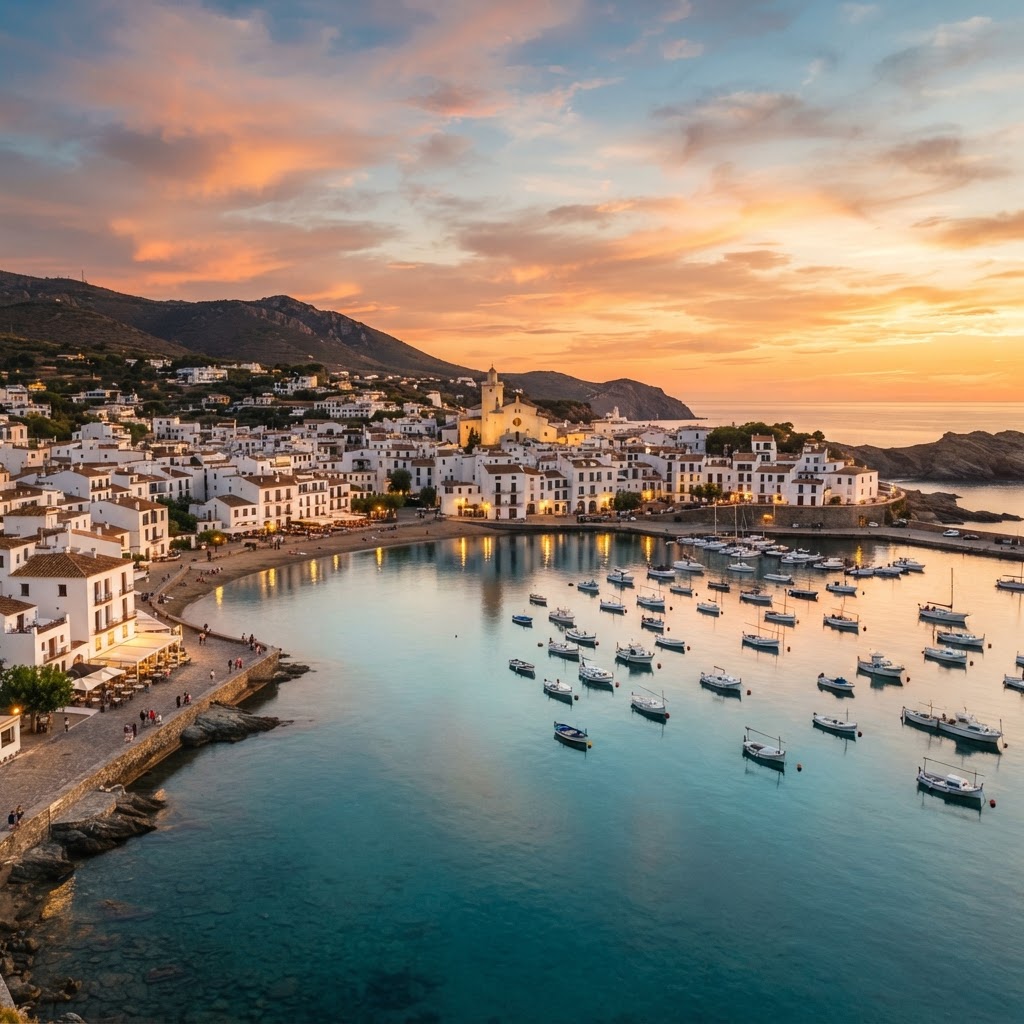
The name ‘Costa Brava’ literally translates to ‘Wild Coast.’ This moniker serves as a perfect descriptor for the dramatic geological features that have protected these villages from the rapid, high-rise development seen elsewhere in Spain. The combination of secluded calas (coves) and historic architecture makes the region a haven for artists, photographers, and travelers seeking an authentic escape.
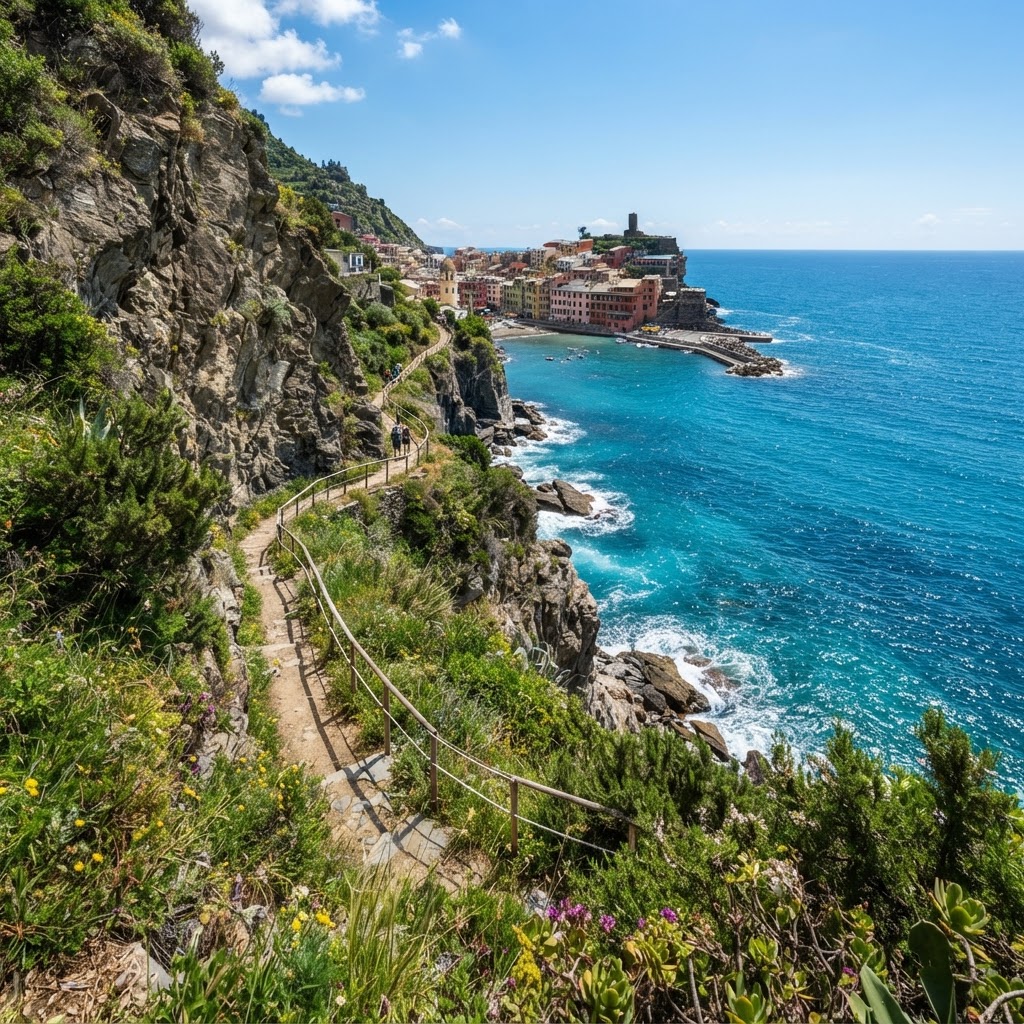
Visiting these villages requires patience and a spirit of adventure. Whether you are navigating the winding coastal roads or hiking the Cami de Ronda, the journey is just as rewarding as the destination. The blend of Catalan heritage and Mediterranean lifestyle creates a unique atmosphere that is both relaxed and culturally rich.
Cadaqués: The Jewel of the North
Often cited as the most beautiful of all the coastal villages along the Costa Brava, Cadaqués sits isolated on the Cap de Creus peninsula. Its isolation was once its greatest challenge, but today it is the village’s defining charm. With its bright white houses clustered around a natural harbor, it feels like a place where time has slowed down significantly.
Artistic Roots and Salvador Dalí
Salvador Dalí famously chose to live in nearby Portlligat, and his influence is felt everywhere in Cadaqués. You can visit the Casa-Museu Salvador Dalí, which offers a deep dive into the surrealist master’s life. The town’s narrow, winding streets are filled with art galleries, small boutiques, and cafes that seem inspired by the very landscape that birthed Dalí’s imagination.
The Natural Beauty of Cap de Creus
Beyond the village architecture, the surrounding Cap de Creus Natural Park offers incredible hiking trails. The wind-swept rocks and dramatic cliffs provide a stunning backdrop for photography. Be sure to visit the lighthouse, which offers panoramic views of the Mediterranean Sea that are simply unmatched.
Calella de Palafrugell and Traditional Charm
If you want to experience the traditional character of a Catalan fishing village, Calella de Palafrugell is your destination. Unlike more tourist-heavy spots, this village has retained its soul through strict preservation of its historic waterfront. The white-washed houses, arched porches, and colorful fishing boats anchored in the bay create a postcard-perfect setting.
The Cami de Ronda Experience
Calella serves as a perfect starting or ending point for the Cami de Ronda, a network of coastal footpaths that historically connected the villages to control smuggling. Walking a portion of this path offers breathtaking views of the rugged coastline. It is an essential activity for any traveler looking to connect with the natural beauty of the region.
Summer Evenings and Music
Every summer, the village hosts the ‘Cantada d’Habaneres,’ an event where local singers perform traditional Cuban-influenced sea shanties. It is a deeply atmospheric experience that highlights the strong maritime history of the Costa Brava. Sitting by the sea with a glass of local wine while listening to these songs is a highlight of any trip to the area.
Begur: History and Elevated Views
Perched on a hillside slightly inland from the coast, the village of Begur offers a different perspective on the region. The town is dominated by the ruins of a medieval castle that provides 360-degree views of the surrounding coast and the Ampurdan plain. Begur is unique because it blends medieval history with the natural beauty of some of the region’s best beaches.
Exploring the Hidden Coves
From the center of Begur, a short drive or an invigorating hike leads you to stunning hidden beaches like Sa Tuna, Aiguafreda, and Platja Fonda. Each cove features distinct characteristics, from dark volcanic sand to crystal-clear water perfect for snorkeling. These beaches are rarely crowded, making them ideal for those seeking tranquility.
Tossa de Mar: Where the Medieval Meets the Sea
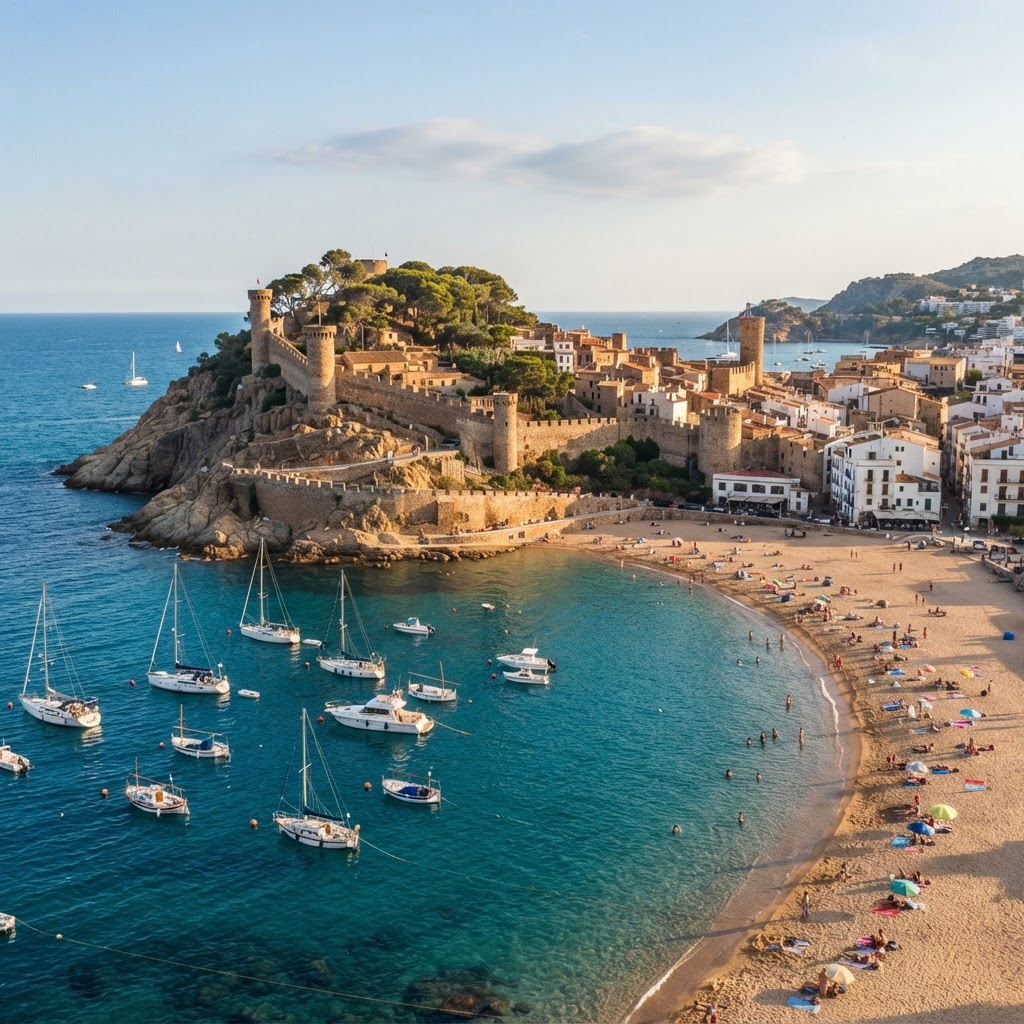
Tossa de Mar is iconic for its Vila Vella, the only remaining fortified medieval town on the Catalan coast. Walking through the narrow, cobbled streets within the high stone walls of the 12th-century castle is like stepping back into the Middle Ages. The contrast between the ancient ramparts and the pristine blue water beneath them is striking.
A Blend of Old and New
Beyond the historic walls, the village offers a vibrant modern center filled with restaurants serving fresh seafood and local delicacies. The beach at the base of the fortress, Platja Gran, is perfect for a swim, offering a unique opportunity to swim right in the shadow of a medieval watchtower. It is this unique intersection of history and recreation that makes Tossa de Mar a top destination.
Practical Tips for Your Trip
To make the most of your visit to these coastal villages along the Costa Brava, planning is essential. Consider the following tips to ensure a smooth journey through this rugged landscape:
- Transportation: Renting a car is the best way to explore, as public transport can be infrequent in smaller villages.
- Timing: The shoulder seasons—May, June, and September—offer the best balance of warm weather and fewer crowds.
- Footwear: Bring sturdy walking shoes for the Cami de Ronda and the hilly streets of towns like Begur.
- Dining: Always make reservations at popular seafood restaurants, especially during the peak summer months.
Getting Around the Coast
While cars provide independence, the coastal roads can be narrow and winding. If you prefer to avoid driving, consider using the ‘Bus-Plana’ service or focusing your trip on a base village like Palafrugell, using taxis for short hops to nearby coves. Always carry a physical map, as cellular reception can be intermittent in the more remote mountainous areas near the coast.
Culinary Delights of the Costa Brava
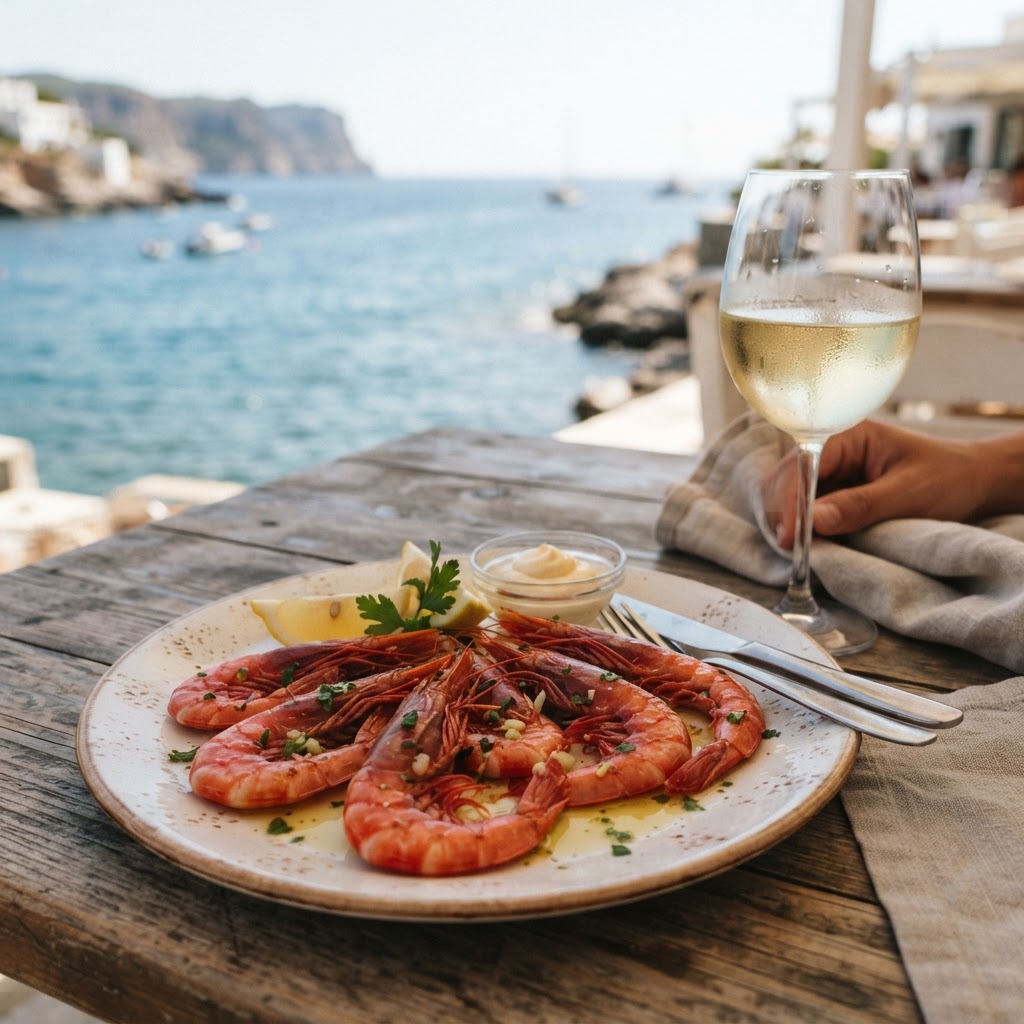
No trip to the Costa Brava is complete without indulging in the local cuisine. The region is famous for ‘Mar i Muntanya’ (Sea and Mountain) dishes, which combine seafood with meat. Try the local red prawns from Palamós, widely considered some of the best in the world, paired with a glass of crisp white wine from the Empordà region.
Conclusion
The coastal villages along the Costa Brava offer an intoxicating blend of history, natural beauty, and a lifestyle that celebrates the simple pleasures of the Mediterranean. From the surrealist streets of Cadaqués to the medieval fortresses of Tossa de Mar, every corner of this region tells a story. Whether you are a hiker looking for dramatic trails or a traveler seeking a quiet beach retreat, the ‘Wild Coast’ promises an unforgettable journey. Start planning your trip today and experience the timeless magic of the Spanish coastline for yourself.
Leave a Reply