
Stepping into a local fruit market along the rugged, sun-drenched coastline of the Costa Brava is an experience that awakens every sense. As the Mediterranean sun warms the stone-paved plazas, the air fills with the intoxicating perfume of vine-ripened tomatoes, sweet peaches, and aromatic herbs. These markets are not merely places to trade currency for groceries; they are the beating heart of Catalan community life. For any traveler seeking an authentic connection to this coastal paradise, wandering through these stalls is an absolute necessity.
The Magic of Mediterranean Produce
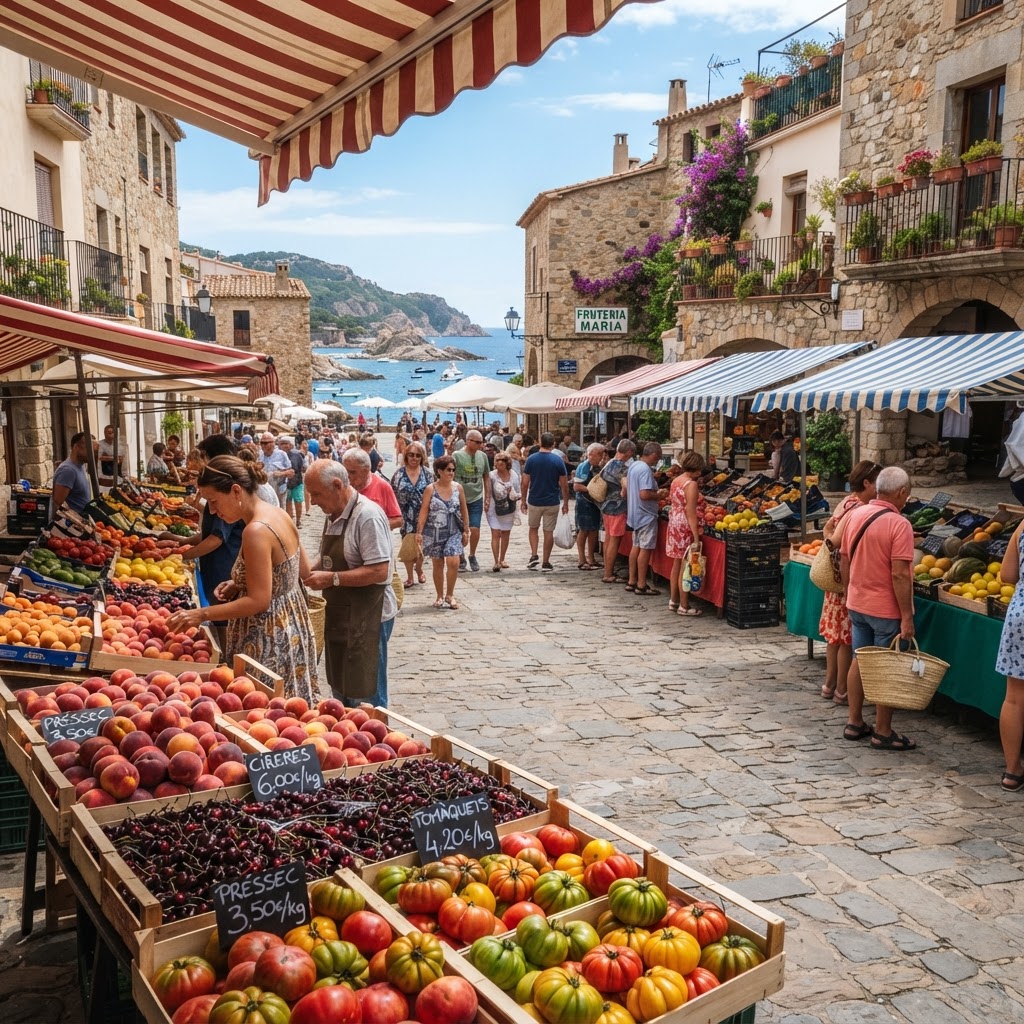
There is a profound difference between the fruits and vegetables found in a global supermarket chain and those displayed in a bustling Costa Brava fruit market. The secret lies in the region’s unique geography, where the cooling sea breeze meets the rich, mineral-heavy soil of the Iberian Peninsula. This microclimate fosters a depth of flavor that is genuinely distinct.
Seasonal eating is a religion here. When you visit these markets, you are participating in a historical rhythm that has defined life in Catalonia for centuries. Whether it is the first sweet cherries of late spring or the hearty, deep-purple figs of late summer, the produce reflects exactly where you are in the turning of the calendar year.
Why Local Matters in Catalonia
When you purchase from a local vendor, you are supporting family farms that have often been in operation for multiple generations. These producers prioritize flavor over transportability. They harvest at the peak of ripeness, ensuring that when you bite into a nectarine, it explodes with juice and sugar, rather than the mealy texture often found in imports.
Navigating the Traditional Market Experience
Walking into a market in towns like Begur, Palafrugell, or Sant Feliu de Guíxols can feel intimidating to the uninitiated. However, the culture is incredibly welcoming if you understand the unspoken etiquette of the stall. Most vendors are proud of their inventory and are more than happy to explain where their produce comes from.
To have the best experience, aim to arrive early in the morning, ideally before 10:00 AM. This is when the selection is at its most diverse, the light is soft for photography, and the vendors have more time to chat about the origins of their harvest. Don’t be afraid to ask for a sample; it is a standard and expected part of the shopping process.
Useful Phrases for Your Visit
Learning a few words in Catalan or Spanish will immediately change the dynamic of your interaction. Even a simple ‘Bon dia’ (Good morning) earns you instant respect from the stall owners who value visitors who make the effort to engage with local customs.
- ‘Què és això?’ (What is this?)
- ‘És de proximitat?’ (Is it local?)
- ‘Vull una mica d’això, sisplau.’ (I would like some of this, please.)
- ‘Està molt madur?’ (Is it very ripe?)
Seasonal Highlights to Look For
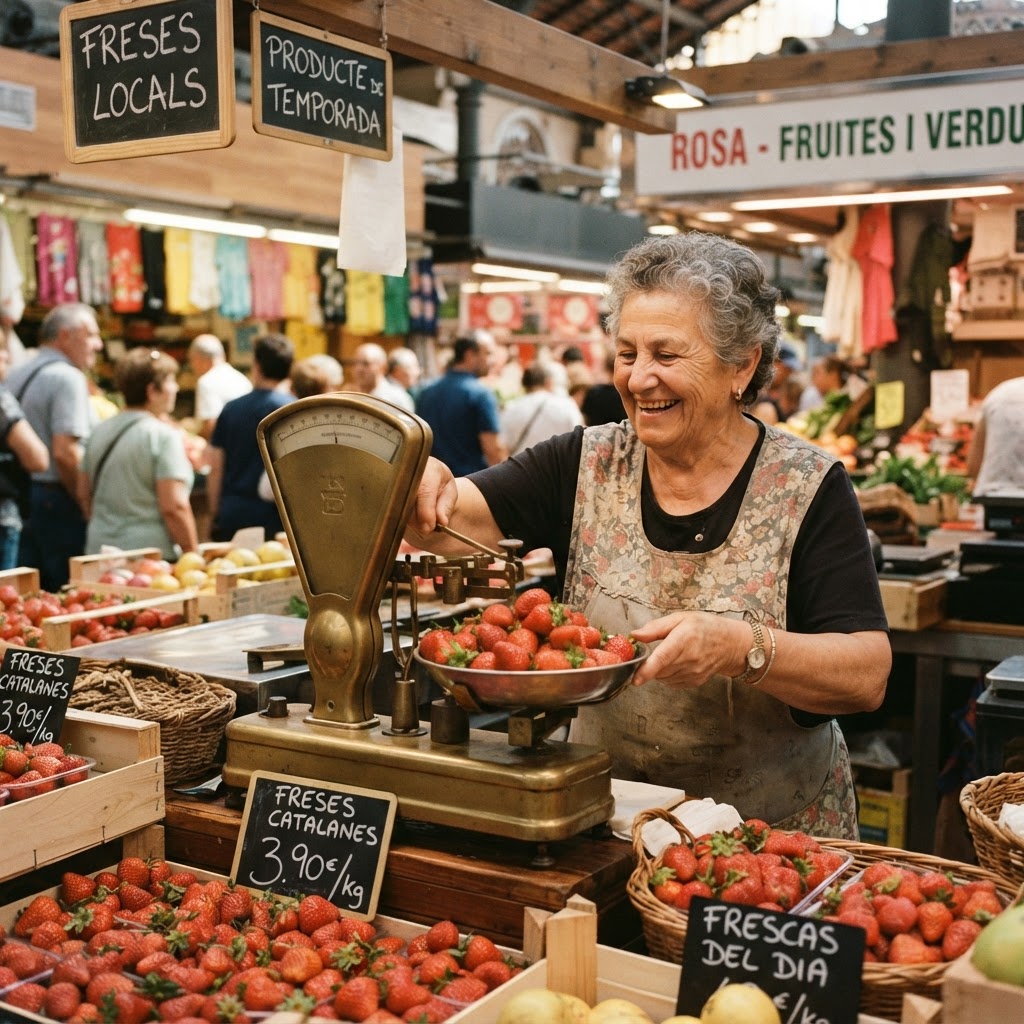
One of the greatest joys of exploring the Costa Brava fruit market scene is discovering what is currently in season. The calendar of growth is strictly followed, and you will find that the market changes its entire visual identity every few weeks. Here is a quick guide to help you identify the best treasures depending on when you visit.
| Season | Key Produce Items |
| :— | :— |
| Spring | Strawberries, cherries, artichokes, asparagus |
| Summer | Peaches, nectarines, melons, tomatoes, peppers |
| Autumn | Figs, pomegranates, grapes, mushrooms, citrus |
| Winter | Oranges, mandarins, kohlrabi, winter squashes |
The Allure of the ‘Tomàquet de Penjar’
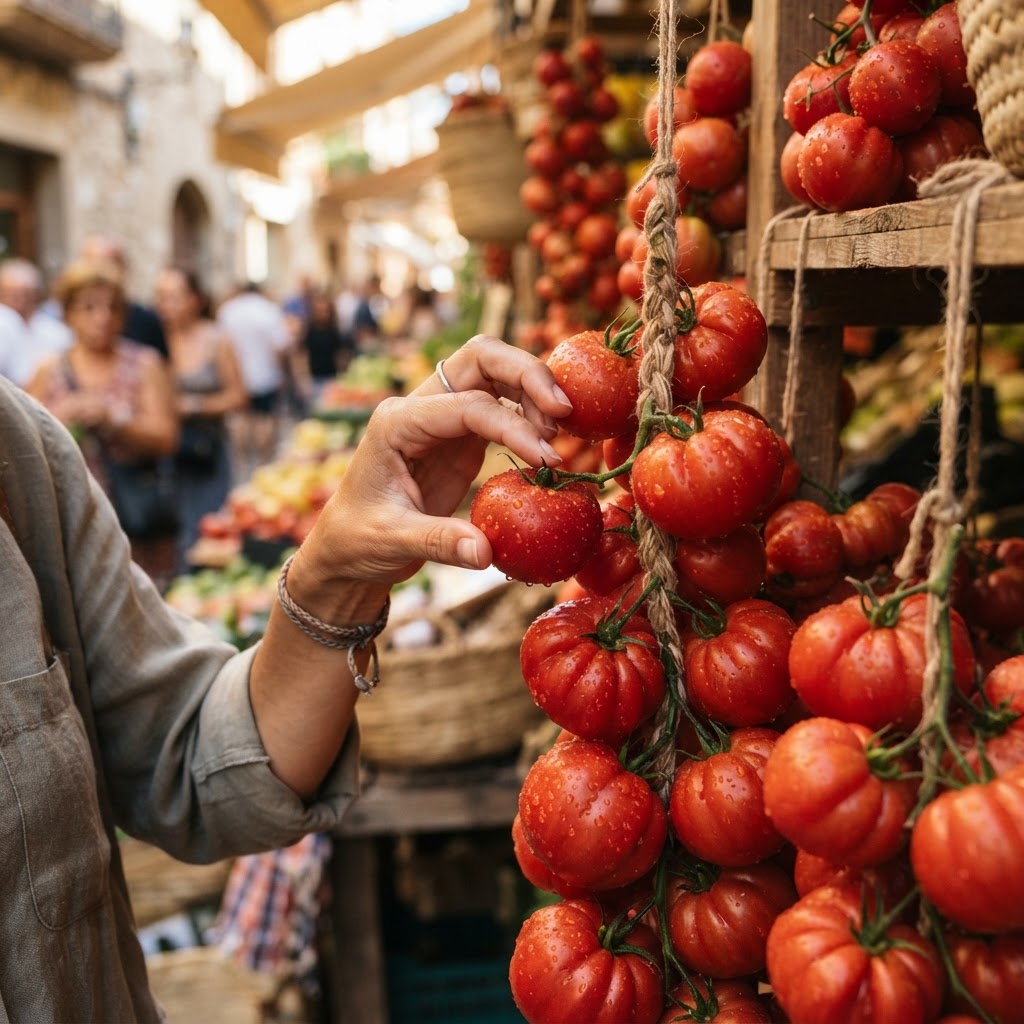
If there is one item you must seek out above all others, it is the ‘tomàquet de penjar’. These are hanging tomatoes, specifically grown to be dried and stored. They are the essential ingredient for ‘pa amb tomàquet’, the classic Catalan bread rubbed with tomato, olive oil, and sea salt. The flavor profile of these specific tomatoes is savory, slightly acidic, and deeply earthy, providing a taste of the Mediterranean that you simply cannot replicate with standard grocery store varieties.
Beyond Fruit: Complementary Market Goods
While the fruit is the primary draw, a true Mediterranean market is an ecosystem of flavor. After you have gathered your basket of seasonal fruits, you will find stalls selling high-quality extra virgin olive oil, local honey, and aged cheeses from the surrounding Empordà region. These items are the perfect companions to your market haul.
Many of these markets also feature artisanal bread makers who provide loaves with thick, crackling crusts and airy interiors. There is no better lunch than a fresh loaf of crusty bread, a wedge of local goat cheese, and a bag of sun-warmed peaches consumed on a nearby coastal cliffside overlooking the azure sea.
Connecting with the Local Community
Beyond the culinary benefits, visiting these markets is an act of cultural immersion. You will see grandmothers selecting the perfect bunch of grapes with a level of scrutiny that would satisfy a diamond appraiser. You will hear the rapid, melodic flow of the Catalan language bouncing between stalls, punctuated by bursts of laughter and heavy wooden crates being shifted.
This is a living, breathing history. By participating in this trade, you are helping to preserve a way of life that is slowly being squeezed out by industrialized retail. It is a slow, tactile, and human-centered way to spend a morning, perfectly aligned with the relaxed pace of life that defines the Costa Brava.
Sustainable Shopping Practices
To ensure these markets remain vibrant for years to come, consider bringing your own reusable bags or baskets. Many vendors appreciate the reduction in plastic waste, and it adds to the aesthetic charm of your market haul. When you purchase in bulk or choose what is currently in season, you are also significantly lowering the carbon footprint of your meals.
Culinary Tips for Your Haul
Once you return to your accommodation with your bounty, resist the urge to put everything in the refrigerator. Most of the fruits and vegetables found in these markets are best enjoyed at room temperature. The chill of a fridge often mutes the volatile compounds that make Mediterranean produce so aromatic and flavorful.
If you have purchased stone fruits like peaches or nectarines, leave them in a bowl on the counter where they can continue to soften slightly. If you have picked up a bounty of fresh herbs like rosemary or thyme, hang them in a dry, shaded spot. The goal is to let these ingredients shine with minimal intervention. A sprinkle of high-quality salt and a drizzle of olive oil is often all that is required to elevate them into a gourmet meal.
Conclusion
Visiting a Costa Brava fruit market is more than a shopping trip; it is an invitation to slow down and savor the essence of the Mediterranean. From the vibrant colors of the seasonal displays to the warmth of the local vendors, these markets offer an authentic slice of Catalan life that no resort or guided tour can replicate. Whether you are searching for the perfect ingredient for a picnic or simply want to soak in the atmosphere, make sure to carve out time on your next trip to explore these beautiful, bustling spaces.
Have you had the chance to wander through a Catalan market? Share your favorite find or your most memorable market-side snack in the comments below, and start planning your next culinary adventure along the coast today!
Leave a Reply