
Escaping the fast-paced energy of London for the honey-colored stone villages of the Cotswolds is a quintessential British getaway. Just a two-hour journey from the capital, this Area of Outstanding Natural Beauty offers rolling hills, historic market towns, and a slower pace of life that feels worlds away from the city. Planning the perfect Cotswolds weekend from London requires a balance of transportation logistics, accommodation choices, and curated sightseeing to ensure you make the most of your limited time.
Transportation: Getting from London to the Cotswolds
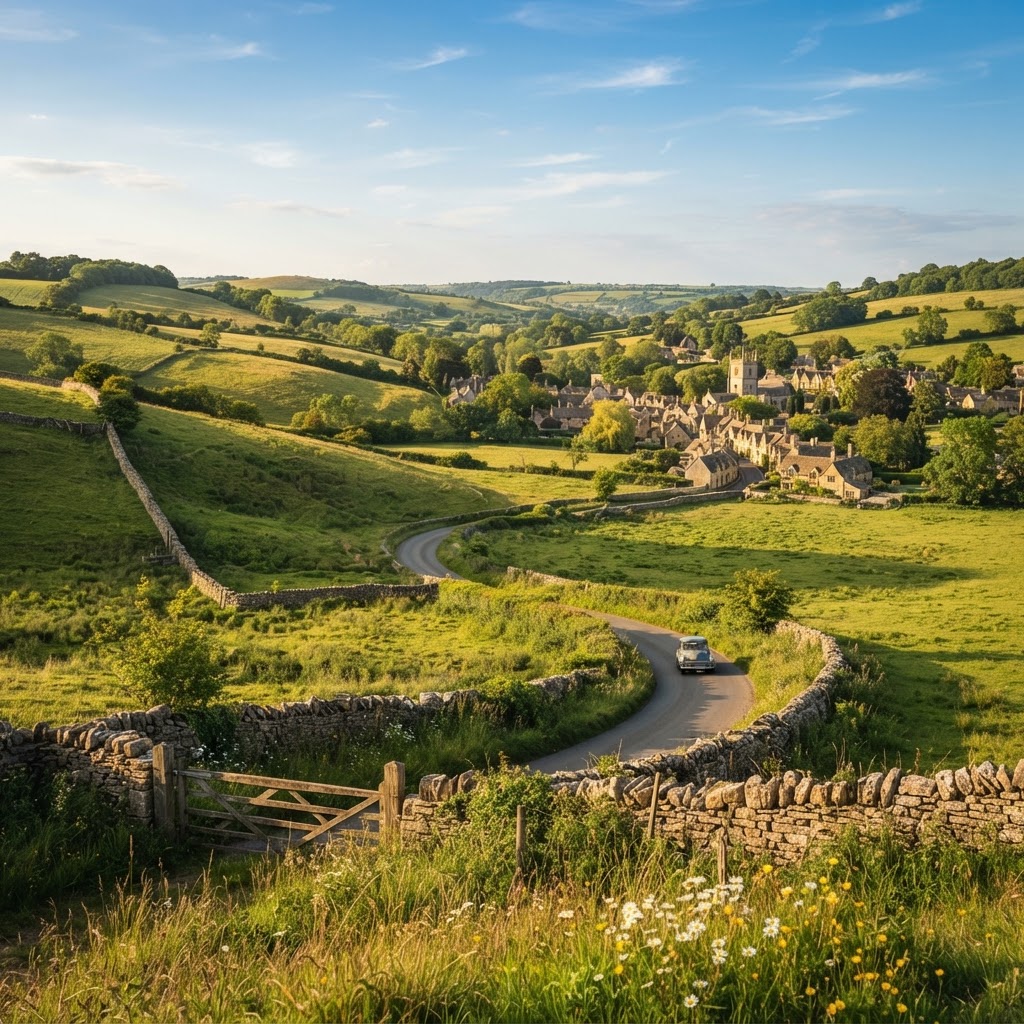
The convenience of a trip to the Cotswolds is one of its biggest draws. Whether you prefer the freedom of driving or the ease of public transit, there are several ways to reach this idyllic destination. Most travelers opt for a combination of trains and rental cars or local transport to maximize their exploration time.
If you are driving, the route takes you westward via the M40 motorway. Starting from London, you can reach the eastern edges of the region in approximately two hours, depending on your final destination. Driving provides the most flexibility, allowing you to stop in tiny hamlets that lack public transport links. Be aware, however, that village roads can be incredibly narrow, and parking in popular spots like Castle Combe can be a challenge during peak tourist months.
For those who prefer not to drive, taking the train from London Paddington station is a fantastic alternative. Direct lines run to Moreton-in-Marsh or Kemble, effectively dropping you in the heart of the region within 90 minutes. Once you arrive, you can use local bus services, taxis, or even rent a bicycle to traverse the countryside. Many visitors choose to base themselves in one town and use a local chauffeur or taxi service for a day of village hopping.
Selecting Your Base: Where to Stay in the Cotswolds
Choosing the right location for your weekend is the most critical part of your planning process. Because the Cotswolds covers a vast geographic area, staying in the right “hub” can save you hours of unnecessary driving. If you arrive by train, Moreton-in-Marsh or Chipping Campden are excellent bases. These towns offer a rich selection of boutique hotels and independent cafes.
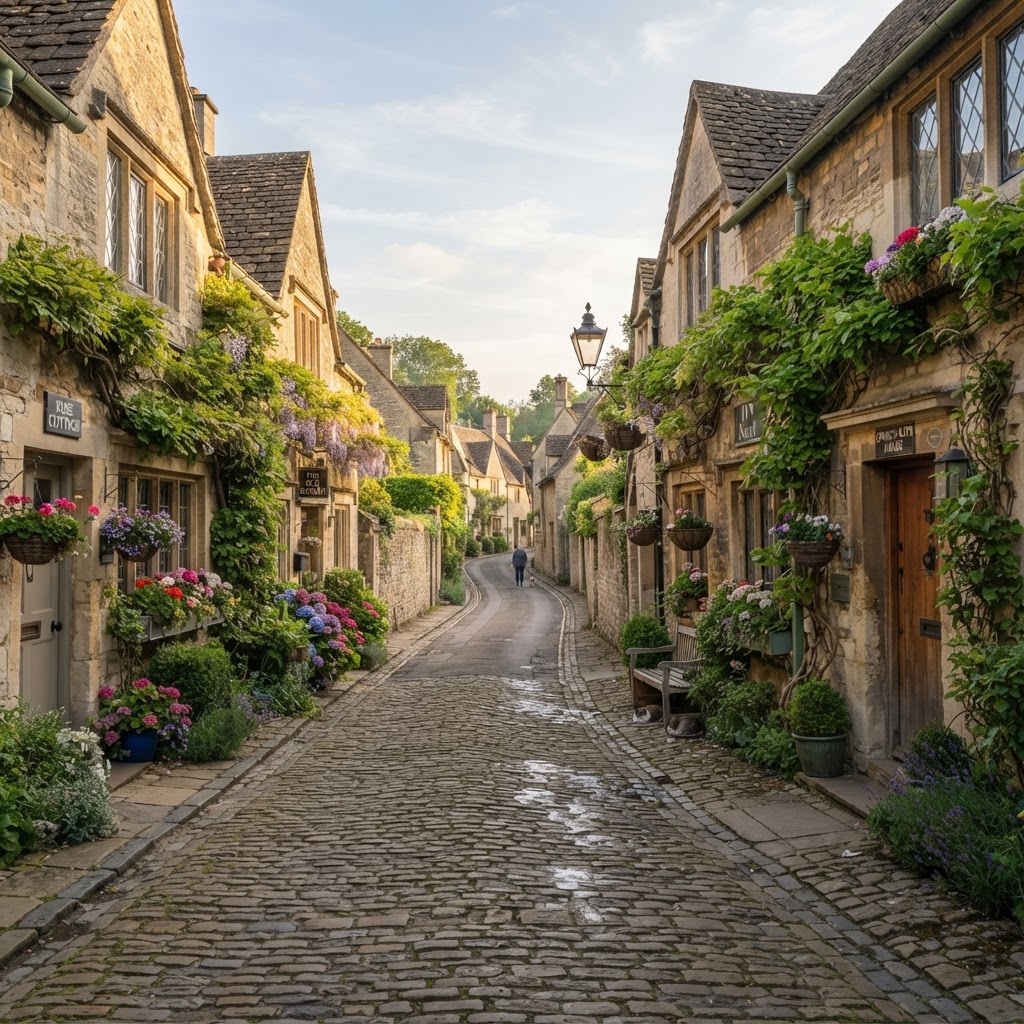
If you are looking for a quintessential village experience, consider Bibury or Broadway. Known for their photogenic streets, these locations provide that classic postcard view as soon as you step outside your hotel room. For foodies, Burford serves as a perfect middle ground, offering proximity to high-end gastropubs and charming tea rooms, making it a reliable choice for a short weekend getaway.
For a touch of luxury, the region is famous for its manor house conversions and country spas. Booking a stay in a converted coaching inn provides a deep sense of history, with many properties dating back to the 17th century. Look for establishments that emphasize “farm-to-table” dining to truly immerse yourself in the local culture and culinary landscape.
Crafting Your Itinerary: A Sample Two-Day Plan
To make the most of a 48-hour trip, it is helpful to categorize your interests. Do you prefer hiking and nature, or are you looking for antique shopping and cream teas? A well-planned itinerary prevents the fatigue of trying to see everything at once. Focus on one specific area per day, such as the North Cotswolds on Saturday and the Southern area on Sunday.
Start your first morning in Chipping Campden, exploring the historic market hall. Follow this with a short drive to Broadway Tower for panoramic views across the countryside. In the afternoon, head to the lavender fields if you are visiting in summer, or stroll through the colorful gardens of Hidcote Manor. Keeping your travel radius tight ensures you spend more time relaxing and less time behind the wheel.
Day two should shift focus to the charming water-features of the region. Visit the village of Bourton-on-the-Water, often called the “Venice of the Cotswolds,” to see the low bridges and river paths. In the afternoon, visit the Arlington Row cottages in Bibury for the quintessential photograph. Finally, end your weekend with a traditional Sunday roast at a local country pub before heading back to London.
Must-Visit Villages and Hidden Gems
While popular hotspots like Castle Combe are undeniably beautiful, they can get quite crowded on sunny weekends. To have a more authentic experience, try to mix in some lesser-known villages. Villages like Minster Lovell or Great Tew offer the same historic charm with significantly fewer tourists, allowing you to walk the quiet lanes in peace.
If you are an architecture enthusiast, look for the “Wool Churches” of the region. These grand structures, funded by the historic wool trade, are found in places like Cirencester and Northleach. They stand as monuments to the region’s prosperity and are often overshadowed by the smaller, cuter cottages that define the area’s aesthetic.
Nature lovers should not miss the chance to walk sections of the Cotswold Way. This National Trail spans over 100 miles, but you can easily tackle a three-to-five-mile circular route that starts and ends in a village. This allows you to enjoy the rolling hills and dry-stone walls that the area is world-famous for, all while knowing a pint of ale awaits you at the finish line.
Dining and Local Culinary Experiences
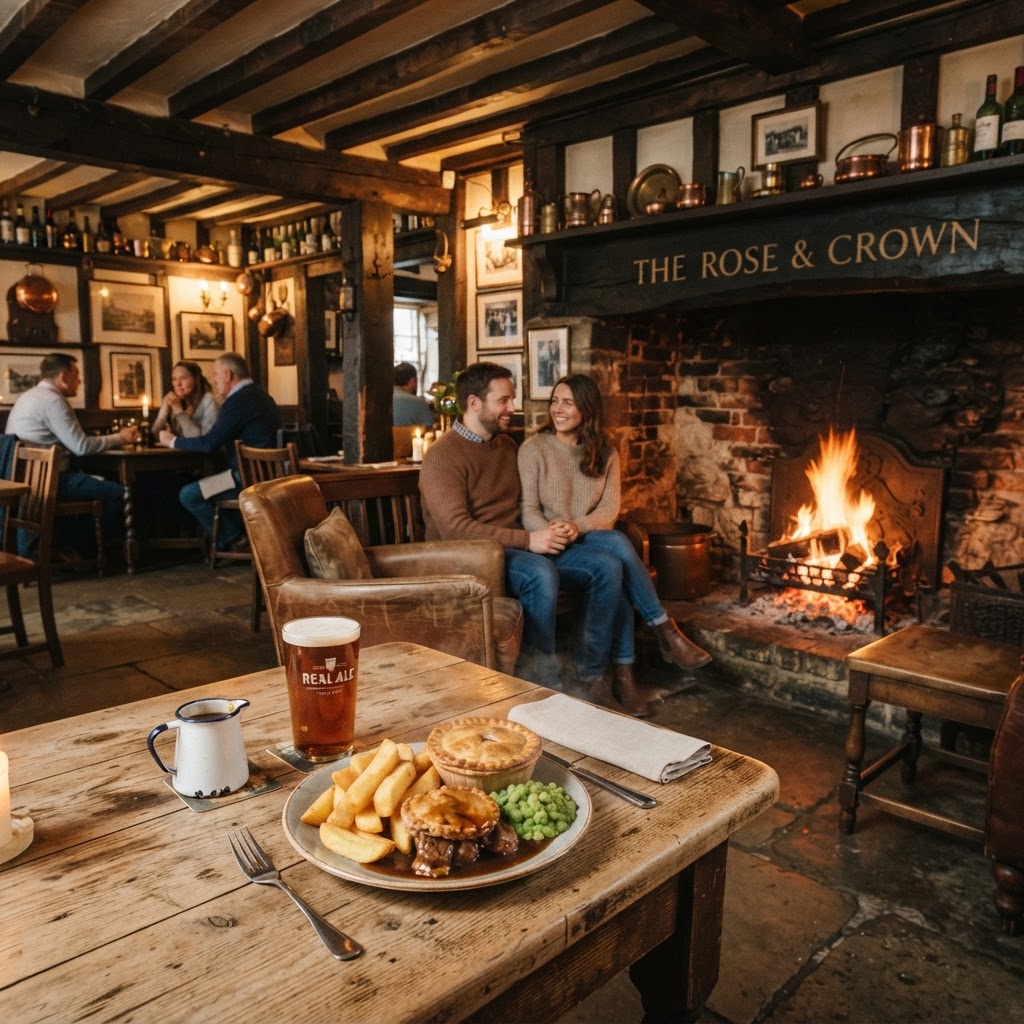
Food in the Cotswolds is an attraction in its own right. The region is home to an incredible array of award-winning gastropubs, where the menu changes daily based on seasonal produce from nearby farms. You haven’t truly experienced the Cotswolds until you have sat by a roaring log fire with a plate of local venison or a seasonal vegetable pie.
Afternoon tea is another non-negotiable activity. While many hotels offer formal services, the smaller, independent tea rooms often provide a more rustic and intimate experience. Look for places that serve warm scones with clotted cream and local jams. For a unique twist, some spots offer high tea using locally foraged herbs and honey.
If you are visiting during the week or a quiet weekend, consider visiting a local farmers’ market. The Stroud Farmers’ Market is particularly famous for its high quality and variety. It is the perfect place to pick up artisanal cheeses, honey, and sourdough bread to create a picnic to enjoy in the countryside as you continue your tour.
Practical Tips for a Seamless Weekend
To ensure your trip goes smoothly, keep a few logistical tips in mind. First, always carry a small amount of cash, as some rural parking lots and smaller village shops do not accept card payments. Second, download offline maps before you leave London. Rural mobile signal can be notoriously spotty, and you don’t want to be lost on a single-track lane without GPS.
Respect the local environment by practicing “Leave No Trace” principles. The Cotswolds is a working landscape, meaning there are many sheep and cattle grazing in fields. Always keep dogs on leads when walking through farm land and ensure you close gates behind you. This helps preserve the beauty and functionality of the countryside for everyone to enjoy.
Finally, check local event calendars before you book. The region hosts various literary festivals, antique fairs, and village fetes throughout the year. While these events can add a wonderful cultural dimension to your trip, they can also cause local road congestion and make finding accommodation significantly harder if you haven’t booked well in advance.
Conclusion
Planning a Cotswolds weekend from London is the perfect way to recharge your batteries while immersing yourself in the classic English countryside. By selecting a smart base, focusing your itinerary on a few key areas, and balancing popular sites with hidden gems, you can create a trip that feels both relaxing and rich with discovery. Whether you are walking through fields of gold, browsing antiques in a market town, or tucking into a hearty meal at a historic pub, the Cotswolds offers a timeless escape that will leave you refreshed. Start planning your itinerary today and experience the magic of this iconic region for yourself.
Leave a Reply