
There is a distinct, sun-drenched magic that arrives with the French market summer aesthetic. It is a visual language defined by the clinking of heavy glass bottles, the rough texture of natural jute, and the soft, fluttering movement of striped linen under a warm Mediterranean breeze. Bringing this style into your own home does not require a flight to Provence; instead, it requires an appreciation for slow living and a dedication to natural, tactile materials that honor the harvest season. By curating your space to reflect the simplicity of an outdoor marche, you create an environment that feels perpetually ready for long lunches and lazy afternoons.
The Philosophy of the French Market Look
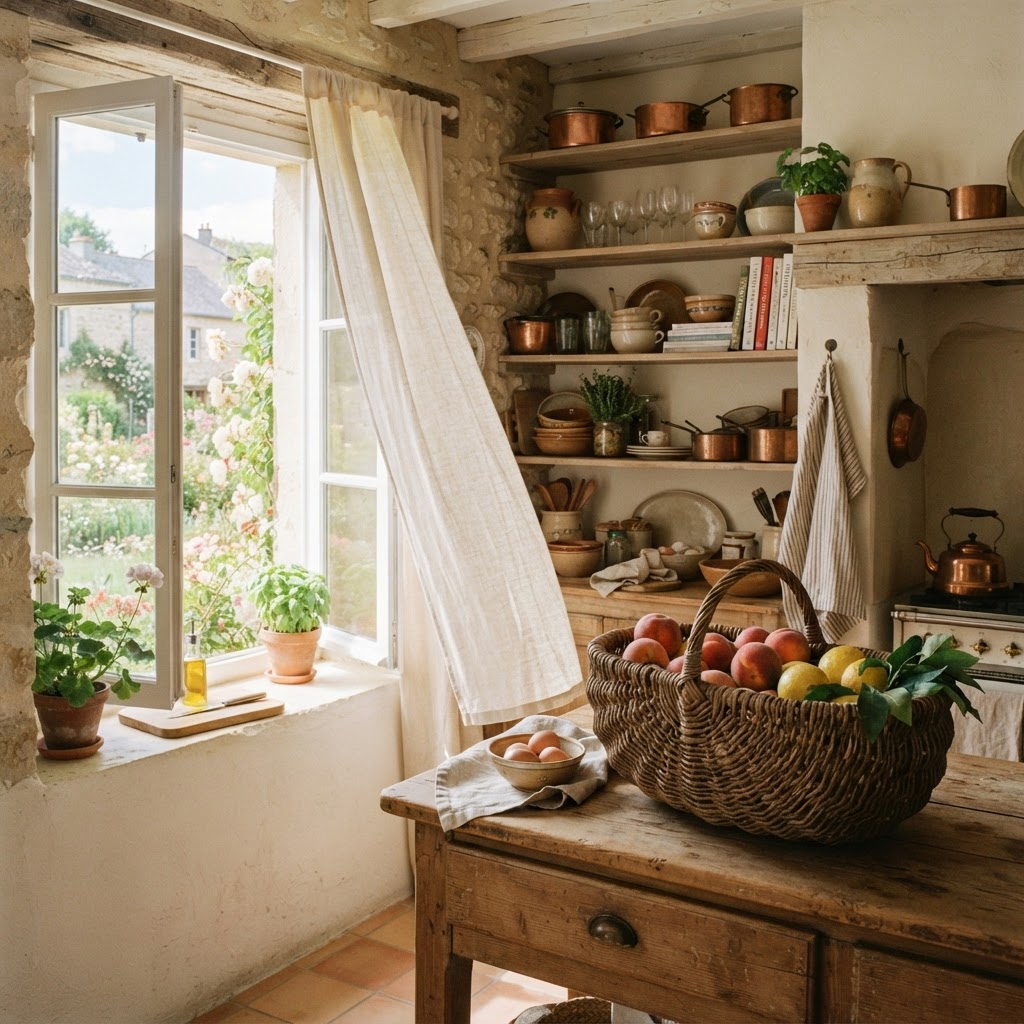
At its core, the French market aesthetic is an ode to authenticity. It favors the lived-in over the manufactured and the timeless over the trendy. Unlike modern minimalist styles that strive for a clinical finish, the French market look thrives on imperfections. It is about celebrating the worn handle of a willow basket, the slightly uneven shape of a handmade ceramic plate, and the faded, sun-bleached hues of vintage fabrics. To achieve this, you must shift your focus toward items that tell a story of regional tradition and agricultural heritage.
When we talk about the French market summer aesthetic, we are essentially curating a sensory experience. It is not just about how a room looks; it is about how it feels when you walk in. Are the materials breathable? Do they invite you to touch them? Are the colors reflective of the earth and the sky? By stripping back the unnecessary clutter and replacing it with organic essentials, you allow the room to breathe. This approach transforms a house into a sanctuary of seasonal slow living, reminiscent of early mornings spent wandering through stalls filled with lavender, olives, and fresh bread.
Woven Baskets as Functional Art
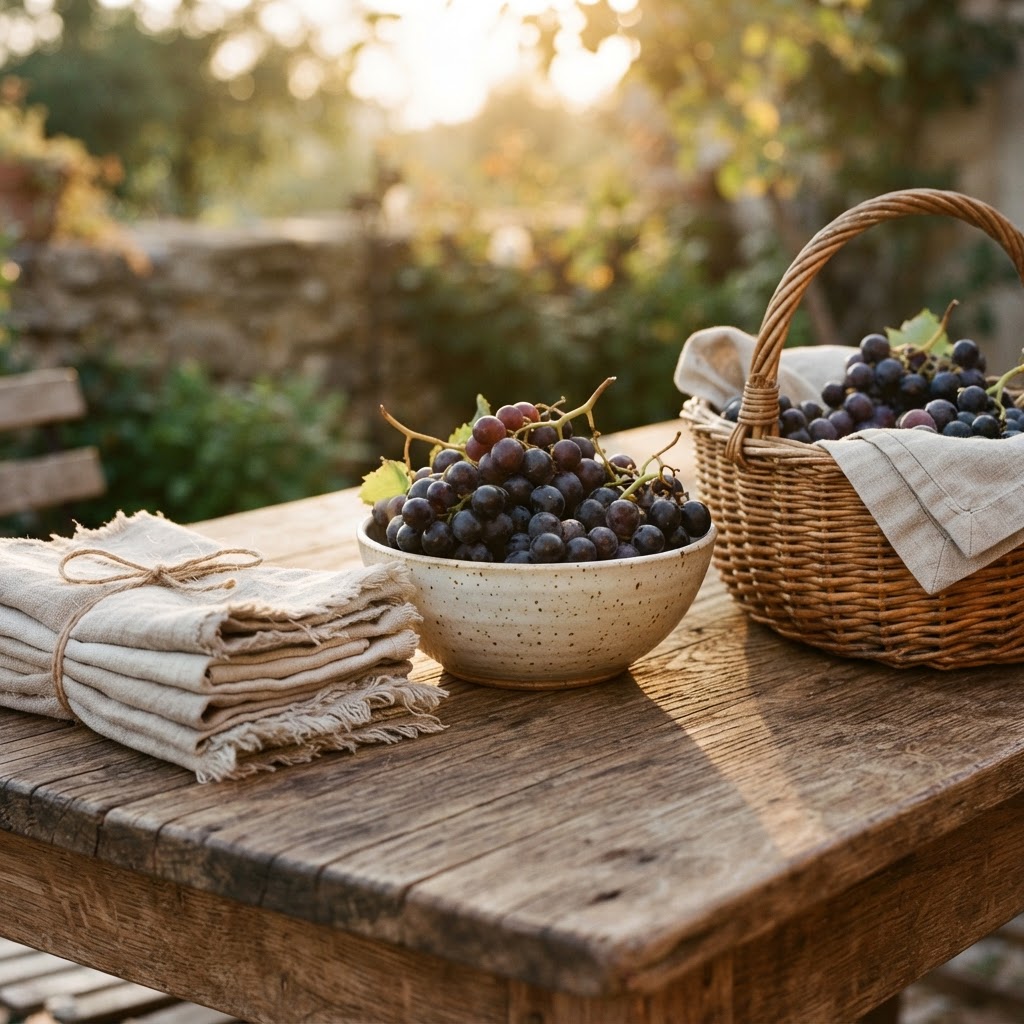
No element is more central to the French market summer aesthetic than the humble woven market basket. Historically, these were workhorses, designed to carry heavy harvests of produce, flowers, and daily essentials. Today, they serve as the ultimate bridge between utility and interior design. They offer an effortless way to introduce natural texture into any room, breaking up the hard lines of modern cabinetry or industrial metal furniture.
Styling Your Baskets for Maximum Impact
To make the most of this trend, move your baskets away from hidden storage and into the light. Place a large, round seagrass basket in the corner of your living room to hold extra linen throws or rolled-up vintage towels. In the kitchen, use smaller, shallower woven trays to corral your citrus fruits or display a collection of wooden spoons. The key is variety in weave and size. Mixing tight, refined weaves with rougher, rustic palm fibers adds depth to your styling. Always ensure the baskets look like they have lived a life—if you find vintage pieces with slight fraying or unique handles, celebrate those details rather than hiding them.
Choosing the Right Materials
When sourcing your baskets, look for natural, untreated fibers. Materials like willow, rattan, seagrass, and raffia are hallmarks of this style. Synthetic alternatives rarely capture the authentic patina that develops over time, which is essential to the French market aesthetic. If you are struggling to find vintage baskets, look for artisans who specialize in traditional hand-weaving techniques, as their work will provide the structural integrity and authentic texture required to ground your space.
The Role of Fruit in Interior Styling
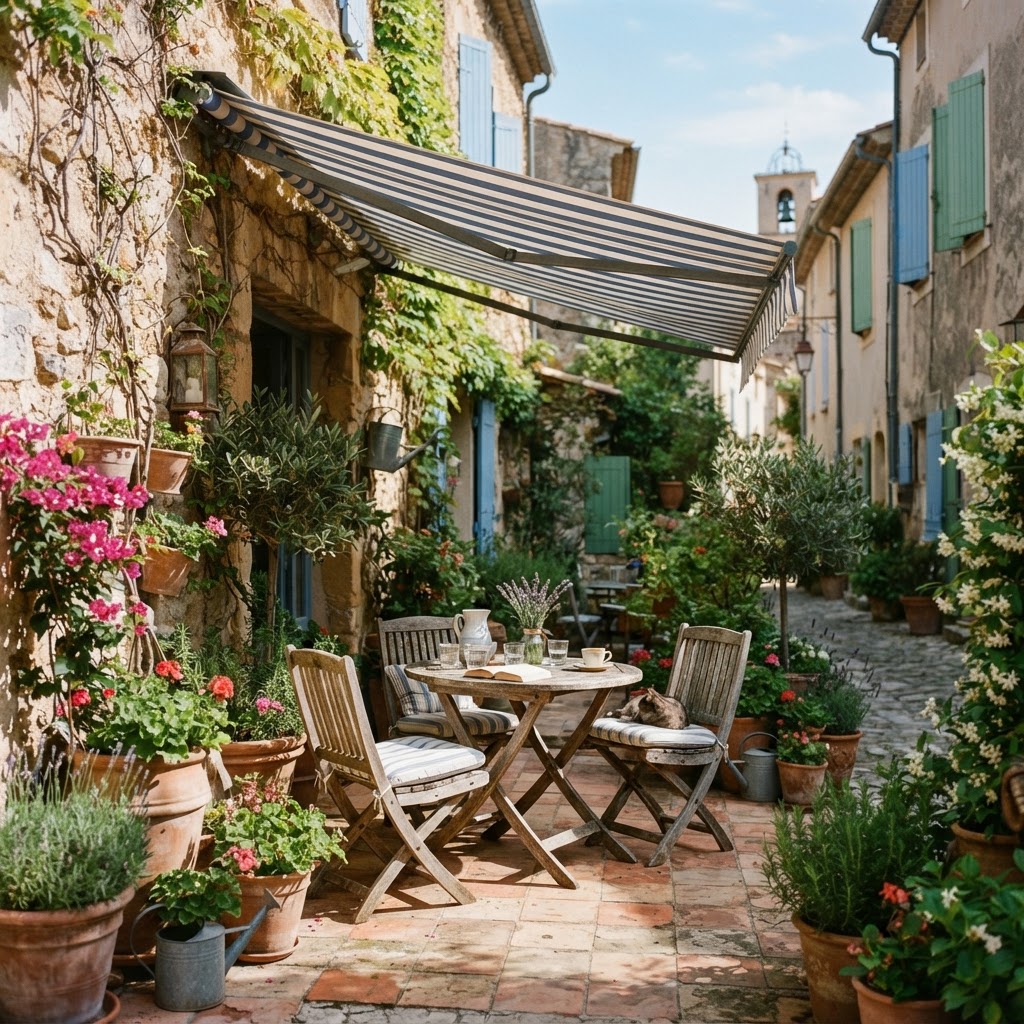
In a French kitchen, fruit is rarely hidden away in a refrigerator. Instead, it is treated as a centerpiece. The French market summer aesthetic relies heavily on the vibrant colors of seasonal produce to act as natural decor. A bowl of ripe peaches, a bunch of deep purple grapes, or a cluster of bright lemons offers a contrast to neutral walls that feels both fresh and indulgent. This is design that is alive, changing with the seasons and reflecting the natural cycle of the year.
Creating Living Centerpieces
Avoid the temptation to use artificial fruit. The beauty of this aesthetic lies in the reality of the organic matter. A ceramic bowl overflowing with cherries or a flat wooden board stacked with figs brings a specific, fleeting beauty to a room that plastic imitations simply cannot match. Rotate your displays weekly based on what is available at your local farmers’ market. This keeps your home decor dynamic and encourages you to engage with the natural environment around you, reinforcing that essential connection to the land.
Linen Awnings and Textile Layers
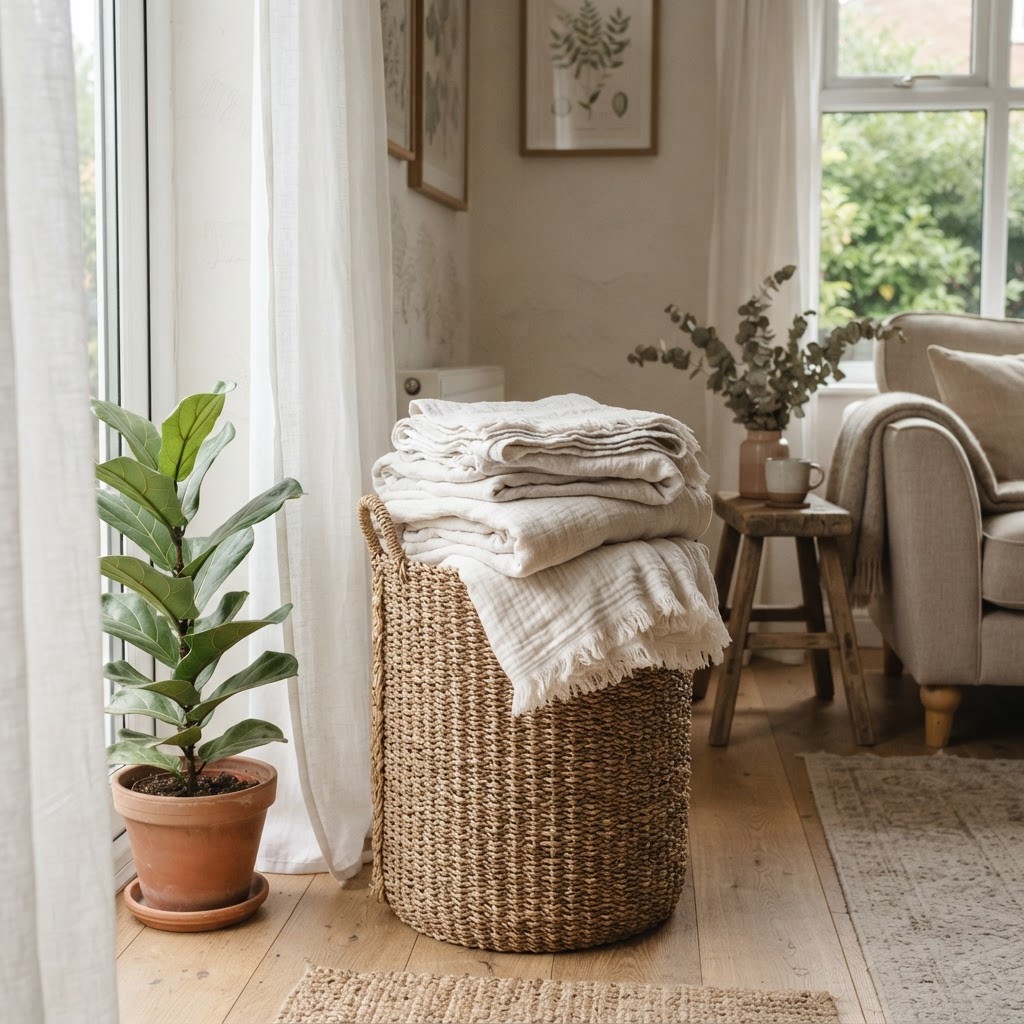
If you have an outdoor space, linen or heavy cotton canvas awnings are the quintessential accessory. They provide the dappled light that is so characteristic of southern France, filtering the harsh sun into something soft and golden. However, if you are looking at indoor applications, linen is the fabric of choice for curtains, tablecloths, and cushion covers. Its unique ability to wrinkle beautifully is one of its greatest strengths. These imperfections are what prevent the look from appearing too staged or stiff.
Bringing the Breeze Indoors
To capture the feeling of a summer awning inside, opt for long, unlined linen drapes that can sway when the windows are open. Choose neutral tones like oatmeal, slate, or soft white, or incorporate subtle ticking stripes to nod to the classic French market umbrella. The goal is to maximize air circulation and light. By keeping your window treatments light and airy, you maintain a sense of openness, allowing the interior to feel as expansive as a wide-open market square.
Essential Elements of the French Summer Palette
Your color story should be pulled directly from the Mediterranean landscape. Think of the baked clay of terracotta tiles, the dusty green of olive leaves, the warm straw of dried grasses, and the crisp, clean blue of the summer sky. These colors should be used in harmony rather than competition. Start with a warm neutral base for your walls—think off-white or light limestone—and layer your colors through textiles, ceramics, and baskets.
Textures That Define the Look
| Material | Application | Purpose |
| :— | :— | :— |
| Woven Rattan | Storage, Seating | Adds tactile, organic depth |
| Stonewashed Linen | Curtains, Bedding | Provides softness and movement |
| Terracotta | Pots, Tiles | Introduces earthy, warm tones |
| Natural Wood | Tables, Utensils | Grounding, rustic stability |
| Wrought Iron | Hardware, Lighting | Adds a touch of industrial, classic contrast |
Curating Your Own Market-Inspired Kitchen
Your kitchen is the heart of the French market aesthetic. Focus on open shelving, where you can display your collection of hand-painted ceramics or rustic glassware. The objective is to make the space feel accessible and inviting. Instead of hiding your tools in drawers, hang them from a simple brass or iron rail. This mimics the layout of a market stall, where everything is visible, reachable, and ready to be used.
The Importance of Artisan Details
Invest in a few key pieces that showcase craftsmanship. A hand-carved wooden board, a set of mismatched vintage silverware, or a pitcher shaped like a vegetable will elevate the space. These items serve as conversation starters and emphasize the value of slow production. When your kitchen is filled with objects that have a clear human touch, the entire room feels more welcoming and significantly more authentic to the French tradition.
Conclusion
Embracing the French market summer aesthetic is ultimately about slowing down and appreciating the beauty in the everyday. Whether it is the way light filters through a linen curtain, the scent of fresh fruit in a bowl, or the structural beauty of a hand-woven basket, these elements work together to foster a sense of peace and belonging. By focusing on natural materials and a seasonal mindset, you can transform your home into a space that captures the timeless, romantic spirit of a summer in France. Start small—perhaps with one basket or a new set of linen napkins—and watch how your home begins to bloom with this effortlessly elegant style. Which element of the French market look are you most excited to incorporate into your home this season? Share your thoughts below and start your journey toward a more intentional, sun-filled living space today.
Leave a Reply