
The world takes on a surreal, crystalline quality when temperatures plummet and the landscape is locked in ice. For many, frozen lakes and Arctic roads represent the ultimate frontier, a place where geography shifts and the impossible becomes a passage. From the vast, wind-swept plains of the Northwest Territories to the remote wilderness of Scandinavia, these icy networks serve as vital lifelines for communities and an adventurous challenge for those who seek to traverse them. Understanding how these ephemeral highways function requires a mix of respect for nature, technical knowledge, and a spirit of true exploration.
The Science Behind Ice Roads
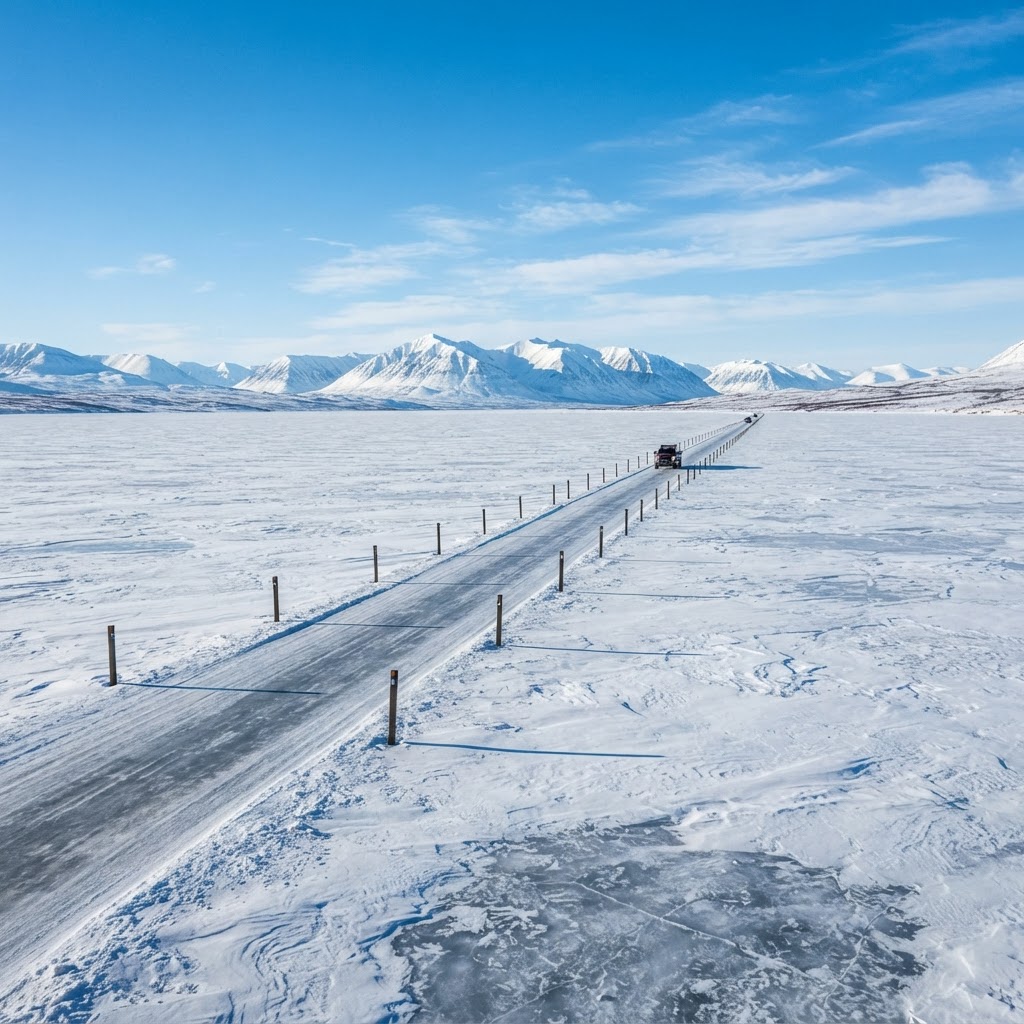
Ice roads are not merely frozen paths; they are sophisticated feats of cold-weather engineering. When a lake is deep enough and the winter sufficiently long, the surface freezes to depths capable of supporting immense weight. Engineers monitor the thickness of the ice using ground-penetrating radar to ensure that the structural integrity remains sound for heavy freight and light vehicle traffic. The primary goal is to maintain a balance between natural freezing cycles and the thermal footprint of the vehicles passing over the surface.
Monitoring Ice Thickness
Safety is paramount when dealing with frozen lakes. Technicians must conduct daily measurements, looking for white ice (formed from snow) and black ice (formed from water), which possess different weight-bearing properties. As the temperature fluctuates, the ice expands and contracts, creating fissures that must be carefully managed. By maintaining strict speed limits, drivers help prevent the formation of pressure waves that could crack the ice from underneath.
Navigating Arctic Roads Safely
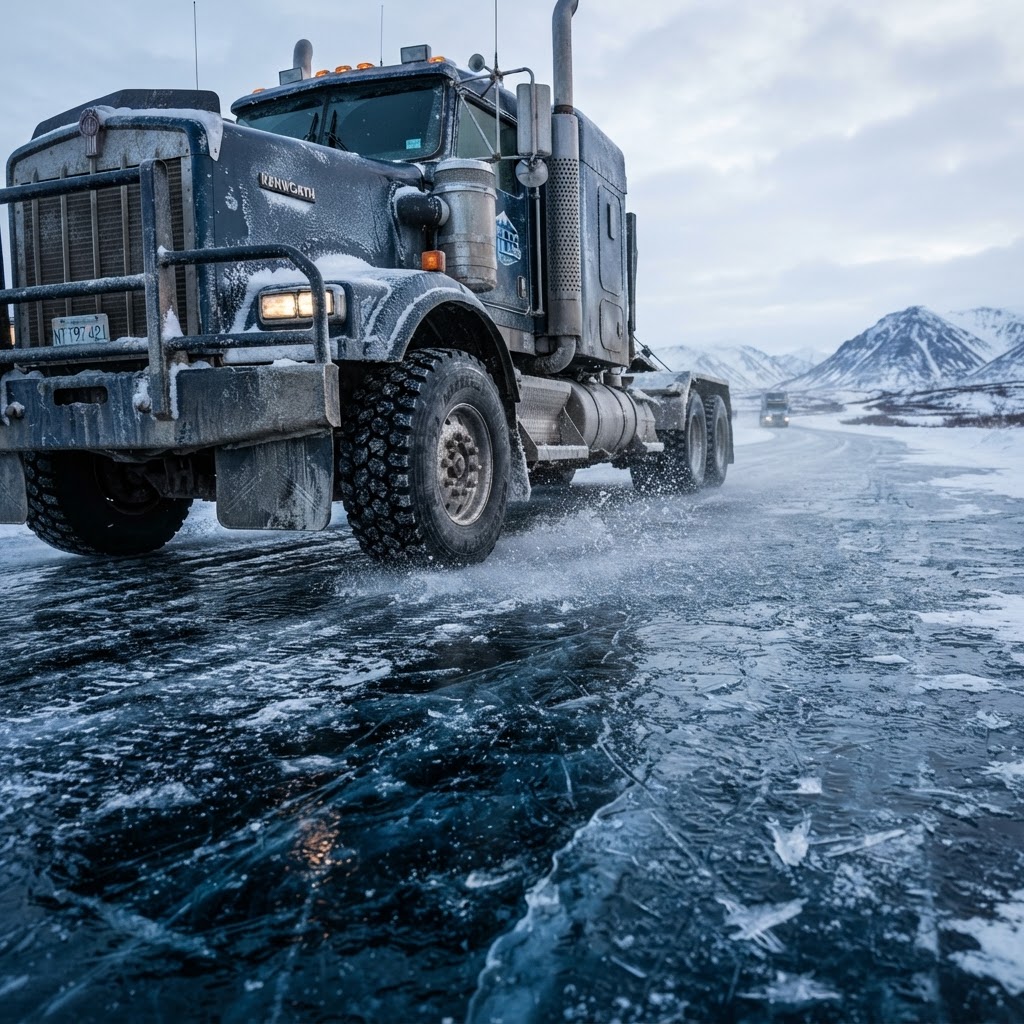
Driving on Arctic roads requires a specialized set of skills that go far beyond standard defensive driving. The biggest danger on these routes is often not the ice itself, but the unexpected changes in friction and visibility. When traversing remote northern territories, the road surface can transition from compacted snow to sheer ice in a matter of meters, requiring constant adjustments to speed and steering input.
Essential Driving Techniques
Always maintain a significant following distance to account for the increased stopping distance on slick surfaces. Avoid sudden movements with the steering wheel or brake pedal, as these can easily induce a skid. Many experienced Arctic drivers recommend carrying emergency survival gear, including high-calorie food, thermal sleeping bags, and a satellite communication device, even if the travel distance seems short.
| Feature | Ice Road | Standard Paved Road |
| :— | :— | :— |
| Surface Material | Compacted Ice/Snow | Asphalt or Concrete |
| Maintenance | Daily Radar/Monitoring | Periodic Paving |
| Weight Limit | Strictly Enforced | Axle-Weight Restrictions |
| Visibility | High Wind/Whiteouts | Seasonal Fluctuations |
The Socio-Economic Impact of Ice Infrastructure
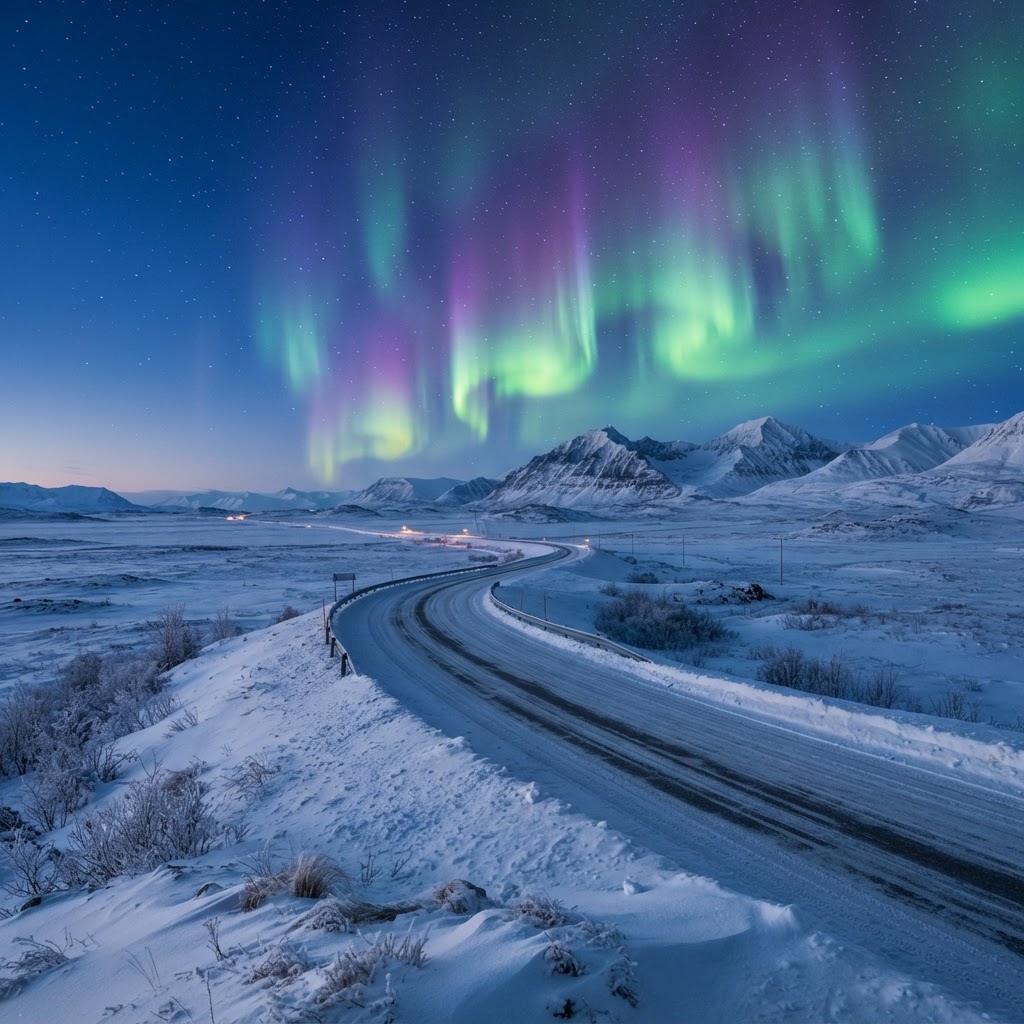
For many remote communities, the winter months are the only time they can receive heavy goods, machinery, and fuel at a reasonable cost. During the summer, these regions are often only accessible by expensive air freight or slow barge transport. Frozen lakes and Arctic roads effectively connect these isolated pockets of humanity to the rest of the world, serving as temporary highways that sustain local economies.
Supporting Local Industries
Beyond basic supplies, the presence of these roads allows for the development of mining and exploration projects that would otherwise be impossible to sustain. By lowering the logistics costs during the peak winter months, companies can extract resources and provide jobs to local residents. However, this reliance on climate-dependent infrastructure brings a precarious reality; if the winters get shorter or less intense, these communities face immediate supply chain crises.
Iconic Winter Routes Across the Globe
The most famous examples of these icy passages are found in North America and Russia. The Tibbitt to Contwoyto Winter Road in Canada is widely considered the gold standard for ice-road engineering. Spanning hundreds of kilometers, this route traverses over 60 different frozen lakes, providing access to diamond mines and isolated research outposts during the short winter window.
International Perspectives
In Europe, Finland and Sweden also boast extensive ice-road networks. These are often used for shorter crossings between islands or across coastal inlets where ferries would be forced to shut down due to heavy sea ice. These European routes are often maintained by local municipal governments rather than private mining corporations, making them more accessible to the general public for tourism and local travel.
The Environmental Challenges of Warming Winters
Climate change presents a direct threat to the longevity and reliability of ice roads. As global temperatures rise, the duration of the winter season shortens, pushing the “open” dates of these roads later into the calendar year. This compression of the operating season creates massive logistical hurdles, forcing businesses to move the same volume of goods in a smaller timeframe.
Adapting to a Changing Climate
Scientists are now exploring ways to use technology to mitigate these impacts, such as artificial ice thickening or floating bridges that can withstand earlier spring melts. Despite these efforts, the unpredictability of the weather remains the greatest challenge. Transitioning away from sole reliance on these roads is becoming a strategic necessity for northern governments, who are investing in more permanent, all-weather infrastructure to ensure long-term viability.
Preparing for an Arctic Expedition
If you are planning to experience these landscapes, preparation is your most important asset. Whether you are traveling by car or on a guided expedition, you must have the right equipment. This includes winter-rated tires with metal studs, which provide the grip necessary for starting on inclines. Furthermore, understanding the limitations of your vehicle is crucial; not every vehicle is built to handle the constant vibration and extreme cold of northern travel.
Choosing the Right Gear
Layering your clothing is essential. Arctic environments can shift from bright, sunny days to blinding snowstorms in minutes. Prioritize wool or synthetic base layers that wick moisture away from the skin, and ensure you have high-quality outer shells that protect against freezing winds. Always keep a backup heat source in your vehicle and ensure you have mapped out every refueling stop, as gas stations are few and far between in the high north.
Conclusion
Frozen lakes and Arctic roads remain one of the most fascinating examples of human ingenuity working in harmony with a harsh, unforgiving environment. While they provide essential links for northern populations, they also remind us of the fragility of our infrastructure in the face of a changing climate. Whether you are a logistics professional, a researcher, or an adventurous traveler, respecting the ice is the golden rule of the north. Take the time to plan your journey, invest in the right gear, and always put safety first. If you found this guide helpful, consider sharing it with your fellow explorers and subscribing for more tips on navigating the world’s most extreme environments.
Leave a Reply